The Ultimate Sofa for Scandinavian Style: How to Choose the Perfect Piece for Your Home!

Choosing a sofa for a Scandinavian interior is a more precise exercise than choosing a sofa for most other design contexts. The Scandinavian aesthetic does not absorb mismatches or compensate for poor decisions through decorative generosity — its restraint and clarity mean that every piece in the room is fully visible, fully accountable, and either contributing to the whole or working against it. A sofa that is too bulky, too ornate, too softly proportioned, or upholstered in a material that lacks the honesty the design tradition demands will read immediately and consistently as wrong. Conversely, a sofa chosen with the right understanding of what Scandinavian design requires — clean geometry, natural materials, precise proportions, and the kind of quiet visual authority that comes from genuine craft — anchors the room with a completeness that no amount of accessorising can manufacture from a less considered starting point. Danish Design Co carries a selection of sofas, led by Eilersen’s made-to-order range, that meet this standard completely — pieces built for Scandinavian interiors by designers who understand the tradition from the inside.

Sofa Selection for Elegant and Simple Scandinavian Interiors

When selecting furniture for a Scandinavian interior, its best to consider the styles core principles of simplicity, functionality, and elegance. Choosing clean lines, natural materials, neutral colours, and high quality craftsmanship enhances the serene and stylish ambience highlighted within Scandinavian design.

For a luxury Scandinavian interior, it is essential to consider the following aspects when choosing the perfect sofa:

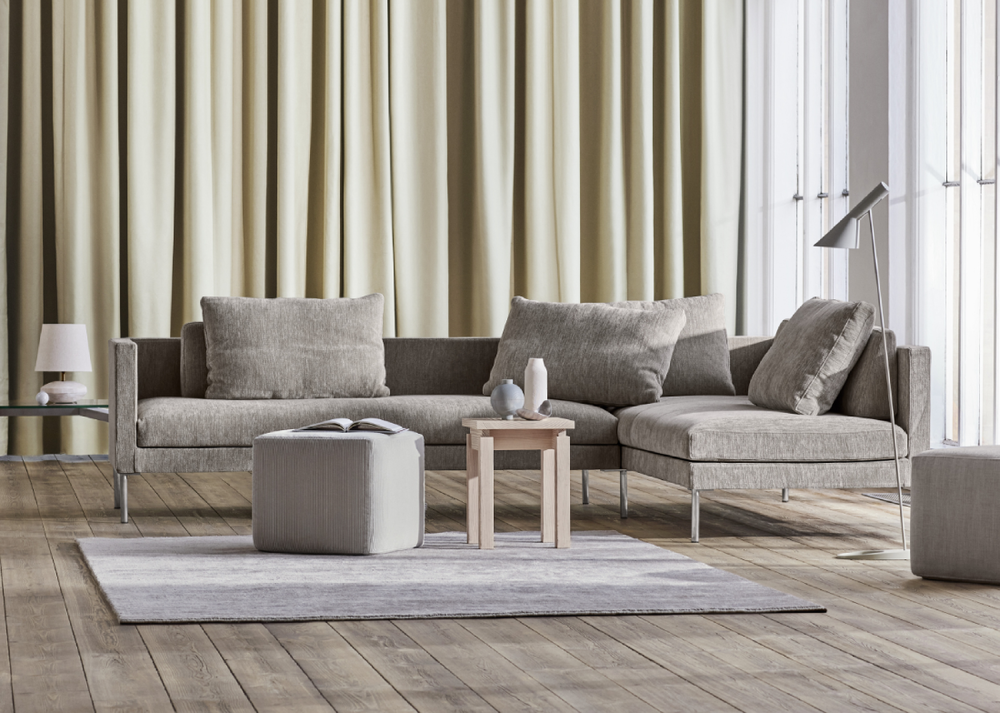
  1. Shape Clean Lines: Opt for a sofa with minimalist silhouette and simple, geometric forms. Try to avoid excessive ornate detail while embracing the Scandinavian shapes. Low Profile: Create an airy and spacious feel to your interior space by choosing a sofa with a low profile and slim legs. Modular Options: Modular sofas offer flexibility making them ease to rearrange to fit different spaces and functions.
  2. Material Natural Fabrics: Upholstery made from wool, linen, or cotton for upholstery reflects the Scandinavian aesthetics, offering natural textures and breathability.
    Quality Leather: High quality leather can add a touch of sophistication while maintaining the simplicity of the design. Wood Accents: Add warmth and authenticity by incorporating light-coloured wooden legs or frames, such as oak or beech.
  3. Colour Neutral Palette: Stick to soft neutral tones like white, grey, beige, or muted tones to create a calm and serene atmosphere. Soft Accents: For a touch of colour, introduce light pastel hues to enhance the understated elegance of the design.
  4. Quality Craftsmanship: Invest in a sofa with a durable frame and high-quality upholstery. Scandinavian design values functional beauty, quality and longevity are essential. Comfort: Ensure the sofa offers excellent comfort with supportive cushions and adequate seating depth. Comfort is key in Scandinavian interiors, prioritising spaces that are both stylish and inviting.
  5. Additional Factors Functionality: Consider additional features like built-in storage or adjustable components to maximise functional needs of your space while painting a sleek aesthetic. Scale: Make sure the sofa fits proportionally within your space, complementing the interior without overwhelming it. Versatility: A versatile sofa that can pair well with different accessories or adapts with various settings enhances the flexibility of Scandinavian interiors.

By considering these factors when choosing a sofa you will select one that perfectly complements the practicality and understated beauty of Scandinavian design.

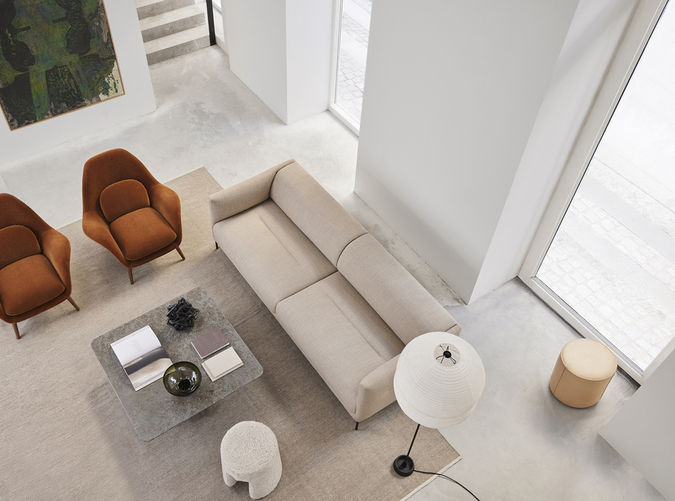
Choosing a sofa for a Scandinavian interior is a more precise exercise than choosing a sofa for most other design contexts. The Scandinavian aesthetic does not absorb mismatches or compensate for poor decisions through decorative generosity — its restraint and clarity mean that every piece in the room is fully visible, fully accountable, and either contributing to the whole or working against it. A sofa that is too bulky, too ornate, too softly proportioned, or upholstered in a material that lacks the honesty the design tradition demands will read immediately and consistently as wrong. Conversely, a sofa chosen with the right understanding of what Scandinavian design requires — clean geometry, natural materials, precise proportions, and the kind of quiet visual authority that comes from genuine craft — anchors the room with a completeness that no amount of accessorising can manufacture from a less considered starting point. Danish Design Co carries a selection of sofas, led by Eilersen’s made-to-order range, that meet this standard completely — pieces built for Scandinavian interiors by designers who understand the tradition from the inside.

Top Recommendations

From $ 6,099
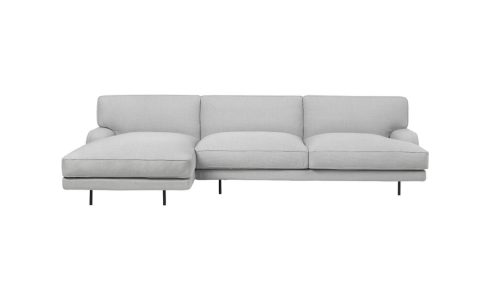
The Flaneur Sofa by Danish-Italian duo GamFratesi is given a modern expression from its archetypical inspiration of the traidtional roll arm chair. It is indisputably comfortably, while maintaining the precise silhouettes of a Scandinavian design. The sofa is emphasized by immaculate 3mm piping around the seats that gives it its minimal yet holistic look.
From $ 7,183
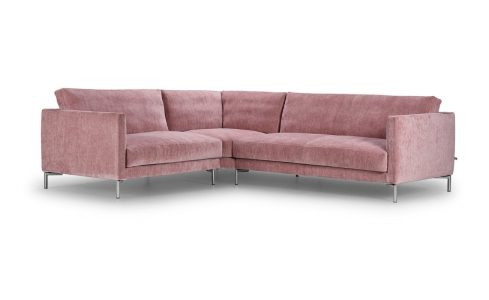
the Mission Sofa is a modern and contemporary take on the classic London sofa, showcasing a stringent body with slender legs and eye for detail. This designer furniture piece sports a loose back and seat cushions that ensure optimum comfort. Its slim body also makes a great choice for urban living spaces where space constraint is an issue. It is simple in design but positions itself as a lighter version among Eilersens other well-known sofas. The Spider Coffee Table which showcases geometric steel frames is a perfect complement to the Mission Sofa with its clean lines and simple design.

On the other hand, the 301 Sofa offers unparalleled versatility.

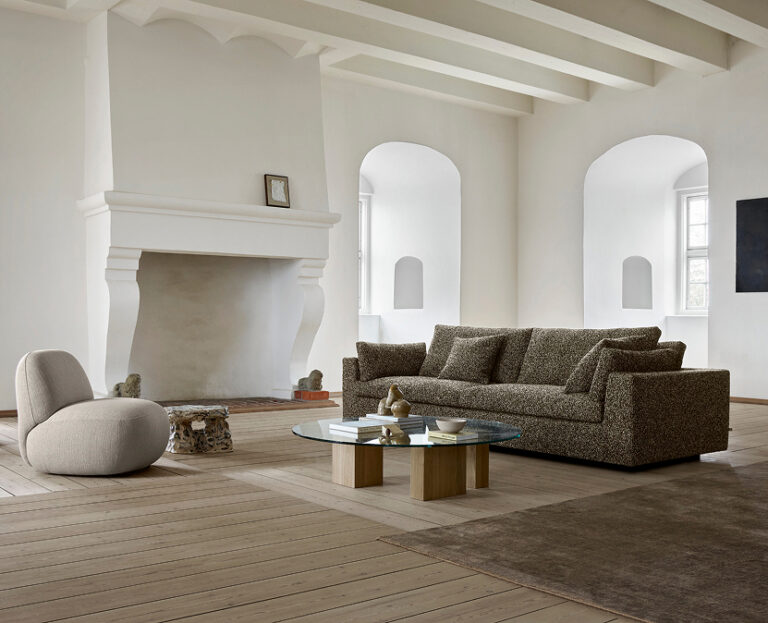
Its highly modular design allows you to select from different sofa modules, transforming your seating arrangement to suit your needs. Available in both fabric and leather, this sofa embodies exquisite comfort with a minimalist Scandinavian design. Its a perfect blend of form and function, catering to those who appreciate understated elegance. stand out.

You may also like

FAQ

What sofa shape works best in a Scandinavian interior?

Scandinavian interiors call for sofas with low profiles, clean geometric silhouettes, and slim structural members — frames and legs that are present and honest rather than hidden or decorative. The sofa's overall form should read as resolved from every angle, including the back, which in an open-plan Scandinavian interior is often as visible as the front. Avoid sofas with rolled arms, tufted backs, or heavily curved silhouettes — these carry a visual weight and decorative language that conflicts with the restraint that defines Scandinavian design. The most successful shapes are those that achieve comfort through structural intelligence rather than upholstery volume.

What materials suit a Scandinavian sofa best?

Natural materials define the Scandinavian upholstery palette. Wool blends, linen, and cotton offer the textural warmth and material honesty that the design tradition values — they breathe naturally, age gracefully, and carry a sensory quality that synthetic alternatives cannot replicate. Full-grain leather is equally at home in a Scandinavian interior, particularly in warm tan, cognac, or natural tones that complement the solid oak frames that characterise the best Nordic furniture. Wood frame elements — oak or beech in a natural, soaped, or lightly oiled finish — add structural warmth that connects the sofa visually to the broader material language of a Scandinavian room. Avoid synthetic upholstery, high-gloss frames, and any material that communicates its own manufacture rather than its natural origin.

What colours work best for a sofa in a Scandinavian interior?

The Scandinavian colour philosophy centres on warmth within restraint. Soft whites, warm greys, stone, sand, oatmeal, and the natural tones of leather — cognac, tan, warm brown — form the core palette. These colours create the calm, serene atmosphere that defines the Scandinavian aesthetic without the coldness that pure white or cool grey can introduce. Muted pastel accents — dusty rose, sage, warm blue — work well as secondary tones introduced through cushions and throws rather than the sofa itself, which benefits from remaining within the neutral range. Avoid saturated colours and high-contrast combinations, which introduce visual energy that works against the settled quality a Scandinavian interior aims to achieve.

Discover the power of choice

What others had to say

You may also like