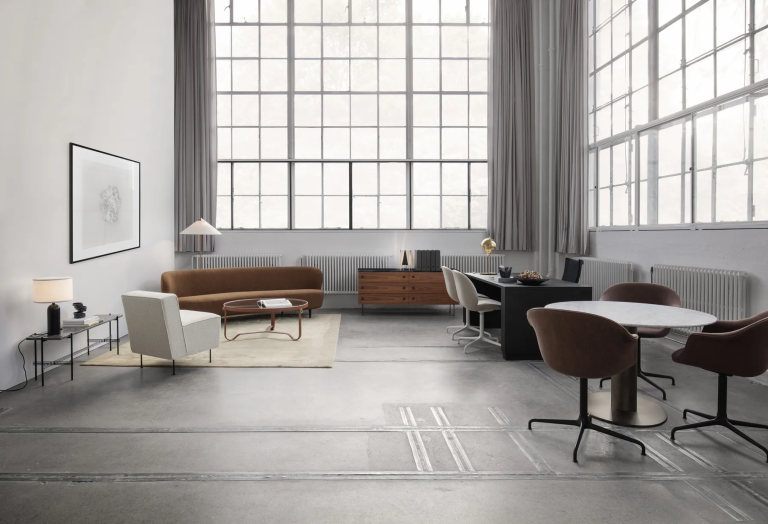
Gubi: Where Scandinavian Heritage Meets Contemporary Glamour
Scandinavian design is usually praised for what it leaves out. Gubi is known for what it puts back in. Where the tradition reaches for restraint,

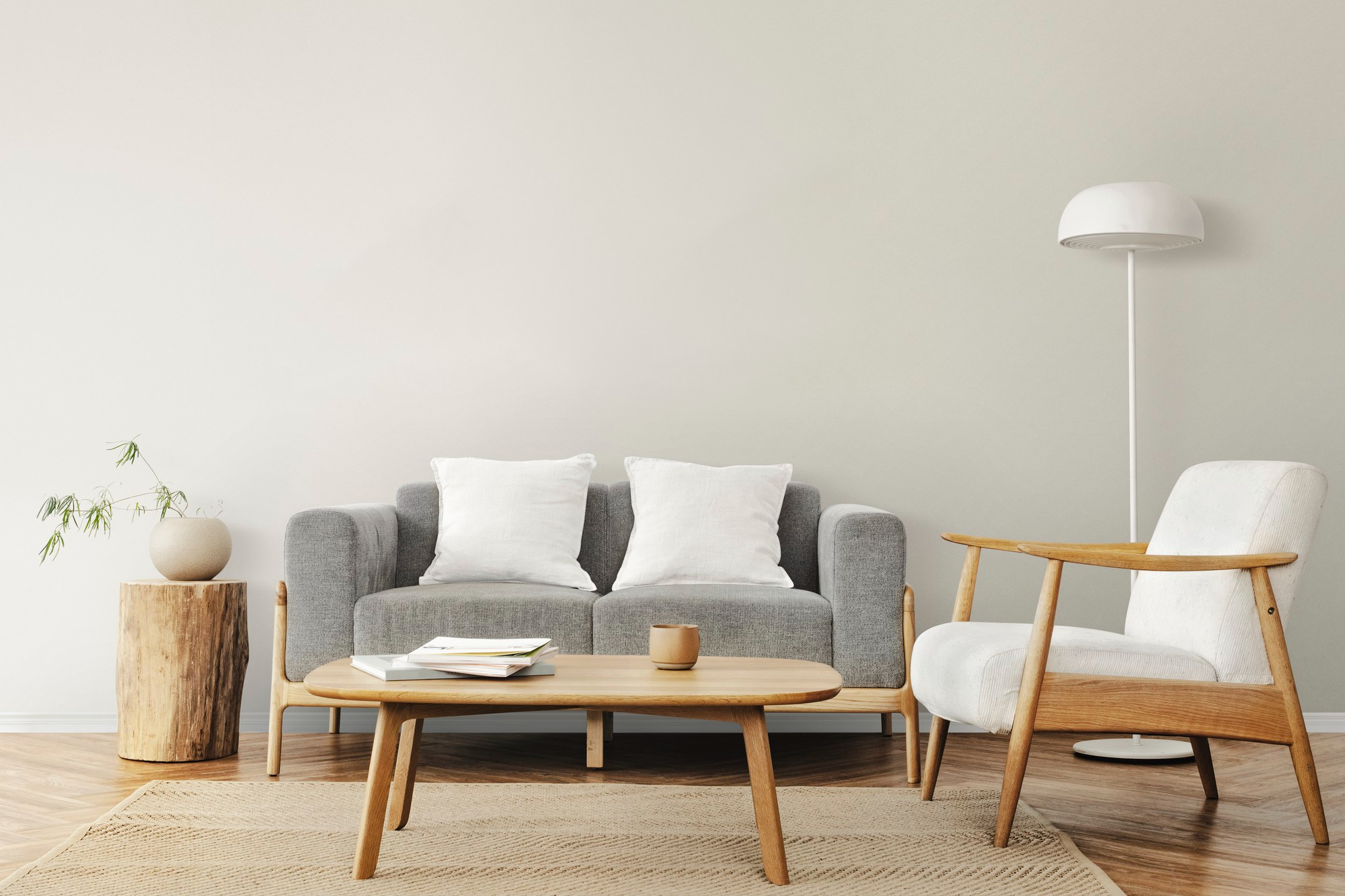
Few terms in interior design are as widely used and as poorly understood as minimalism. The word appears on furniture catalogues, mood boards, and renovation briefs, often describing rooms that share little beyond a neutral palette and a sparse arrangement of objects.
This is the surface version. The deeper version is something else. Minimalist design is an active discipline of restraint, one that asks every piece in a room to earn its place. Once you understand what minimalism actually means, every furniture decision in your home begins to shift.
Minimalism is not a recent trend; it is a century-old body of thinking that emerged independently across three traditions.
The Bauhaus movement held that form should follow function, and that ornament for its own sake was a kind of dishonesty. The Japanese philosophy of Wabi-Sabi found beauty in simplicity, impermanence, and the marks left by time on natural materials. Scandinavian functionalism treated good design as something obliged to serve everyday life, with quiet warmth rather than visual excess.
Three traditions, one shared instinct: that restraint, proportion, and material honesty produce environments that are more liveable, not less. This is why minimalism continues to feel relevant. It was never tied to a moment.
The most common misconception is that minimalism is defined by absence. Fewer objects, less colour, less personality.
This misses the point. Minimalism is an act of rigorous editing, where what remains is as carefully considered as what is removed. Every object earns its place through its form, proportion, material, or the function it serves. The room is not stripped bare, but curated to the point that nothing extraneous distracts from what matters.
Several principles define minimalist design:
These principles apply across home types. In a 4-room HDB layout, where spatial discipline is both practical and aesthetic, they do real work. In a larger condominium, they prevent an open-plan space from feeling cluttered by absorbing the functions of living, dining, and working.
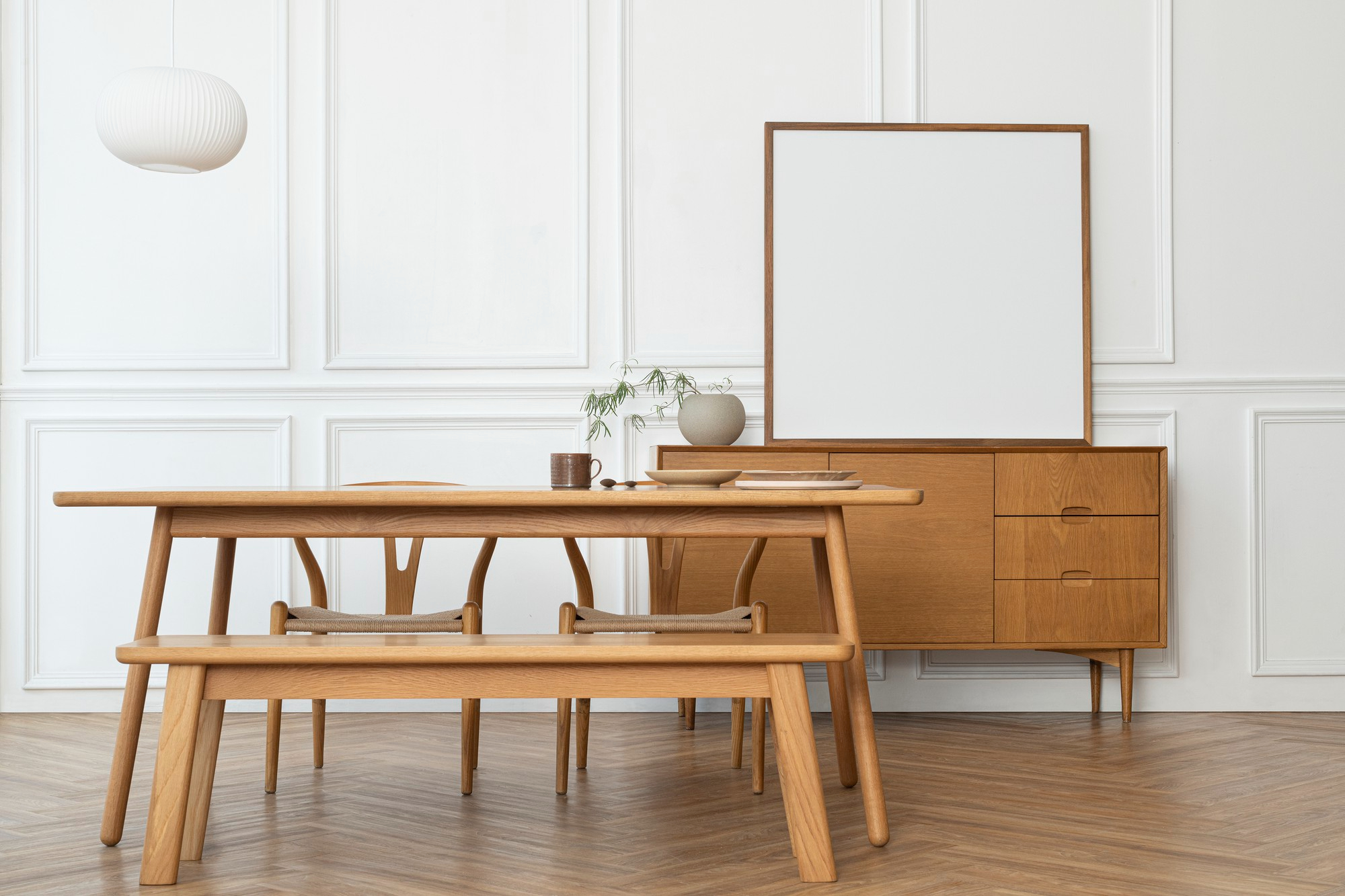
Truly minimalist furniture demands a higher standard of craftsmanship. When a piece is stripped of ornamentation, its construction and material quality are fully exposed. There is nowhere for poor workmanship to hide.
Look for honest joinery, clean silhouettes that hold their form over time, and materials that develop character with age rather than deteriorating. A linen-upholstered sofa may soften with use, while oiled oak deepens through years of contact with afternoon light.
Mass-market furniture that mimics a minimalist look often fails this test. Surface simplicity without underlying quality produces spaces that feel flat rather than serene. Eilersen builds sofas around structural precision and modular construction designed for decades of use. Fredericia translates the principles of Danish Modernism into pieces that hold clarity of form alongside everyday functionality. In both, minimalism is achieved through what is built into the piece rather than subtracted from it.
For HDB and condominium owners, minimalist design is particularly effective in compact, open-plan spaces. Restraint creates the perception of space and calm without additional square footage. A pared-back room seems larger because the eye has somewhere to rest.
For owners of larger landed homes and premium condominiums, minimalism becomes a choice of conviction. The space could absorb more. The decision not to fill it produces interiors that feel considered and enduring rather than busy or trend-driven. Singapore’s design culture has moved steadily in this direction, particularly among homeowners drawn to Japandi and Scandinavian aesthetics.
Minimalism is a discipline that product photographs approximate but do not capture. The precision of proportion, the depth of a finish, and the way a piece holds a room around it all need to be seen in three dimensions.
This is also the most useful answer to the question of where to buy minimalist furniture in Singapore. Authorised dealers with the actual pieces on the floor allow you to evaluate construction and proportion before committing.
Visit the Danish Design Co showroom in Pasir Panjang to sit on the designer 2-seater sofas and lounge chairs in person, or browse minimalist furniture online. An expandable dining room table is also worth experiencing first-hand, as the mechanism and proportions read differently when you move them yourself.
Scandinavian design is usually praised for what it leaves out. Gubi is known for what it puts back in. Where the tradition reaches for restraint,
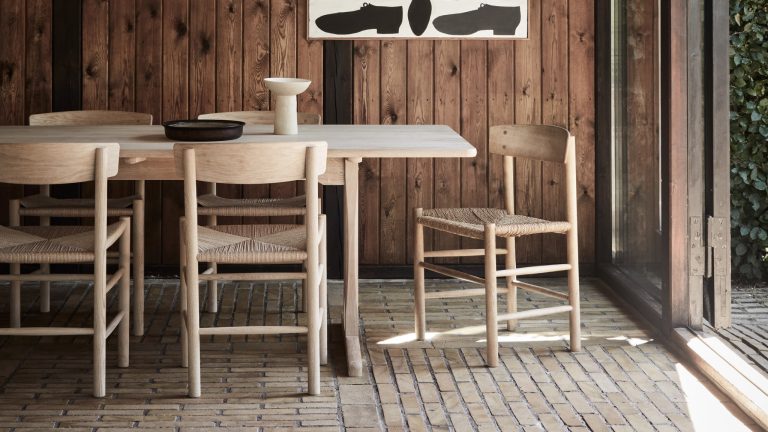
Some furniture houses chase the look of the moment. Fredericia has spent over a century doing the opposite. The Danish house is known for pieces