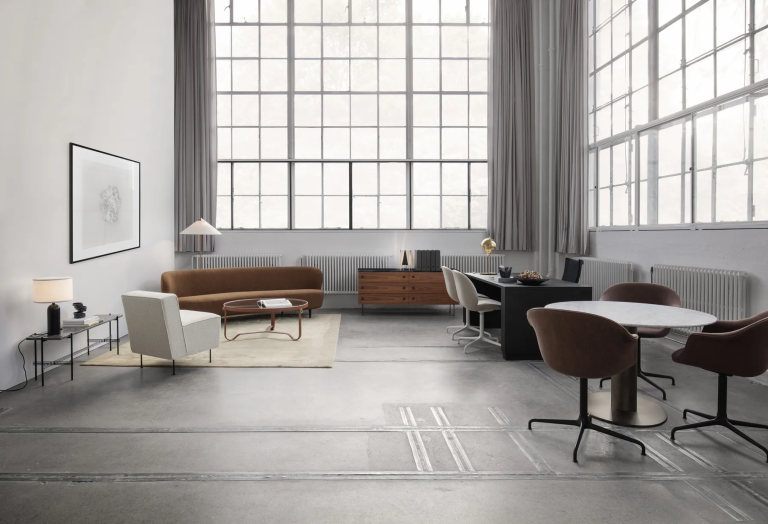
Gubi: Where Scandinavian Heritage Meets Contemporary Glamour
Scandinavian design is usually praised for what it leaves out. Gubi is known for what it puts back in. Where the tradition reaches for restraint,

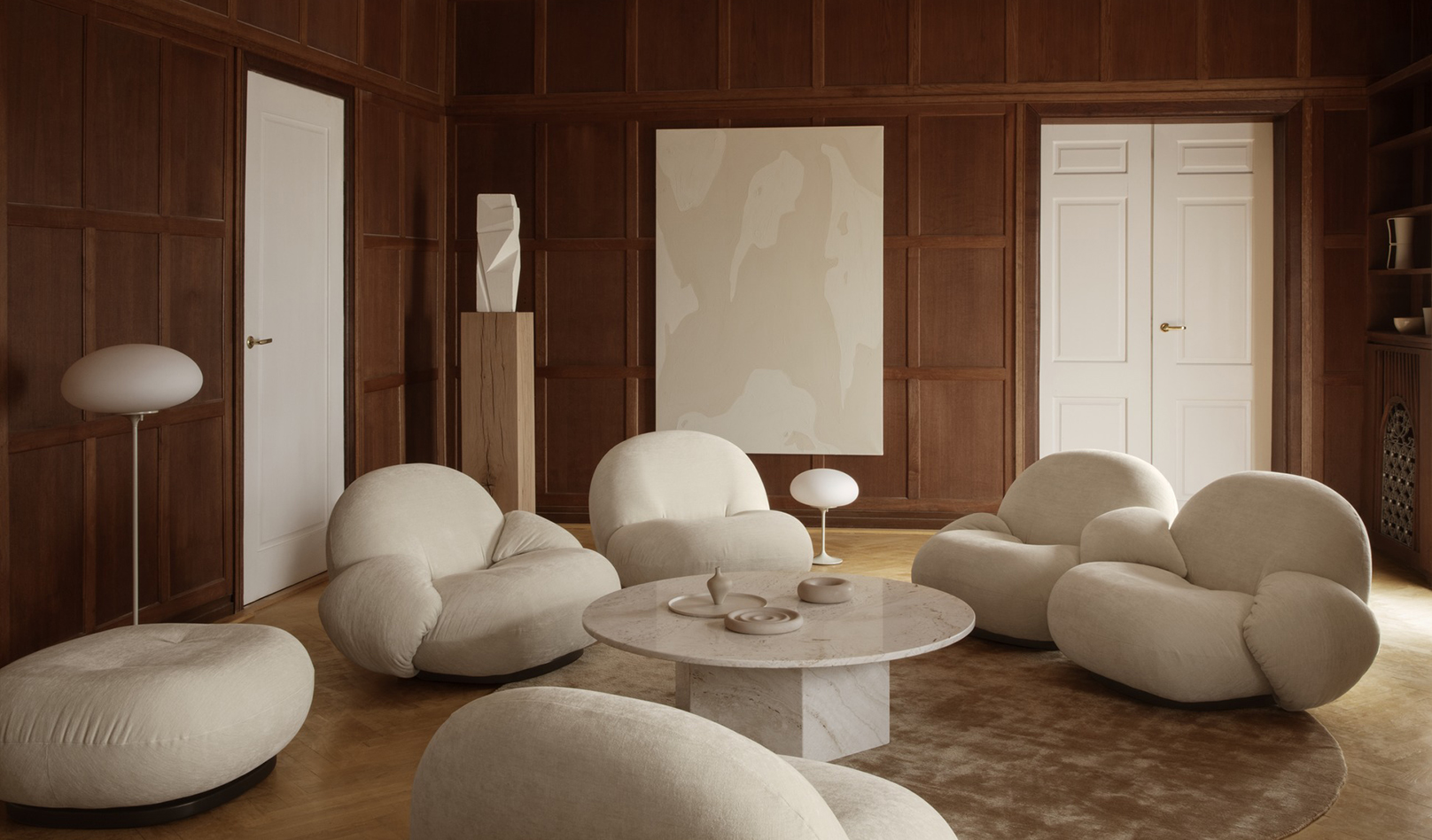
GUBI was founded by Gubi Olsen, and for much of its early history it operated as a fabric and textile company supplying the European furniture industry. The brand’s transformation into a fully-fledged design house came gradually, shaped by a growing conviction that the world needed products of genuine visual and material quality — not just functional commodities dressed up with clever marketing.
Today GUBI is recognised internationally as one of the most influential names in contemporary design. The brand operates on two tracks simultaneously: it collaborates with living designers whose work reflects a sophisticated, forward-looking sensibility, and it also serves as a custodian of mid-century design heritage, faithfully reproducing iconic pieces that had fallen out of production. This dual identity, progressive and archival at once, gives GUBI a depth and range that few design brands can match.
The result is a collection that spans furniture, lighting, rugs, and accessories, unified by a consistent commitment to materiality, proportion, and the kind of quiet confidence that distinguishes enduring design from mere novelty.
What Makes GUBI Different
In a crowded market for premium design, GUBI’s distinctiveness comes from a set of principles that run consistently through every product category:
This combination of historical awareness and genuine creative ambition is what makes GUBI a brand that serious collectors and interior designers return to again and again.
GUBI in Singapore: Why the Demand Is Growing
Singapore’s interior design market has changed significantly over the past decade. A younger generation of homeowners — many of them well-travelled, design-literate, and informed by international publications and platforms — has raised the bar for what premium furniture and lighting should deliver. The conversation has shifted from brand recognition and surface finish to questions of provenance, craft, and design authorship.
GUBI lighting in particular has become a defining element in high-specification Singapore interiors.
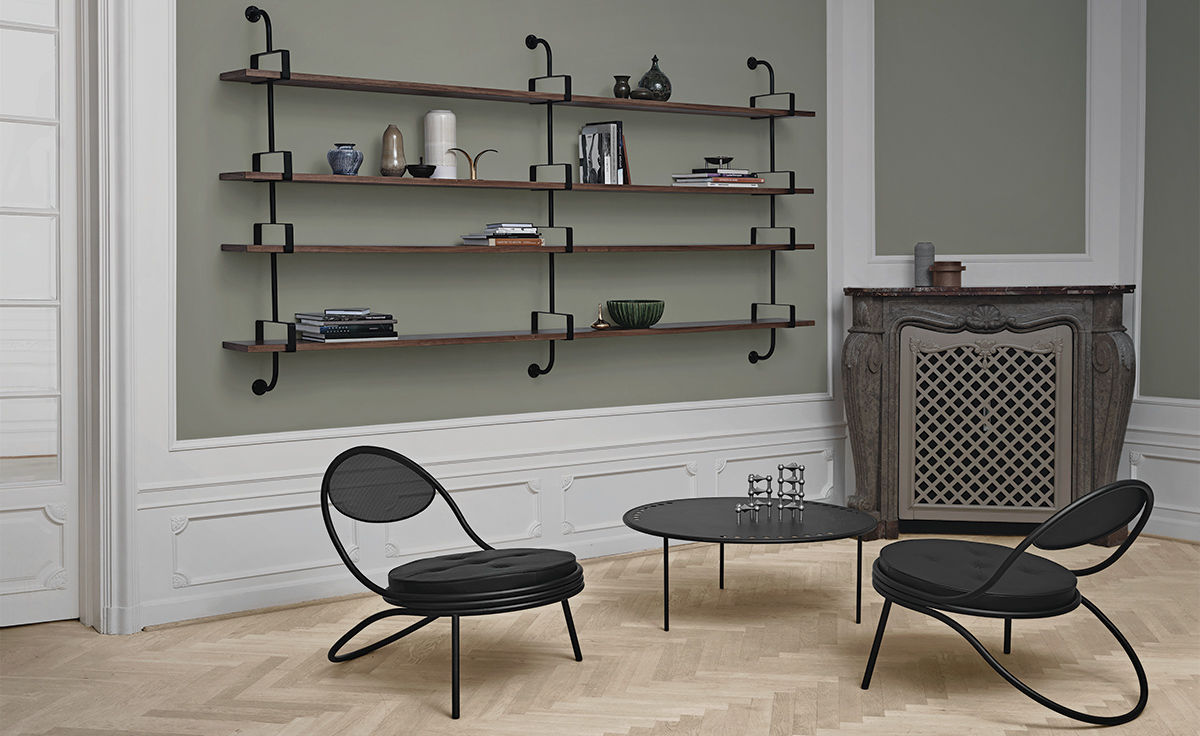
Danish Design Co: Singapore’s Home for GUBI
Danish Design Co was built around a straightforward idea: that Singapore deserves a furniture and lighting destination where quality is the only real criterion, and where the buying experience matches the standard of the products themselves. The GUBI collection at Danish Design Co reflects this philosophy directly.
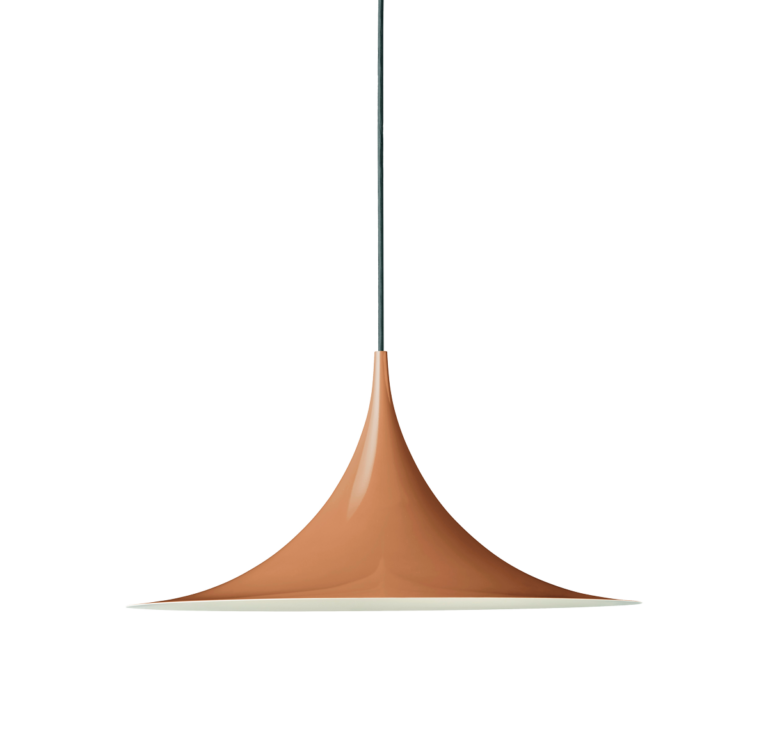
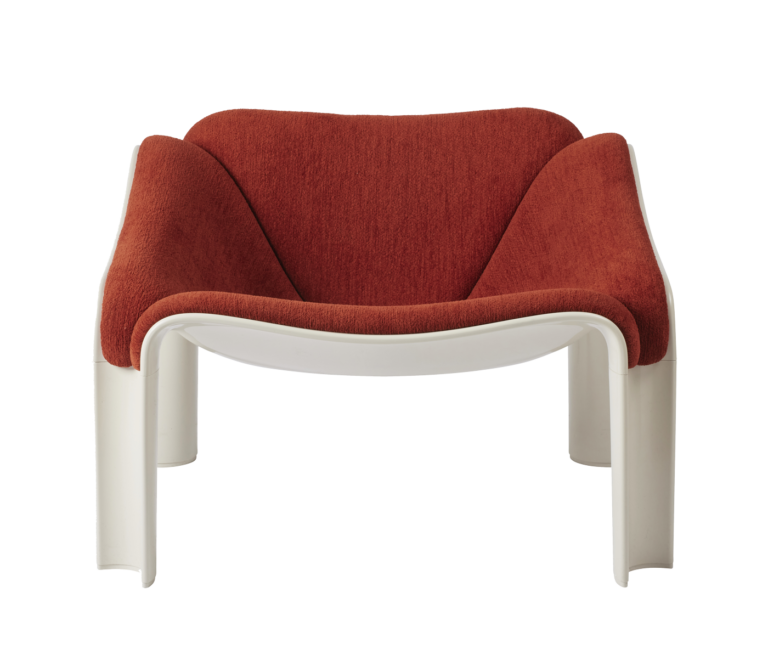
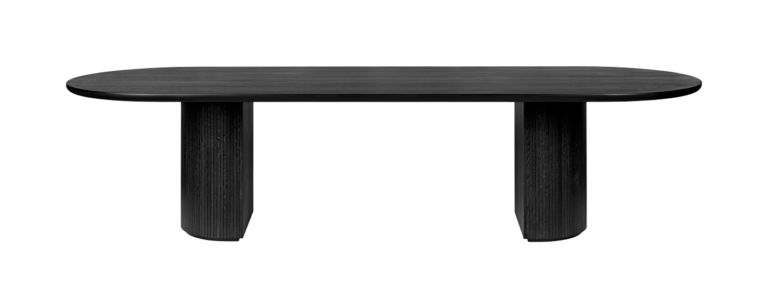
The showroom presents GUBI across multiple categories: seating, tables, lighting, and accessories; in room settings that give visitors a genuine sense of how the pieces perform together and within a real interior context. This is important with GUBI, because the brand’s products are designed to operate as part of a composed whole rather than as isolated objects. Seeing a Semi pendant in proximity to a Beetle chair and a Masculo dining table, for example, reveals a coherence of scale and material that is impossible to appreciate from a product page alone.
The team at Danish Design Co brings genuine knowledge to the GUBI range. They can speak to the history behind specific pieces, advise on configuration and finish options, and help customers understand how particular products will read in their specific spaces. For customers undertaking a full interior project, the showroom can serve as a starting point for a broader conversation about how GUBI’s range can anchor and elevate an entire room or home.
Specifying GUBI for a Singapore Home
Choosing GUBI products for a Singapore interior involves the same considerations that apply to any premium design purchase, alongside a few that are specific to the local context. Singapore’s high ambient humidity, the prevalence of air-conditioning, and the particular quality of tropical light all have implications for material choice and placement.
GUBI’s brass and metal finishes develop a natural patina over time that many owners find adds to rather than detracts from the character of a piece — though in Singapore’s climate, periodic maintenance will keep them looking their best. Natural upholstery fabrics from GUBI’s range are well-suited to climate-controlled interiors, and the brand’s leather options offer durability and ease of care that make them practical choices for family living.
Danish Design Co’s showroom team is well-positioned to advise on all of these questions. The goal is not simply to sell a product but to ensure that each piece finds the right home — and that customers feel confident in their choices before committing.
The Case for Buying GUBI Through Danish Design Co
Singapore has no shortage of furniture retailers, and GUBI products can be found in various outlets across the city. What Danish Design Co offers is different in kind, not just in selection. The showroom is a curated environment where every product has been chosen deliberately, every display has been considered, and every customer interaction is informed by genuine expertise.
For a brand like GUBI — whose value lies substantially in the experience of being around the pieces, understanding their proportions, feeling their materials, and seeing how they interact with light — this kind of showroom experience is not a luxury. It is a necessity. A GUBI pendant seen on a screen and a GUBI pendant seen glowing above a well-set table in a considered room setting are two entirely different propositions. Danish Design Co creates the conditions for the second encounter.

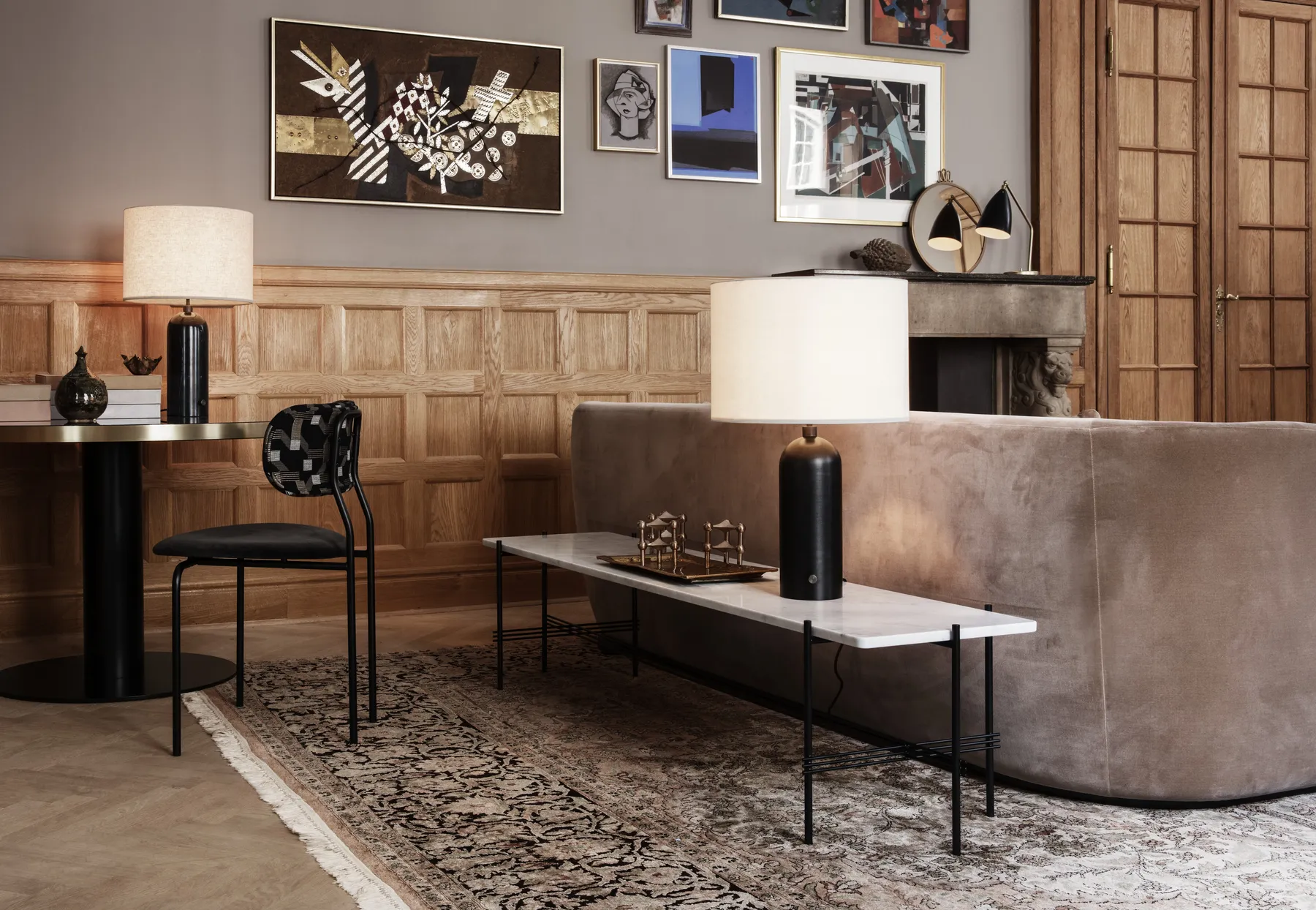
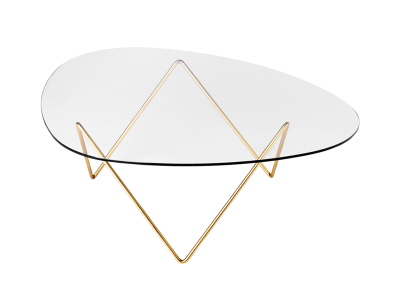
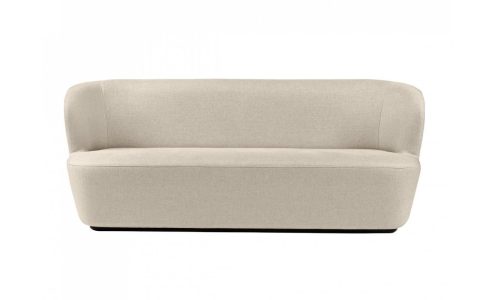
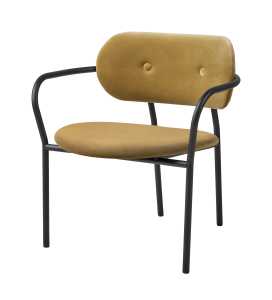
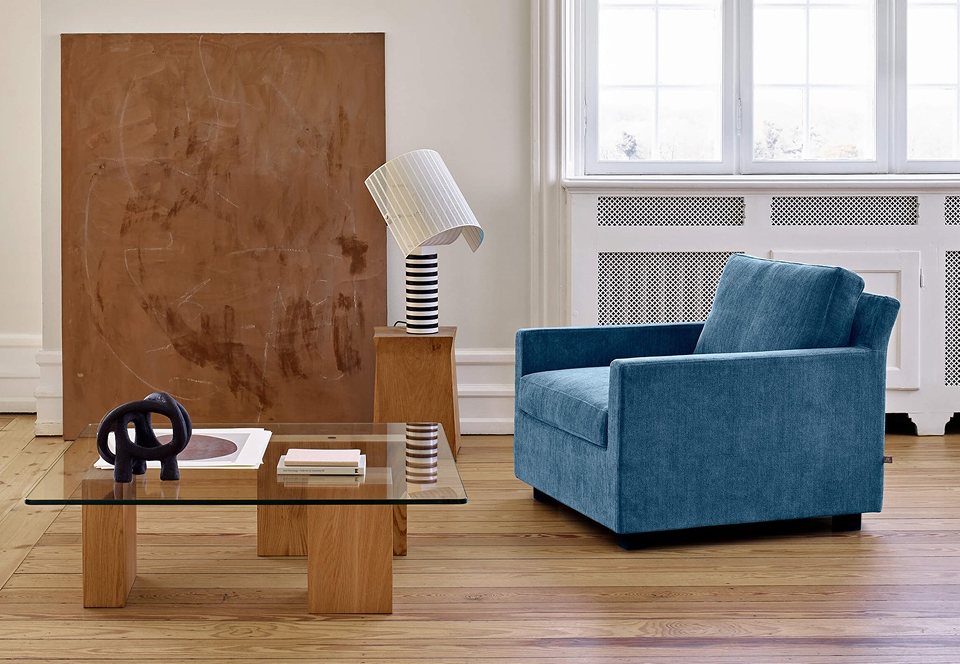
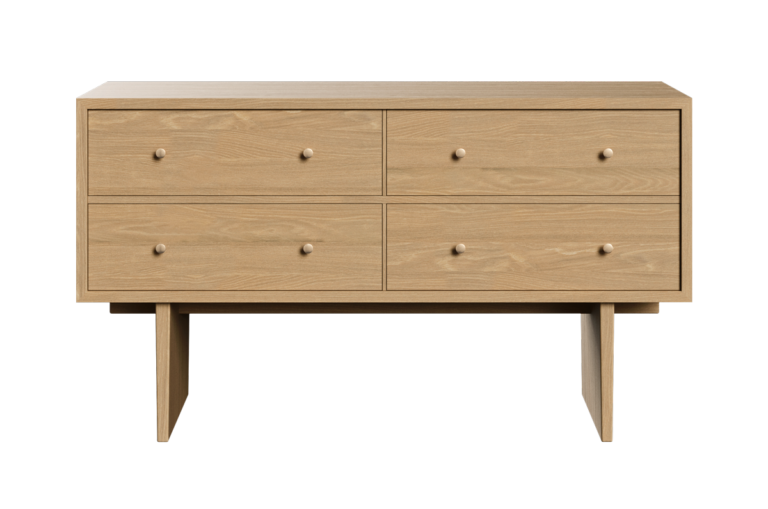
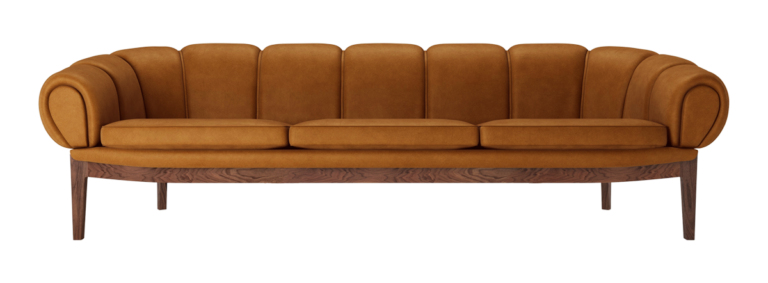
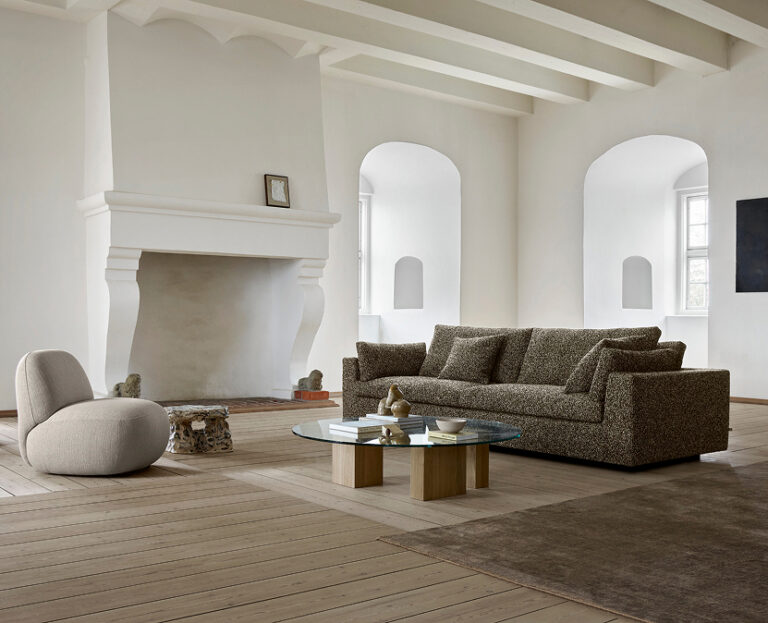

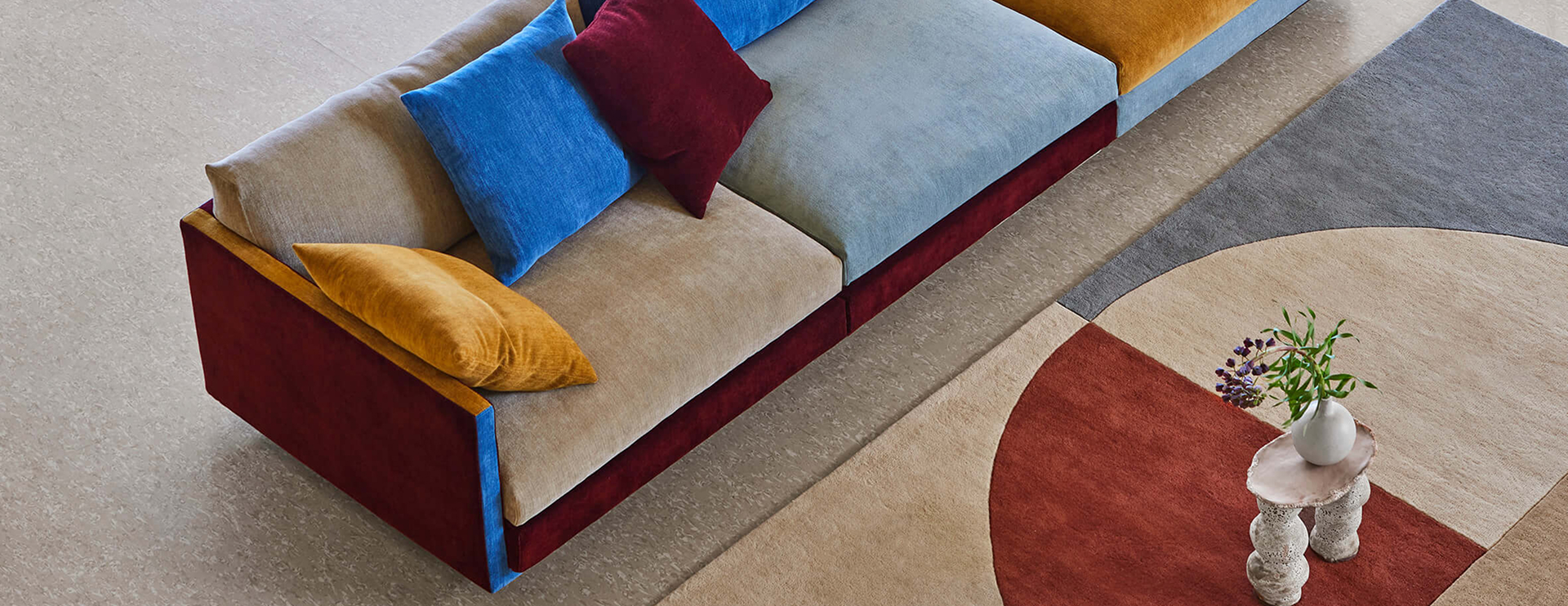
Scandinavian design is usually praised for what it leaves out. Gubi is known for what it puts back in. Where the tradition reaches for restraint,
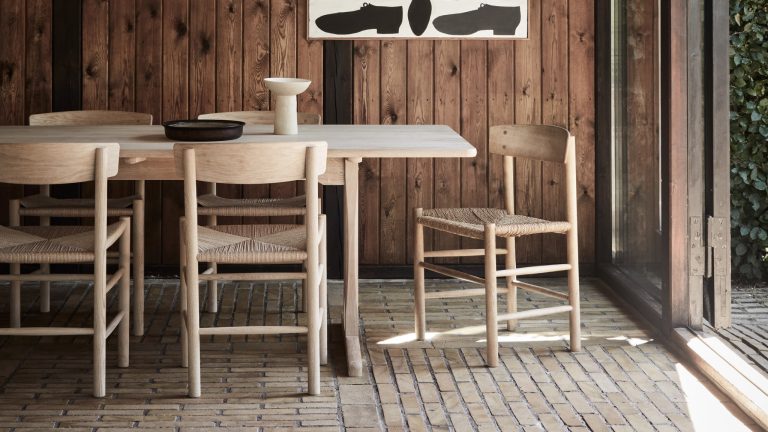
Some furniture houses chase the look of the moment. Fredericia has spent over a century doing the opposite. The Danish house is known for pieces