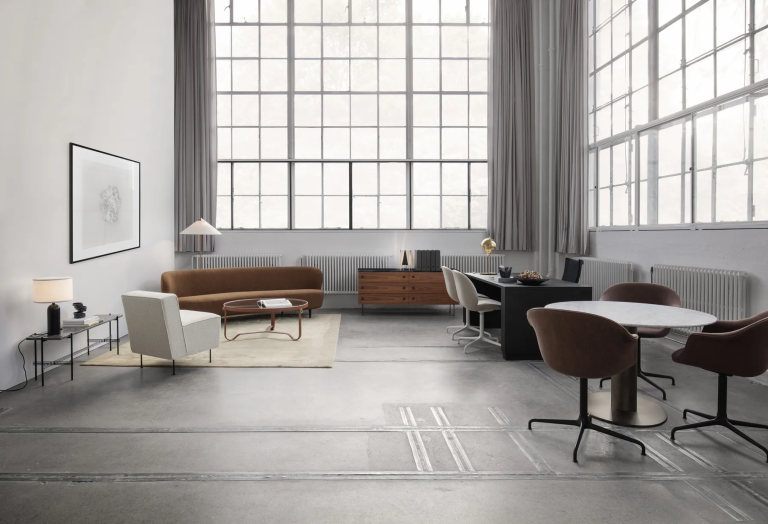
Gubi: Where Scandinavian Heritage Meets Contemporary Glamour
Scandinavian design is usually praised for what it leaves out. Gubi is known for what it puts back in. Where the tradition reaches for restraint,

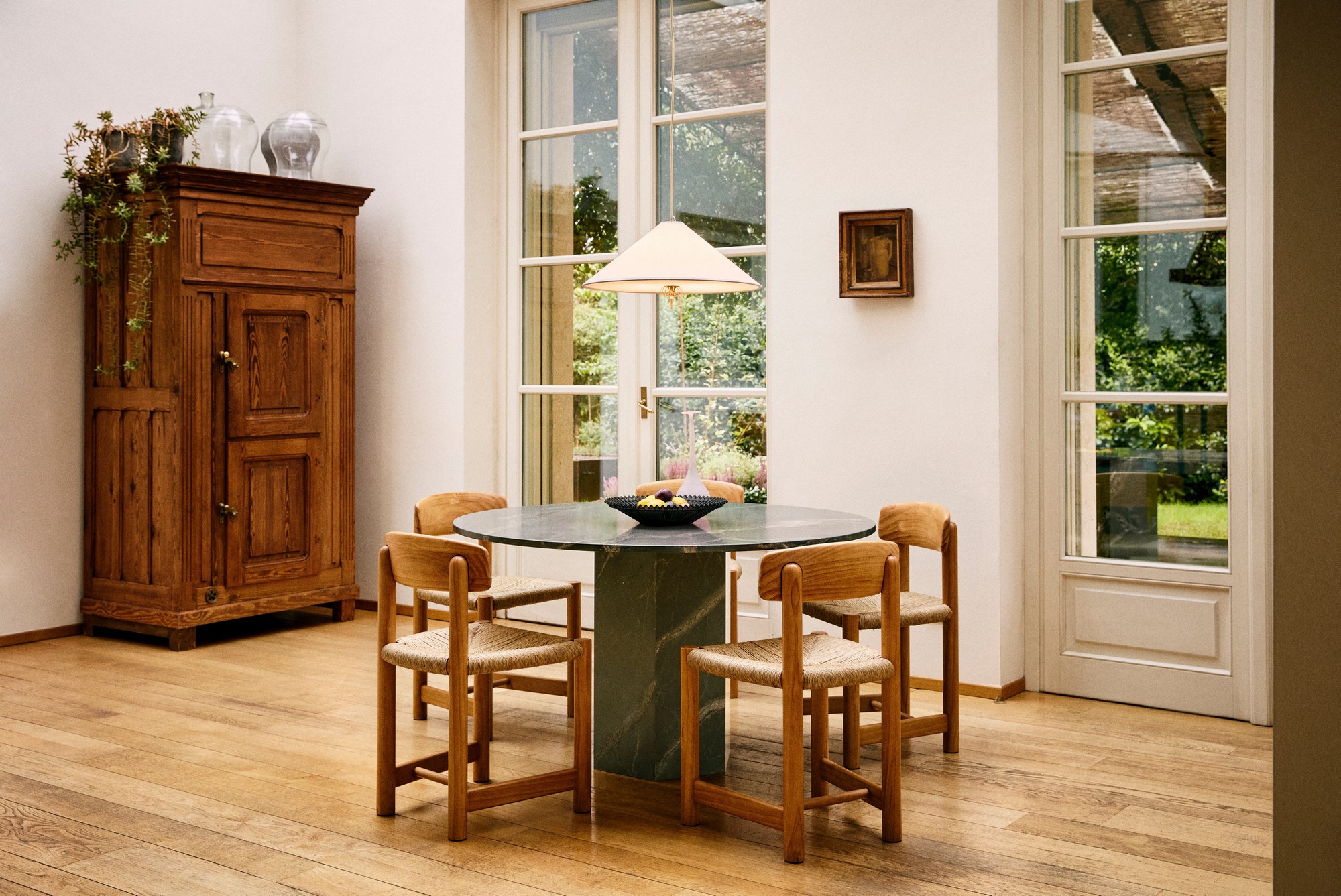
A dining table in a family home faces demands that a dining table in a couple’s apartment does not. It must withstand daily use by children — spills, impact, and the general physicality of family mealtimes. It must be large enough for the household’s daily configuration and flexible enough for the larger gatherings that mark every Singapore family’s calendar. It must be easy to clean without requiring specialist products or careful handling. And it must look right in a room that it shares with other considered furniture, often for fifteen or twenty years.
These requirements point toward a specific set of decisions: material that is durable but not clinical, a size that suits the everyday household rather than the maximum guest count, a shape that allows easy movement around it when it is fully occupied, and a construction quality that holds up under the kind of daily contact that reveals the limitations of cheaper tables within two to three years of purchase.
Material: The Most Important Decision
The material a family dining table is made from determines more about its long-term performance than any other single decision. The key options available at Danish Design Co, and how each performs in a family context:
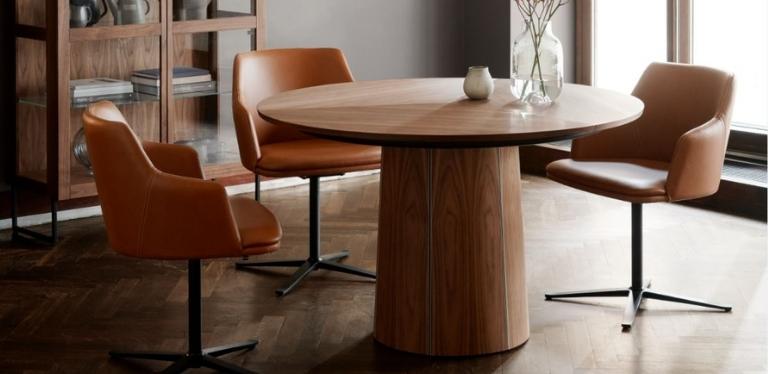
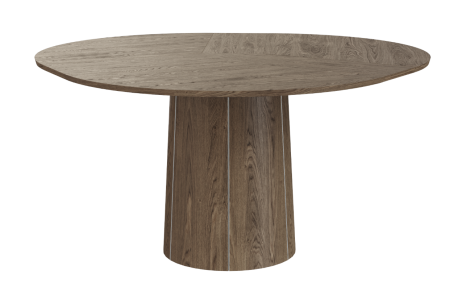
Solid walnut is the premium choice for family dining tables. It is warm in tone, distinctive in grain, and hard enough to resist the surface damage that softer materials accumulate quickly under daily use. Solid walnut develops a patina over time that makes the table look better with age rather than showing its years. Minor surface marks — the inevitable result of family life — can be sanded and refinished without replacing the top. A solid walnut dining table from a quality manufacturer will outlast the childhood years it serves through and remain the defining piece of a dining room long after the children have left home.
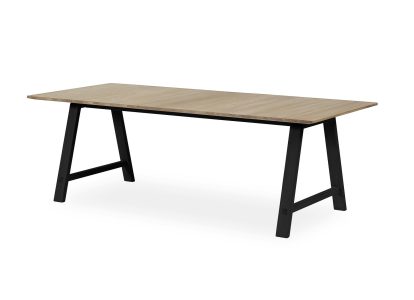
Solid oak is a strong alternative to walnut for family use. It is slightly lighter in tone, with a more open grain that suits a wider range of interior palettes. Oak is exceptionally hard and resistant to everyday wear. Like walnut, it can be refinished if surface damage accumulates, and it ages with the same grace as any quality natural timber.
White laminate on a solid timber base is a practical choice for families with young children. The laminate surface is highly resistant to heat, moisture, and staining — the three primary hazards of family mealtimes. It wipes clean without specialist products and does not show water rings, food stains, or heat marks that would be visible on a natural timber surface. The quality differential between a laminate top on a solid timber base and a laminate top on MDF legs is significant — the former reads as a considered design decision, the latter deteriorates quickly and reveals its economy within a few years.
Size and Shape for Singapore Family Dining Rooms
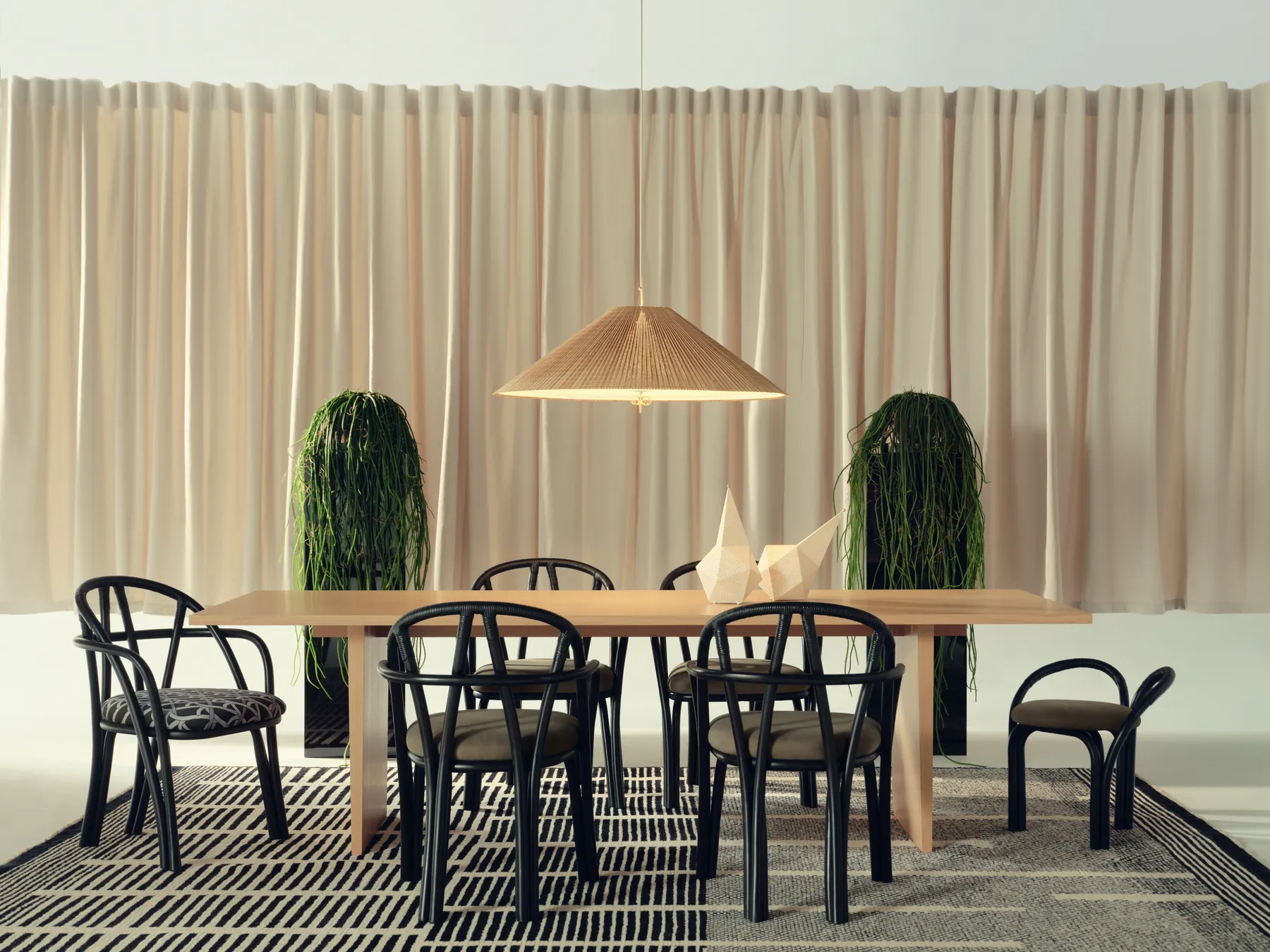
Size is the most practically consequential decision in choosing a family dining table, and in Singapore it requires working with the room’s dimensions rather than simply choosing the largest table that sounds useful. The general sizing guidelines for Singapore family dining rooms are:
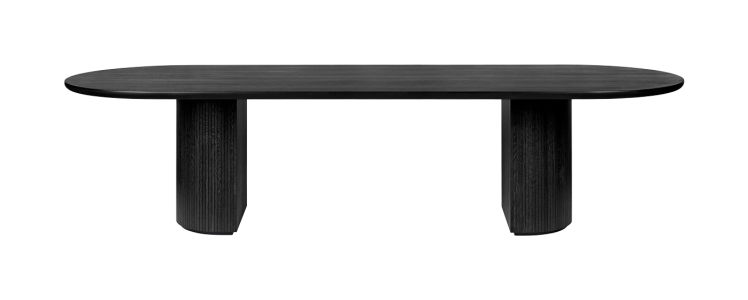
Shape matters for family use specifically because it determines how easy it is to move around a fully occupied table. Round and oval tables have no corners, which means seating is more flexible and the table is easier to navigate when fully occupied with children in high chairs or booster seats. Rectangular tables suit most Singapore dining rooms and seat the most people for a given footprint. Oval tables combine the flexibility of a round table with the capacity of a rectangular one and work particularly well in open-plan spaces where the table is visible from multiple angles.
The Extending Table: The Right Answer for Most Singapore Families
For most Singapore families who entertain with any regularity, the extending dining table is the single most practical furniture decision in the dining room. A fixed table is sized for one scenario — either the daily household, or the maximum guest count, but rarely both. An extending table at 160cm seats the daily household comfortably and extends to 200 or 240cm for larger occasions, without requiring a table that dominates the room on the other 360 days of the year.
The quality of the extension mechanism is what separates a genuinely good extending table from a frustrating one. The best mechanisms — used by Skovby and Naver Collection at Danish Design Co — extend smoothly with one person, leave no visible join in the table surface when extended, and do not change the leg configuration or visual profile of the table. An extension that requires two people, creates a visible step between the surfaces, or requires storing a loose leaf somewhere in the apartment is a mechanism that will be used reluctantly and avoided when it should be used. Specify the extension mechanism as carefully as you specify the material and size.
Dining Chairs for Family Use
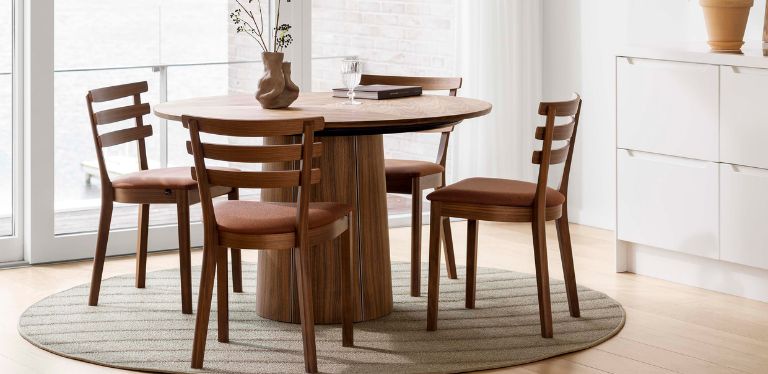
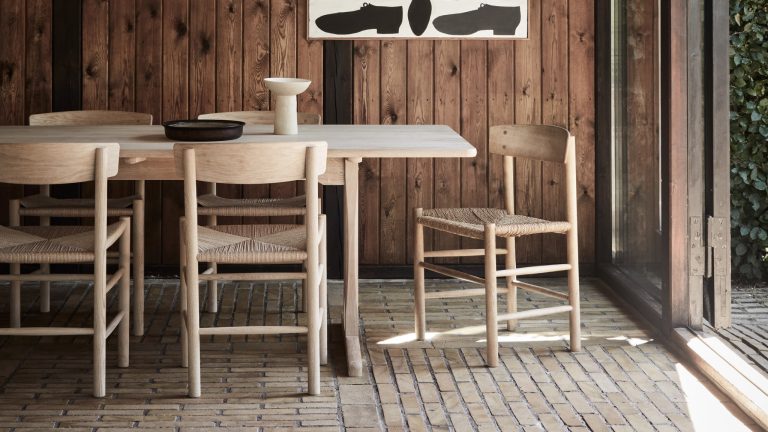
A family dining table is only as good as the chairs around it, and chairs in a family home face specific demands beyond comfort. They must be durable enough to withstand daily use by children, easy to clean after mealtimes, and light enough for children to move independently. The best Scandinavian dining chairs — the Carl Hansen & Son CH20 Elbow Chair, the Fredericia Trinidad Chair — are designed for exactly this kind of sustained daily use. They are comfortable over hours, made to a standard that keeps them looking well after a decade of family use, and available in finishes that clean easily without specialist products.
For families with young children, stackable chairs that can be stored when not needed for larger gatherings are worth considering. A bench on one side of a rectangular table is another practical family solution — it accommodates more children in less linear space than individual chairs and removes the problem of chairs being pulled away from the table and left at angles across the room.
Why Construction Quality Matters More for Families
A dining table in daily family use experiences significantly more stress than one used for occasional dinners. Joints are loaded and unloaded repeatedly. The surface is exposed to heat, moisture, and impact every day. Children lean, push, and occasionally stand on chairs and the table itself. These are not exceptional events — they are the normal conditions of family life, and a table built to minimum specifications will reveal its limitations within two to three years of this kind of use.
The tables at Danish Design Co are built to a standard that accommodates family life without showing it. Solid timber construction with quality joinery — mortise and tenon or dowel, not pocket screws into MDF — holds up under repeated loading without loosening. Surface finishes are applied to a depth that resists everyday marking without requiring constant maintenance. The construction quality that is not visible in a showroom photograph is precisely the quality that determines whether a table looks right in ten years or needs replacing.
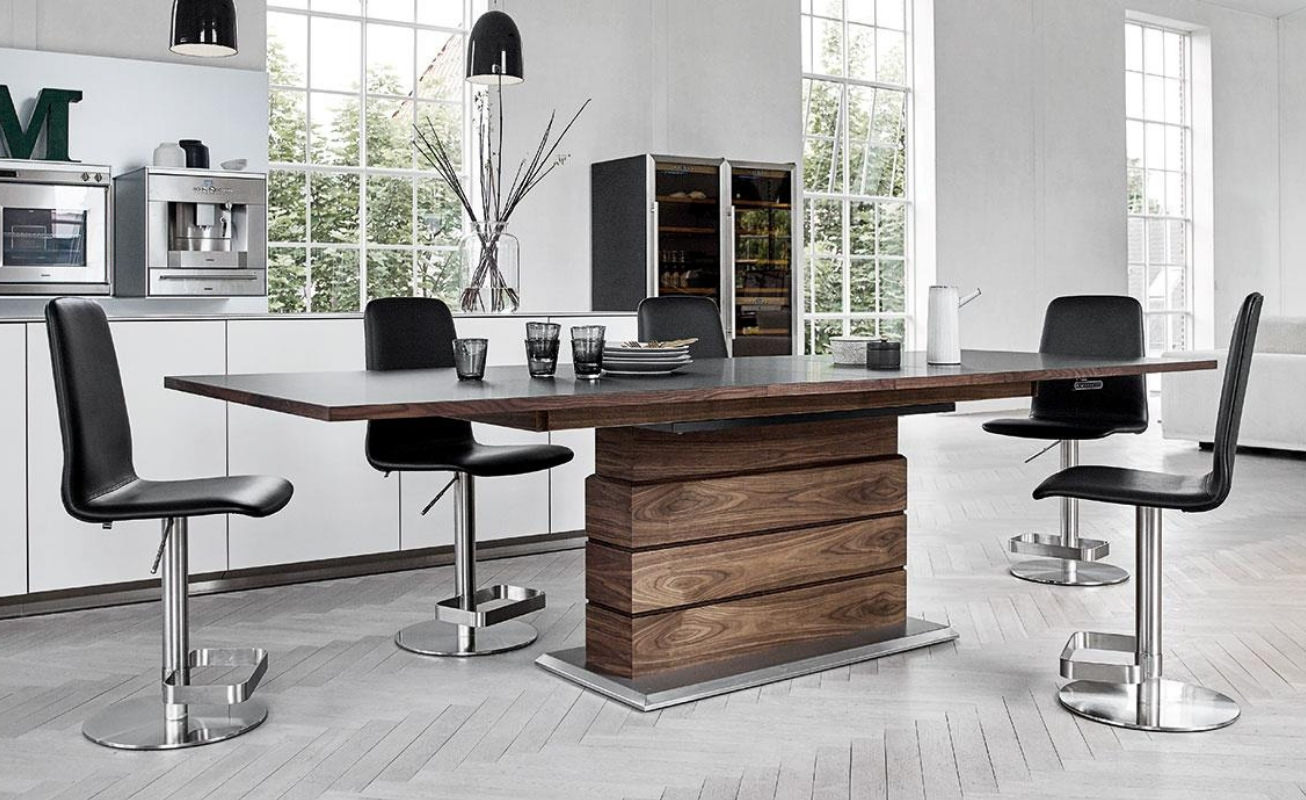
The Dining Table Range at Danish Design Co
Danish Design Co carries dining tables from Fredericia, Skovby, and Naver Collection — all built in Scandinavia to manufacturing standards that have no equivalent at volume price points in Singapore’s furniture market. Fixed and extending configurations are available in solid walnut, solid oak, and white laminate on timber bases. Multiple dining configurations are on display at our showroom at 100E Pasir Panjang Road, where you can assess the extension mechanism in person, compare material finishes side by side, and bring your floor plan for our team to advise on the right size and configuration for your dining room.

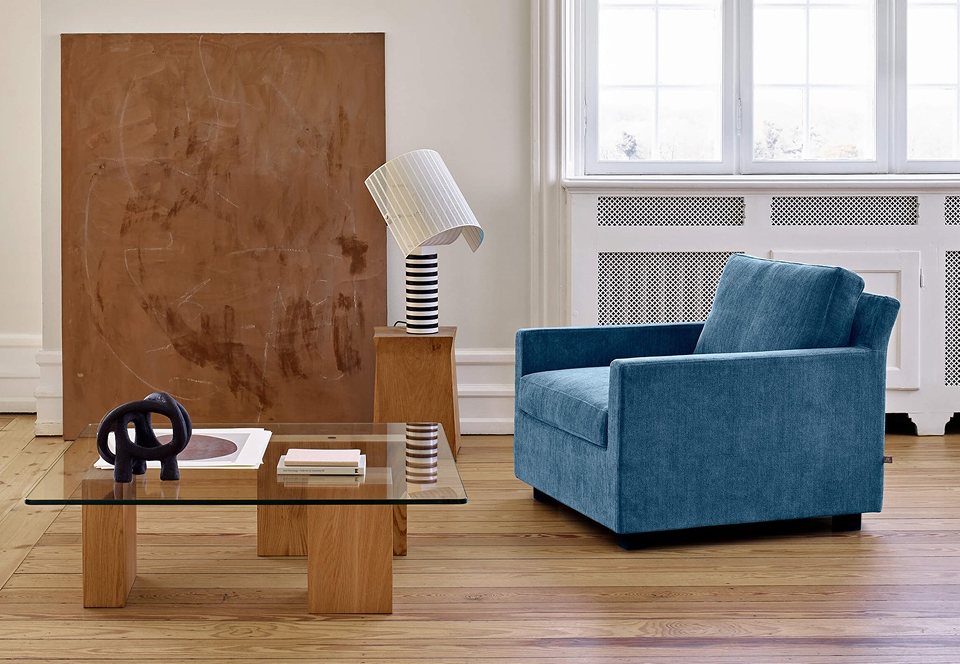
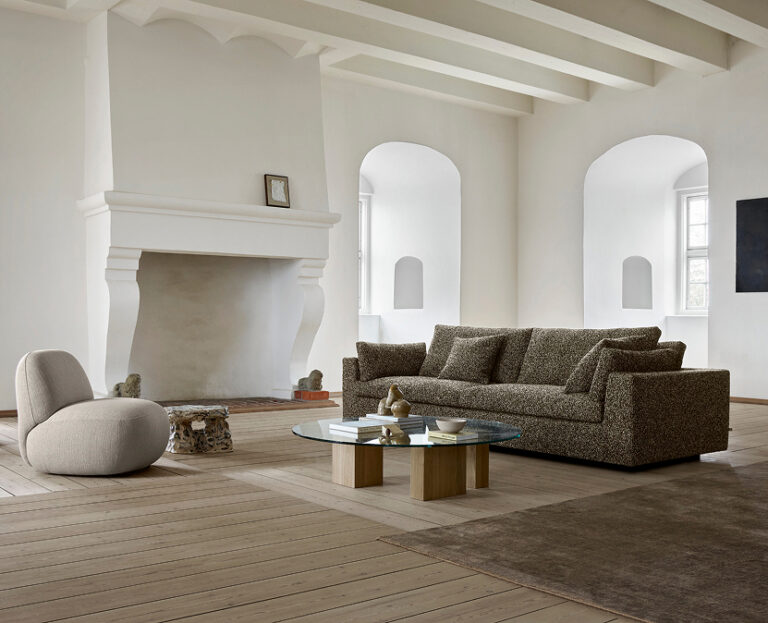

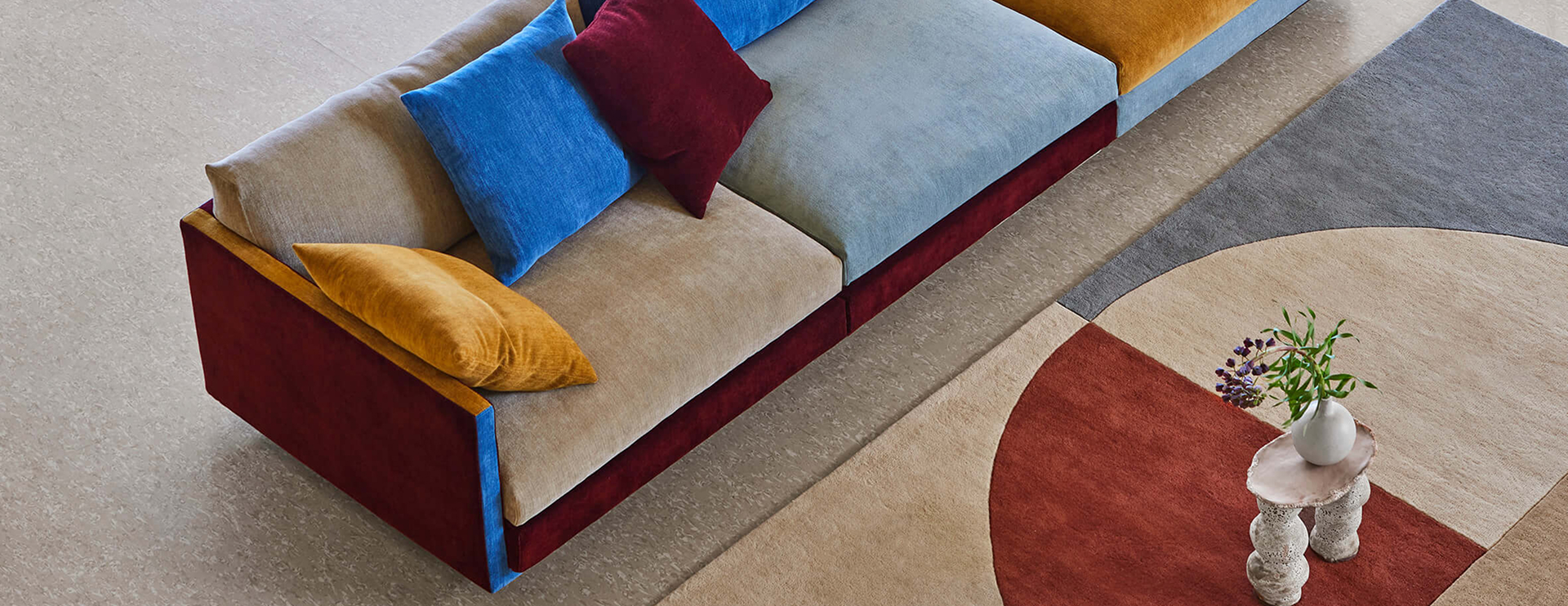
Scandinavian design is usually praised for what it leaves out. Gubi is known for what it puts back in. Where the tradition reaches for restraint,
Some furniture houses chase the look of the moment. Fredericia has spent over a century doing the opposite. The Danish house is known for pieces