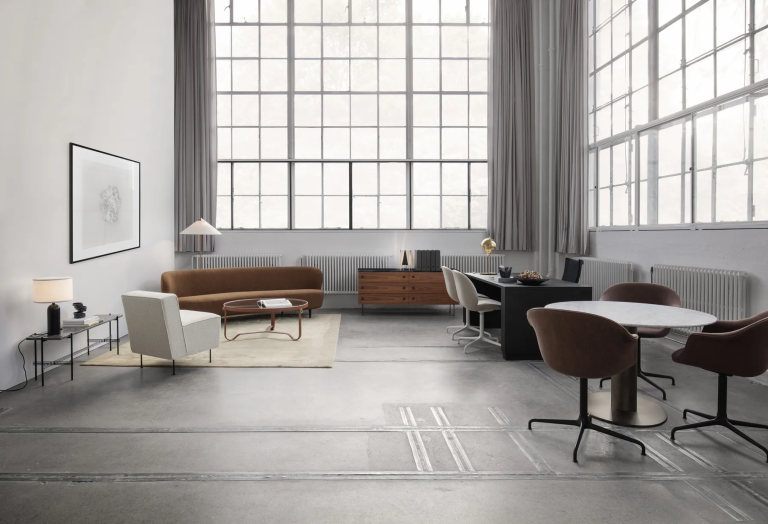
Gubi: Where Scandinavian Heritage Meets Contemporary Glamour
Scandinavian design is usually praised for what it leaves out. Gubi is known for what it puts back in. Where the tradition reaches for restraint,

Fast furniture is the dominant model of the Singapore furniture market. It is furniture designed to a price point, manufactured to minimum specifications, and sold on the strength of how it looks in a photograph rather than how it performs over time. It fills a room quickly and at a cost that feels manageable. The problem is that fast furniture does not stay manageable. A sofa purchased for three thousand dollars and replaced every five to seven years costs more over twenty years than a Fredericia or Eilersen sofa purchased once and maintained. The maths is straightforward. The emotional cost of living with furniture that deteriorates rather than improves is harder to quantify but no less real.
Fast furniture also generates waste at a scale that conscious collectors are increasingly unwilling to accept. Singapore disposes of significant volumes of furniture annually. Much of it is less than a decade old. The environmental cost of manufacturing, shipping, and disposing of furniture on a five to seven year cycle is not visible at the point of purchase. It is visible in aggregate, and the most considered Singapore homeowners are factoring it into their decisions.
The term heirloom quality is used loosely in furniture marketing. It deserves a precise definition. A piece of furniture earns the heirloom description when it meets all of the following:
It is constructed from materials that improve with age rather than deteriorating under use. Full-grain leather develops a patina. Solid walnut deepens in tone. Solid oak hardens over decades of use. None of these qualities are available in synthetic materials or veneered composite board.
It is built by hand, in a facility where skilled craftspeople control the quality of every component rather than an automated line producing to a minimum acceptable standard. The difference is not visible in a product photograph. It is visible in the joinery, the upholstery tension, and the way the piece feels when you sit in it or open a drawer.
Construction from solid, traceable natural materials with no synthetic substitutes at structural points. Hand upholstery applied by craftspeople with the skill to control tension, depth, and finish at every seam. Joinery using mortise-and-tenon or dowel construction rather than pocket screws into MDF. A design rooted in a specific cultural and manufacturing tradition rather than trend-driven styling. Production in a facility owned by the brand, where quality control is internal rather than outsourced. A repairability philosophy that assumes the piece will outlast its first upholstery by decades. Independent certification of materials and finishes confirming the absence of harmful substances.
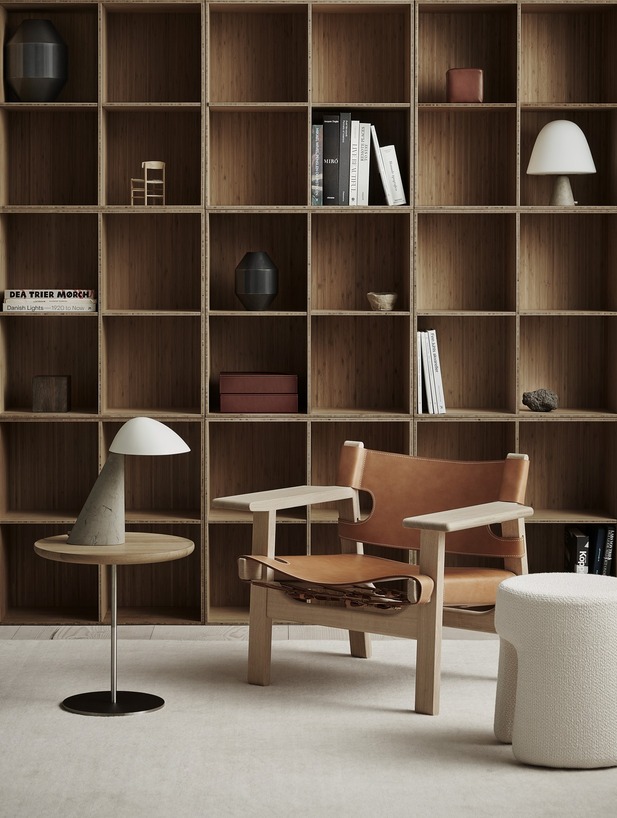
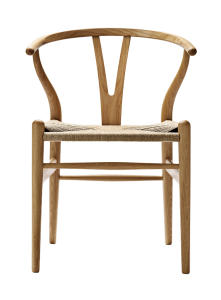
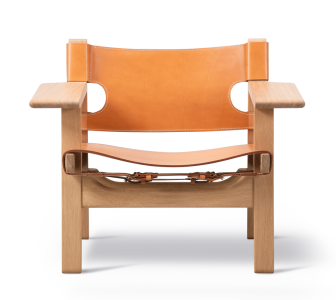
It is designed with a long view. The pieces that become heirlooms are almost never designed for a trend. They are designed for a function, executed with complete integrity, and left unchanged because changing them would mean making them worse. The Fredericia Spanish Chair has been in continuous production since 1958. The Carl Hansen and Son Wishbone Chair since 1950. These pieces are not classics because they were marketed as such. They are classics because the design was correct.
The brand behind a piece of furniture is not a marketing consideration. It is a quality signal. A family-owned Danish manufacturer producing in its own facility for over a century operates on entirely different incentives from a volume furniture brand sourcing from third-party factories. The family name on the door is the quality control. The century of production is the track record. The fact that the piece is still in production in the same form, using the same materials, is the evidence.
Fredericia was established in 1911. Carl Hansen and Son in 1908. Eilersen in 1895. These are not historical footnotes. They are the context within which every piece those brands produce is made. The craftspeople who upholster an Eilersen sofa in Denmark today are working within a tradition of material knowledge and production discipline that has been refined over more than a century. That tradition is what you are buying when you invest in a piece from a brand with genuine heritage.
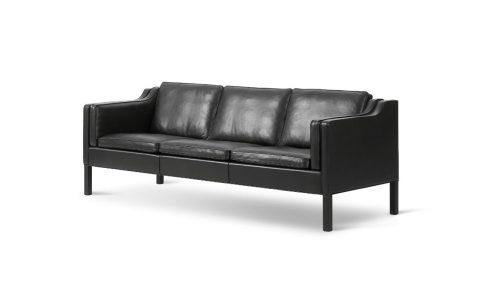
The financial argument for heirloom furniture is more compelling than most Singapore homeowners initially expect. Consider the comparison directly. A mid-market sofa purchased for four thousand dollars and replaced every six years costs over twenty thousand dollars across thirty years, with three replacement purchases, three delivery charges, and three disposal exercises. A Fredericia or Eilersen sofa purchased once for twelve thousand dollars, reupholstered once at year fifteen for two thousand dollars, costs fourteen thousand dollars across the same thirty years. It also looks better in year twenty-eight than the mid-market alternative looked in year three.
This calculation applies across every category of heirloom furniture. A dining table. A lounge chair. A sideboard. The pieces that are built to last cost more at point of purchase and cost significantly less across the lifetime of their use. The conscious collector understands this and makes purchasing decisions accordingly.
Heirloom furniture from established brands holds its value in a way that fast furniture never does. A Fredericia Spanish Chair in good condition has a secondary market value that reflects both its design significance and its material quality. A mid-market sofa of similar age has no secondary market value at all. For Singapore homeowners who think about their furniture as an asset rather than a consumable, this distinction matters. Authentic pieces from brands with genuine heritage appreciate in cultural significance even when they depreciate in financial terms, and the most significant pieces from the most significant designers appreciate in both.
Authenticity is also the reason purchasing from an authorised retailer matters. The secondary market for Scandinavian design includes reproductions of varying quality, and the difference between an authentic Fredericia piece and a reproduction is not always visible to an untrained eye. Danish Design Co is an authorised retailer for every brand we carry, which means every piece purchased through our showroom is genuine, warranted, and supported.
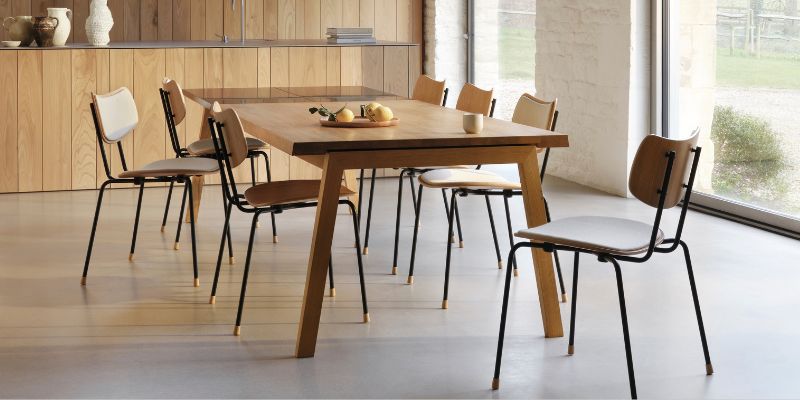
Singapore is a particularly fertile environment for the conscious collector. Singapore homeowners are among the most research-oriented in the region. They make deliberate, informed purchasing decisions. They have access to one of the most considered Scandinavian furniture showrooms in Southeast Asia at Danish Design Co. And they are increasingly attuned to the environmental and financial arguments that make heirloom furniture the most rational long-term choice.
The shift is visible in our showroom conversations at 100E Pasir Panjang Road. More customers are arriving with a long-term plan rather than a room to fill. More customers are asking about repairability, about reupholstery options, and about whether a specific piece will still be in production in fifteen years when they want to add to it. These are the questions of the conscious collector, and they are the questions that lead to the best furniture decisions.
Danish Design Co carries heirloom-quality furniture from Fredericia, Eilersen, Carl Hansen and Son, GUBI, and Naver Collection. Every brand we carry is family-owned or mission-driven, produces in its own facilities, and has been making furniture for decades. Multiple pieces from every brand are on display at our 12,000 square foot showroom at 100E Pasir Panjang Road, where you can assess material quality, construction, and design integrity in person. Our team can advise on which pieces represent the most considered long-term investments for your specific home.

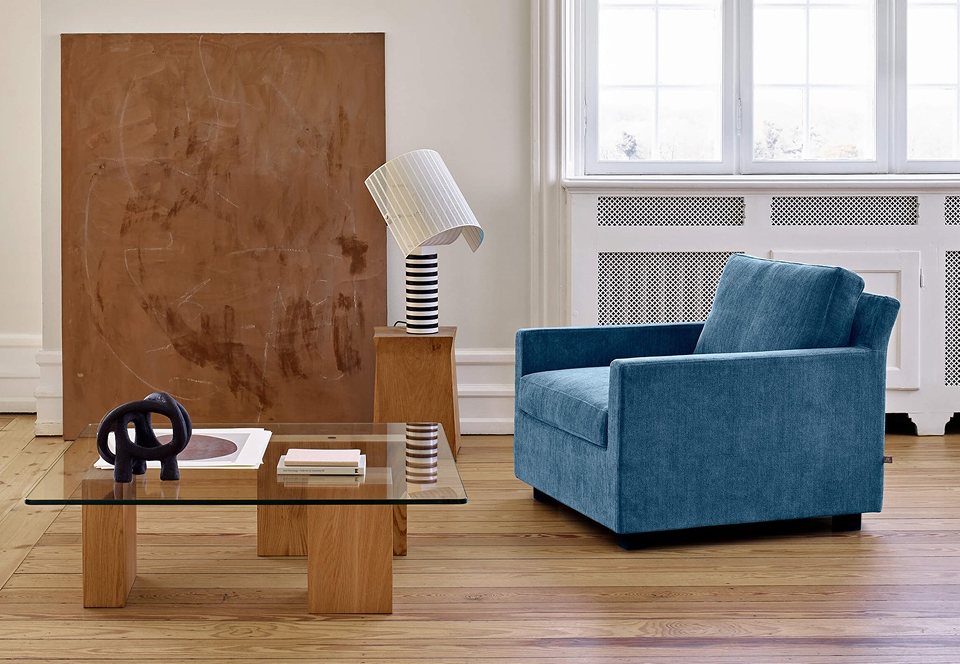
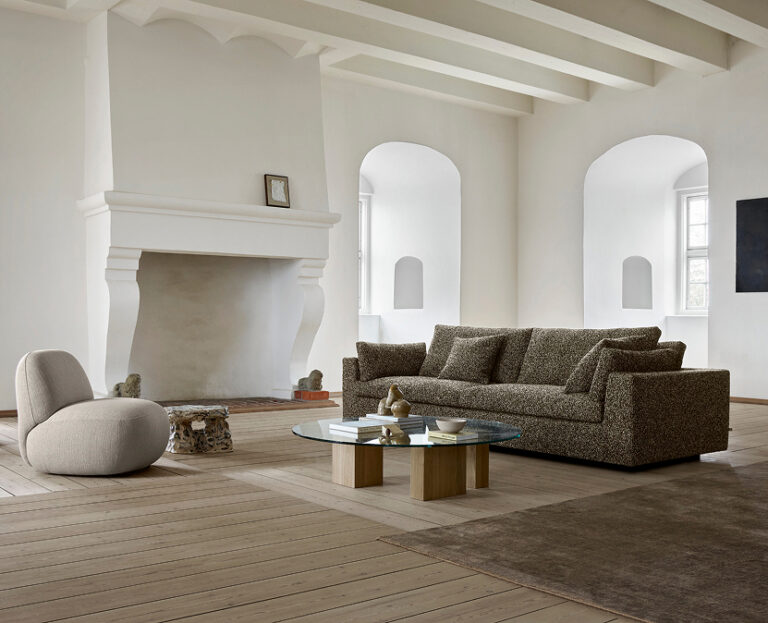

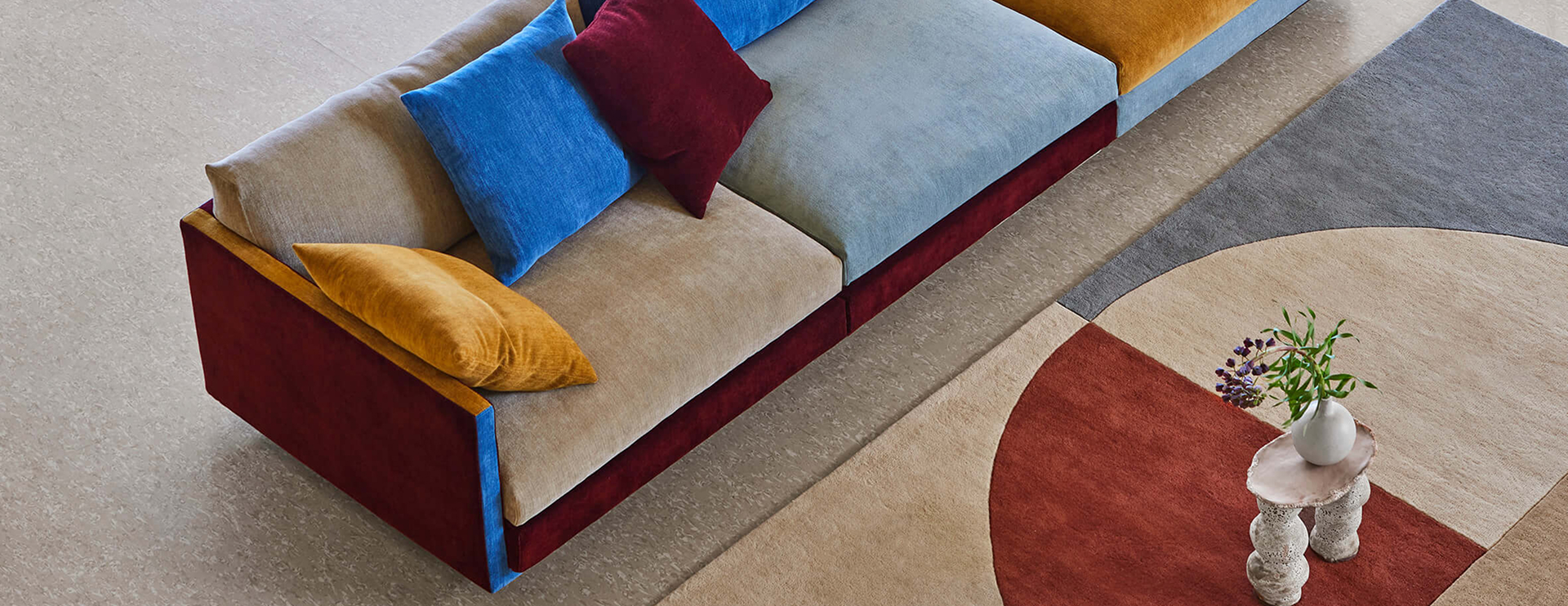
Scandinavian design is usually praised for what it leaves out. Gubi is known for what it puts back in. Where the tradition reaches for restraint,
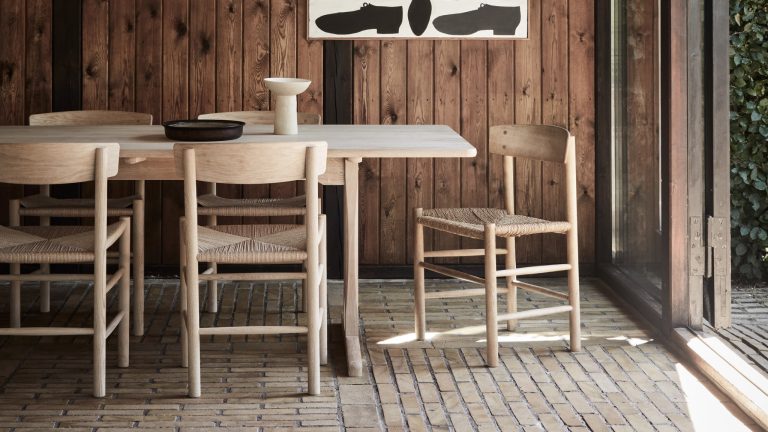
Some furniture houses chase the look of the moment. Fredericia has spent over a century doing the opposite. The Danish house is known for pieces