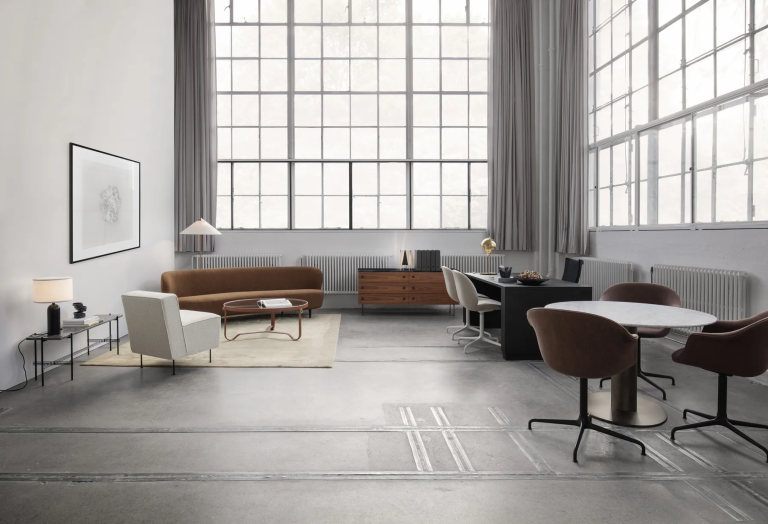
Gubi: Where Scandinavian Heritage Meets Contemporary Glamour
Scandinavian design is usually praised for what it leaves out. Gubi is known for what it puts back in. Where the tradition reaches for restraint,

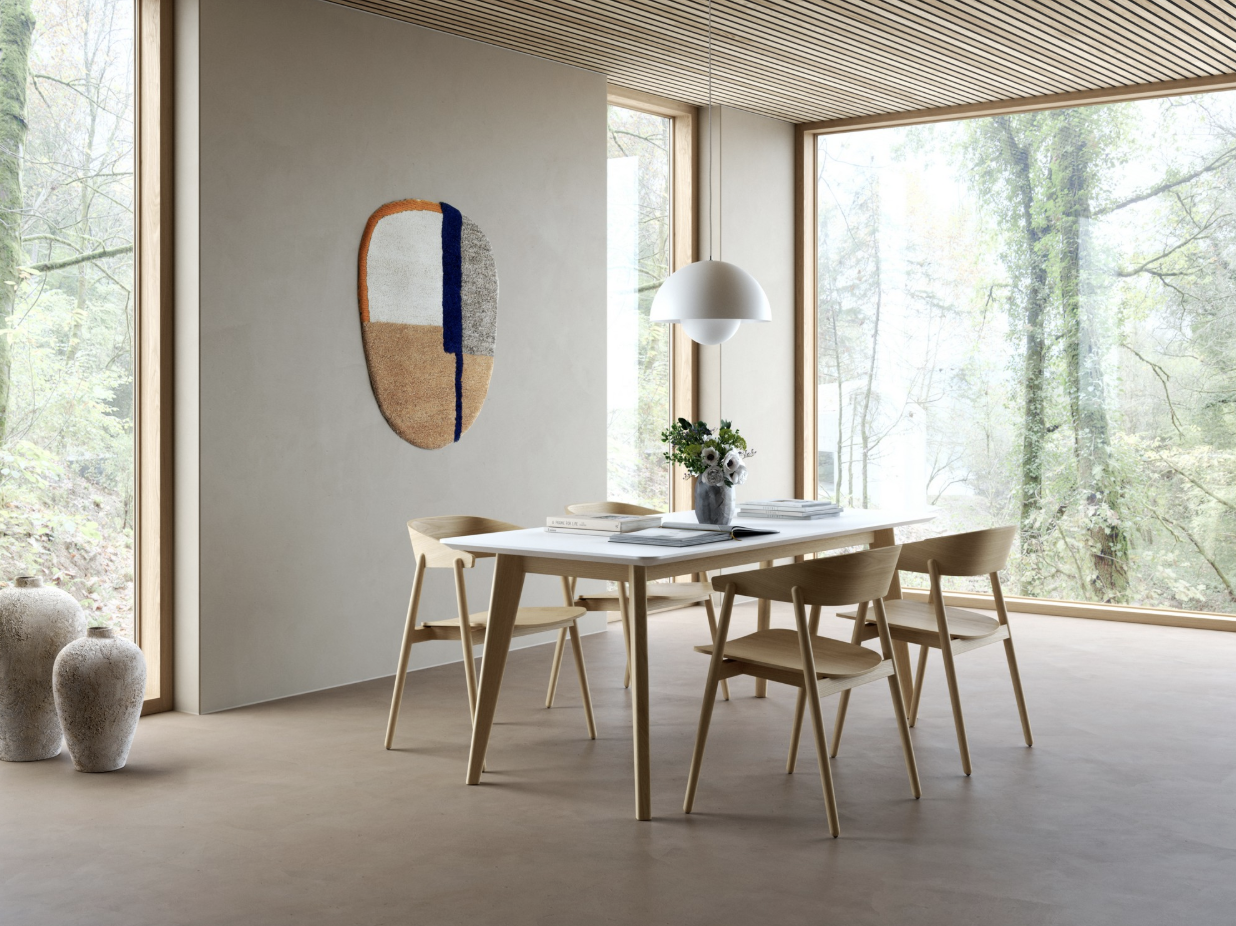
Contemporary design means, precisely, design that is of the current moment. Unlike modernism, which refers to a specific design movement with defined characteristics that emerged in the early to mid twentieth century, contemporary design has no fixed aesthetic. It evolves continuously, reflecting the design sensibility, material palette, and cultural preoccupations of whatever year it occupies. What reads as contemporary in 2026 is different from what read as contemporary in 2016, and it will be different again in 2036.
This distinction matters practically. A contemporary interior is not a recreation of a historical style. It is a response to the present moment, incorporating the materials, forms, and proportions that are most relevant now. In 2026, contemporary interior design in Singapore is characterised by a shift away from the generic cream minimalism of the previous decade toward warmer, more personal palettes, richer natural materials, organic forms, and a greater willingness to introduce colour through furniture rather than purely through accessories.
The terms contemporary and modern are used as synonyms in most Singapore furniture retail contexts. However, they are not synonyms. Modern, in design terms, refers to the modernist movement of the early to mid twentieth century, characterised by the rejection of ornament, the celebration of industrial materials, and the belief that form should follow function. Modernism is a fixed historical period with defined aesthetic parameters.
Contemporary design borrows from modernism, as it borrows from every design tradition that has produced relevant ideas, but it is not constrained by it. A contemporary Singapore interior in 2026 might incorporate mid-century modern lounge chairs, Scandinavian dining furniture, organic curved forms that would have been alien to the strict modernist vocabulary, and a warm earthy palette that the cool, machine-aesthetic modernists would not have recognised. Contemporary design is eclectic in its sources and disciplined in its curation. It takes what is most relevant from every tradition and assembles it into a coherent response to the current moment.
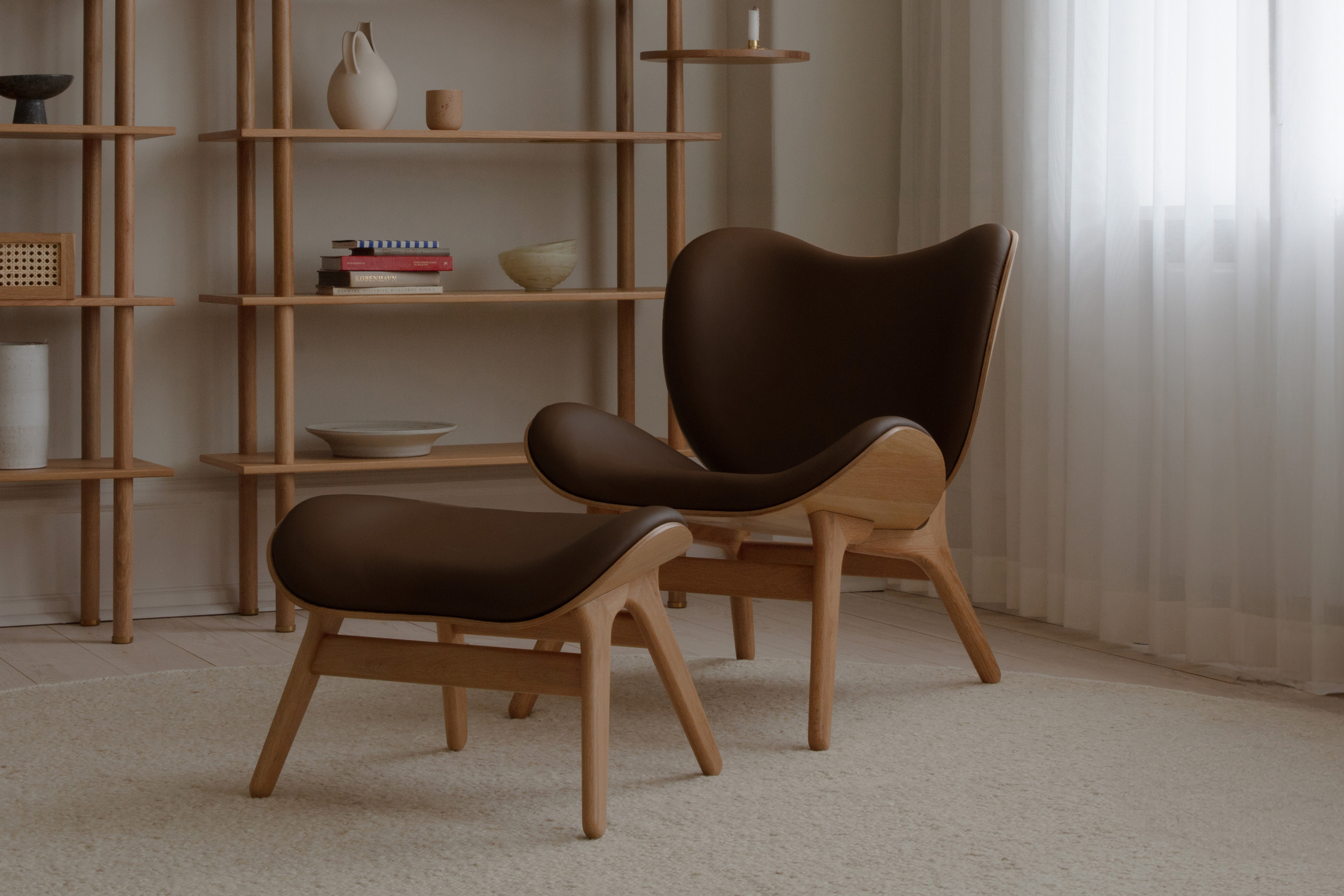
The contemporary palette for Singapore interiors in 2026 is in active transition from the cool, pale neutrals of the previous decade toward warmer, more material tones. The specific palette characteristics of contemporary Singapore interiors in 2026 are:
Warm off-white and warm grey as the primary wall tone, replacing the stark white that defined the minimalist decade. The shift is subtle in photographs and significant in person, where warm white walls create an entirely different atmosphere from cool white ones. Natural material tones as the secondary palette layer: solid walnut in warm brown, solid oak in honey and amber, travertine in ivory and cream, and leather in cognac and tan. These material tones carry more visual weight than the pale timber finishes that characterised the previous decade. Earthy accent colours appearing in upholstery and soft furnishings: terracotta, dusty sage, slate blue, warm rust, and forest green are the tones most frequently appearing in Singapore’s most considered contemporary interiors. Matte and natural surface finishes replacing the high-gloss lacquer and polished stone that were prevalent in the previous decade. The contemporary 2026 preference is for surfaces that reveal their material character rather than concealing it behind a reflective finish.
Contemporary design in 2026 is navigating a productive tension between the clean lines that have characterised good design across every era and the organic, curved forms that have emerged as the most significant new direction in the current moment. These two impulses are not in opposition. The most considered contemporary Singapore interiors of 2026 hold both simultaneously, with rectilinear storage pieces and dining furniture anchoring the room while curved sofas, organic lounge chairs, and rounded coffee tables introduce the sense of ease and warmth that pure rectilinear composition cannot achieve alone.
The practical implication for a Singapore home is a deliberate compositional choice at the point of furnishing. The sofa or lounge chair is the most appropriate piece for introducing organic form, as the body-conforming curves of a GUBI Pacha Chair or a curved Eilersen sofa section create immediate visual and physical warmth. The dining table, sideboard, and shelving provide the rectilinear discipline that keeps the composition coherent rather than decoratively overworked. The rug and lighting mediate between the two registers, with a round or oval rug softening the floor plane and a sculptural pendant or floor lamp adding a vertical organic element.
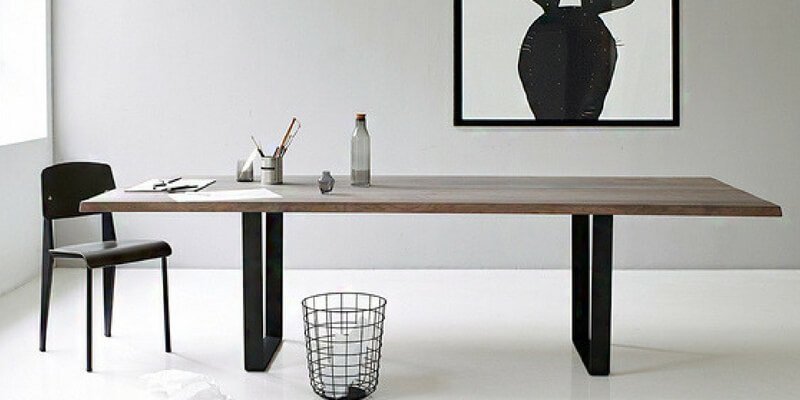
The material palette of contemporary Singapore interiors in 2026 reflects a broader shift toward natural, honest materials that carry genuine character rather than engineered surfaces that replicate the appearance of quality. The key material directions in contemporary Singapore design are solid timber in walnut and oak rather than veneer or laminate, natural stone including travertine and honed marble rather than polished engineered stone, full-grain and aniline leather rather than synthetic or bonded leather alternatives, bouclé and high-quality woven performance fabric rather than cheap upholstery textiles that pill and lose their character within two to three years of daily use, and matte powder-coated metal in black, brass, and warm bronze rather than polished chrome or bright steel.
Each of these material directions favours pieces that improve with age over pieces that merely look acceptable when new. The contemporary Singapore interior of 2026 is defined as much by the quality of its materials as by its aesthetic composition, and the two cannot be separated in the most genuinely considered examples of the style.
Contemporary design adapts well to the specific spatial conditions of Singapore homes because it is not prescriptive about proportion or scale. It can be applied in a Singapore condominium apartment of 80 square metres as effectively as in a landed property of 400 square metres, provided the proportions of the furniture are matched to the room and the palette is restrained enough to maintain coherence across the available space.
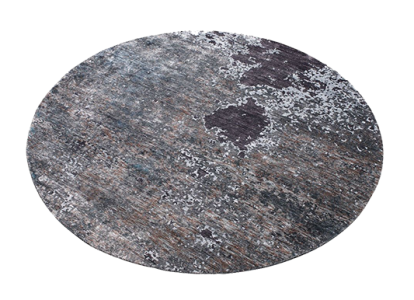
The most effective approach to applying contemporary design in a Singapore home begins with the wall palette. Warm off-white throughout, with no feature walls in contrasting colours, creates the most versatile backdrop for the furniture and material tones that define the contemporary aesthetic. Introduce the primary material tone through the largest furniture piece in each room. A solid walnut dining table, a cognac leather sofa, or a travertine coffee table establishes the material register from which everything else in the room follows. Introduce organic form through the seating. A curved lounge chair or a sofa with a gentle arc brings the warmth and human quality that a purely rectilinear arrangement cannot achieve. Layer texture through soft furnishings. A Massimo Copenhagen rug, linen cushions, and a wool throw introduce textural depth without adding visual complexity. Resolve the lighting in three layers. Ambient, task, and accent lighting working together produce the atmospheric quality that distinguishes a genuinely considered contemporary interior from a well-furnished but flatly lit room.
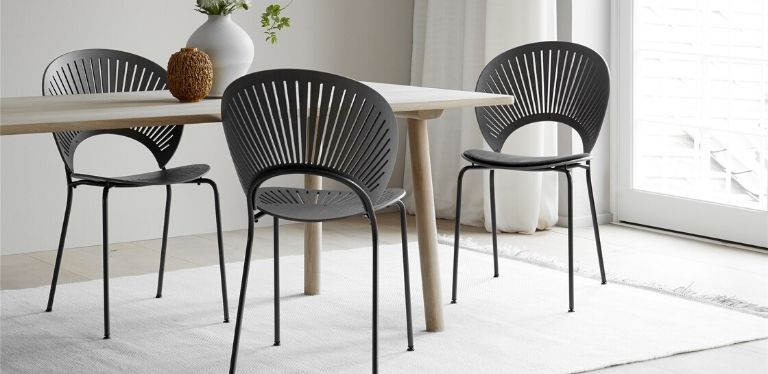
Danish Design Co carries the furniture brands most relevant to the contemporary Singapore interior of 2026. GUBI for organic lounge chairs, considered lighting, and statement pieces. Eilersen for modular sofas in high-quality fabric and leather. Fredericia for lounge chairs and sofas with genuine craft credentials and enduring design logic. Naver Collection for sideboards, dining tables, and storage in solid American black walnut. Carl Hansen and Son for dining chairs and tables that combine Scandinavian design heritage with contemporary material quality. Massimo Copenhagen for rugs in natural fibres across the muted, earthy tones that define the contemporary 2026 palette. Multiple pieces from every brand are on display at our showroom at 100E Pasir Panjang Road, where you can assess material quality, proportions, and how specific pieces work together in a real room setting.

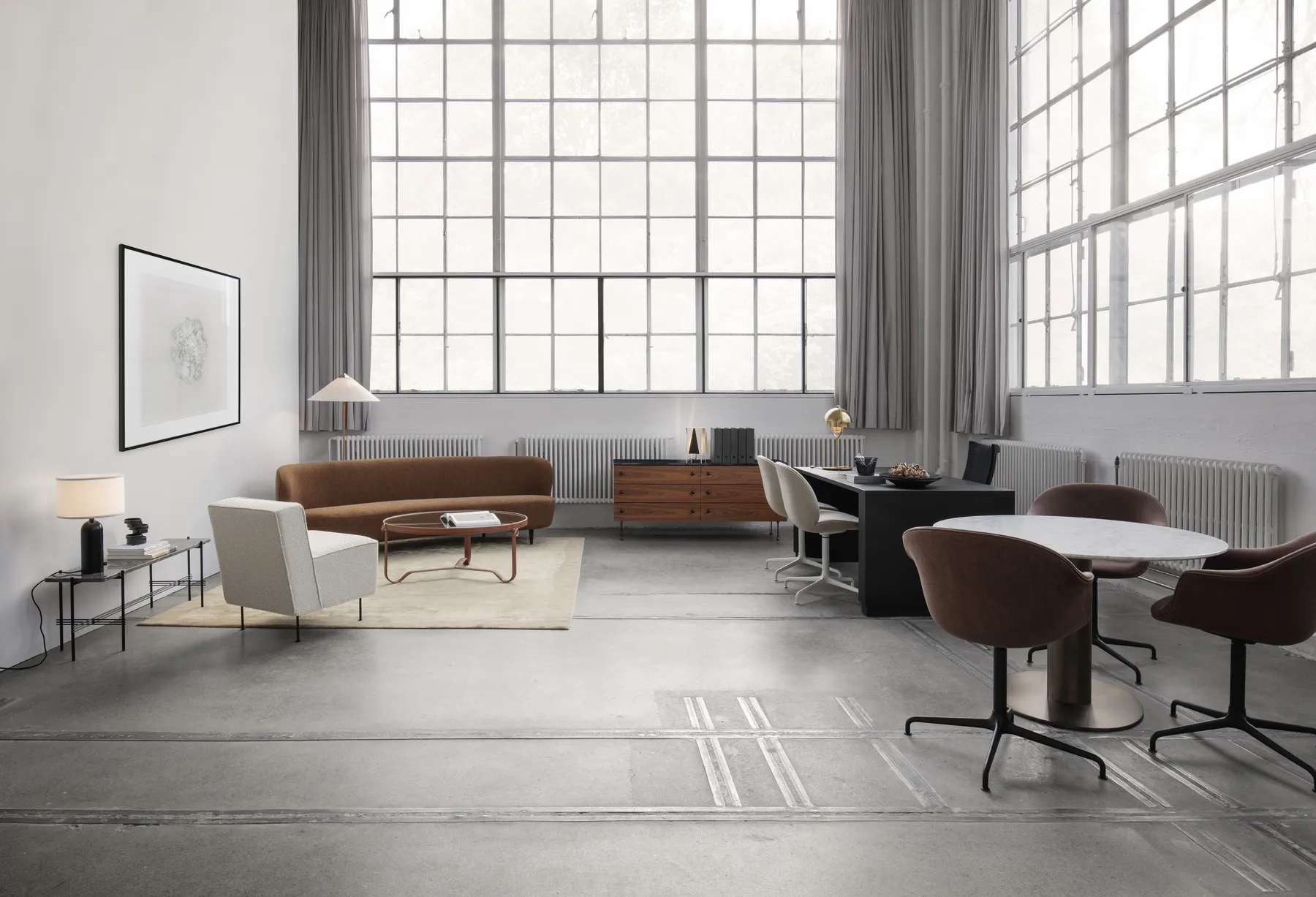
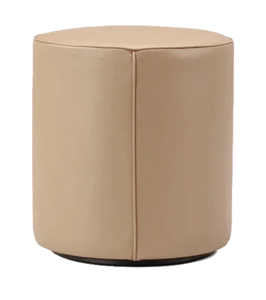
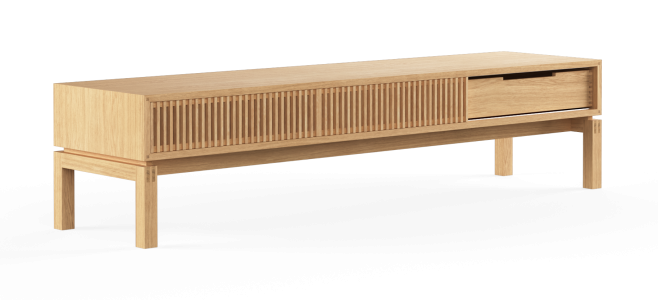
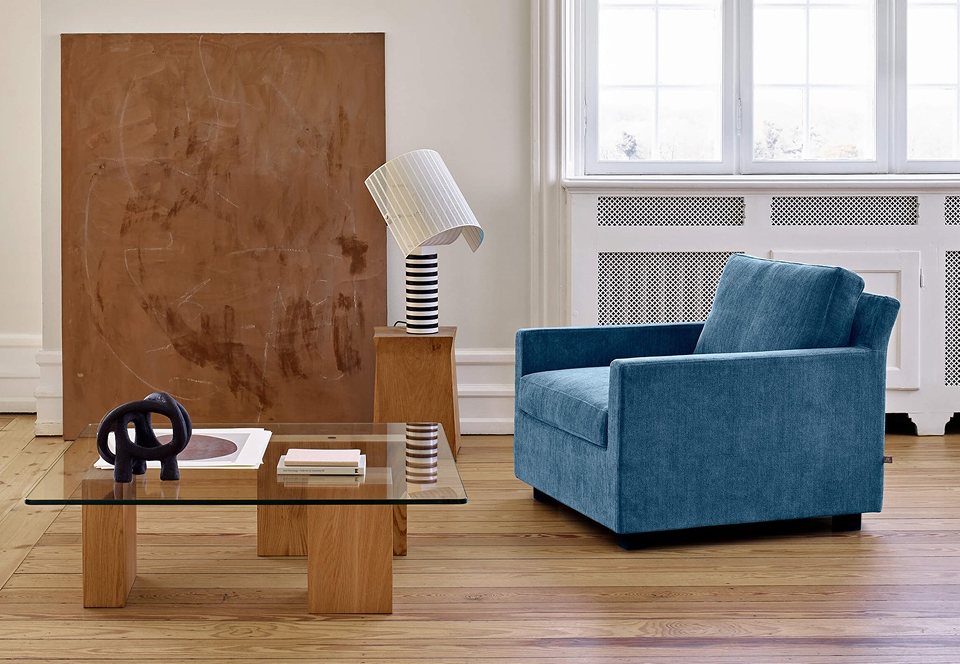
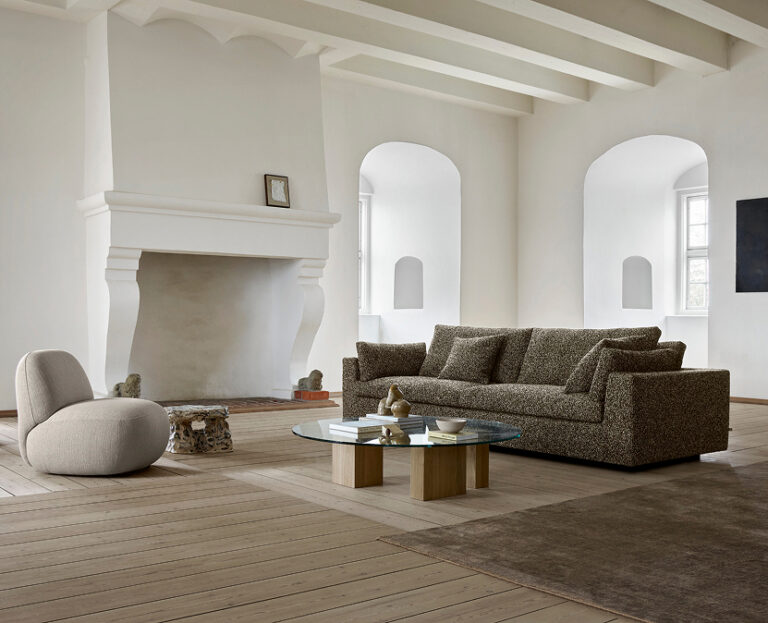

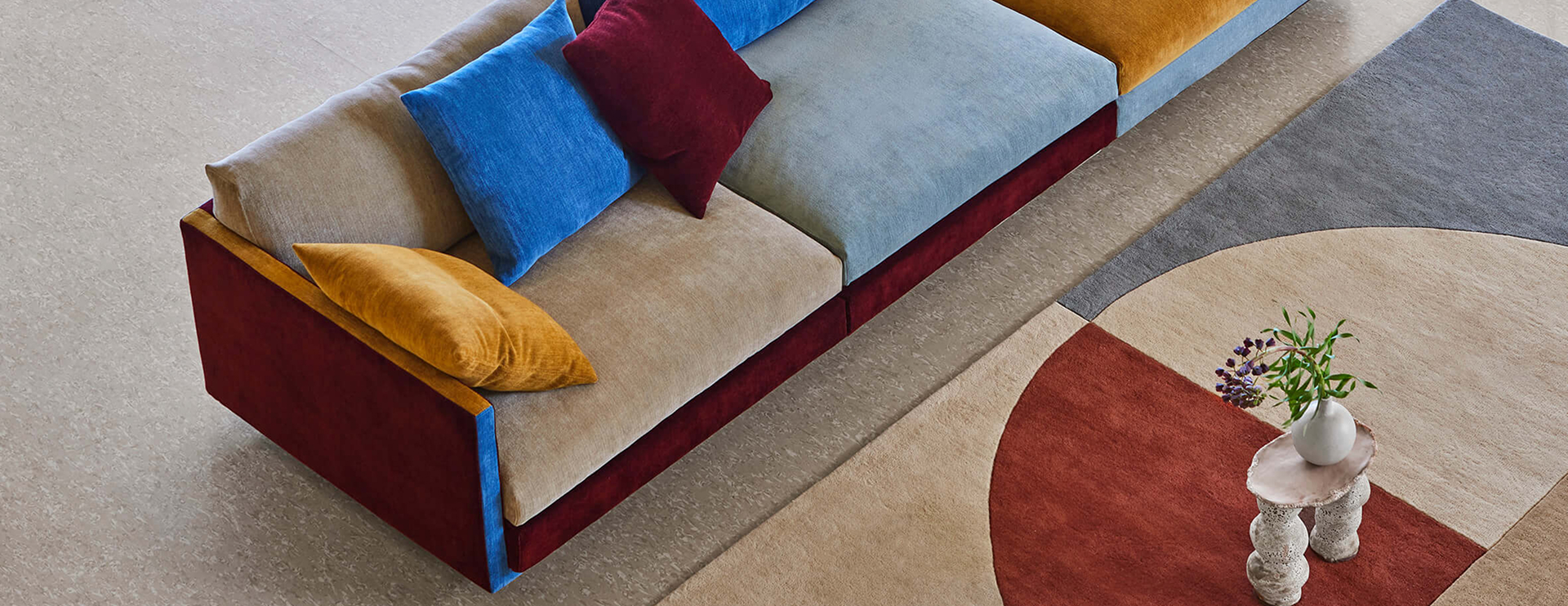
Scandinavian design is usually praised for what it leaves out. Gubi is known for what it puts back in. Where the tradition reaches for restraint,
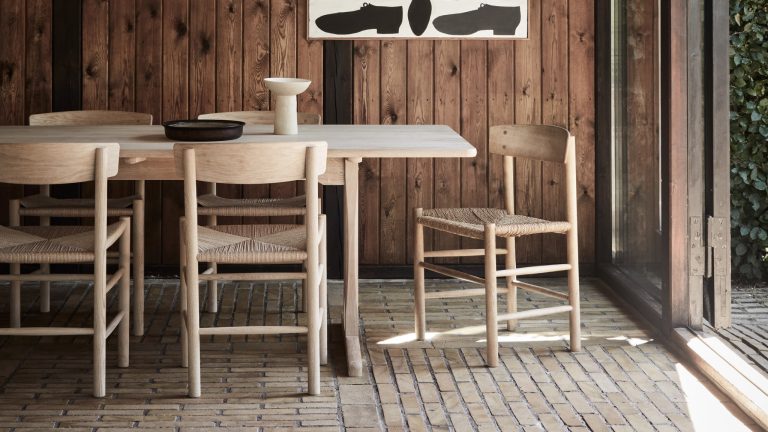
Some furniture houses chase the look of the moment. Fredericia has spent over a century doing the opposite. The Danish house is known for pieces