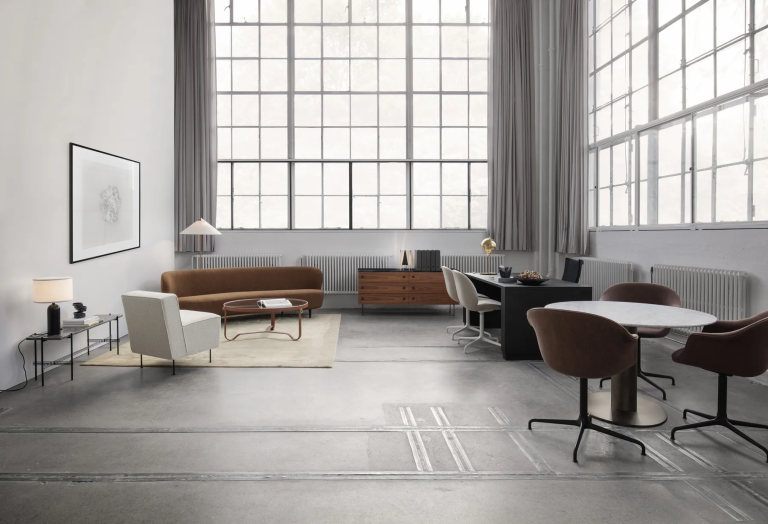
Gubi: Where Scandinavian Heritage Meets Contemporary Glamour
Scandinavian design is usually praised for what it leaves out. Gubi is known for what it puts back in. Where the tradition reaches for restraint,

Biophilic design is the practice of creating built environments that maintain, enhance, or restore the human connection to nature. The term derives from the concept of biophilia, popularised by the biologist E.O. Wilson in the 1980s, which describes the innate human affinity for living systems and the natural world. Research across environmental psychology, neuroscience, and workplace design has consistently found that environments incorporating natural elements produce measurable improvements in stress reduction, cognitive performance, emotional wellbeing, and physical recovery.
In interior design terms, biophilic design encompasses a broad range of strategies. Some are architectural, concerning the building’s relationship to light, air, and views. Others are material, concerning the surfaces and objects within the space. Others are spatial, concerning the proportions, shapes, and sensory qualities of the room. All share the common objective of reducing the psychological distance between the occupant and the natural world, even within an urban Singapore apartment or office environment where direct access to nature is limited.
Biophilic design is organised around three primary categories of human-nature connection, each of which encompasses multiple specific design strategies:
 Natural Light: The Most Important Biophilic Element in a Singapore Home
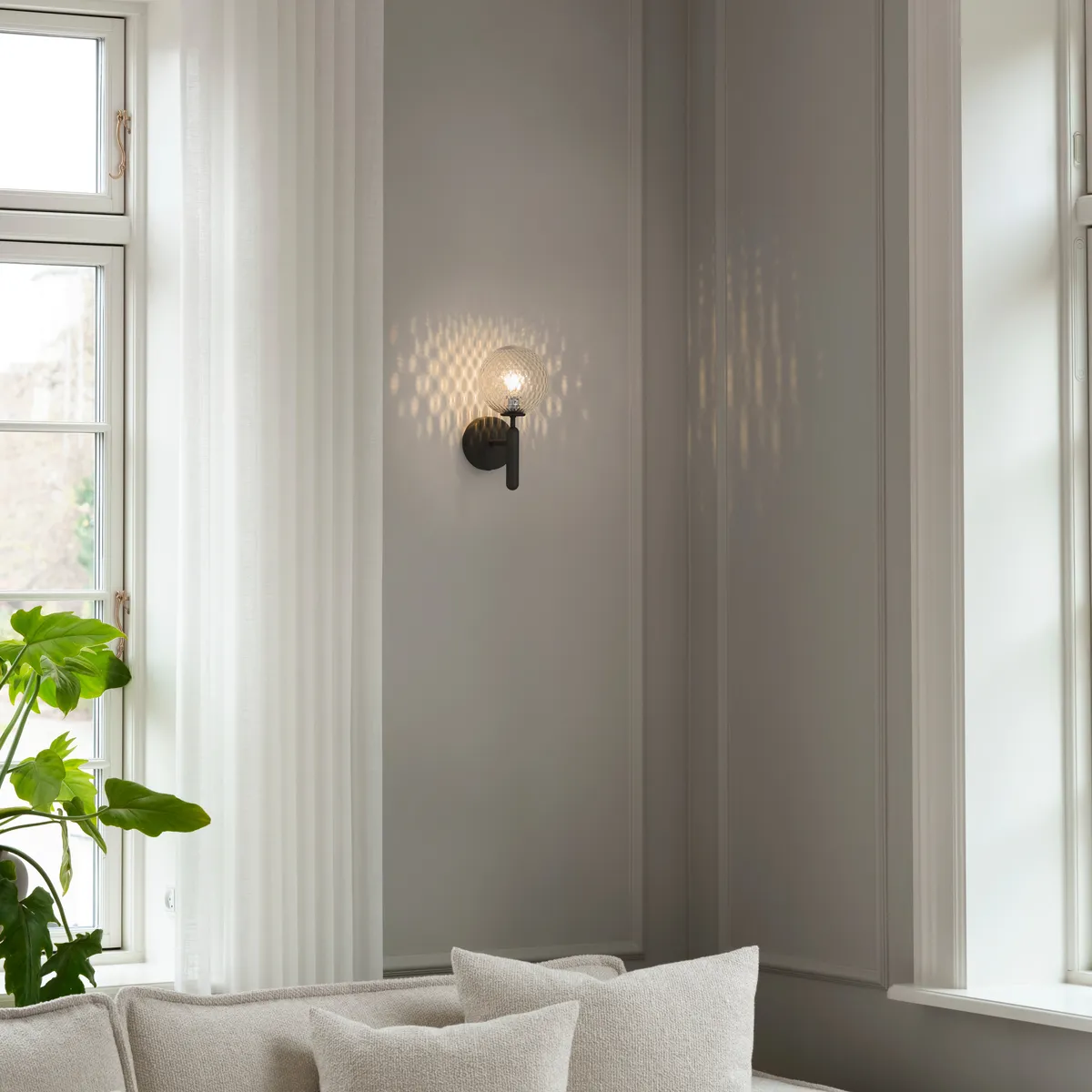
Natural light is the single most impactful biophilic design element available to Singapore homeowners. Singapore’s equatorial position produces intense, dynamic natural light year-round. Managing and maximising this resource within a Singapore home is more important than any other biophilic intervention. The key principles for optimising natural light in a Singapore interior are to use sheer curtains rather than blackout treatments in living spaces, to keep window sills and the immediate perimeter of windows clear of furniture and objects that obstruct light penetration, to use mirrors strategically to reflect and distribute light into areas that do not receive it directly, and to allow the variation of light across the day to remain perceptible rather than eliminating it with constant artificial lighting.
The quality of artificial light in the evening hours matters as much as natural light during the day. Warm white artificial lighting at 2700K to 3000K in living and bedroom spaces replicates the warmth of late afternoon and evening natural light, supporting the circadian rhythms that biophilic design seeks to maintain. Cool white artificial lighting at 4000K and above disrupts this rhythm and should be reserved for task-specific environments.
Plants are the most visible and most immediately impactful biophilic addition to a Singapore home. Singapore’s tropical climate is ideally suited to a wide range of indoor plants that thrive in the warm, humid conditions of a Singapore apartment without requiring the specialist care that many indoor plants need in temperate climates. The biophilic benefit of indoor plants in a Singapore home extends beyond the visual. Research by NASA and others has documented the air quality benefits of certain indoor plants in enclosed environments, including the removal of volatile organic compounds that off-gas from furniture, flooring, and paint. In a Singapore apartment where windows may be closed for air-conditioning for significant portions of the day, indoor plants provide a genuine environmental benefit alongside their visual contribution.
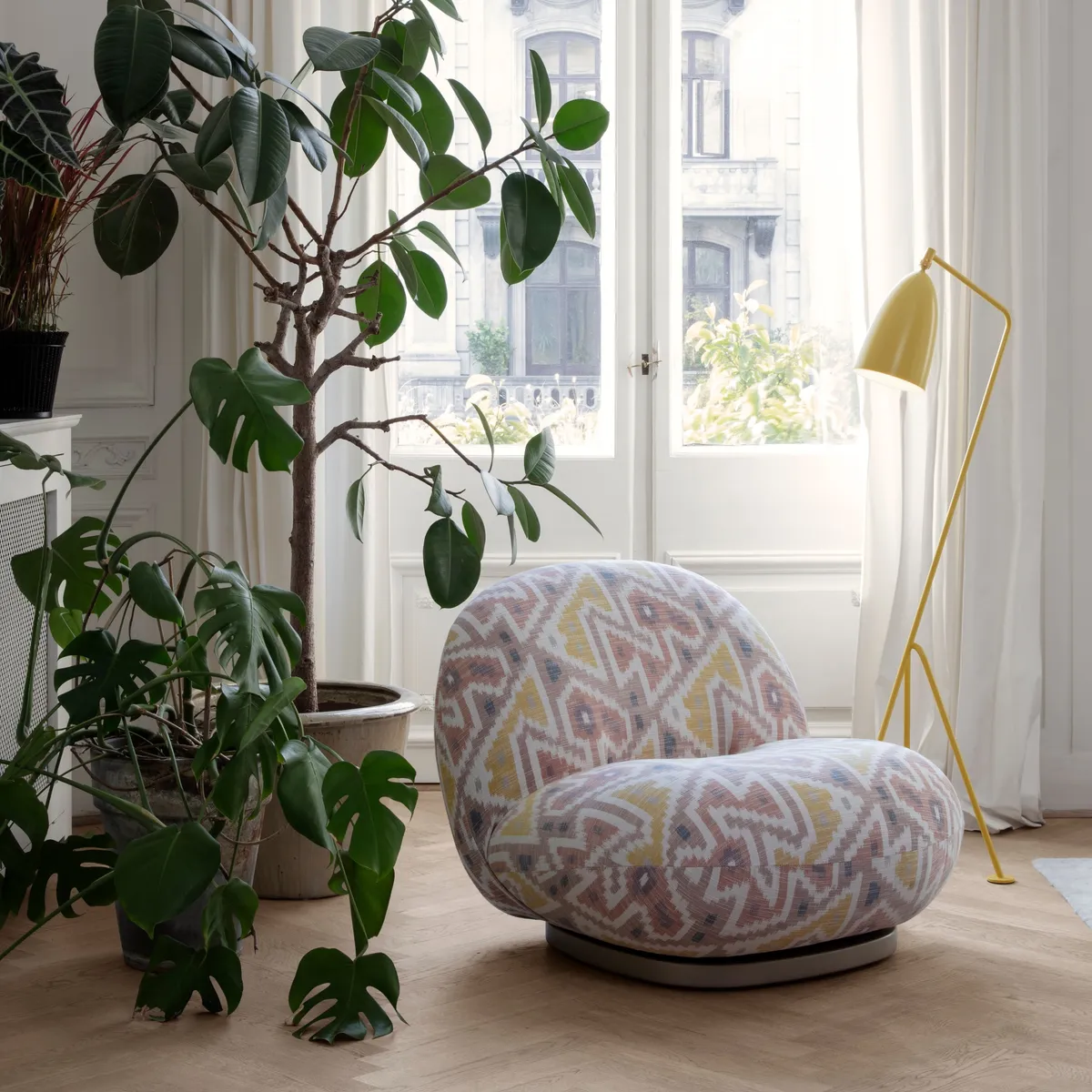
The most effective biophilic approach to plants in a Singapore home is to treat them as part of the interior composition rather than as decorative objects added after the furniture decisions have been made. A large-format plant such as a Monstera deliciosa or a Ficus lyrata positioned in a corner of the living room where it receives adequate indirect light occupies the same compositional role as a floor lamp or a lounge chair. It should be considered at the same point in the design process and positioned with the same intentionality.
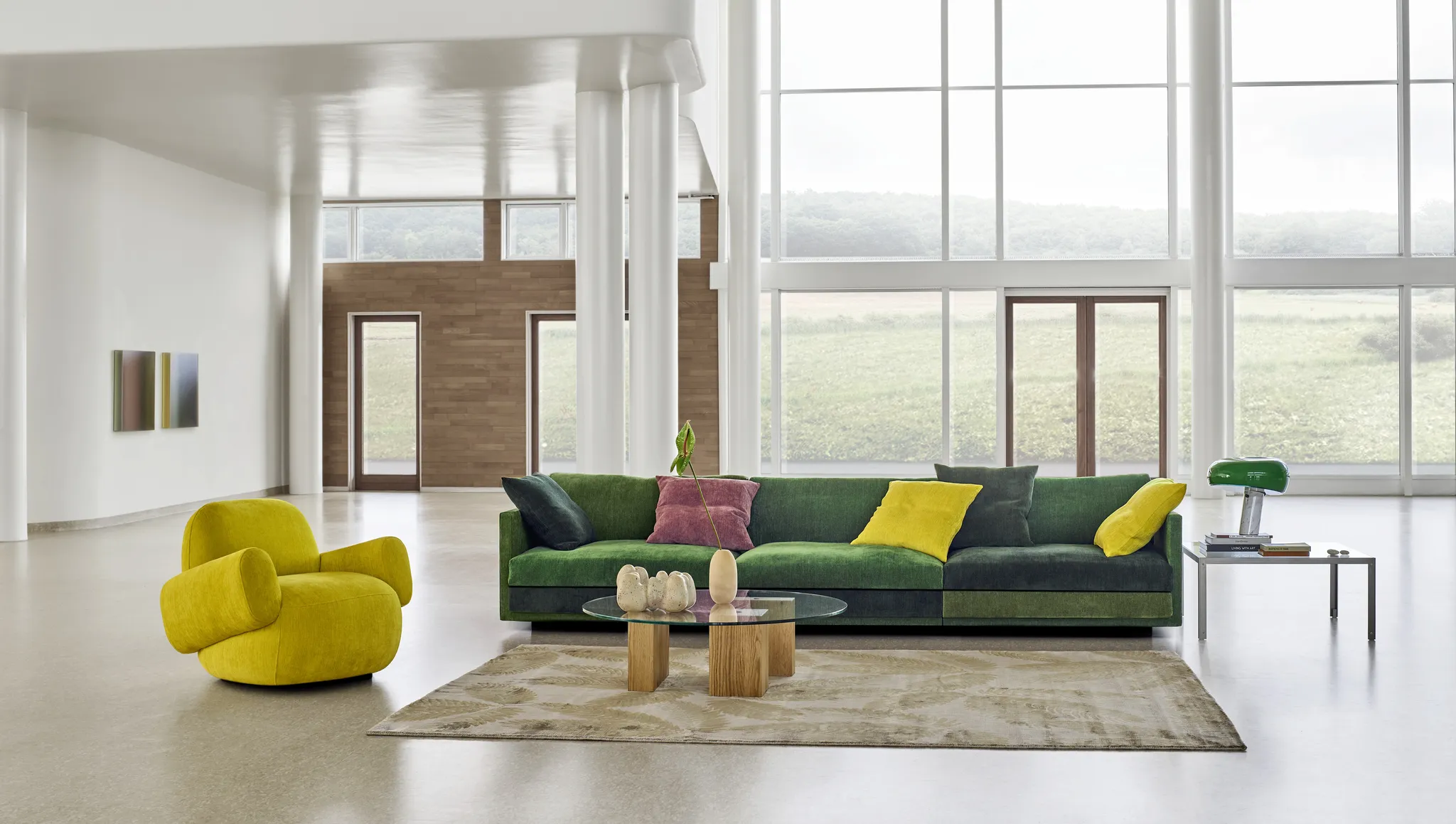
The material palette of a biophilic Singapore interior is the point at which the design philosophy connects most directly to furniture selection. Natural materials carry the visual, tactile, and sensory qualities of the natural world into an interior environment in a way that synthetic and engineered materials cannot replicate. The biophilic hierarchy of furniture materials, from most to least effective, follows a consistent pattern:
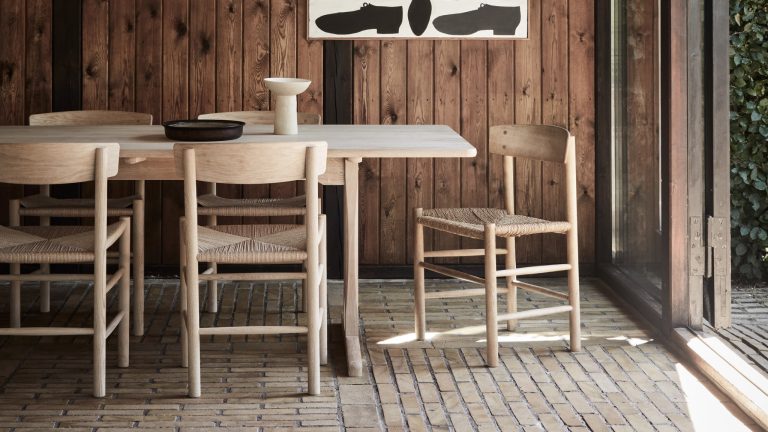
Solid timber in its natural finish, where the grain, colour variation, and surface texture of the wood remain fully perceptible. Solid walnut, solid oak, and solid Scandinavian pine all carry these qualities in the Fredericia, Naver Collection, Carl Hansen and Son, and Eilersen ranges at Danish Design Co. Full-grain and aniline leather, where the natural surface markings of the hide remain visible and the material develops a living patina over time. Natural stone including travertine, honed marble, and natural slate, which carry the visual complexity and material depth of geological processes. Natural fibre textiles including wool, linen, and cotton in upholstery, rugs, and soft furnishings. A Massimo Copenhagen rug in natural wool and bamboo blend adds a layer of material warmth and textural richness that synthetic fibre rugs cannot provide.
Biophilic design responds not just to natural materials but to natural forms. The curves, undulations, and organic shapes found in nature produce a different psychological response from the rectilinear geometries of most built environments. In furniture terms, this means that organic forms, curved sofas, lounge chairs with shell-like backs, round coffee tables, and oval dining tables, carry a biophilic quality that purely angular furniture does not.
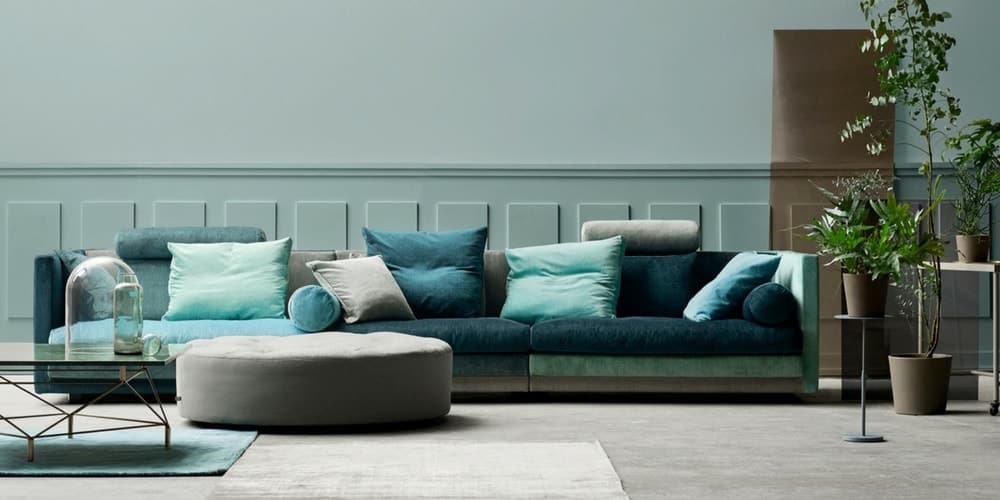
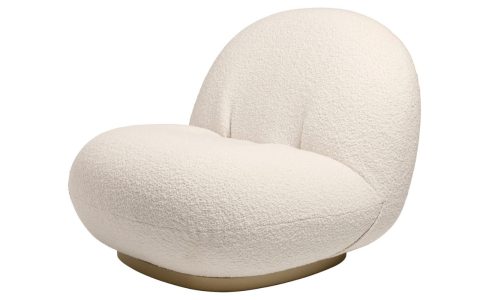
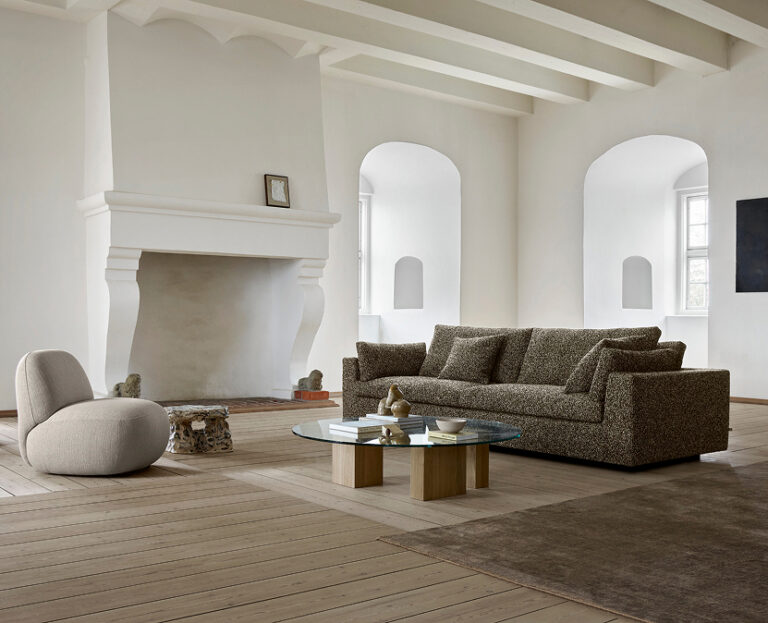
The GUBI Pacha Chair, with its deeply curved and enveloping shell form, is one of the most biophilically effective lounge chairs available in Singapore. It references the enclosing, sheltering quality of natural forms in a way that a rectilinear lounge chair does not. The Eilersen curved sofa configurations create the same sense of gentle enclosure within a living room arrangement. The Insula coffee table by Fredericia in its oval configuration softens the floor plane of the living room in a way that a rectangular table does not. These are not purely aesthetic decisions. They are responses to a fundamental human preference for organic form that biophilic design makes explicit.
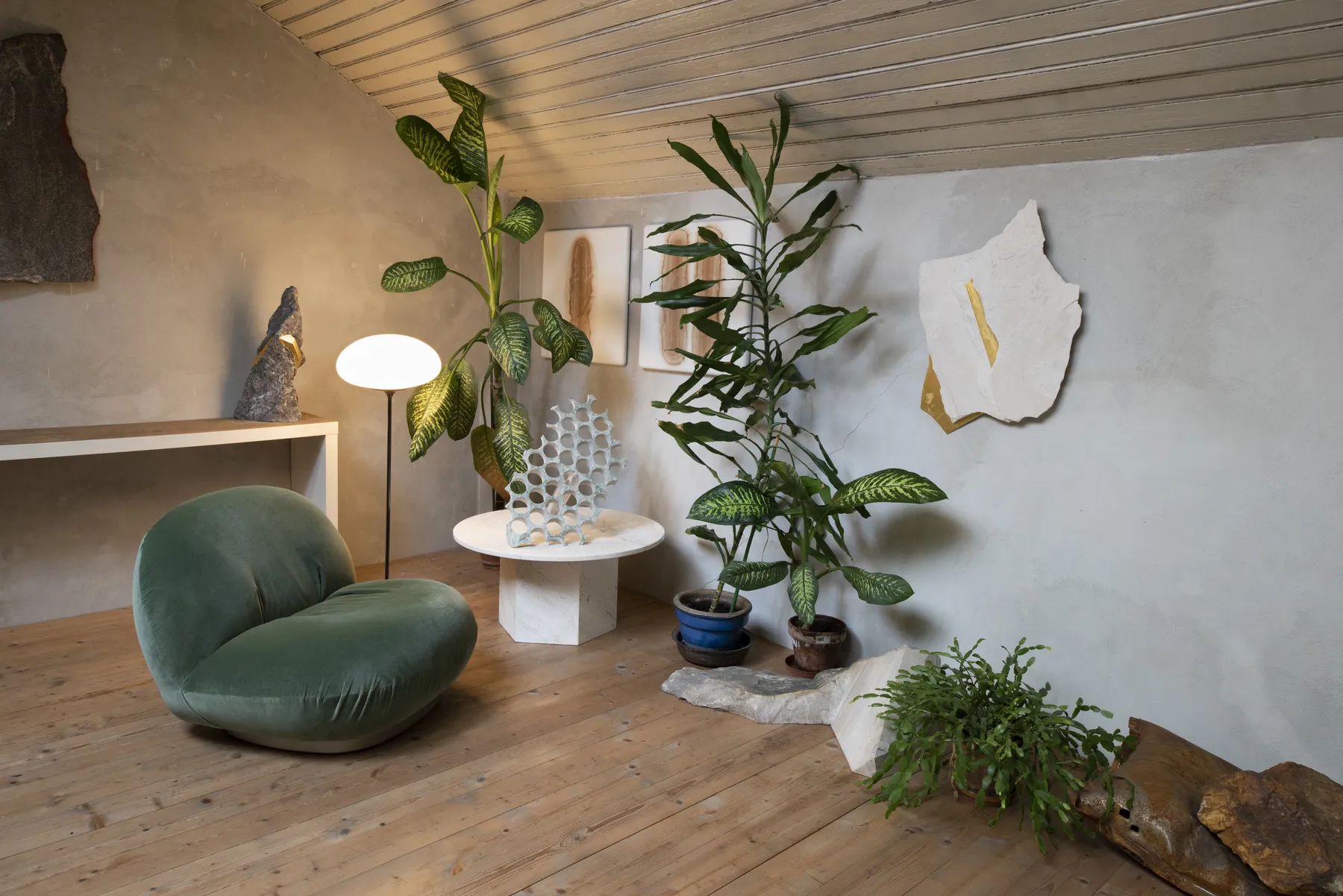
Danish Design Co carries furniture and lighting that embodies the material and formal principles of biophilic design across every category. Solid timber furniture from Fredericia, Carl Hansen and Son, and Naver Collection in walnut and oak. Organic lounge chairs from GUBI and Fredericia. Natural fibre rugs from Massimo Copenhagen. Full-grain leather sofas from Eilersen and Fredericia. Sculptural lighting from GUBI and Northern Lighting that references natural forms and produces the layered, warm light that biophilic design prioritises over flat artificial illumination. Multiple pieces from every brand are on display at our 12,000 square foot showroom at 100E Pasir Panjang Road, where natural light from the building’s glazing demonstrates the principles of biophilic lighting in a real showroom setting throughout the day.


Scandinavian design is usually praised for what it leaves out. Gubi is known for what it puts back in. Where the tradition reaches for restraint,
Some furniture houses chase the look of the moment. Fredericia has spent over a century doing the opposite. The Danish house is known for pieces