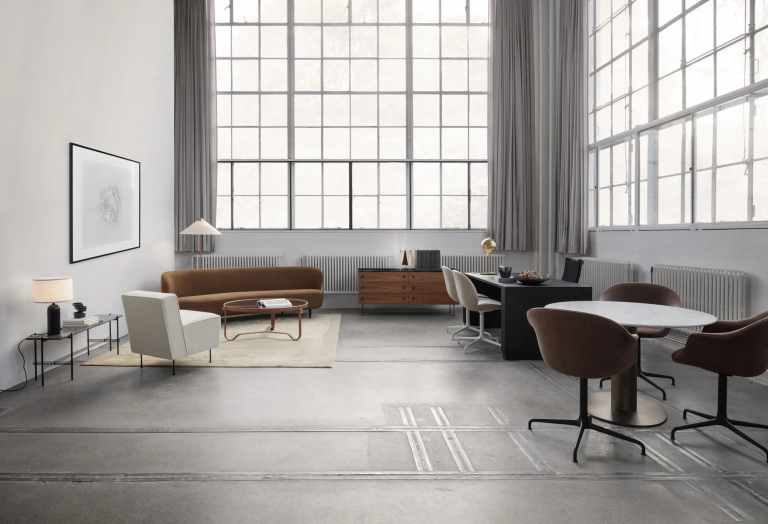
Gubi: Where Scandinavian Heritage Meets Contemporary Glamour
Scandinavian design is usually praised for what it leaves out. Gubi is known for what it puts back in. Where the tradition reaches for restraint,


Before considering any table dimension, establish the clearance the room requires. Clearance is the space between the edge of the table and the nearest wall, furniture piece, or fixed element behind a dining chair. This is the number that determines which table sizes are viable in your room. Getting it wrong produces a dining room where guests cannot pull their chairs out without hitting the wall behind them.
The minimum clearances for a functioning Singapore dining room are:
Measure the dining area carefully. Mark the table footprint on the floor with tape before purchasing. Confirm that the clearance on all four sides meets these minimums in both the everyday configuration and the extended configuration if an extending table is being considered.
Every table size calculation begins with the per-person space allowance along the table’s length. Allow a minimum of 60 centimetres of table width per place setting. This accommodates a standard dinner plate, a glass, and basic cutlery without crowding. 65 to 70 centimetres per person is more comfortable for everyday dining and is the allowance to use when specifying a table for regular family meals rather than occasional maximum occupancy. The table depth should be a minimum of 80 centimetres for two people sitting opposite each other to have adequate personal space. 85 to 90 centimetres is more comfortable and the depth used by most quality dining table manufacturers.

Rectangular tables suit the majority of Singapore dining rooms. Most Singapore dining spaces are longer than they are wide, and a rectangular table aligns with this geometry more efficiently than a round or square alternative. The standard size guidelines for rectangular tables in Singapore homes are:
A 120 centimetre table seats four people, two along each long side. It is the compact option for a Singapore one or two bedroom condominium apartment where the dining area is limited and the everyday household is two to three people. A 140 to 160 centimetre table seats four to six people comfortably. Four along the long sides with one at each end. This is the most practical everyday size for a Singapore household of three to four people who occasionally host additional guests. A 180 to 200 centimetre table seats six to eight people. Three along each long side or two along each side with one at each end. This suits a Singapore household of four to five with regular entertaining requirements and fits comfortably in a larger HDB flat or condominium dining room with adequate clearance on all sides. A 220 to 240 centimetre table seats eight to ten people. This suits a Singapore landed home dining room or a generously proportioned condominium apartment where the dining area has sufficient length and clearance to accommodate it.
Round tables are not simply a decorative alternative to rectangular tables. They solve specific spatial and social problems that a rectangular table cannot address as well.
A round table eliminates corners, which makes movement around it significantly easier in a compact Singapore dining area. In a room where chairs on two adjacent sides would otherwise be close to each other and to adjacent walls, a round table creates more workable clearance with a smaller overall footprint. A round table reads well from multiple angles in an open-plan Singapore living and dining space, where the table is visible from the entrance and from the kitchen.
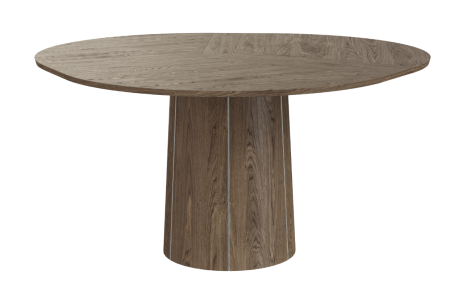
The standard size guidelines for round tables in Singapore homes are a 90 to 100 centimetre diameter table seats two to four people comfortably. It suits a compact Singapore apartment dining nook or a breakfast area adjacent to the kitchen. A 110 to 120 centimetre diameter table seats four people comfortably and four to six with some compression. It suits a Singapore condominium dining room where a rectangular table of equivalent capacity would leave inadequate clearance on the short sides. A 130 to 140 centimetre diameter table seats six people comfortably. This is the maximum practical size for most Singapore HDB and condominium dining areas. The diameter of a round table at this size requires more total floor area than a rectangular table of equivalent seating capacity due to the circular footprint.
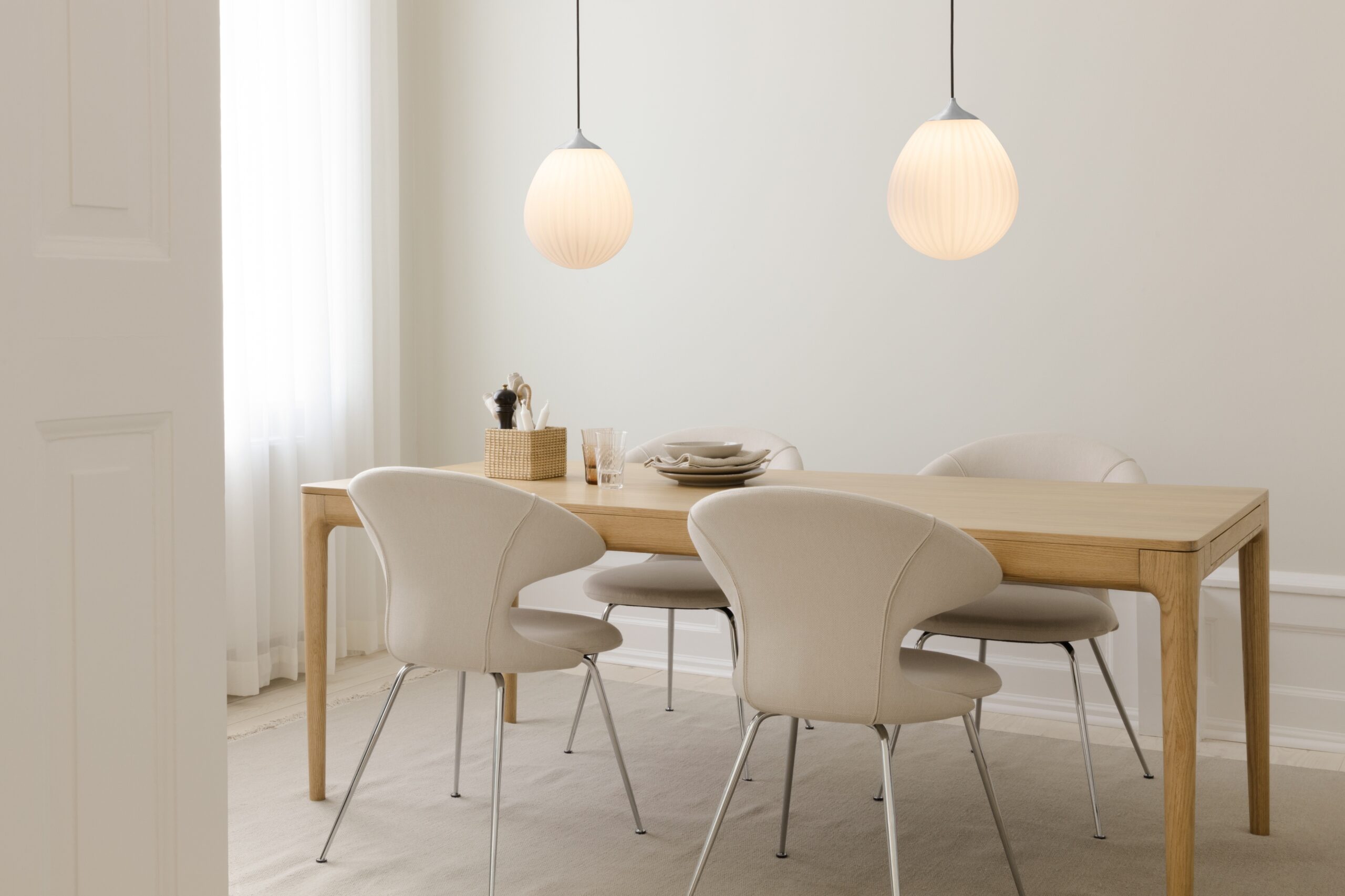
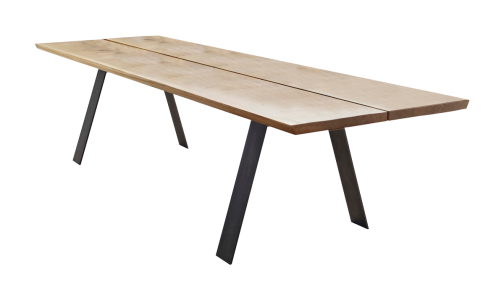
For Singapore households who need a table that seats four everyday and eight for occasional gatherings, an extending table is almost always the correct choice. A quality extending table from Fredericia or Naver Collection closes to the everyday size needed for the household and extends cleanly for larger occasions. The extension mechanism integrates within the table frame. There is no separate leaf to store. The table surface is continuous when extended. There is no visible join or change in the table’s leg configuration.
Danish Design Co carries dining tables from Fredericia, Skovby, and Naver Collection. Fixed and extending configurations are available from 120 centimetres through to 280 centimetres in solid walnut and solid oak. Multiple dining configurations are on display at our showroom at 100E Pasir Panjang Road. Bring your dining room dimensions. Our team will mark the table footprint, confirm the clearances on all sides, and demonstrate the extension mechanism on any extending table before you commit.



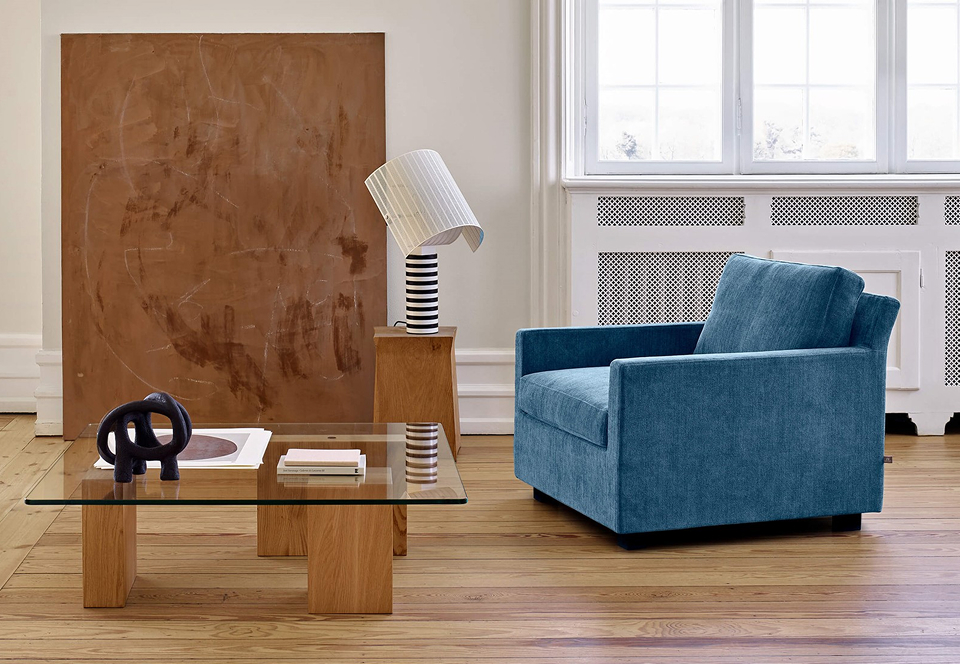
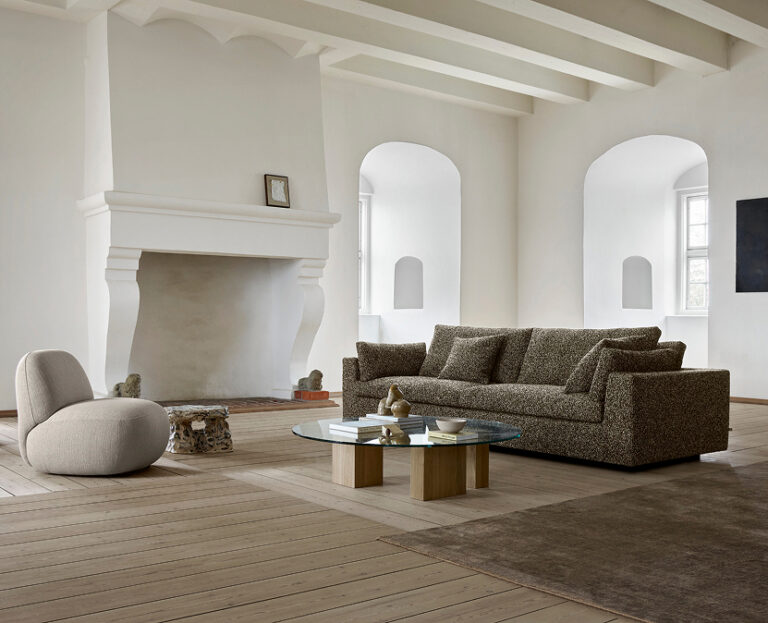

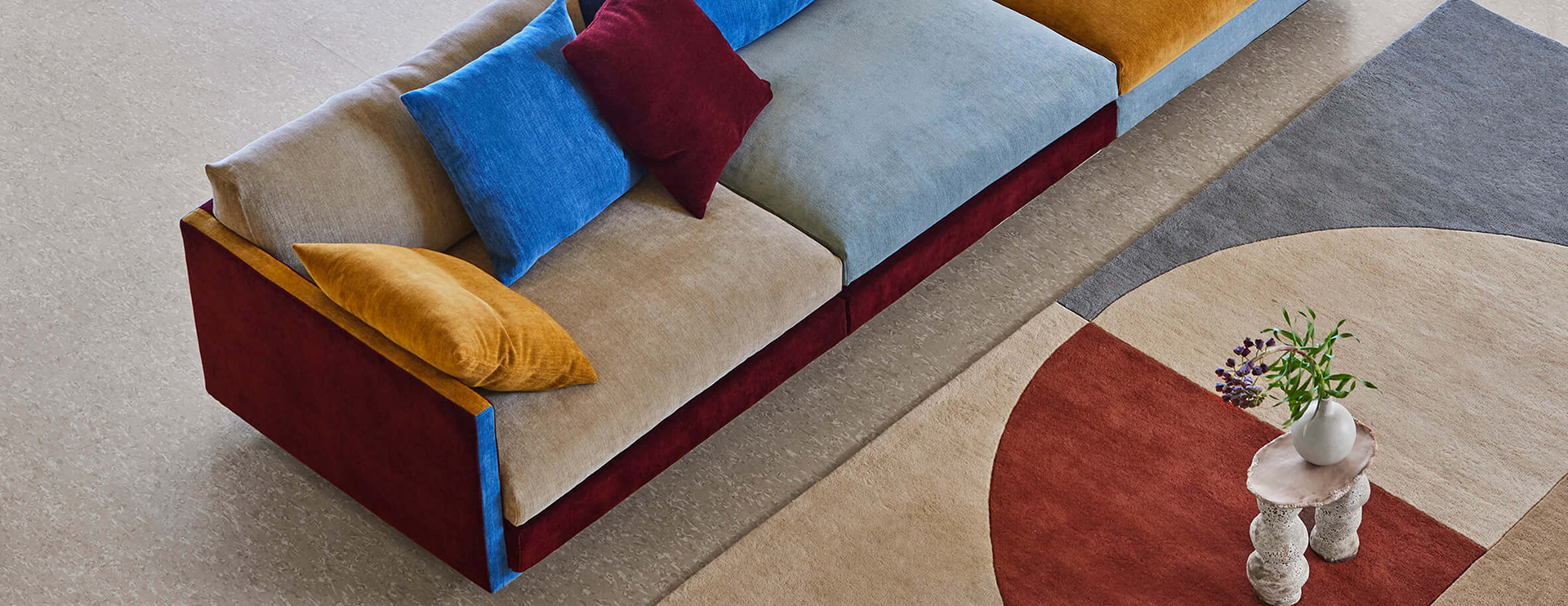
Scandinavian design is usually praised for what it leaves out. Gubi is known for what it puts back in. Where the tradition reaches for restraint,
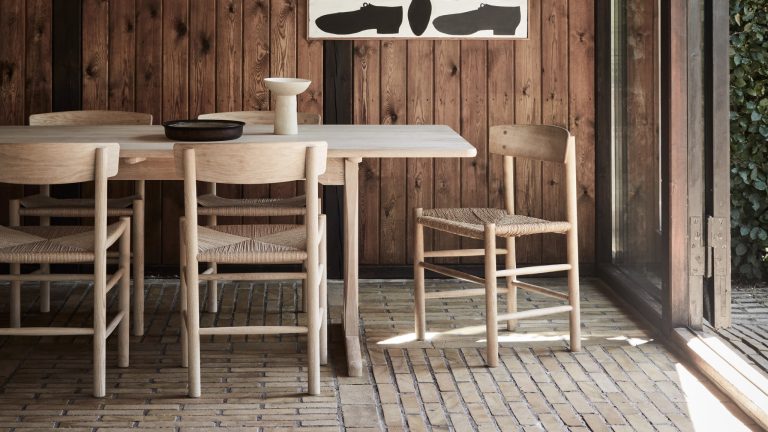
Some furniture houses chase the look of the moment. Fredericia has spent over a century doing the opposite. The Danish house is known for pieces