Monochrome Interior Styling:

How to Keep a Single-Colour Room From Feeling Flat

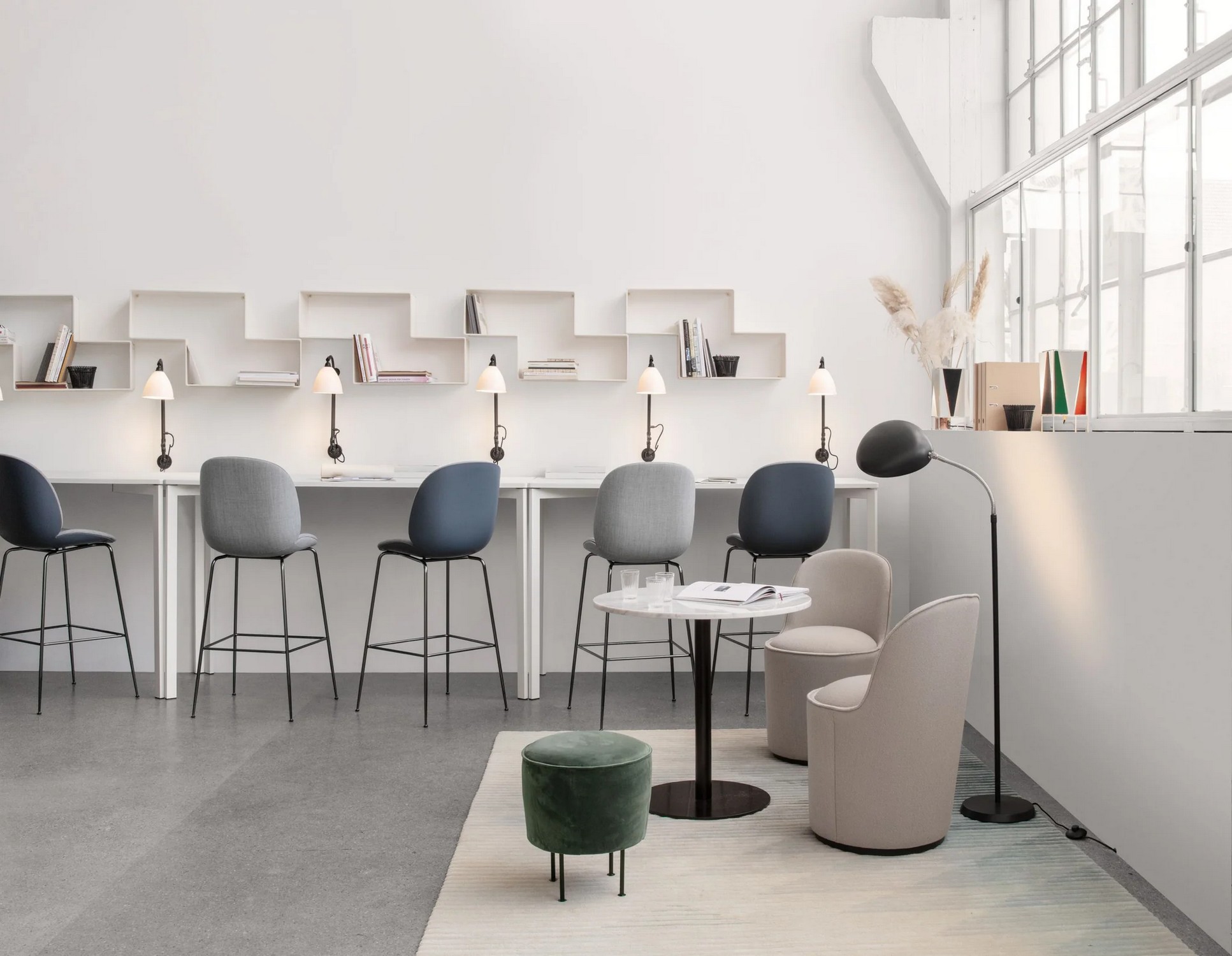
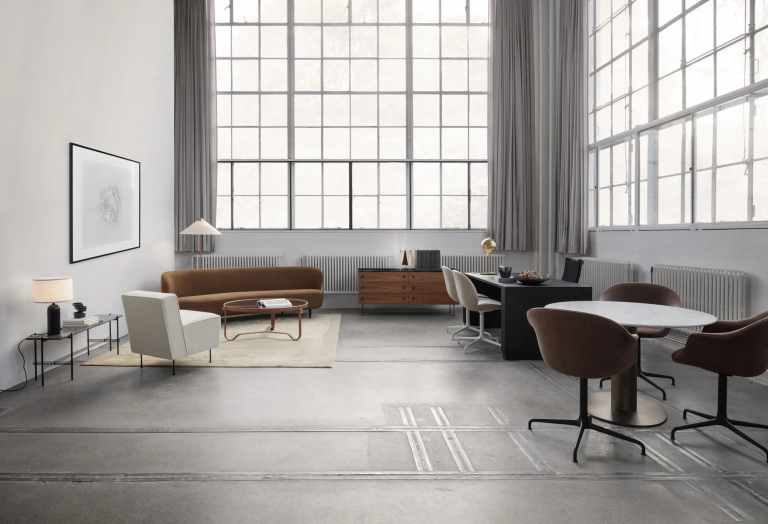
Monochrome interior design is one of the most disciplined and most rewarding approaches to furnishing a Singapore home. It is also one of the most consistently misunderstood. Monochrome does not just mean white or grey or the absence of colour. It means working within a single colour’s complete tonal range, from its lightest expression to its deepest, and building a room of genuine depth and visual interest without ever leaving that colour family. Done correctly, a monochrome interior achieves a sense of calm, coherence, and material richness that a multi-colour scheme rarely matches. Done incorrectly, it produces the flat, lifeless result that gives the approach its undeserved reputation for austerity. The difference between these two outcomes is texture, material contrast, and layering.

What Monochrome Interior Design Actually Means

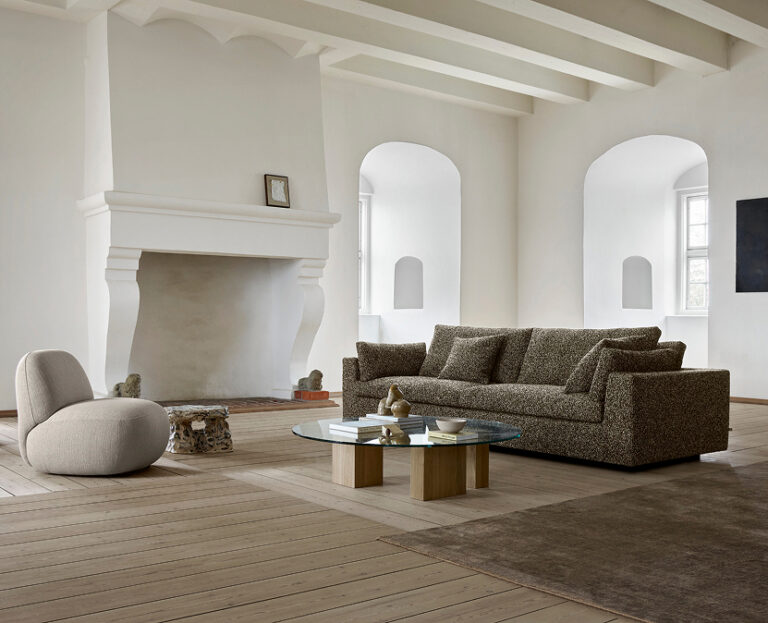
Monochrome interior design means building a room’s entire visual palette within a single hue’s tonal range. A warm white monochrome room uses off-white walls, ivory upholstery, cream textiles, and bone-toned accessories, all within the same colour family but at different depths of tone. A grey monochrome room moves from pale silver to deep charcoal across its surfaces, materials, and furnishings. A warm caramel or walnut monochrome room builds across the amber and honey tones of solid timber, leather, and natural fibre.

The tonal range within a single colour is far wider than most homeowners initially recognise. Warm white alone encompasses off-white, ivory, cream, ecru, bone, and warm grey. Each reads differently depending on the light source, the surface texture, and the material it is applied to. This tonal variation is the primary tool in a monochrome interior. It replaces the contrast that multiple colours would provide in a different approach, using depth of tone rather than diversity of hue to create visual movement across the room.

Why Monochrome Works Particularly Well in Singapore Homes

Singapore’s residential architecture creates specific conditions where monochrome interior design performs exceptionally well. Singapore HDB flats and condominium apartments are typically compact. Their proportions are often irregular. Their natural light varies significantly between units, from the generous natural illumination of a high-floor east-facing apartment to the more limited light of a lower-floor north-facing unit. A monochrome interior addresses all of these challenges simultaneously.

A warm white monochrome interior maximises the perception of space in a compact Singapore apartment. It eliminates the visual interruptions that colour changes create at every wall, corner, and furniture boundary. It makes the room feel larger and more continuous than a multi-colour scheme in the same footprint. A darker monochrome, in deep grey or warm charcoal, creates a sense of intimate enclosure in a room that might otherwise feel anonymous and undifferentiated. In Singapore’s landed homes, where rooms are often generous enough to accommodate a stronger tonal commitment, a deep monochrome dining room or study makes a confident design statement that a paler palette in the same space cannot.
The Flat Room Problem and How to Solve It

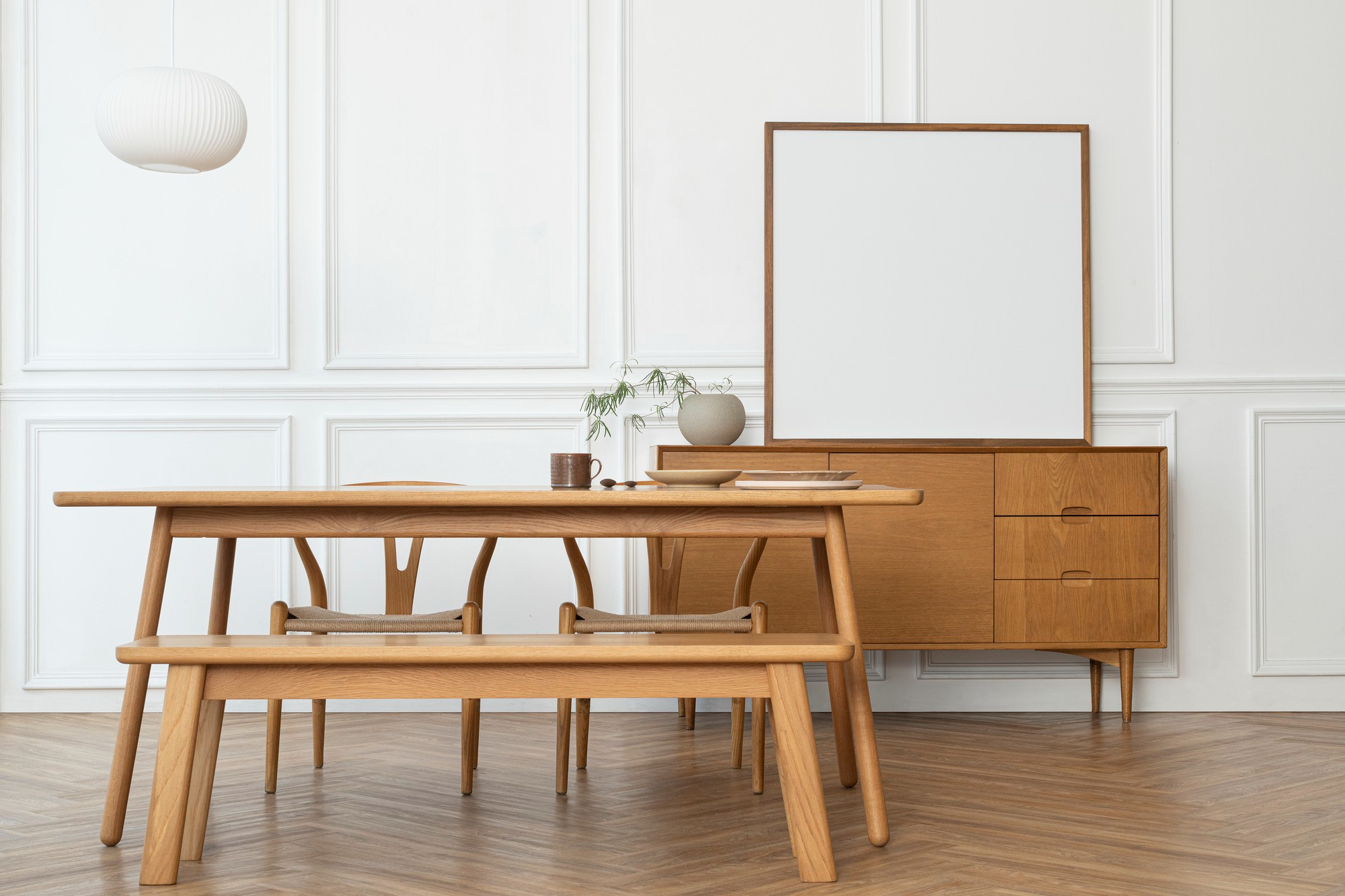
The failure mode of monochrome interior design is flatness. A room where every surface, material, and furnishing occupies the same tone and the same texture reads as undifferentiated and unresolved. 

The specific strategies that prevent a monochrome Singapore interior from reading as flat are:

  • Vary surface texture aggressively across the room Texture does in a monochrome room what colour does in a multi-colour one. Introduce genuine material contrast between hard and soft surfaces. A pale grey marble coffee table beside a pale grey upholstered sofa creates material contrast within the same tonal register. This produces visual interest without introducing any new colour. 
  • Use tonal depth at the floor plane. The floor covering is the largest single surface in a room. A Massimo Copenhagen rug in a tone two to three shades deeper than the wall and sofa colours anchors the composition and prevents the room from floating. In a monochrome interior, a rug that is too close in tone to the floor or the sofa disappears rather than grounding the arrangement.
  •  Layer lighting to reveal the textural variation. A monochrome room lit only by flat ambient ceiling light loses all of its textural depth. A floor lamp beside the sofa, a table lamp on the sideboard, and a pendant above the dining table all cast light at different angles and heights, revealing the surface variation that flat ambient light conceals.
  •  Add one material that breaks the rule quietly. A single piece of natural timber, a leather lounge chair, or a brass lamp base in a warm white monochrome room introduces a gentle material departure that adds richness without breaking the tonal discipline. 

Building a Monochrome Interior in Singapore: The Practical Approach

Building a monochrome interior in a Singapore home requires a sequenced approach to material and tonal selection. Begin with the wall tone. This establishes the monochrome family and the mid-point of the tonal range the room will occupy. In a warm white monochrome, this is typically an off-white or warm ivory. In a grey monochrome, it is a mid-grey with either a cool or warm undertone. Choose the undertone first and maintain it consistently across every subsequent material decision. A cool grey wall with warm grey upholstery produces a visual discord that undermines the monochrome effect.

Establish the floor tone next. The floor should sit at the deeper end of the tonal range in most Singapore monochrome interiors. A warm white room with pale timber flooring and a cream rug lacks the tonal anchor that grounds the composition. Add the furniture in the mid-tones of the palette. The primary sofa, dining table, and lounge chair should occupy the middle of the tonal range, lighter than the floor and darker than the ceiling, creating the natural tonal gradient from floor to ceiling that all well-composed interiors share. Layer soft furnishings at multiple tones. Cushions, throws, and decorative accessories are the instruments for introducing tonal variation at small scale. 

Monochrome Palettes That Work in Singapore

The monochrome palettes that perform most consistently in Singapore’s specific light and living conditions are warm white, warm greige, and warm caramel. These warm-toned palettes work with Singapore’s intense natural light rather than against it. Cool-toned monochrome palettes in blue-white or cool grey can read as stark and clinical in Singapore’s equatorial light, particularly in rooms that receive direct afternoon sun. Warm palettes absorb Singapore’s light and return it with a richness that cool palettes cannot achieve.

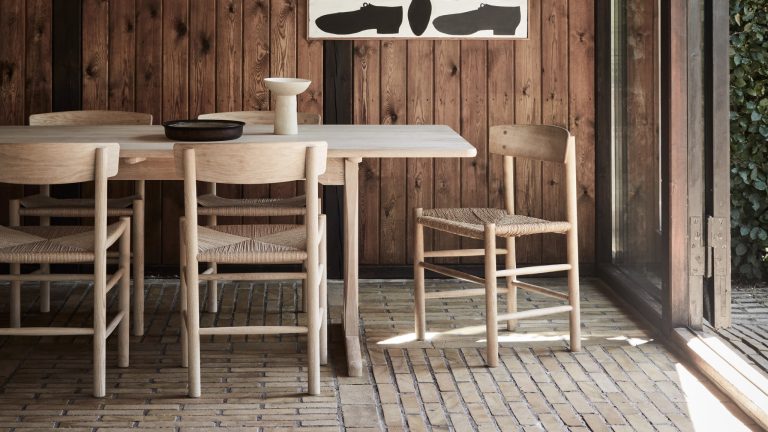
A walnut monochrome is a particularly compelling and underused option for Singapore landed homes. Building across the amber, honey, and deep brown tones of solid timber, cognac leather, natural fibre, and warm timber flooring produces a room of extraordinary material warmth and depth that reads as simultaneously coherent and complex. The Naver Collection sideboard range, the Eilersen leather sofa range, and the Massimo Copenhagen natural rug range at Danish Design Co cover the primary furniture and floor categories of a walnut monochrome interior in Singapore.

The Monochrome Furniture Range at Danish Design Co

Danish Design Co carries the pieces that make a monochrome Singapore interior work. Sofas from Eilersen in warm fabric and leather across the full tonal range. Lounge chairs from GUBI and Fredericia in bouclé, leather, and woven fabric. Sideboards and dining furniture from Naver Collection in solid American walnut and solid oak. Natural fibre rugs from Massimo Copenhagen in muted, considered tones designed for the kind of layered monochrome composition that this guide describes. Multiple pieces from every brand are on display at our showroom at 100E Pasir Panjang Road, where our team can advise on building a monochrome palette around the specific pieces you are considering.

Monochrome interior design is one of the most disciplined and most rewarding approaches to furnishing a Singapore home. It is also one of the most consistently misunderstood. Monochrome does not just mean white or grey or the absence of colour. It means working within a single colour’s complete tonal range, from its lightest expression to its deepest, and building a room of genuine depth and visual interest without ever leaving that colour family. Done correctly, a monochrome interior achieves a sense of calm, coherence, and material richness that a multi-colour scheme rarely matches. Done incorrectly, it produces the flat, lifeless result that gives the approach its undeserved reputation for austerity. The difference between these two outcomes is texture, material contrast, and layering.

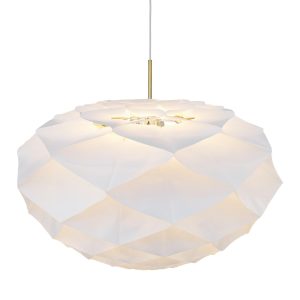
OS111 Begonya Pendant

Top Recommendations

From $2,858
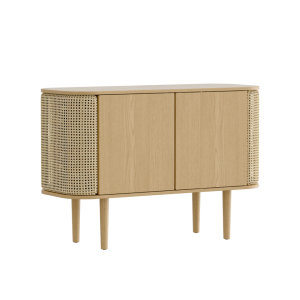
Treasures is a customizable cabinet that brings a tactile touch to storage. The side “wings” are ideal for storing books or liqueurs, while center compartments provide stable shelving for ceramics. Its Nordic expression is elevated by the ability to choose different wood finishes and door materials.
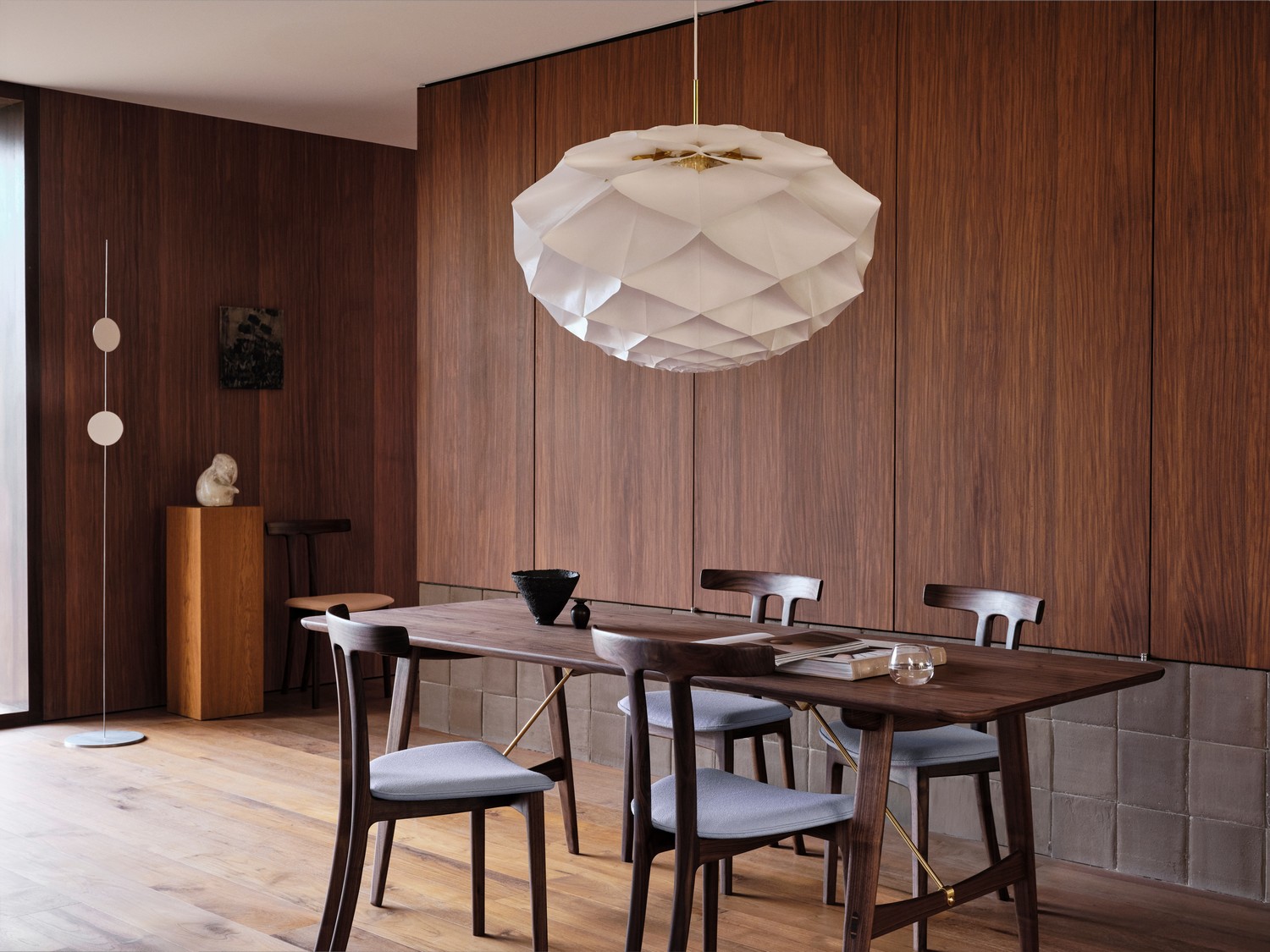
Created in collaboration with award-winning designer Øivind Slaatto, the OS111 Begonya Pendant is a poetic design inspired by the logic of nature. Its elliptical silhouette and sculptural symmetry provide a striking presence, mirroring patterns found in the botanical world to strike a balance between organic rhythm and technical finesse. Constructed around a complex internal aluminium framework, the shade is crafted from a lightweight, translucent material that directs a soft, glare-free light downwards while creating an atmospheric glow.
From $1,799
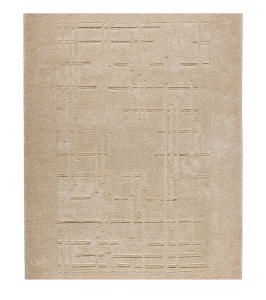
The Symmetry Rug Collection explores the tension between natural chaos and human-made order through bold, architectural design. Inspired by the idea that straight lines are a human invention, each rug features intersecting linear patterns arranged with deliberate precision. Dynamic streaks flow across the surface, creating movement and visual energy, while an underlying framework brings structure and balance to the composition. The result is a layered, contemporary aesthetic with a strong architectural presence. Handtufted from 100% New Zealand wool, the Symmetry rug combines artistic expression with tactile comfort, making it a refined statement piece for modern interiors.

On the other hand, the 301 Sofa offers unparalleled versatility.

Its highly modular design allows you to select from different sofa modules, transforming your seating arrangement to suit your needs. Available in both fabric and leather, this sofa embodies exquisite comfort with a minimalist Scandinavian design. Its a perfect blend of form and function, catering to those who appreciate understated elegance. stand out.

You may also like

FAQ

What is monochrome interior design?

Monochrome interior design means building a room's entire visual palette within a single colour's tonal range. It is not limited to white, grey, or black. Any colour can be treated monochromatically by working across its full range from lightest to deepest. The discipline of working within a single colour family produces a sense of calm and cohesion that multi-colour schemes rarely achieve.

How do I stop a monochrome room from looking flat?

Vary surface texture aggressively across the room using soft, hard, woven, smooth, and matt surfaces within the same tonal range. Use tonal depth at the floor plane with a rug two to three shades deeper than the walls. Layer lighting at multiple heights and angles to reveal textural variation that flat ambient light conceals.

What monochrome colours work best in Singapore homes?

Warm white, warm greige, and warm caramel perform most consistently in Singapore's specific light conditions. Warm-toned palettes work with Singapore's intense equatorial natural light. Cool-toned monochrome palettes in blue-white or cool grey can read as stark and clinical in Singapore's afternoon sun. A walnut monochrome building across the amber, honey, and brown tones of solid timber and leather is a particularly compelling option for Singapore landed homes.

Discover the power of choice

What others had to say

You may also like