

Designer Furniture Price Match Guarantee
Understand a designer furniture price match guarantee: what to compare, how authenticity affects real value, and how to buy with confidence in Singapore.
A dining chair is one of the most demanding pieces of furniture in a home. It needs to look composed from every angle, feel comfortable through an unhurried dinner, withstand daily use, and sit in proportion with the table and room around it. The best Scandinavian dining chairs meet those demands with an economy of line that conceals considerable thought.
This is why a well-chosen chair can change the character of a dining room more profoundly than a new centerpiece or pendant light. Its silhouette establishes the rhythm around the table. Its material brings warmth, tactility, or visual lightness. And when craftsmanship is evident in the joinery, upholstery, and finish, the chair becomes an enduring part of the home rather than a short-lived furnishing decision.
Scandinavian design is often reduced to pale wood and minimal forms, but its deeper distinction is the close relationship between function, material, and human comfort. A chair should be understandable at a glance: its structure should appear honest, its details purposeful, and its proportions resolved rather than decorative.
The strongest examples come from a long Nordic tradition of cabinetmaking and furniture design. Solid oak, beech, ash, walnut, paper cord, leather, and wool are not applied as surface effects. They are selected for their particular strengths, aging qualities, and ability to bring character to a quiet interior. A timber frame might be gently rounded where a hand naturally rests. A woven seat may offer resilient support while allowing the form to remain visually open.
This clarity of form makes these chairs unusually adaptable. They work naturally with a sculptural pendant and a marble table, but they are equally convincing beside a simple oak dining table in a family apartment. The restraint is the point: they bring presence without forcing the entire room into a single stylistic period.
A chair should never be chosen in isolation. Start by considering the table’s height, apron, base, material, and visual weight. Most dining tables sit around 29 to 30 inches high, and a seat height of approximately 17 to 19 inches usually gives a comfortable relationship. The precise fit, however, depends on the thickness of the tabletop and the clearance below it.
A table with a deep apron can make an upholstered armchair impractical, even if the measurements appear acceptable on paper. Likewise, a pedestal table offers generous freedom for legs and armrests, while a table with legs at each corner requires more careful planning. Allow enough room for each person to sit and move with ease, rather than simply calculating how many chairs can be placed along an edge.
The visual relationship matters just as much. A substantial plank table can carry chairs with generous frames, woven seats, or a darker finish. A slender, refined table often benefits from chairs with open backs or tapered legs that preserve a sense of air around it. Matching every wood tone exactly is rarely necessary. A thoughtful contrast between oak and walnut, for example, can lend depth, provided the undertones feel harmonious.
Dining rooms are experienced in motion. Chairs need space to pull back, guests need a clear route around the table, and the room should remain calm when the chairs are unoccupied. As a useful starting point, allow about 24 inches of table width per seat and roughly 36 inches behind a chair for comfortable circulation where space permits.
In a more compact condominium dining area, compromise may be necessary. Choose armless chairs that tuck neatly under the table, favor an open frame over a fully upholstered shell, and reserve wider armchairs for the table ends. A compact room does not require visually insignificant furniture. It requires furniture with disciplined proportions.
Material determines not only how a chair looks, but how it lives. There is no universally correct choice between timber, woven cord, leather, or upholstery. The better question is how often the dining table is used and what kind of atmosphere you want it to hold.
A solid wood dining chair has a particular sense of permanence. Oak offers grain, durability, and a grounded presence that suits contemporary and heritage-led interiors alike. Beech can be more finely shaped and is often associated with elegantly curved, lightweight forms. Walnut introduces a richer, deeper note, especially effective in rooms with stone, brushed metal, or warm neutral textiles.
Look closely at the construction. Well-resolved joinery, smooth transitions between components, and a finish that allows the grain to remain legible are signs of care. Natural wood will develop nuance over time. This is not a flaw to be eliminated, but part of the material’s appeal. It asks only for sensible care and an acceptance that a lived-in surface has more character than a perfectly static one.
Paper cord seats are among the most recognizable expressions of Danish furniture craft. Their handwoven surface introduces texture without visual heaviness, and their gentle give can be comfortable for everyday meals. They are particularly successful around smaller tables because the woven plane allows light to pass through the chair rather than stopping the eye.
They do demand a degree of consideration. A cord seat is not the best choice for every household, especially where frequent spills are likely or where cleaning needs to be immediate and effortless. Yet in the right setting, its patina becomes one of the chair’s strongest qualities.
Leather and upholstered Scandinavian dining chairs bring a more settled, accommodating feel to the room. They suit households that genuinely use the dining table for lingering meals, work sessions, and entertaining. A well-upholstered chair can offer support through the back and seat without appearing oversized, while leather develops softness and depth with use.
The trade-off is visual density. Six fully upholstered chairs around a compact table can make the dining area feel crowded. One answer is to use upholstered armchairs at the ends and lighter side chairs along the length. Another is to select a chair with an upholstered seat and exposed timber frame, retaining comfort while preserving clarity of form.
A chair can have generous padding and still be uncomfortable. Seat depth, back angle, lumbar support, arm placement, and the front edge of the seat all affect how the body settles. Scandinavian designers have historically treated these details as central to the design, not as a technical afterthought.
A slightly curved backrest can support the spine without restricting movement. A softened seat edge avoids pressure behind the knees. Armrests should be low enough to slide beneath the table if that is expected, yet high enough to offer a natural resting point. These are small decisions, but they determine whether a chair encourages people to stay at the table.
This is also why viewing a chair in person remains valuable. Sit in it as you would at home. Lean back, shift position, rest your arms, and consider how it feels after several minutes rather than several seconds. At Danish Design Co, a showroom visit allows these distinctions in proportion, timber finish, and comfort to become immediately apparent.
A dining set does not need to be uniform to feel resolved. In fact, mixing chairs can make a room feel more personal and less formal, provided there is a unifying logic. This may be a shared wood finish, similar seat height, a recurring curve, or a limited color palette.
Armchairs at the heads of the table can establish a sense of occasion, while side chairs maintain an efficient profile along the table’s longer edges. Alternatively, two related chair designs from the same maker can create variation without visual discord. The approach works especially well in open-plan homes, where the dining area benefits from its own identity while still relating to the surrounding living space.
Avoid mixing solely for novelty. If every chair introduces a different material, era, and silhouette, the result can feel unsettled. The most convincing combinations retain a common language of proportion and craftsmanship.
Investment-quality dining chairs should be chosen with the next home in mind as well as the current one. A timeless silhouette in honest materials can move from an apartment to a landed home, from a round table to a rectangular one, or from a formal dining room to a study table with little loss of relevance.
This is where recognized European craftsmanship has a practical advantage. Authentic designs are typically supported by a clear design lineage, carefully considered materials, and construction intended for years of use. Their value lies not simply in a familiar name, but in the assurance that the form has endured because it continues to work.
A good dining chair should feel quietly inevitable once it is in place. Take the time to compare its scale against your table, test its comfort, and study the material up close. The right choice will bring lasting ease to everyday meals and a level of understated elegance that never needs to announce itself.
Understand a designer furniture price match guarantee: what to compare, how authenticity affects real value, and how to buy with confidence in Singapore.
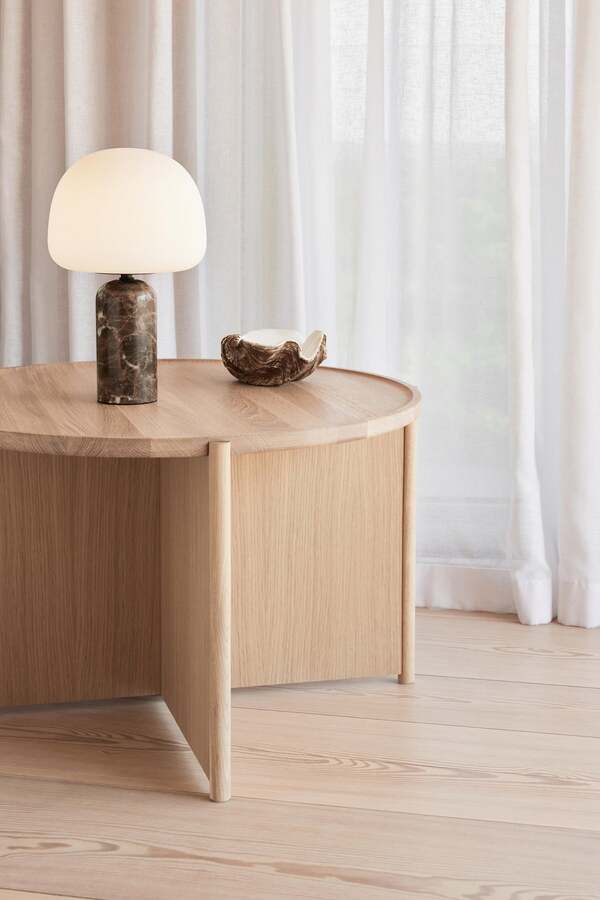
Learn how to choose a reading lamp for focused comfort, considered proportions, and light that brings calm, depth, and enduring character to a room over time.
Explore 20+ sofas, 30+ tables, and 50+ chairs in our 12,000 sq ft showroom, along with a wide selection of designer furniture. Experience quality firsthand and discover the stories behind each piece—it’s a visit truly worth your time.