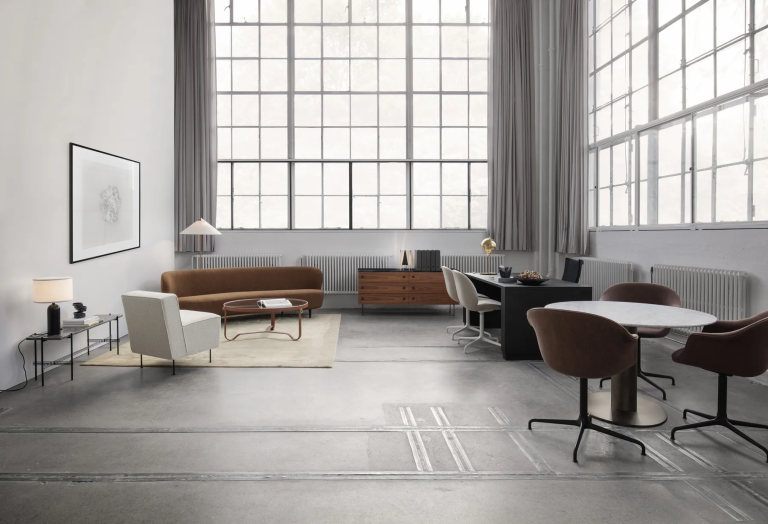
Gubi: Where Scandinavian Heritage Meets Contemporary Glamour
Scandinavian design is usually praised for what it leaves out. Gubi is known for what it puts back in. Where the tradition reaches for restraint,

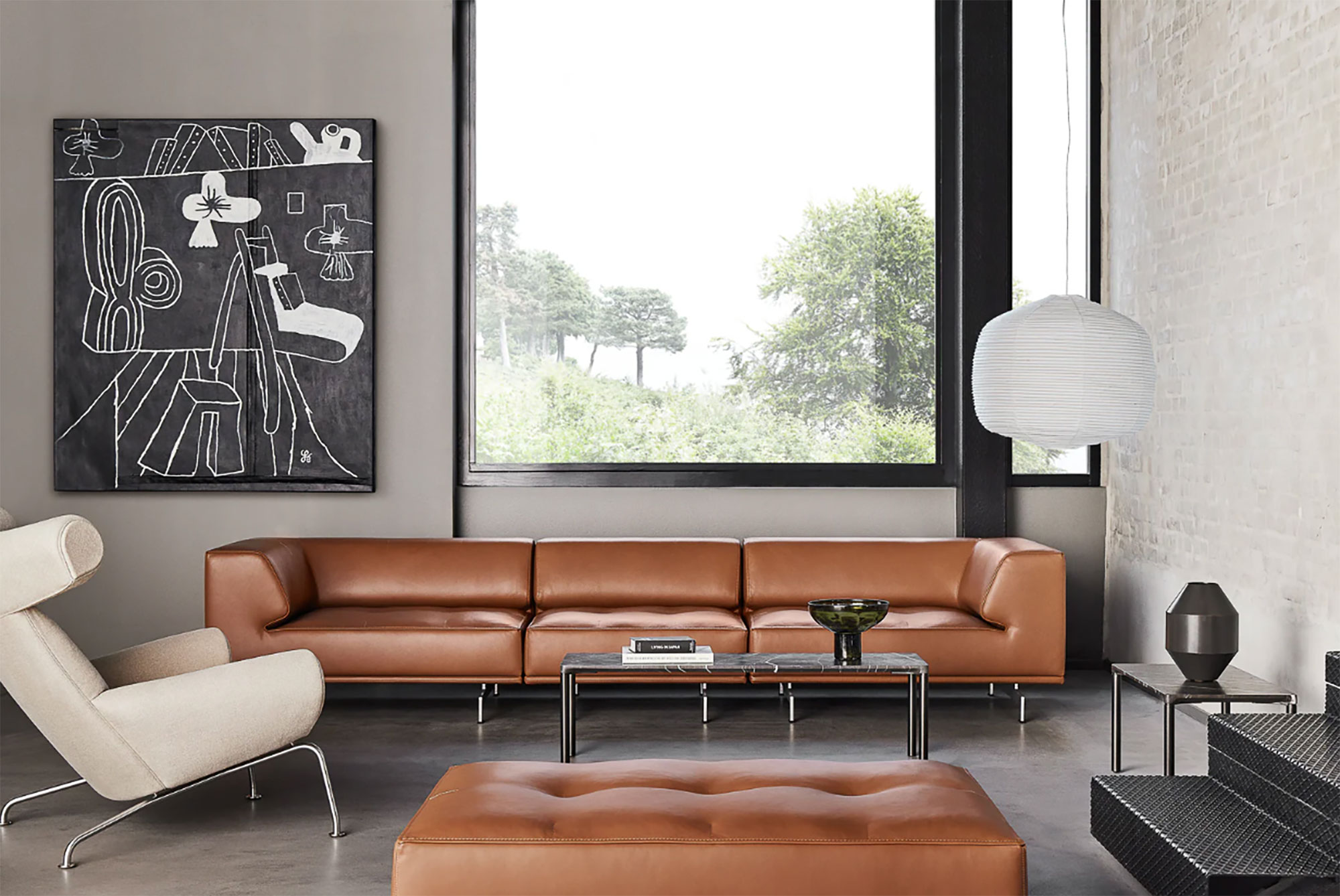
Singapore interiors over the past decade have converged on a familiar formula. White walls. Light timber floors. A cream or grey sofa from a mid-market brand. It is a safe look, and safety has its appeal. The problem is that safe furniture choices date without ageing. A fast-furniture sofa in cream bouclé looks current for two or three years, then it looks tired, then it needs replacing. This is not quiet luxury — it is quiet compromise.
Quiet luxury, the design philosophy that has steadily displaced generic minimalism as the aspiration for discerning homeowners, asks something different. It does not ask you to remove. It asks you to choose better. The distinction shows up most clearly in the sofa — the piece that anchors every living room and carries the most visual and material weight in the home.
Quiet luxury in an interior context describes an approach that prioritises genuine quality, restraint, and longevity over trend-driven aesthetics. It is the opposite of statement furniture. It favours pieces that communicate considered taste through material and craft rather than through scale or novelty. In practice, it means choosing fewer pieces, choosing them more carefully, and choosing them with a thirty-year horizon rather than a five-year one.
The sofa is where this philosophy either holds or collapses. A room can sustain one or two pieces that are less considered, provided the sofa is right. A room with a sofa that reveals its limitations under close inspection — loose covers, foam that has compressed unevenly, stitching that has separated at the seam — announces those limitations to everyone who sits in it. Heritage sofas do the opposite. They reward close inspection. They get better.
What Makes a Sofa Genuinely Heirloom Quality
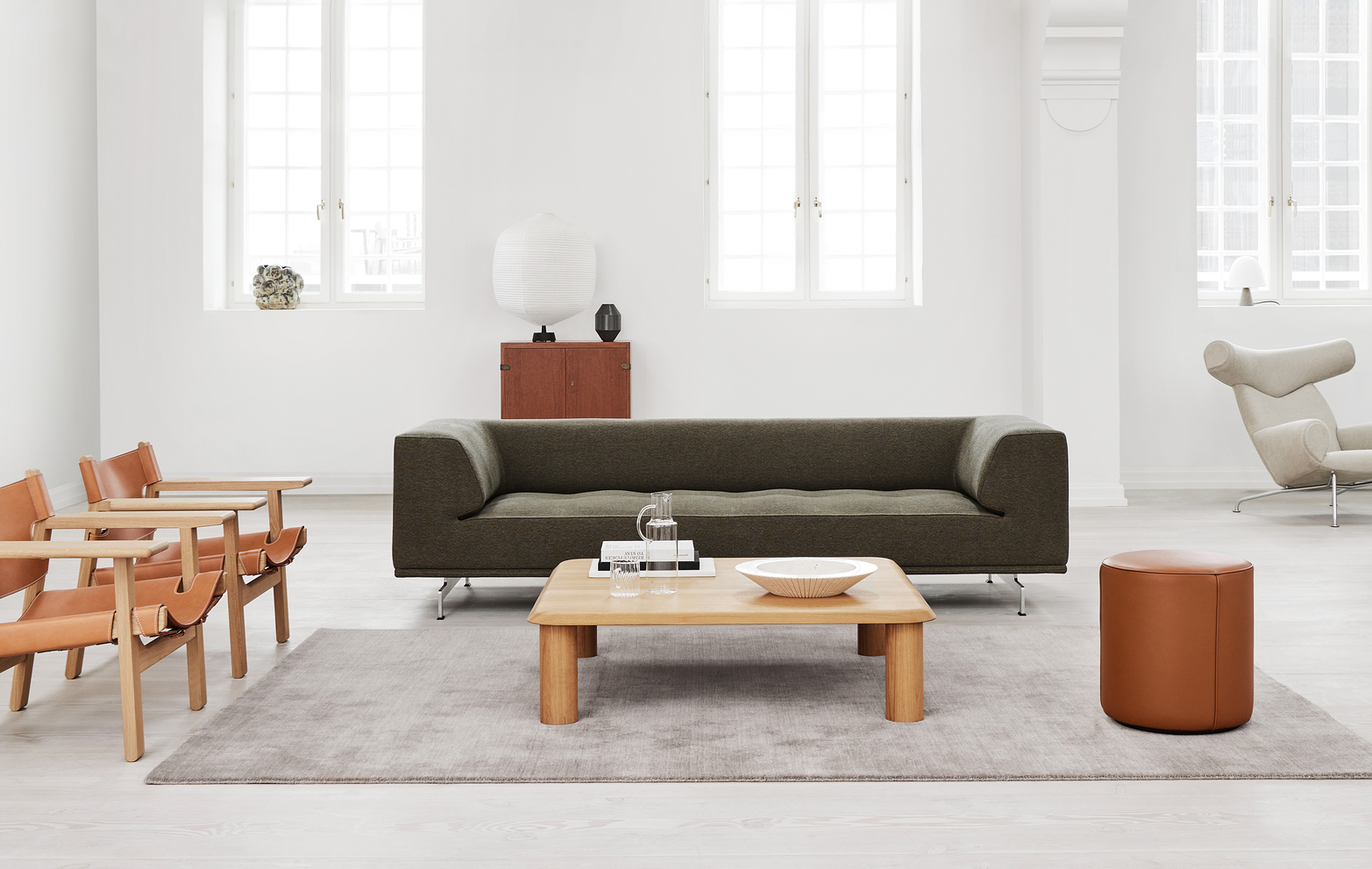
The term heirloom quality is used loosely in furniture marketing, which makes it worth defining precisely. A sofa earns that description when it meets all of the following:
Every Eilersen and Fredericia sofa carried at Danish Design Co meets all of these criteria. Most sofas sold in Singapore at mid-market price points meet none of them — and the difference is not immediately visible in a showroom photograph, which is precisely why seeing them in person matters.
The financial case for a heritage sofa is more straightforward than most people expect. A mid-market sofa in Singapore typically costs between $3,000 and $6,000 and needs replacing within five to eight years. Over fifteen years, that is two to three purchases — plus delivery, disposal, and the living room disruption each replacement brings. An Eilersen or Fredericia sofa, bought once and maintained with basic care, lasts thirty years or more. The per-year cost of ownership is lower. The living with it is significantly better.
This is the financial logic of quiet luxury, and it applies directly to Singapore homeowners who are making purchasing decisions in a market flooded with fast furniture that is priced to feel accessible but costs far more over a lifetime of replacing it. The heritage sofa is not a luxury in the sense of something extravagant and impractical. It is a luxury in the original sense — something of such quality that it earns its place permanently.
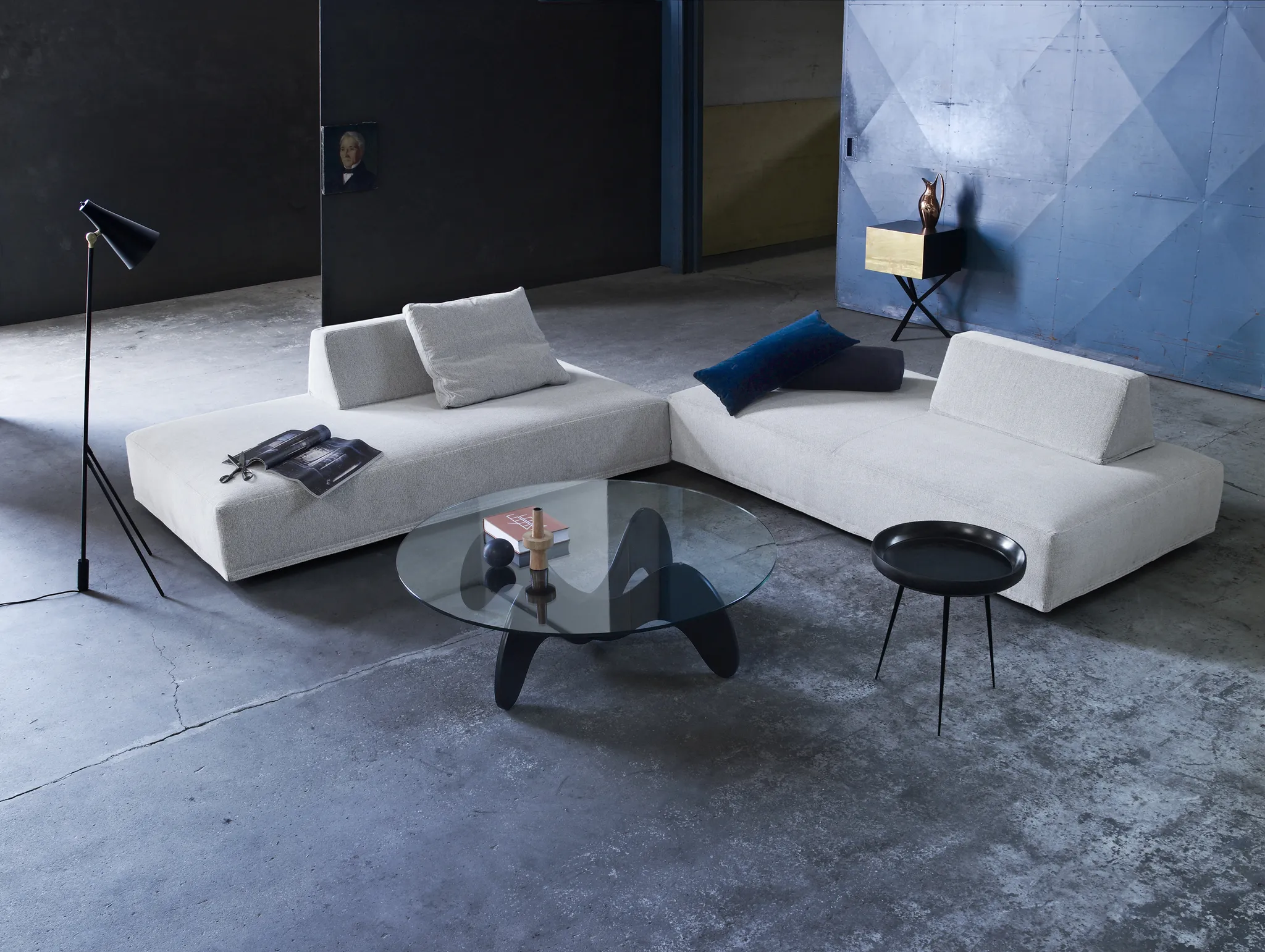
In an open-plan Singapore home — whether a condominium apartment or a landed property — the sofa is visible from the entrance, the dining zone, and often the kitchen. It sets the register of the entire space. A sofa that communicates considered taste and genuine quality elevates everything around it. A sofa that looks acceptable at first glance but reveals its limitations under closer inspection does the opposite, and no amount of careful accessorising recovers the room from a sofa that is not right.
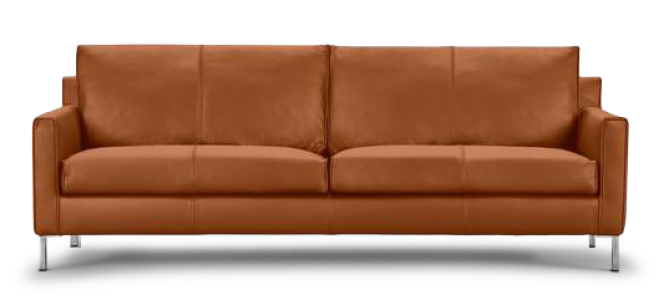
Heritage sofas earn closer inspection. The stitching on a Fredericia Delphi. The depth and softness of an Eilersen full-grain leather hide. The precision of the arm profile on a Fredericia Caterpillar. These are details you notice when you sit with a piece every day for a decade, and they are the details that distinguish a room that feels genuinely inhabited and considered from one that merely looks assembled for a photograph.
Singapore’s air-conditioned interiors are, in fact, well-suited to the natural materials that define heritage sofas. Full-grain and aniline leather in a consistently cool, dry indoor environment do not face the humidity stress that might concern homeowners in a less controlled climate. Instead, they soften gradually and develop the patina that makes a ten-year-old Eilersen sofa more beautiful than a new one — a quality that synthetic materials and protected leather surfaces cannot replicate regardless of how well they are maintained.
High-quality performance fabric in the same conditions resists pilling, maintains its texture, and holds its colour over years of daily use. The material decisions that define a heritage sofa are not just aesthetically superior in a Singapore context — they are practically suited to how Singapore homes are actually lived in.
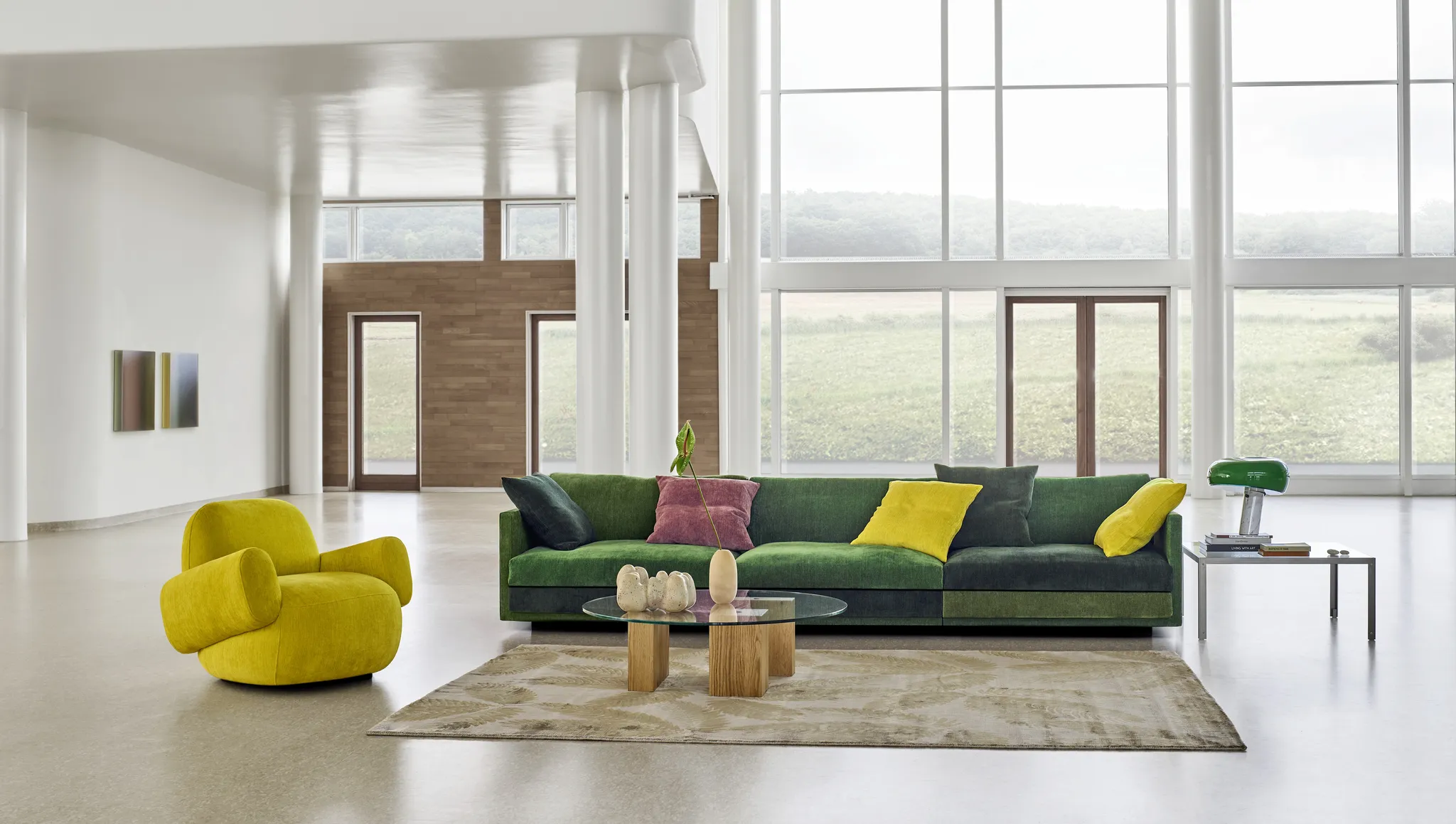
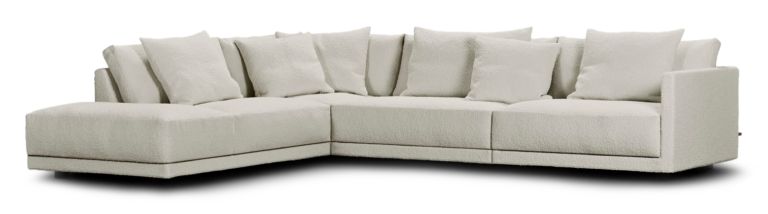
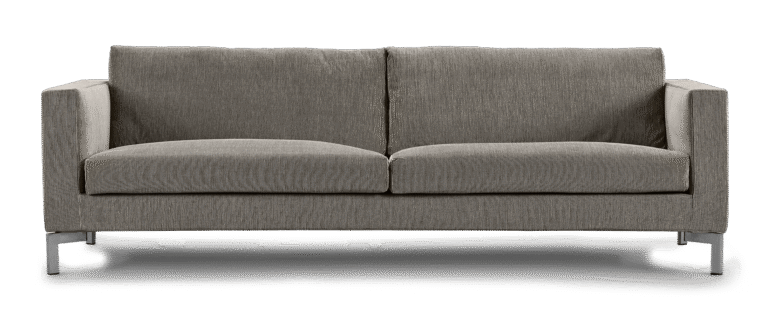
At our 12,000 sq ft showroom at 100E Pasir Panjang Road, multiple Eilersen and Fredericia configurations are on display in full scale. You can sit in them, compare leather grades and fabric options in person, assess the proportions against your own spatial instincts, and have a genuine conversation with our team about what will work in your home. This is not the kind of purchase that should be made from a product page. The difference between a heritage sofa and a mid-market alternative is not something a photograph communicates. Come and feel it.

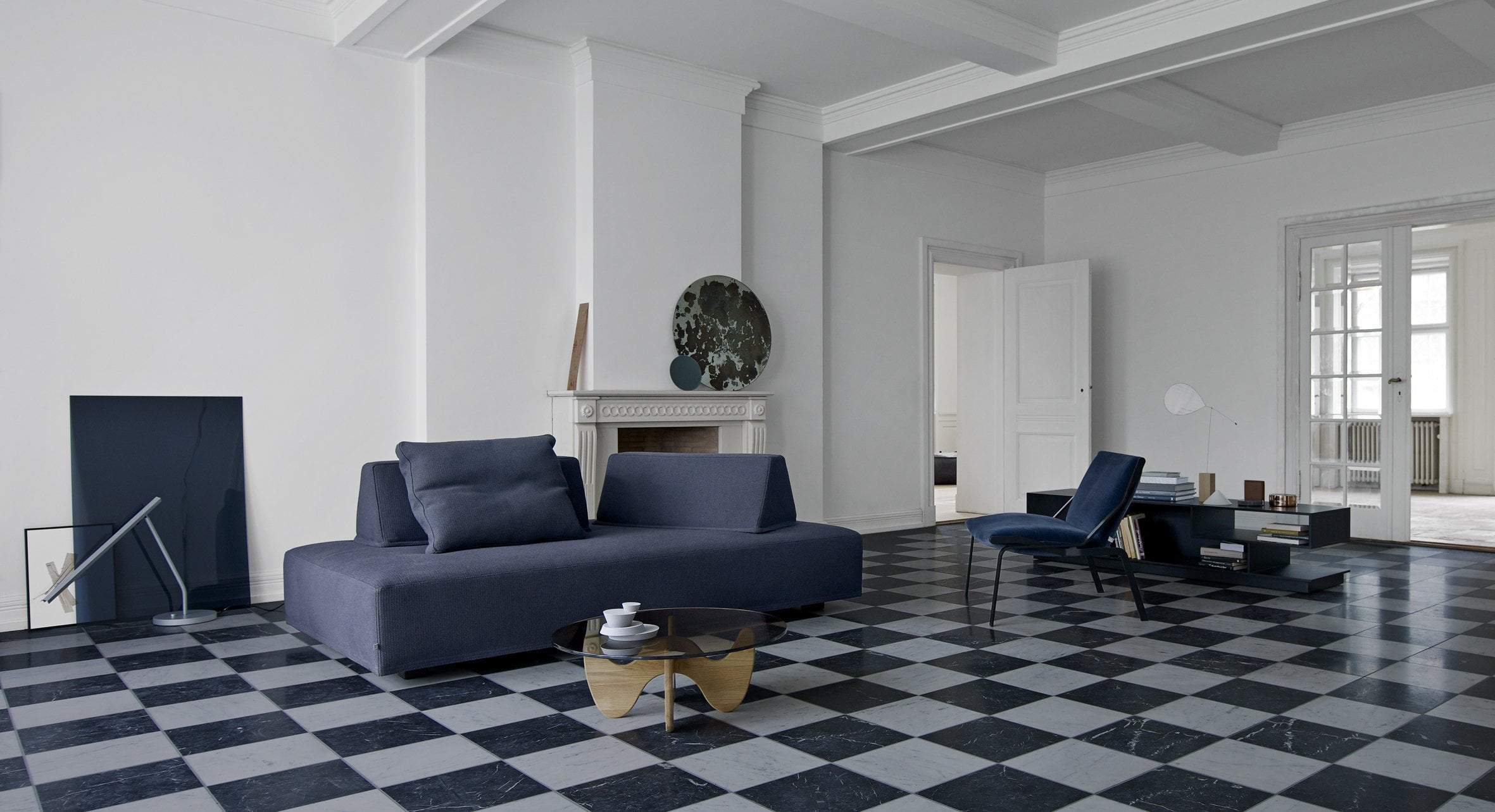
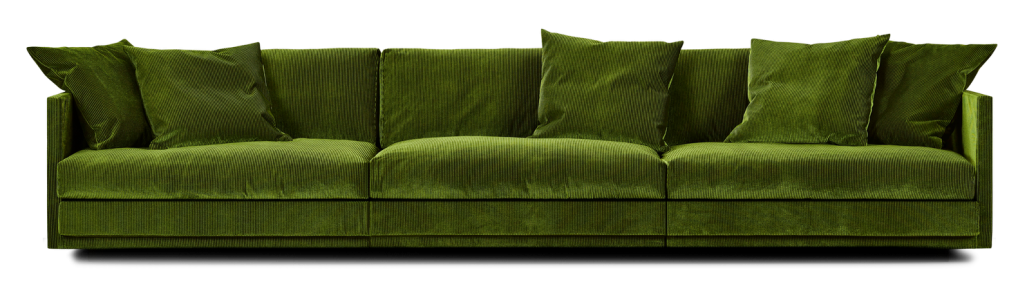
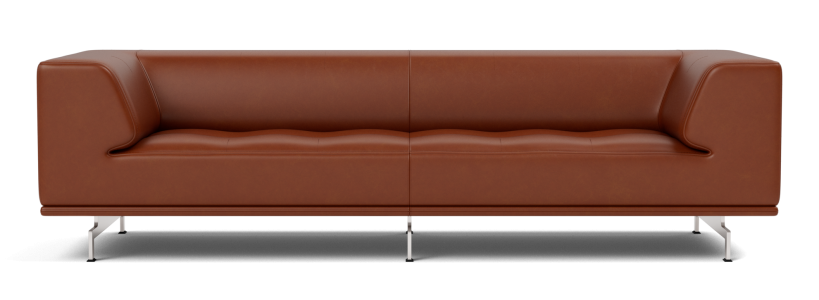
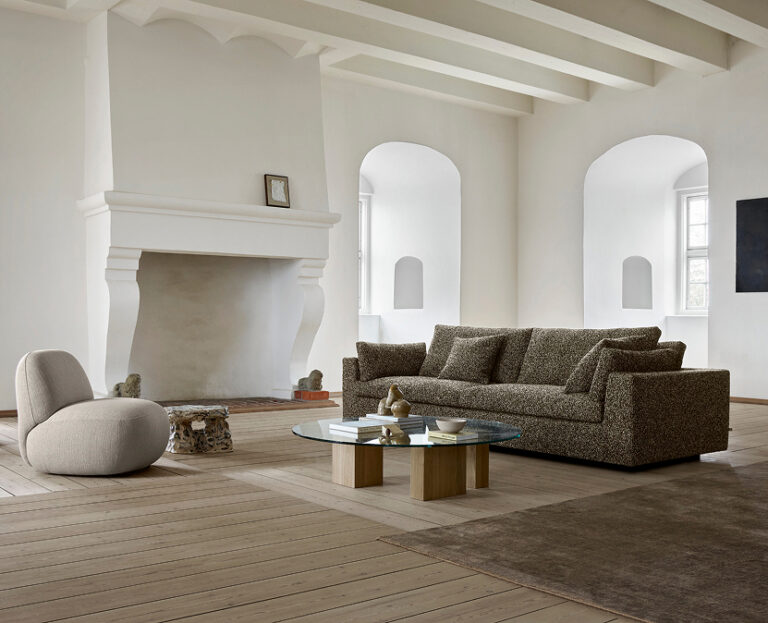

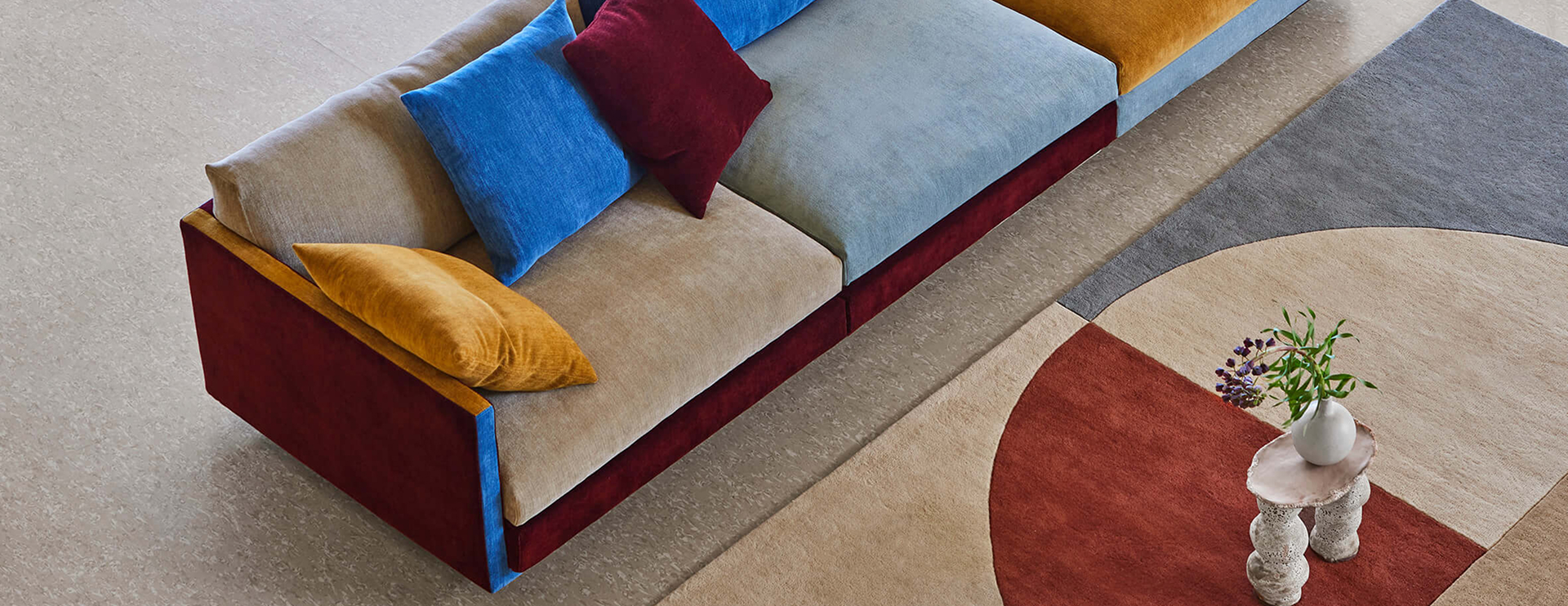
Scandinavian design is usually praised for what it leaves out. Gubi is known for what it puts back in. Where the tradition reaches for restraint,
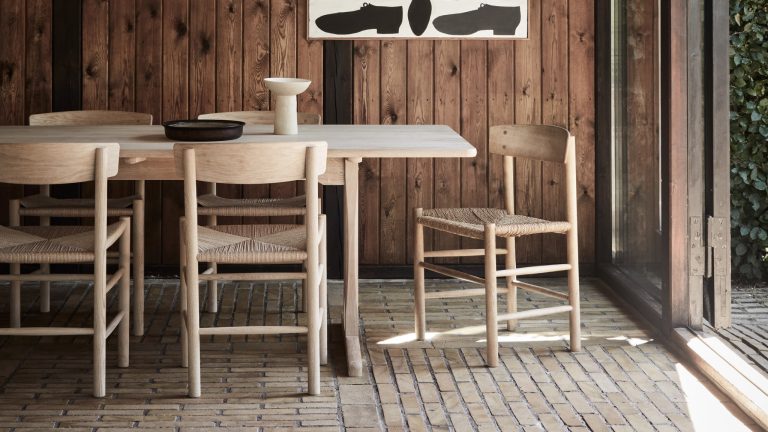
Some furniture houses chase the look of the moment. Fredericia has spent over a century doing the opposite. The Danish house is known for pieces