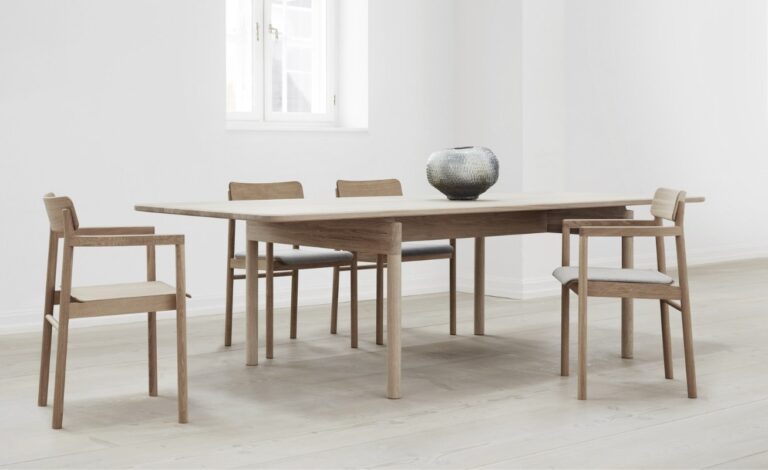
Fredericia: The New Danish Masters of Ethical and Timeless Design
Explore Fredericia, a leading Danish furniture brand known for ethical craftsmanship, Scandinavian sofas and timeless furniture designed to last.

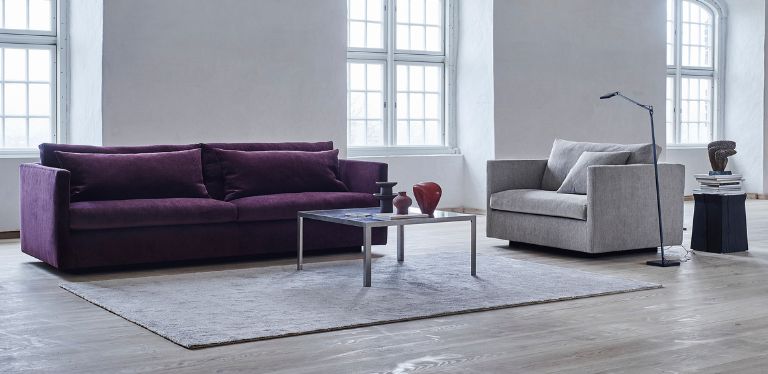
Traditionally, matching sofa sets were seen as the “safe” choice. A 3-seater paired with identical armchairs created symmetry and order. It was easy, predictable, and widely accepted.
But modern interior design—especially Scandinavian design—has moved away from this rigidity. Today, the focus is on balance over symmetry and personality over uniformity. In Singapore homes, where layouts vary from compact apartments to expansive landed properties, this shift is not just aesthetic—it’s practical.
Why Matching Sofas Can Limit Your Space
Matching sofas often create visual monotony. In smaller Singapore spaces, this can make a room feel heavier and more crowded than it actually is. When every piece looks the same, the eye has nowhere to rest and the room can feel more like a staged showroom than a home that evolves with you.
There is also a missed opportunity. A living room is one of the few spaces where you can layer personality, texture, and contrast. Matching removes that dimension entirely.
The Case for Mixing Sofas
Mixing sofas is not about creating contrast for the sake of it. It is about building a space that feels intentional, layered, and comfortable.
A well-designed living room might combine different silhouettes, tones, and materials while still feeling cohesive. For example, pairing a structured sofa with a softer lounge chair introduces contrast without chaos. Using complementary tones instead of identical colours adds depth. Even combining leather and fabric can elevate the space when done thoughtfully.
In Singapore, where natural light is strong, this approach works particularly well. Subtle variations in colour and material respond beautifully to changing light throughout the day.
How to Mix Sofas Successfully
The key principle is cohesion, not duplication. Everything should feel connected, even if nothing is identical.
When done well, the result feels effortless, even though it has been carefully considered.
Scandinavian Design: The Perfect Framework
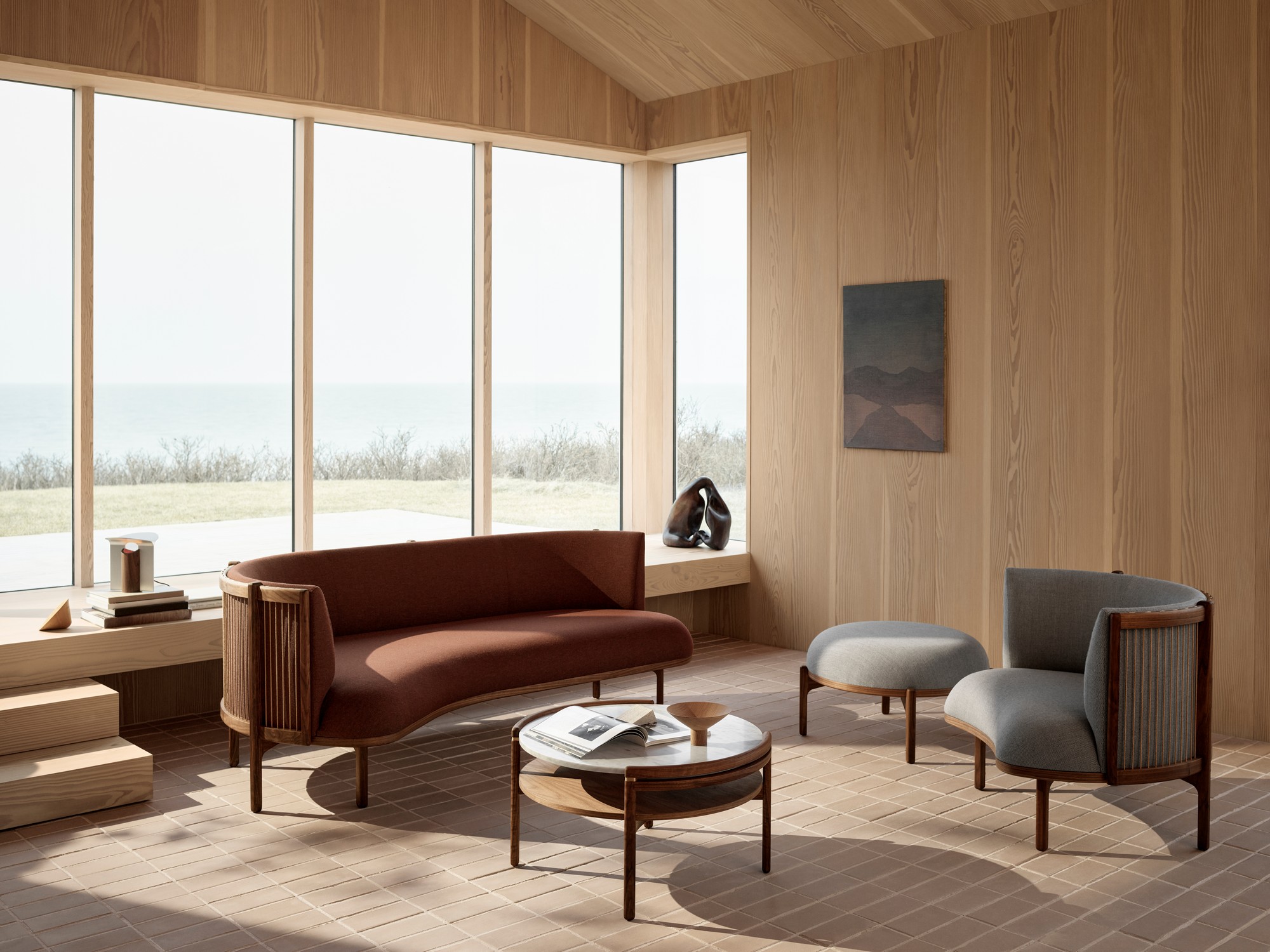
Scandinavian design naturally supports this way of thinking. Rather than encouraging matching sets, it focuses on timeless individual pieces that can stand on their own.
This philosophy is at the heart of The Danish Design Company, where the emphasis is on craftsmanship, proportion, and longevity rather than trend-driven collections.
For Singapore homeowners, this is especially relevant. A well-made sofa should adapt to different homes and layouts over time. Mixing allows you to build your space gradually, investing in pieces that work together without being locked into a single look.
Choosing the Right Sofa Mix in Singapore
Living in Singapore introduces practical considerations that should guide your choices. Climate, lifestyle, and space all play a role in how your living room functions.
Breathable materials are essential, particularly in a humid environment. Modular sofas offer flexibility for changing layouts, while removable covers can be invaluable for families or those who entertain frequently.
At The Danish Design Company, the range of sofas is curated to allow this kind of flexibility. From more architectural designs to relaxed lounge seating, the collection supports a layered approach to furnishing rather than a one-size-fits-all solution.
When Matching Does Work
There are still situations where matching sofas can be effective. In more formal living rooms, symmetry can create a sense of calm and structure. Larger spaces may also benefit from matching pieces to anchor the room visually.
However, even in these cases, the most refined interiors often introduce variation through cushions, throws, or surrounding furniture. Complete uniformity is rarely what makes a space feel exceptional.
The Smarter Approach
The real question is not whether sofas should match, but whether the space feels balanced, comfortable, and aligned with how you live.
Matching is the easier route. Mixing requires more thought, but it allows for a richer, more personal result. In a place like Singapore, where homes must work hard for both function and style, this approach is not just more interesting—it is more intelligent.

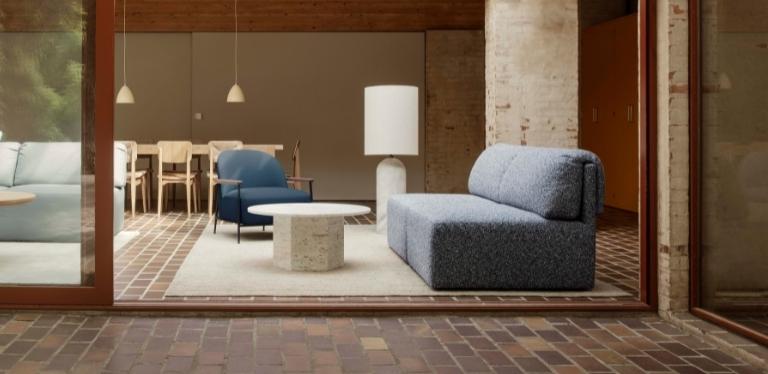
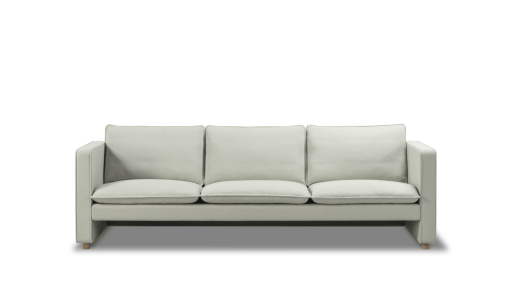

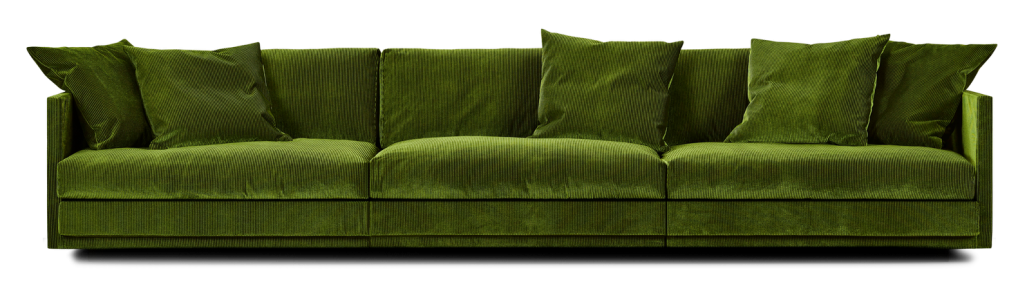
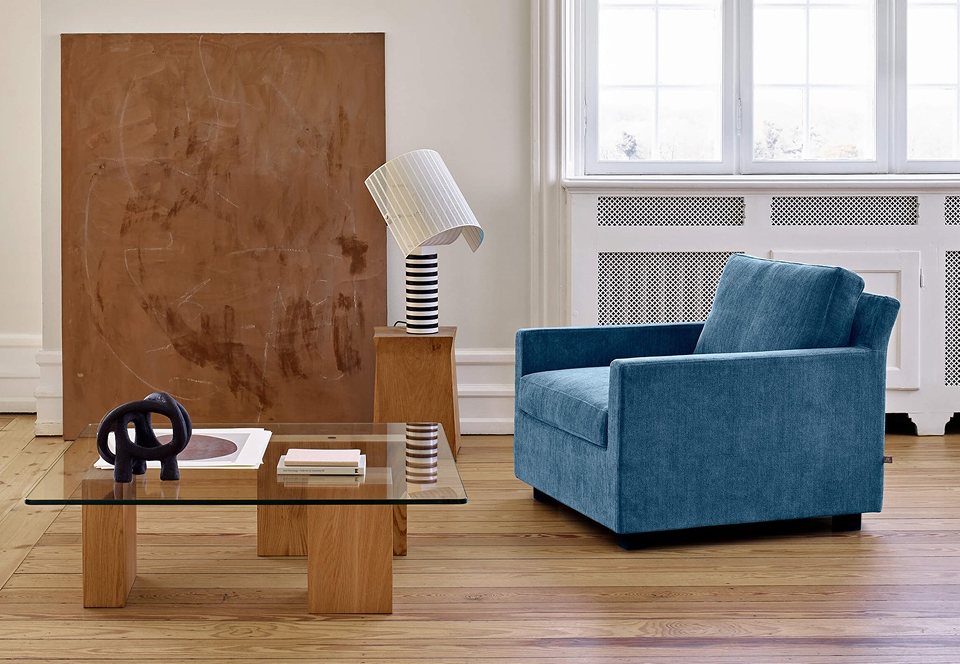
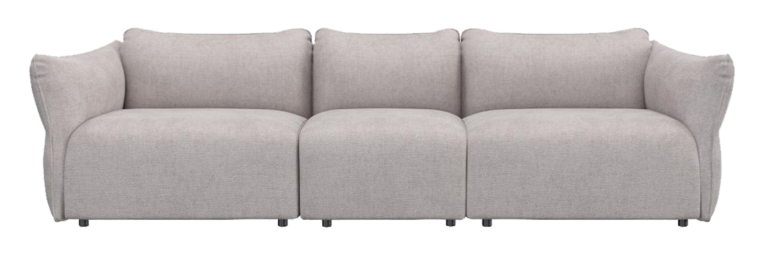
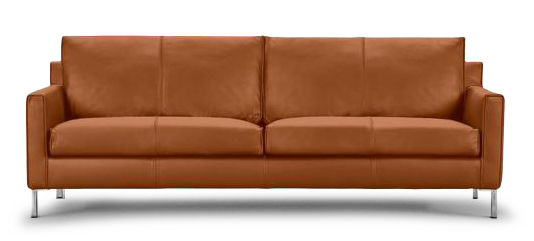
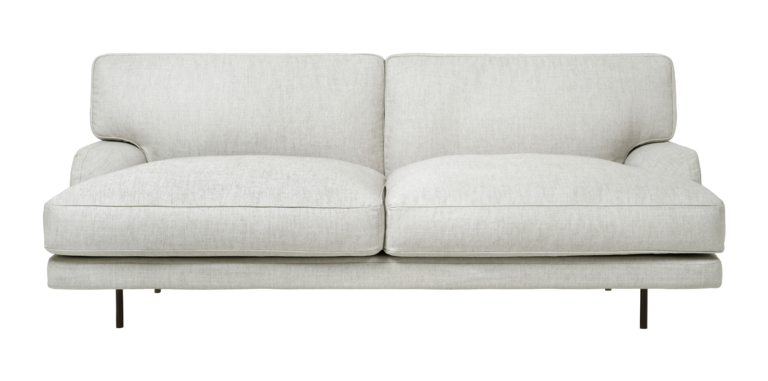
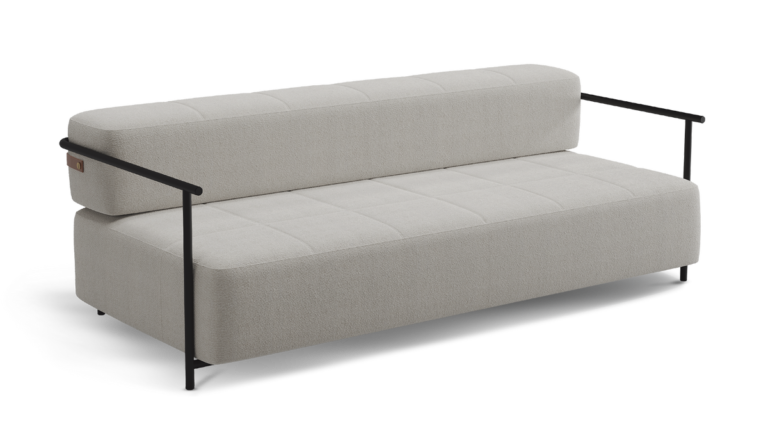
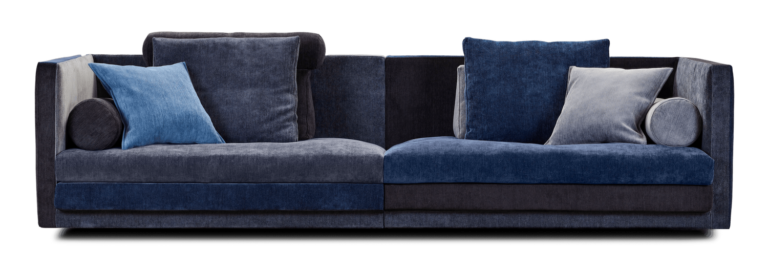
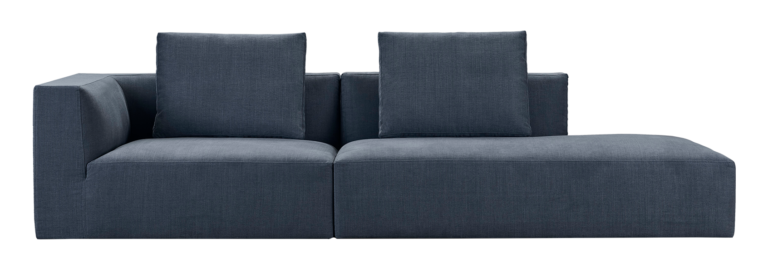
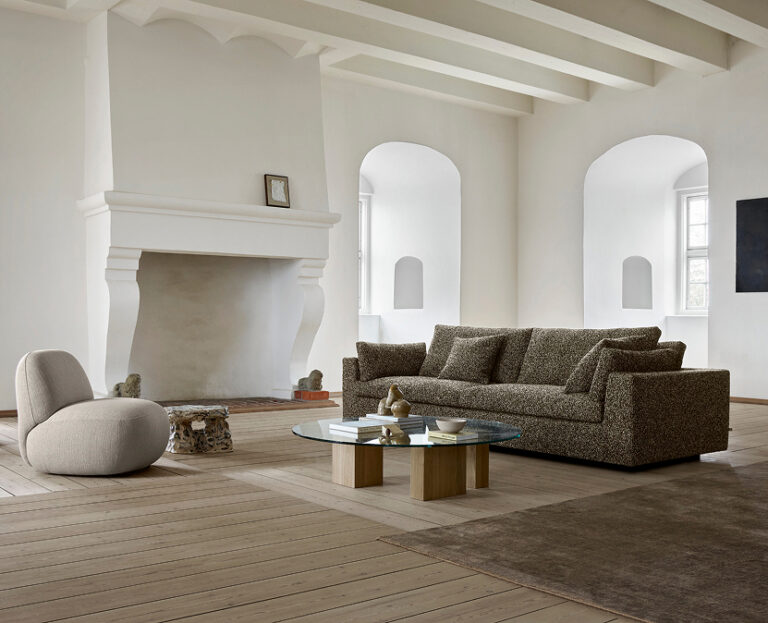

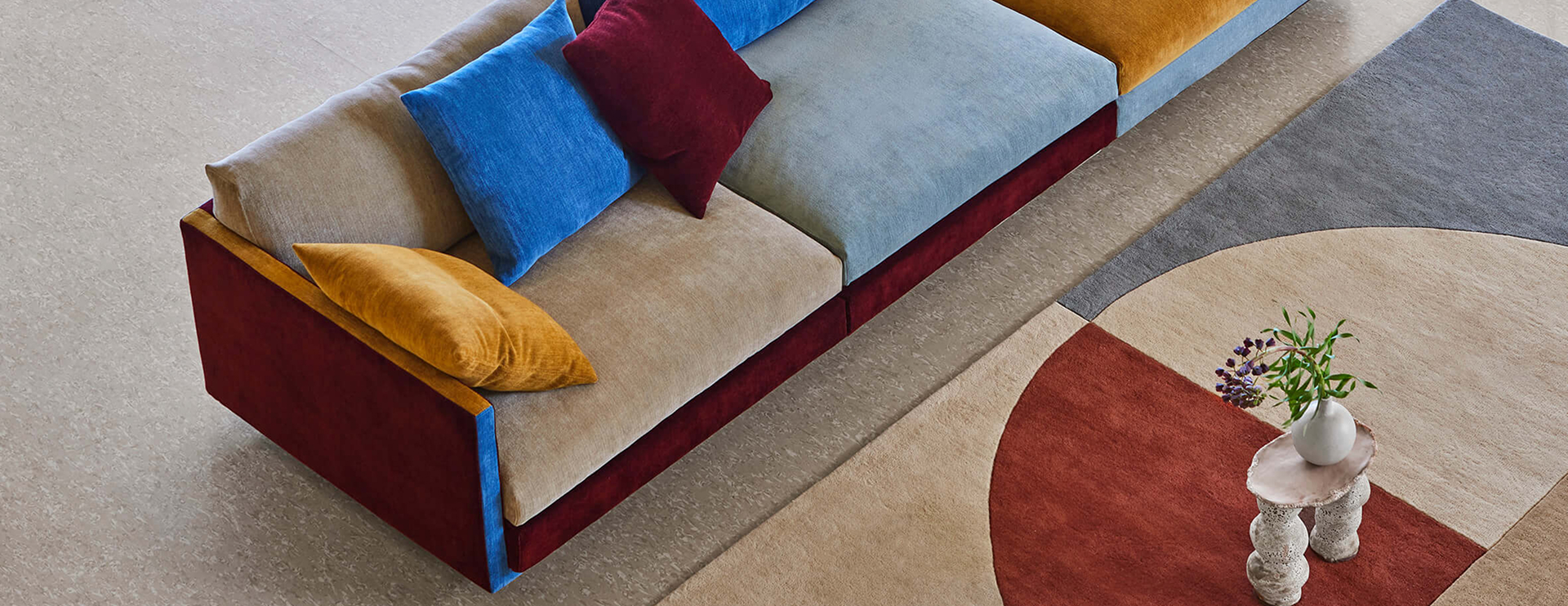
Explore Fredericia, a leading Danish furniture brand known for ethical craftsmanship, Scandinavian sofas and timeless furniture designed to last.
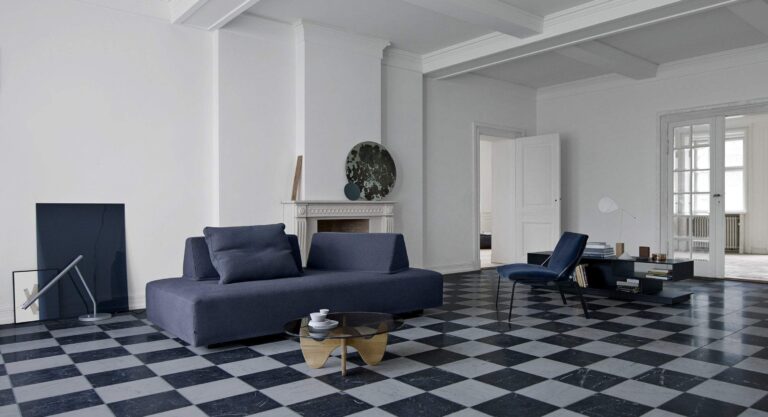
Living rooms in Singapore condominiums are often designed as open, multi-use spaces. The same area may serve as a place for entertaining, relaxing with family,