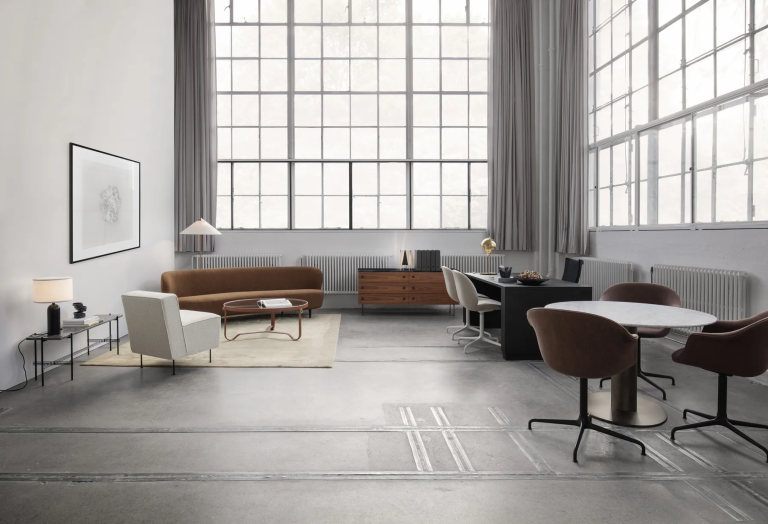
Gubi: Where Scandinavian Heritage Meets Contemporary Glamour
Scandinavian design is usually praised for what it leaves out. Gubi is known for what it puts back in. Where the tradition reaches for restraint,

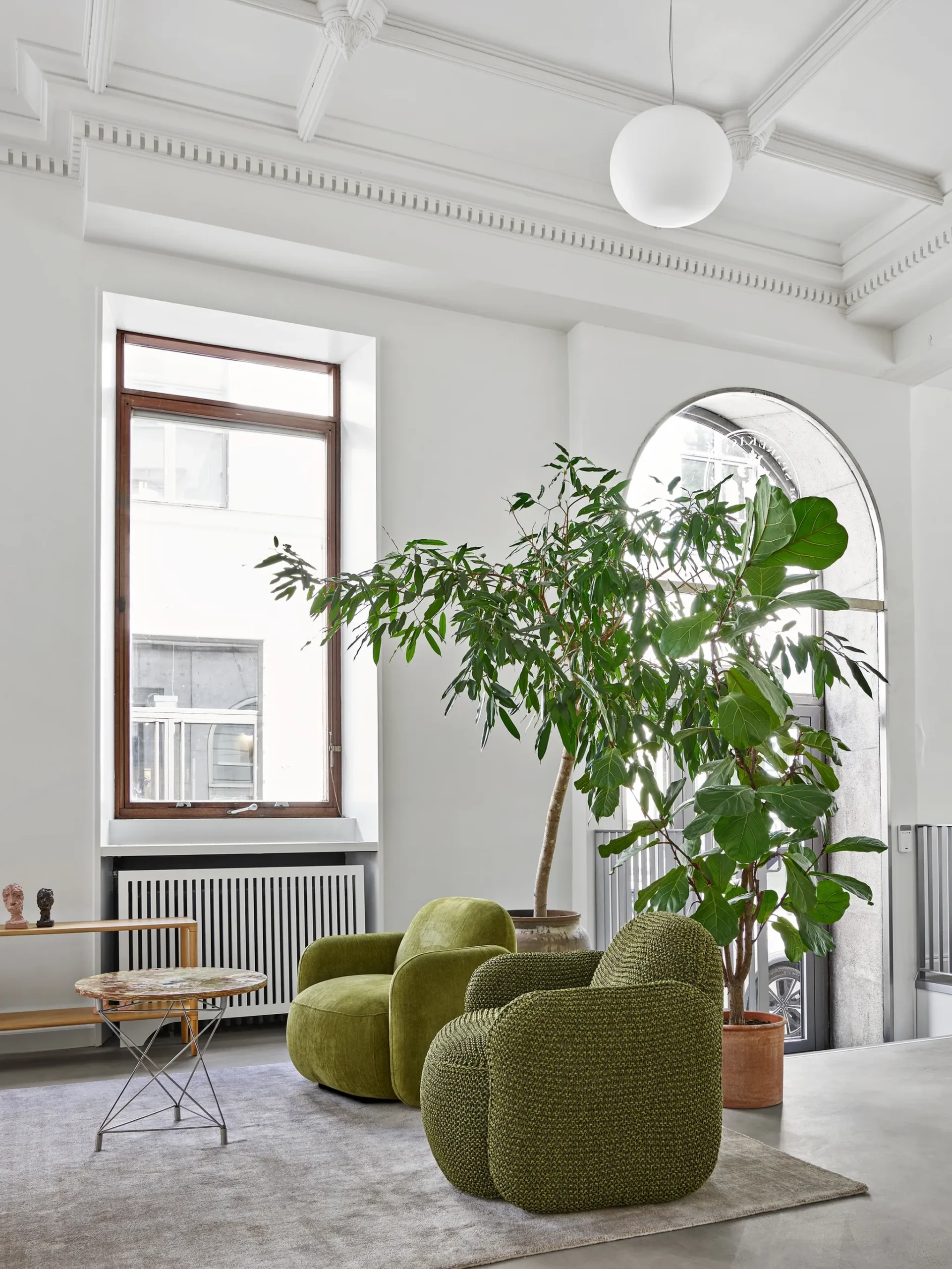
Eclectic interior design is the considered mixing of pieces from different eras, design traditions, cultural origins, and material palettes within a single coherent interior. The word considered is not decorative. It is the defining characteristic that separates an eclectic interior from a cluttered one. Every piece in a genuinely eclectic room has been chosen with a clear understanding of how it relates to everything else in the space. The diversity of sources is the point. But the coherence of the whole is non-negotiable.
Eclectic design has a long history in the most significant interior design traditions worldwide. The great English country houses of the eighteenth and nineteenth centuries mixed European furniture with Asian ceramics, Indian textiles, and ancient artefacts in a way that would be described as eclectic today. The most celebrated modernist interiors of the twentieth century combined industrial materials with antique pieces and contemporary art. The most considered Singapore interiors of 2026 mix Scandinavian furniture with mid-century lounge chairs, Asian craft objects, and contemporary lighting in arrangements that are simultaneously international and deeply personal.
The rules that produce a coherent eclectic interior are these:
The most consistently successful approach to mixing design eras in a Singapore home is to establish one dominant era as the foundation and introduce one or two contrasting periods as counterpoints. A room anchored by Scandinavian mid-century furniture in solid walnut, with a contemporary upholstered sofa and a single antique or artisanal piece as a counterpoint, is a more resolved composition than one that attempts to give equal weight to three or more distinct periods simultaneously.
A piece without a strong design identity in an eclectic interior simply disappears. This is one of the most important practical lessons of eclectic design: the pieces you mix must each be strong enough to earn their place in the composition.
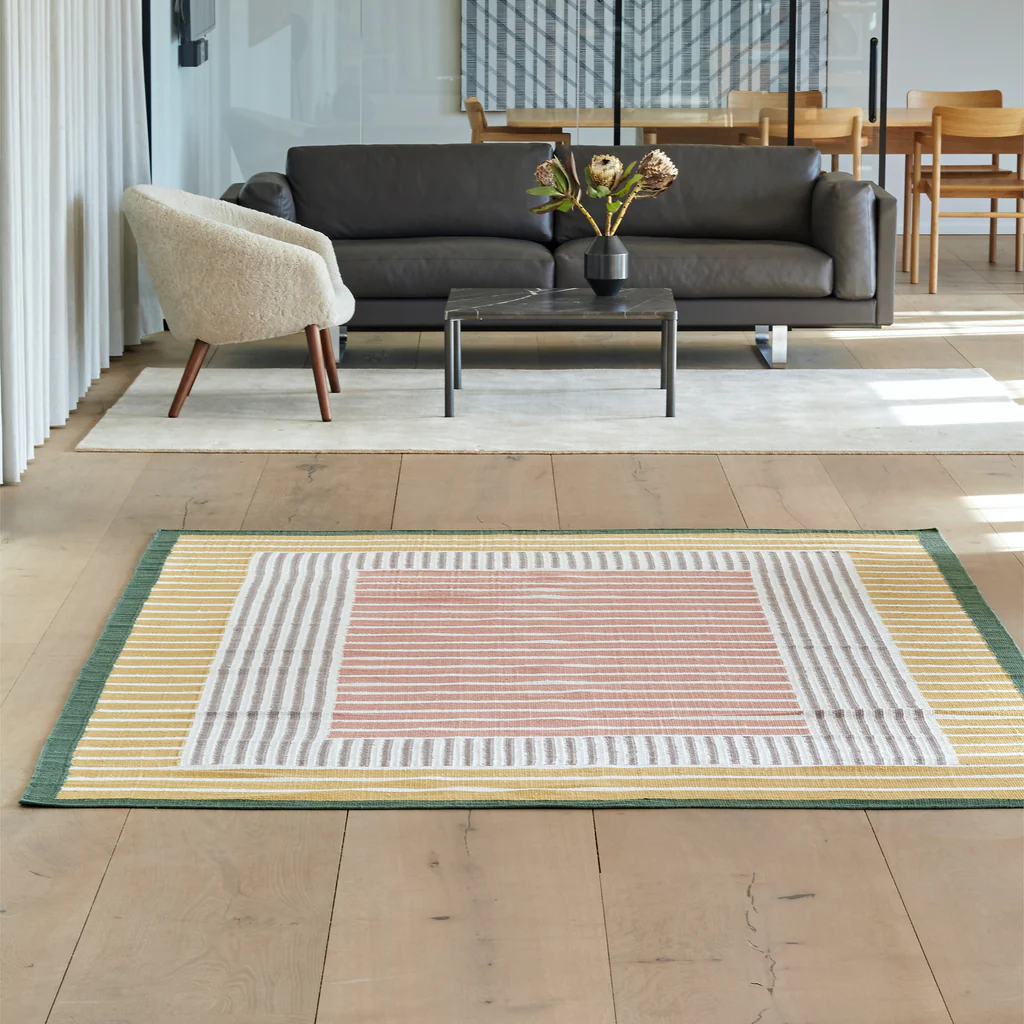
Pattern and texture mixing is the dimension of eclectic design that most consistently produces either the richness of a layered interior or the visual noise of an overwhelmed one. The principles that produce the former rather than the latter are consistent across every eclectic interior that works.
Vary the scale of patterns rather than their quantity. A large-scale pattern in a rug, a medium-scale pattern in a cushion, and a small-scale pattern in a throw can coexist in one room without competing. Three patterns at the same scale in the same room produce visual conflict regardless of how beautiful each individual pattern is. Connect patterns through colour. Two patterns that share at least one colour can coexist in a room even when their scale and character are very different. A floral cushion and a geometric rug that share a terracotta tone are in conversation with each other. The same two patterns without a shared colour are simply two unrelated objects in the same room.
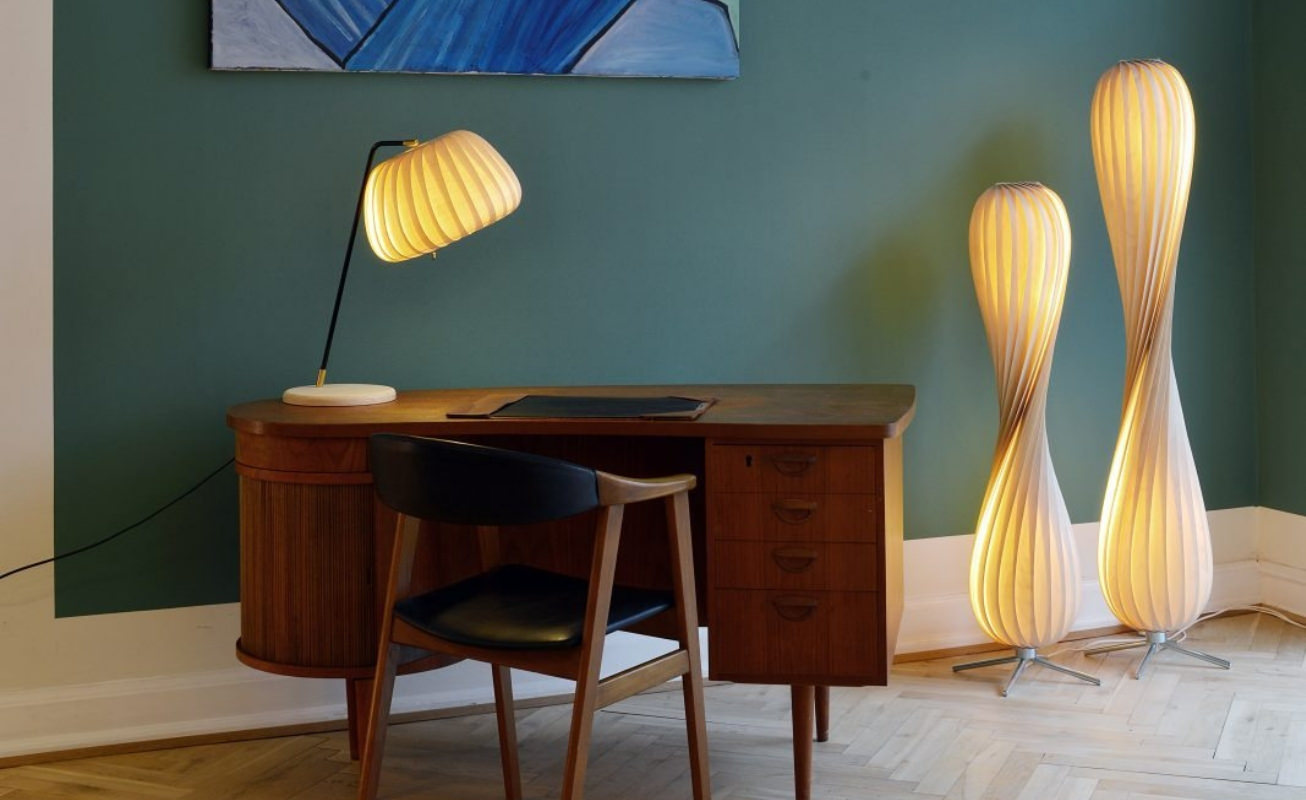
Singapore is a naturally eclectic city. Its cultural history, its position at the intersection of multiple design traditions, and the diversity of its residential architecture create conditions where eclectic interior design is not only appropriate but almost inevitable in the most genuinely personal Singapore homes. The challenge is applying the compositional discipline that separates a curated Singapore interior from an accumulated one.
The most common eclectic design mistakes in Singapore homes follow a predictable pattern. Too many pieces from renovation packages that share a generic aesthetic rather than a personal one. Too many objects displayed on too many surfaces without the empty space that gives the eye permission to move between them. Pattern mixing without a connecting colour thread that holds the diverse elements in visual relationship. High-quality furniture pieces mixed with low-quality decorative objects in a combination that reveals the quality differential rather than resolving it. Each of these mistakes is the result of eclectic decoration without eclectic discipline, and each is straightforward to avoid once the compositional rules are understood.
An eclectic interior needs anchor pieces: furniture of sufficient design quality and visual confidence to hold the composition together regardless of what surrounds them. These are almost always the primary furniture pieces in each room. The sofa. The lounge chair. The dining table. The sideboard. When these pieces are of genuine quality and possess a clear, confident design identity, they create a stable compositional foundation on which the more diverse and personal elements of an eclectic interior can be layered.
The Eilersen sofa range, the Fredericia lounge chair range, the Naver Collection sideboard range, and the Carl Hansen and Son dining furniture range at Danish Design Co all perform this anchor function. Each piece has a design identity clear and confident enough to hold its own in a mixed arrangement. Each is built to a material standard that reveals its quality more clearly when placed beside pieces of diverse origin, rather than less. This is the quality that makes Scandinavian furniture particularly well suited to the anchor role in an eclectic Singapore interior, and it is why the most genuinely personal Singapore homes so consistently include at least one piece from this tradition at their compositional centre.
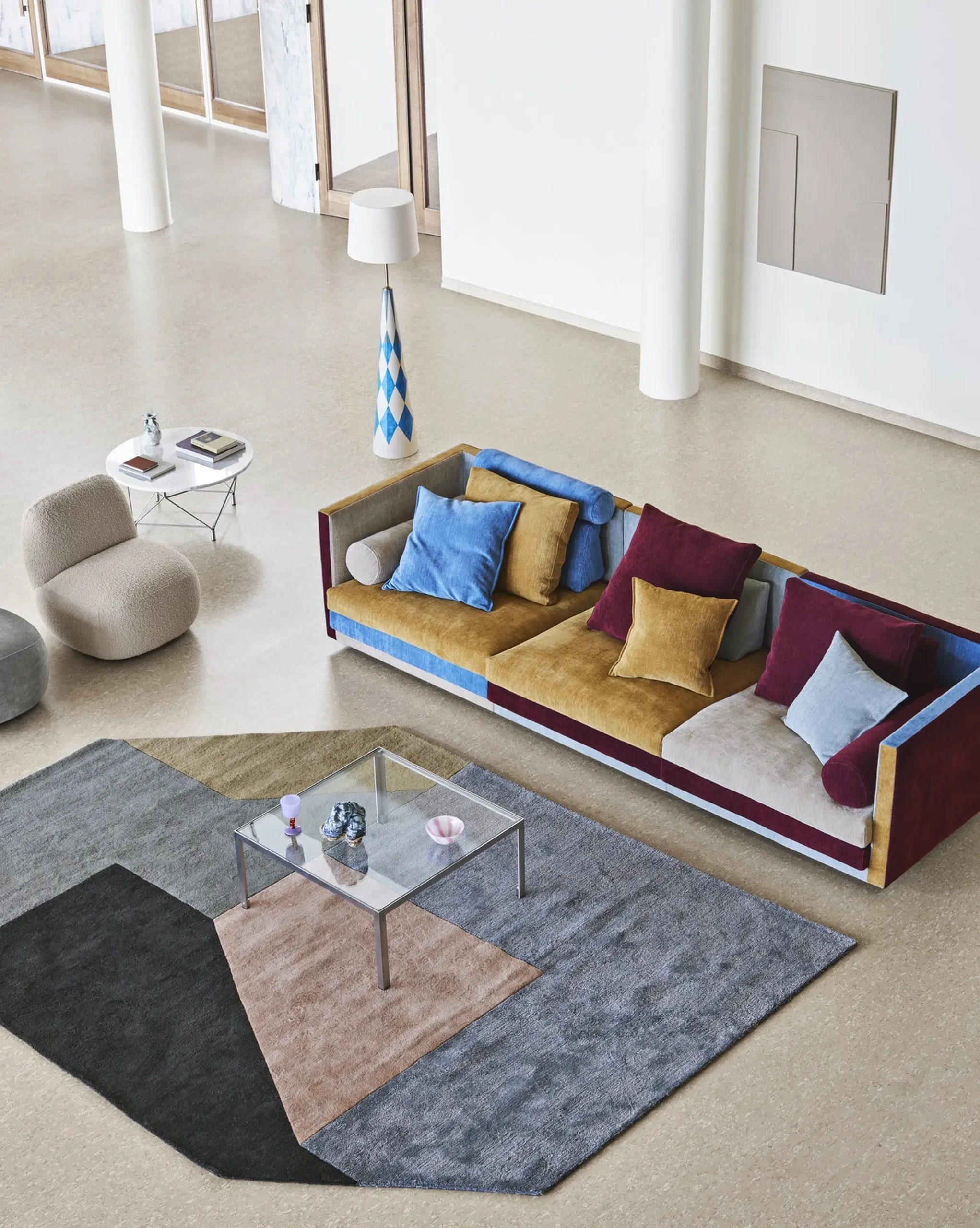
Danish Design Co carries the anchor pieces that make eclectic interior design work in Singapore. Sofas from Eilersen in full-grain leather and performance fabric. Lounge chairs from Fredericia and GUBI in solid timber and natural upholstery. Dining furniture from Carl Hansen and Son and Naver Collection in solid walnut and solid oak. Lighting from GUBI and Northern Lighting with enough sculptural presence to hold their own in a mixed arrangement. Rugs from Massimo Copenhagen in natural fibre that provide the material foundation for a layered eclectic composition. Multiple pieces are on display at our showroom at 100E Pasir Panjang Road, where our team can advise on how to build a curated eclectic interior around the anchor pieces that will give the composition its stability and its confidence.

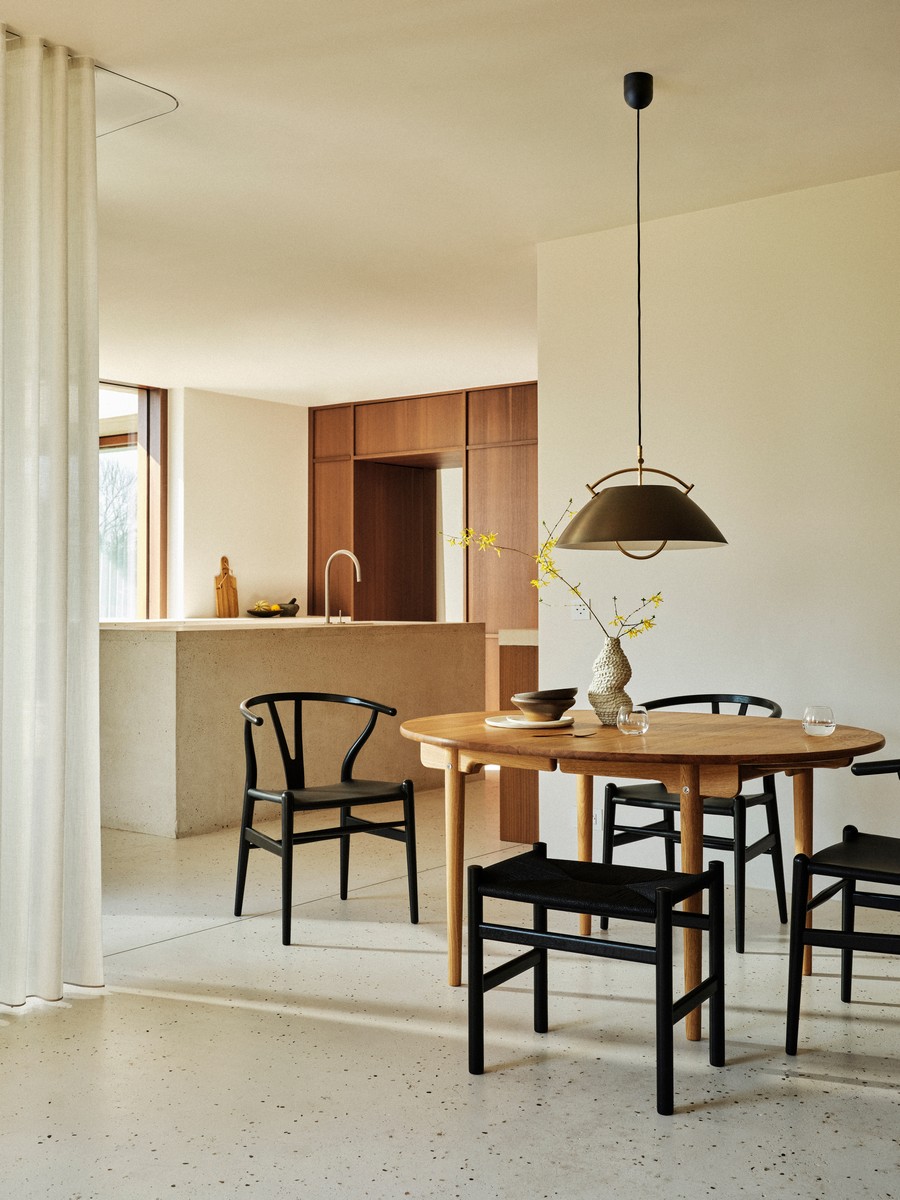
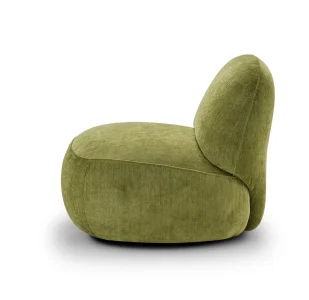
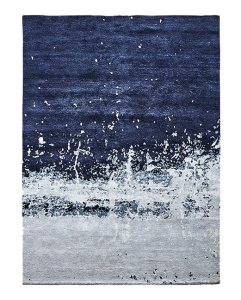
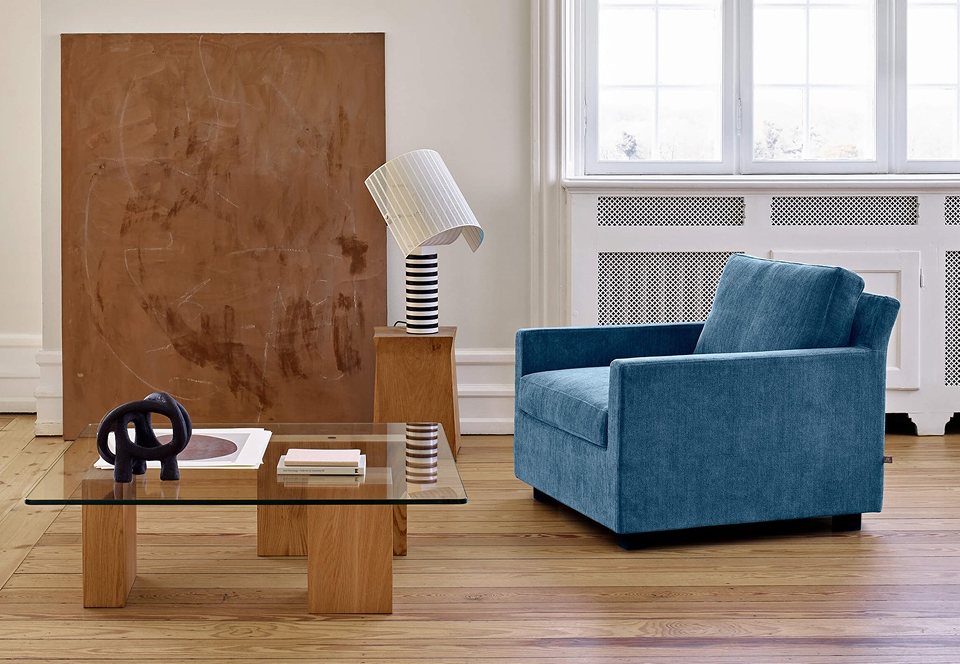
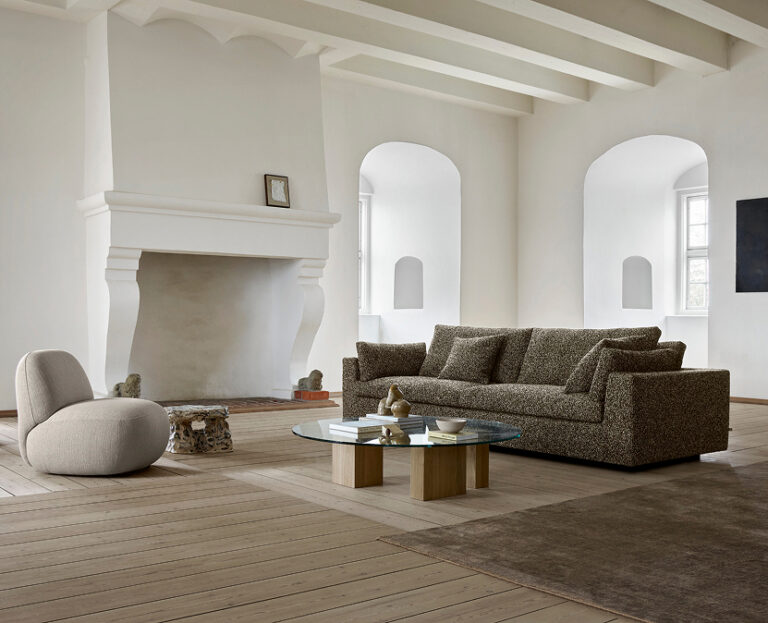

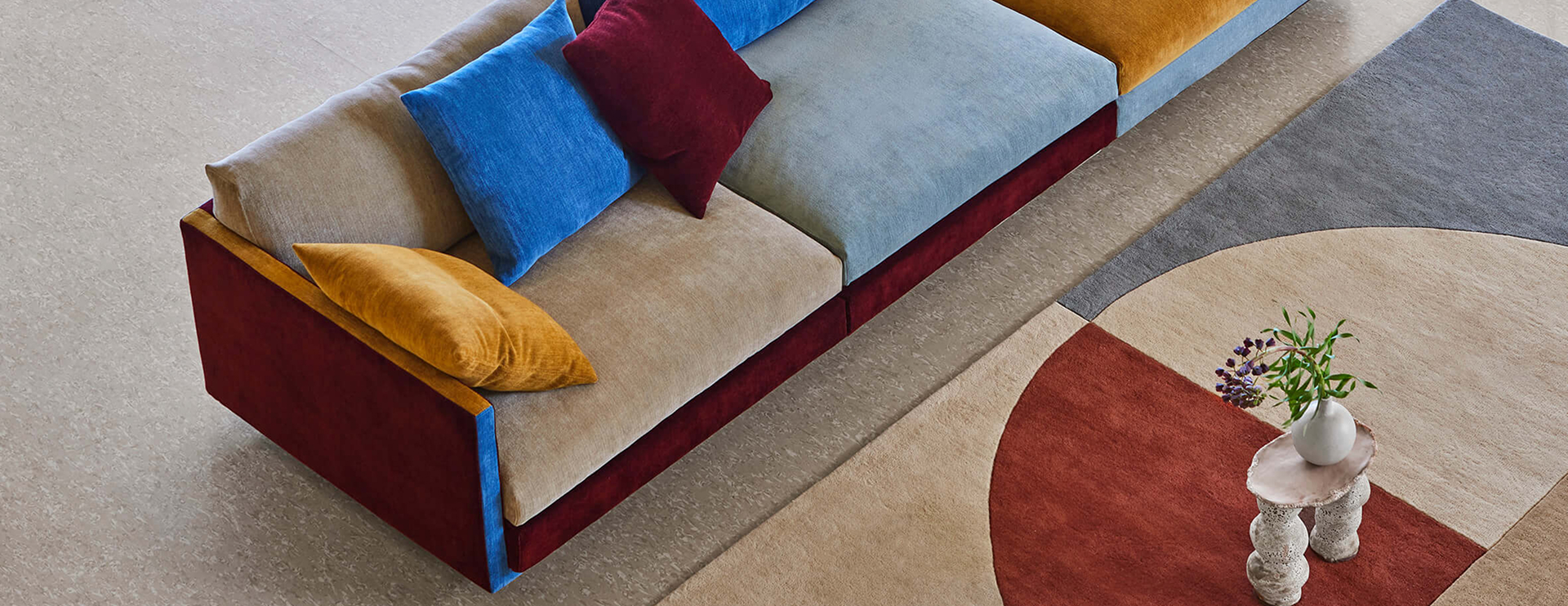
Scandinavian design is usually praised for what it leaves out. Gubi is known for what it puts back in. Where the tradition reaches for restraint,
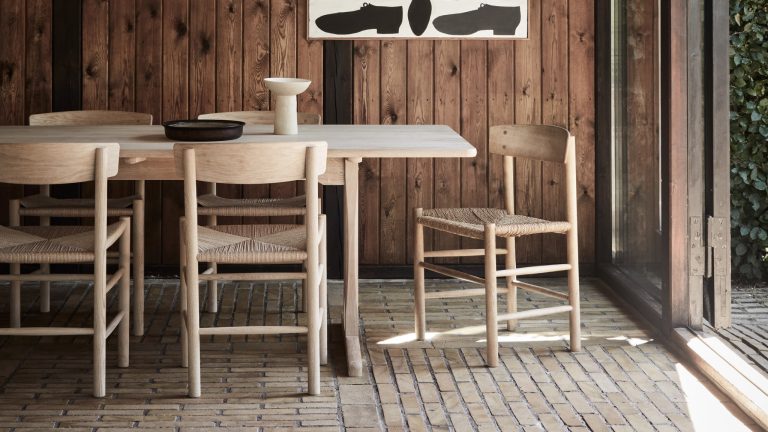
Some furniture houses chase the look of the moment. Fredericia has spent over a century doing the opposite. The Danish house is known for pieces