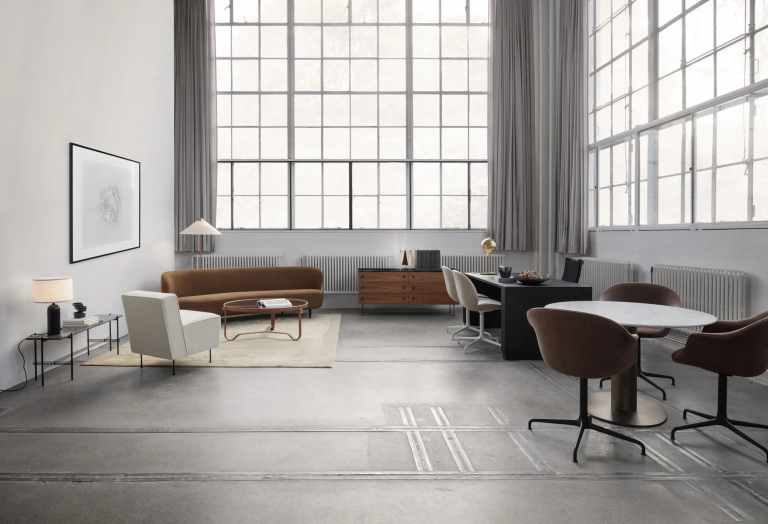
Gubi: Where Scandinavian Heritage Meets Contemporary Glamour
Scandinavian design is usually praised for what it leaves out. Gubi is known for what it puts back in. Where the tradition reaches for restraint,


Fabric pilling occurs when loose fibres become tangled together on a fabric’s surface. These fibres form small, visible balls known as pills. They often appear on areas that experience repeated contact or rubbing. On sofas, fabric pilling commonly develops on seat cushions, armrests, and backrests. These areas experience frequent friction from sitting, clothing, and everyday movement. Pilling can affect many upholstery materials, including polyester, cotton, wool, and blended fabrics. Some fabrics develop pills more readily because of their fibre characteristics and construction. Importantly, pilling does not necessarily mean your sofa is defective. It is a natural result of fibre movement and friction in many textiles.
Although pilling cannot always be eliminated, appropriate care can help reduce its development. Simple habits can protect upholstery and keep furniture looking presentable.
Consider fabric durability and pilling resistance before buying a sofa. Ask about available performance information and the recommended care instructions. Where available, review recognised textile testing results. Danish Design Co offers a selection of furniture for different home styles. Exploring upholstery options in person can help you assess texture, appearance, and suitability.
Use a suitable upholstery attachment to remove dust, hair, and loose debris. Follow the manufacturer’s instructions to avoid damaging delicate fabrics. Vacuuming does not eliminate existing pills. However, regular cleaning helps prevent debris from accumulating within the upholstery.
If your sofa has reversible or interchangeable cushions, rotate them regularly. This helps distribute wear more evenly across different seating areas. Check the manufacturer’s guidance before moving cushions. Some designs have specific orientations or upholstery patterns that should remain consistent. Rotating cushions cannot prevent pilling completely. However, it may help reduce uneven wear and preserve a more consistent appearance.
Different upholstery fabrics require different cleaning methods. Some tolerate water based cleaning, while others need specialised products or professional care. Always check the manufacturer’s care label before using cleaning solutions. Test approved products on an inconspicuous area first.
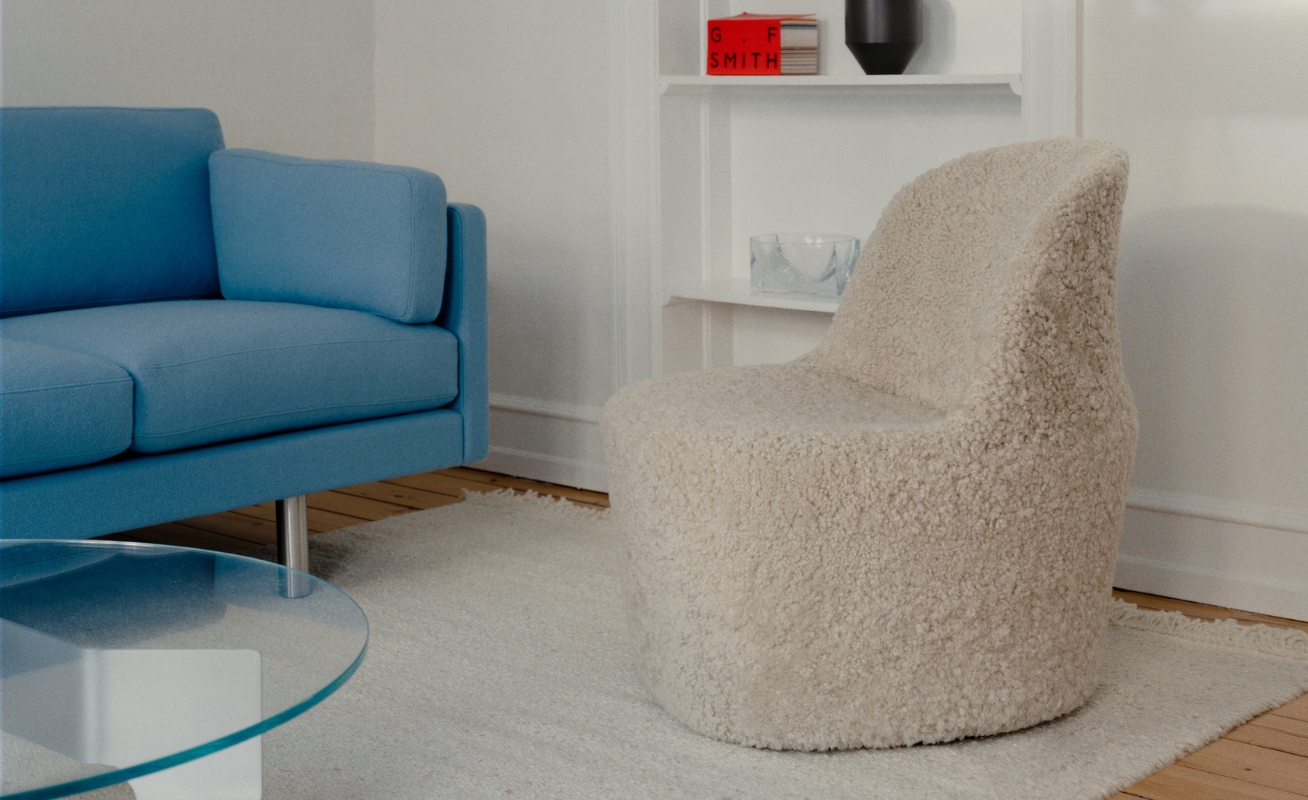
If pills have already formed, careful removal can improve the fabric’s appearance. The safest method depends on the upholstery material and its construction.
Furniture in Singapore homes often serves several purposes throughout the day. A sofa may become a relaxation area, family gathering space, and occasional work spot. Choosing upholstery that suits your household can make everyday care easier. Consider how frequently the furniture will be used and who will use it.
For homes with children or pets, prioritise practical upholstery and clear maintenance instructions. Removable covers can offer added convenience when the design supports them. For compact HDB flats and condominiums, choose furniture that suits your available space. Proper sizing can reduce unnecessary rubbing against walls, tables, and neighbouring furniture.
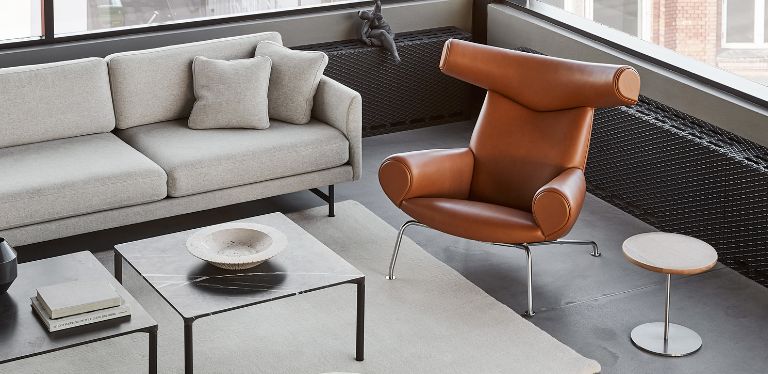
Upholstery influences how furniture looks, feels, and performs in everyday life. The right choice should complement your interior while matching your household’s practical needs. Danish Design Co offers a selection of furniture for homeowners seeking considered design and functional living spaces. When exploring upholstered pieces, consider the fabric texture, construction, maintenance requirements, and expected daily use.
Ask about upholstery specifications and recommended cleaning methods before making your decision. If pilling resistance is important, request relevant fabric performance information where available. Seeing furniture in person can help you compare colours, textures, and finishes.
Visit the Danish Design Co showroom to explore the selection and discover pieces suited to your Singapore home. With suitable fabric choices and regular care, you can keep upholstery looking attractive for longer. Understanding fabric pilling helps you make informed furniture decisions and maintain your investment.


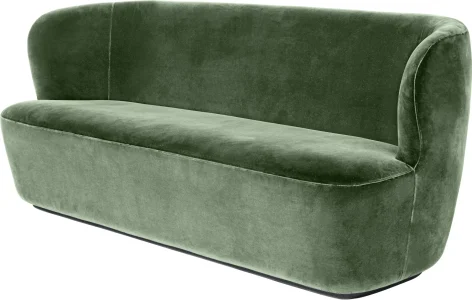

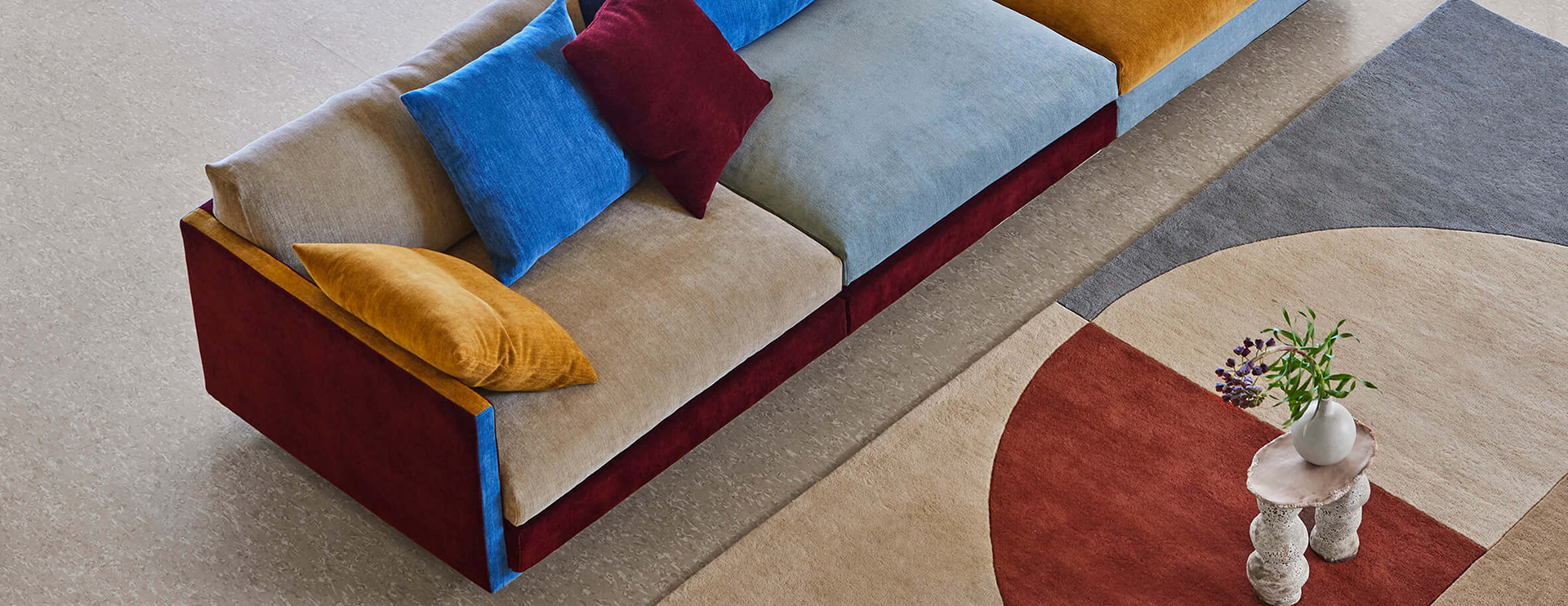
Scandinavian design is usually praised for what it leaves out. Gubi is known for what it puts back in. Where the tradition reaches for restraint,
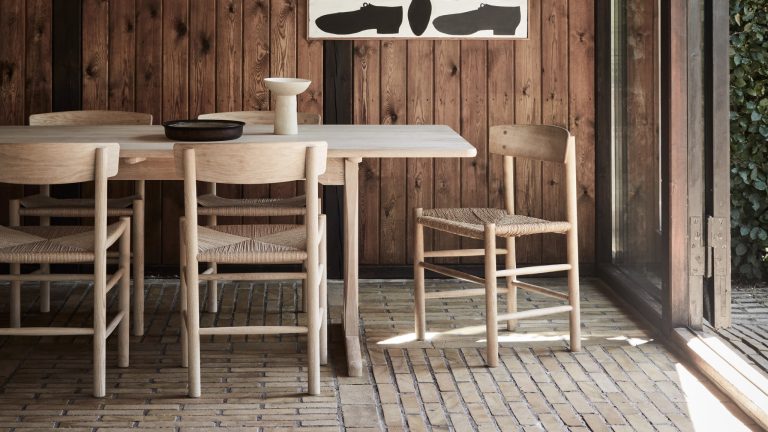
Some furniture houses chase the look of the moment. Fredericia has spent over a century doing the opposite. The Danish house is known for pieces