Lounge Chair Placement Guide:

How to Position a Chair That Actually Gets Used

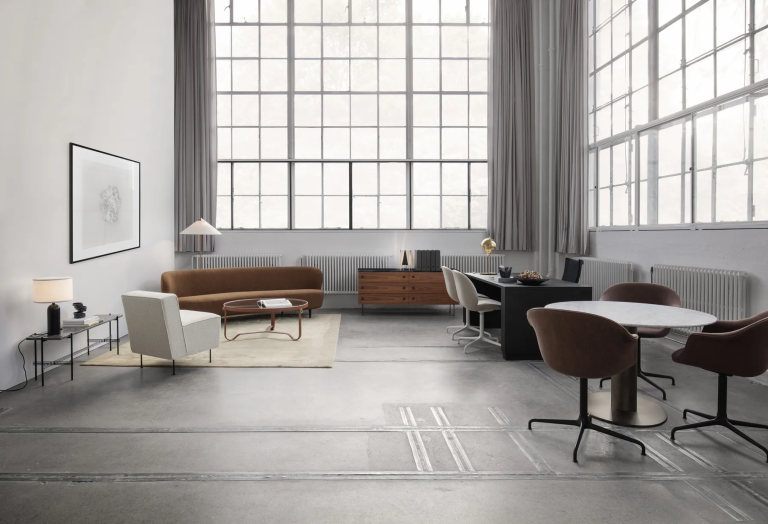
A lounge chair placed correctly becomes one of the most used pieces of furniture in the home. Placed incorrectly, it becomes the most expensive decorative object in the room. The difference between these two outcomes is almost entirely a matter of placement — and placement is almost entirely a matter of understanding how your household actually moves through and uses a space. This guide covers the principles that determine where a lounge chair should go, how those principles apply specifically to Singapore homes, and how the chair you choose shapes the placement options available to you.

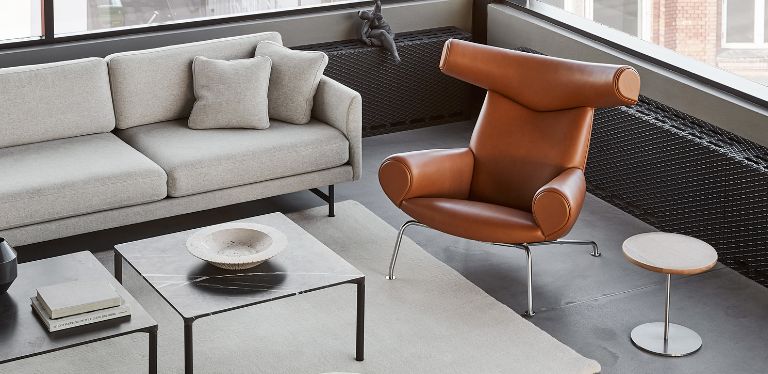
ox lounge chair by fredericia living room furniture - danish design co singapore

Why Placement Matters as Much as the Chair Itself

A lounge chair is not a sofa. It does not anchor a room or define a seating zone the way a sofa does. It performs a more specific function: it creates a single, dedicated place for one person to sit with intention — to read, to think, to rest, or simply to occupy a different perspective on the room. That function depends entirely on where the chair is placed. A chair that receives no natural light, faces a wall, or sits in a high-traffic corridor will not be used regardless of how beautiful it is. A chair in the right position becomes a destination within the home.

The Core Placement Principles

Before considering any specific room or configuration, three principles apply universally to lounge chair placement:
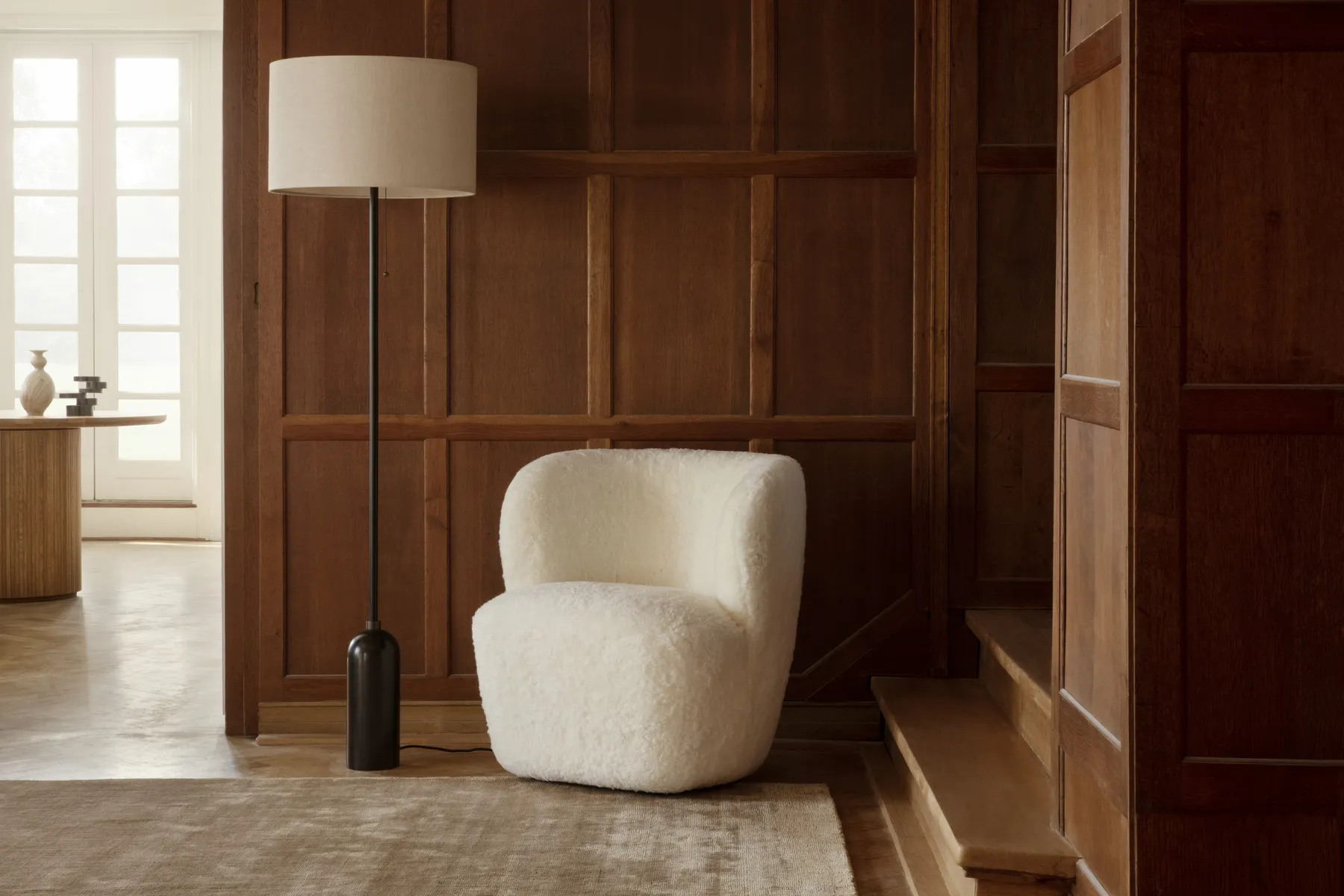
  • The chair needs a reason to be there. A lounge chair placed randomly in a corner has no function. A chair placed beside a window, adjacent to a bookshelf, or at the edge of a rug has a clear purpose. Define the function before defining the position.
  • Natural light is the single most important variable. The best position for a reading chair receives natural light from the side — not directly behind or in front of the sitter. Side light illuminates a page without glare and creates a sense of warmth around the chair that makes it feel inviting.
  • The chair needs to feel separate from the sofa. A lounge chair placed directly beside the sofa reads as overflow seating. Positioned at a slight angle, across the rug, or in a different zone of the room, it reads as a considered counterpoint — and gets used independently rather than only when the sofa is full.

Living Room Placement in Singapore Apartments

The living room is the most common location for a lounge chair in a Singapore condominium or HDB flat. It is also the room where placement goes wrong most often. The typical mistake is to push the lounge chair into a corner to save floor space. This makes the room feel smaller, not larger, and places the chair in exactly the position — away from light, away from the main seating arrangement — where it is least likely to be used.

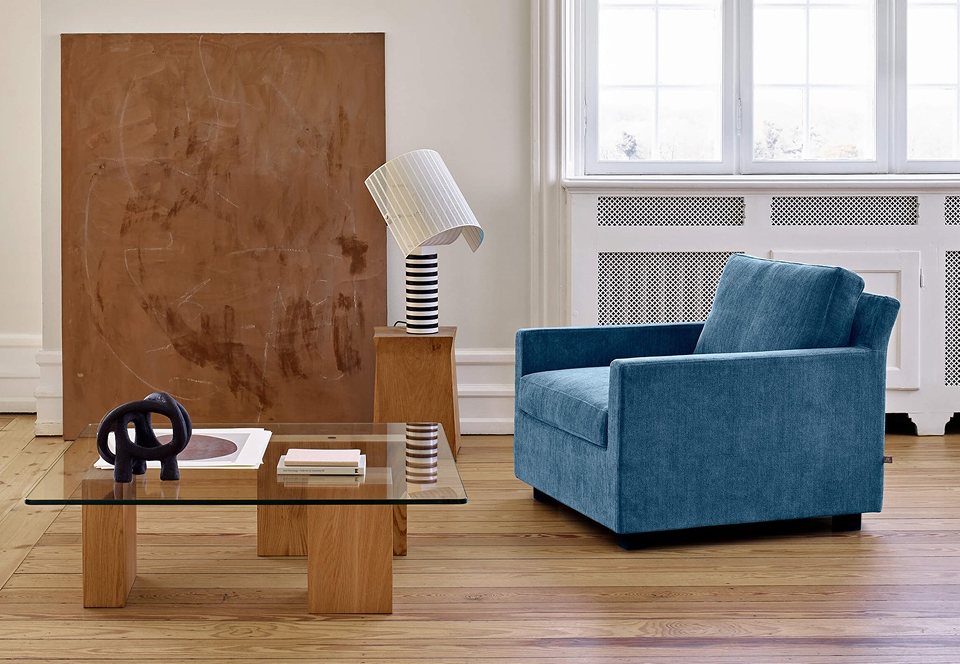
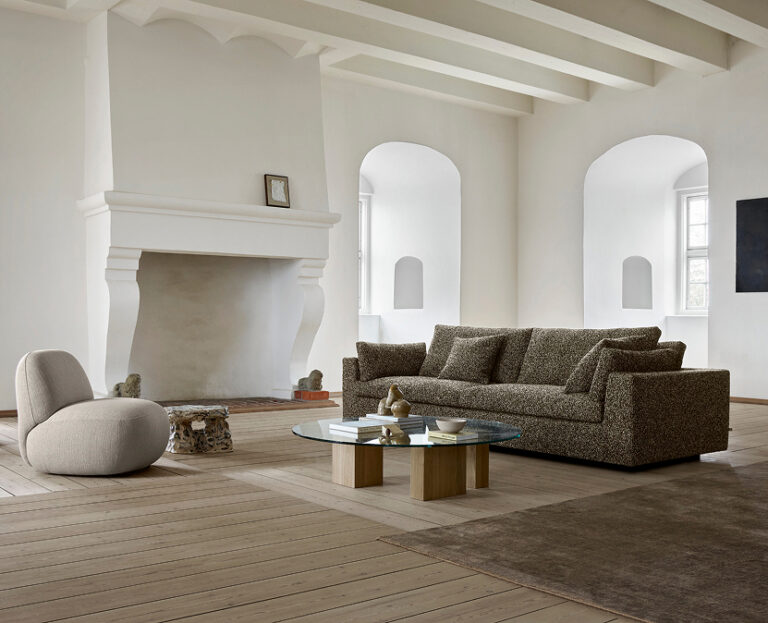
In a Singapore open-plan living room, the more effective approach is to position the lounge chair at a 30 to 45 degree angle to the sofa, on the same rug, facing the same general orientation. This creates a seating arrangement that reads as composed and intentional. It invites conversation without forcing it. It allows the lounge chair to function as a solo reading seat when the room is quiet and as part of a social arrangement when it is not.

For living rooms with a floor-to-ceiling window or a strong view — common in Singapore condominium apartments on upper floors — position the lounge chair to face the window at a slight angle. This gives the occupant access to natural light and the view simultaneously, without the glare of direct window-facing seating.

Bedroom Placement

A lounge chair in the bedroom is one of the most underused opportunities in Singapore interior design. Most Singapore bedrooms are furnished to their perimeter — bed, bedside tables, wardrobe, and nothing else. A lounge chair placed in the available floor area, beside the window or in a corner that receives morning light, creates a reading zone that changes how the bedroom feels and functions.

The key consideration in a Singapore bedroom is floor area. HDB and condominium master bedrooms typically run from 12 to 18 square metres. A compact lounge chair fits within this footprint without crowding the room. A larger chair such as the FK6720 by Lange Production requires more floor clearance and suits the more generous master bedrooms of landed homes.

Position a bedroom lounge chair so that:
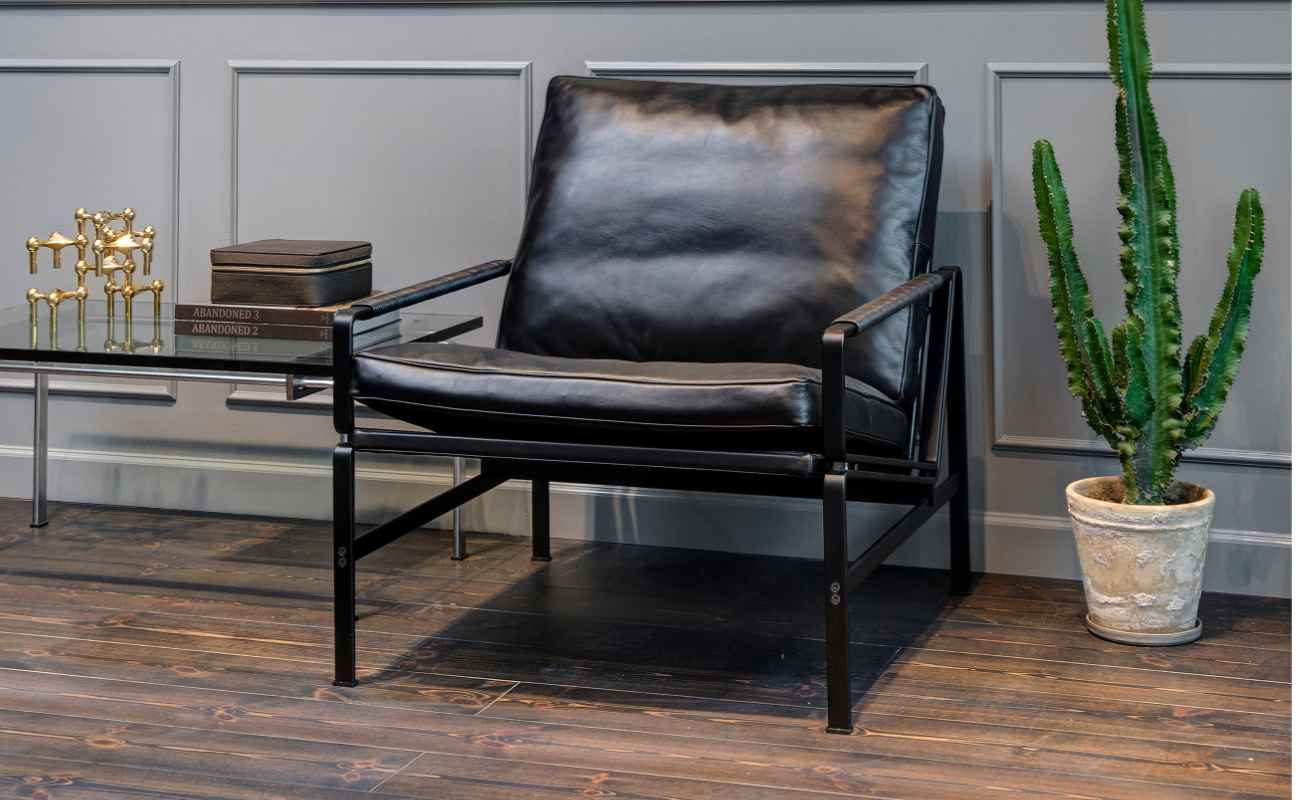
  • It faces away from the bed rather than toward it — this reinforces the chair as a waking, reading zone rather than an extension of the sleeping space
  • It sits within reach of a reading lamp or table lamp — without dedicated task lighting, the chair will not function as a reading seat regardless of its position
  • It has at least 60cm of clear floor space on each accessible side — enough to move around and reach the chair comfortably without negotiating other furniture

FK 6720 Easy Chair

Study and Home Office Placement

A lounge chair in a study or home office serves a different function than one in a living room or bedroom. In a working space, the lounge chair is a deliberate break from the desk — a place to read a document, think through a problem, or decompress between tasks. Its placement should reflect this.

Position the study lounge chair away from the desk line of sight. If you can see your screen from the chair, the chair does not function as a mental break from work — it functions as a secondary workspace with worse ergonomics. Angle the chair toward a window or a bookshelf instead. Keep it at least 1.5 metres from the desk.

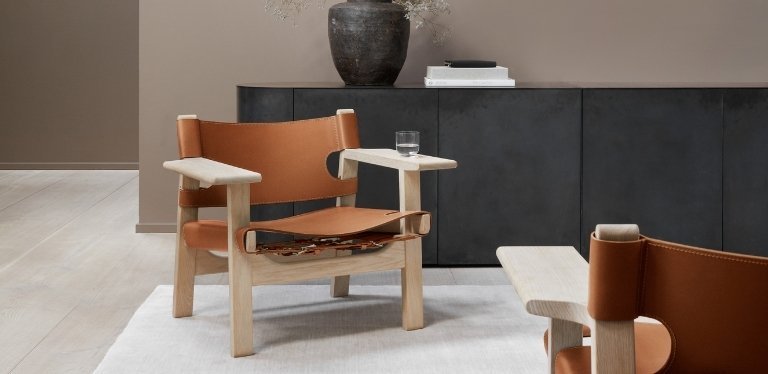
The Fredericia Spanish Chair is particularly well-suited to study placement. Its upright posture — more supported than a typical lounge chair but more relaxed than a desk chair — makes it comfortable for extended reading. Its compact footprint suits Singapore home offices, which are often converted bedrooms or study alcoves rather than dedicated rooms.

The Upper Floor Lounge

In Singapore landed homes, the upper floor often includes a lounge or family room that functions as a secondary living space. This is one of the most rewarding environments for a lounge chair precisely because the room tends to be smaller, more personal, and less formally arranged than the ground floor reception.

In an upper floor lounge, the lounge chair can anchor the space rather than complement a sofa. A pair of lounge chairs with a low side table between them creates a complete seating vignette that does not require a sofa. This configuration works particularly well when the upper floor lounge opens to a balcony or has a window overlooking a garden.
Choosing the Right Chair for the Placement

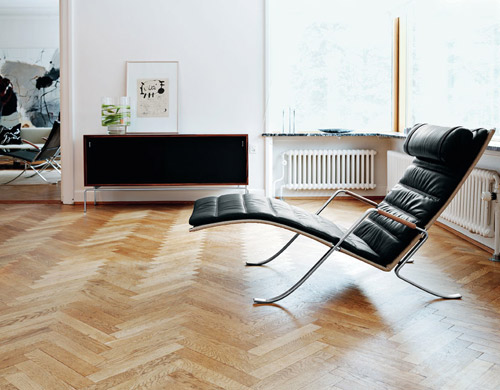
Placement and chair selection are not independent decisions. The chair you choose determines the placement options available to you, and the placement you have in mind should shape which chair you consider.

Key considerations when matching chair to placement:

  • Footprint: A compact chair such as the GUBI Beetle Lounge Chair suits smaller Singapore condominium bedrooms and studies. A larger chair such as the GUBI Pacha requires more generous floor clearance.
  • Back height: A high-backed chair such as the FK6720 by Lange Production suits a reading position. A lower-backed chair suits a more relaxed, conversational position.
  • Swivel base: A swivel lounge chair — such as the GUBI Bat Chair — is particularly well-suited to open-plan Singapore living rooms where the chair needs to orient toward different zones of the room at different times.
  • Material: In a Singapore bedroom or study where the chair will be sat in daily, leather develops a personal patina over time. In a more formal living room position, fabric offers a softer visual weight.

The Lounge Chair Range at Danish Design Co

Danish Design Co carries one of Singapore’s most considered selections of lounge chairs — from Fredericia, GUBI, and Lange Production. Each brand approaches the lounge chair from a distinct design philosophy, and each produces chairs suited to different placement contexts and interior registers. Multiple chairs are on display in full scale at our showroom, where you can sit in them, assess the scale relative to your own proportions, and talk through your specific room and placement requirements with our team. Placement advice is part of every conversation we have with customers at the showroom — bring your floor plan and we can advise directly on which chair works best where.

A lounge chair placed correctly becomes one of the most used pieces of furniture in the home. Placed incorrectly, it becomes the most expensive decorative object in the room. The difference between these two outcomes is almost entirely a matter of placement — and placement is almost entirely a matter of understanding how your household actually moves through and uses a space. This guide covers the principles that determine where a lounge chair should go, how those principles apply specifically to Singapore homes, and how the chair you choose shapes the placement options available to you.

Home styling service at Danish Design Co Singapore - Spanish lounge chair

Top Recommendations

From $3,455
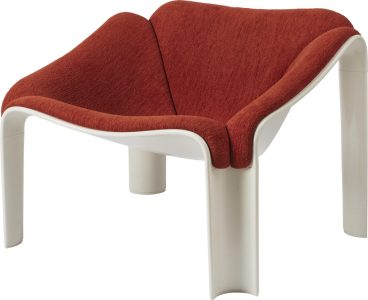
Originally introduced in the late 1960s, Pierre Paulin’s F300 Lounge Chair is a bold expression of futuristic design. Reissued by GUBI using sustainable HiREK®—a high-performance material made from industrial plastic waste—the F300 retains its iconic, sculptural form while embracing modern durability and suitability for both indoor and outdoor use.
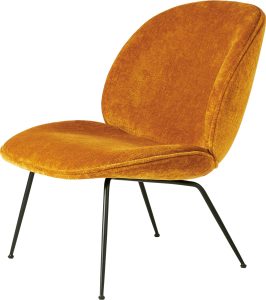
The lounge version of the iconic Beetle Chair. Features a comfortable, generous shell that is fully upholstered, offering a higher degree of comfort and a protected feeling. Its form is derived from the strong and graceful contours of the insect that inspired it, now scaled for relaxation.
From $14,344
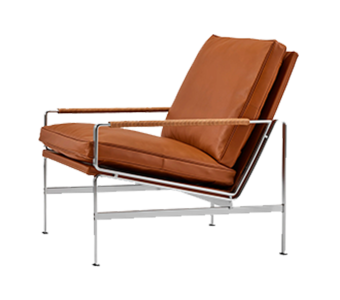
The FK 6720 Easy Chair is the real deal in mid-century Danish design. Reissued by Lange Production, the chrome plated steel frame is still shaped on the same 1965 tools and in the same factory as the originals. The loose cushions are wrapped in aniline leather, it’s buttery soft, warm to the touch, and full of visible grain that shows the craftsmanship of the piece. Sit in it and there’s a gentle give, supportive, cosy and unforced. The frame is in powder coated steel that’s durable and requires little to no maintenance.

On the other hand, the 301 Sofa offers unparalleled versatility.

Its highly modular design allows you to select from different sofa modules, transforming your seating arrangement to suit your needs. Available in both fabric and leather, this sofa embodies exquisite comfort with a minimalist Scandinavian design. Its a perfect blend of form and function, catering to those who appreciate understated elegance. stand out.

You may also like

FAQ

Where should I place a lounge chair in a small Singapore apartment?

In a small Singapore apartment, position the lounge chair at a 30 to 45 degree angle to the sofa on the same rug, facing the same general orientation as the main seating area. Avoid pushing it into a corner — this reduces natural light access and makes the chair less likely to be used. A compact lounge chair such as the GUBI Beetle or Fredericia Spanish Chair suits smaller Singapore living rooms without crowding the space.

How far should a lounge chair be from the sofa?

Leave enough distance between the lounge chair and the sofa that the chair reads as a separate seat rather than overflow seating. A gap of 60 to 90cm between the sofa arm and the nearest leg of the lounge chair, with both pieces on the same rug, typically produces the right balance of proximity and independence.

How do I choose between a compact and a larger lounge chair for my Singapore home?

Base the decision on your room's available floor area and the chair's intended function. A compact chair — under 80cm wide — suits Singapore condominium bedrooms, studies, and smaller living rooms. A larger chair suits landed home living rooms, upper floor lounges, and master bedrooms with generous floor area. Bring your room dimensions to the Danish Design Co showroom and our team can advise on the right choice for your specific space.

Discover the power of choice

What others had to say

You may also like