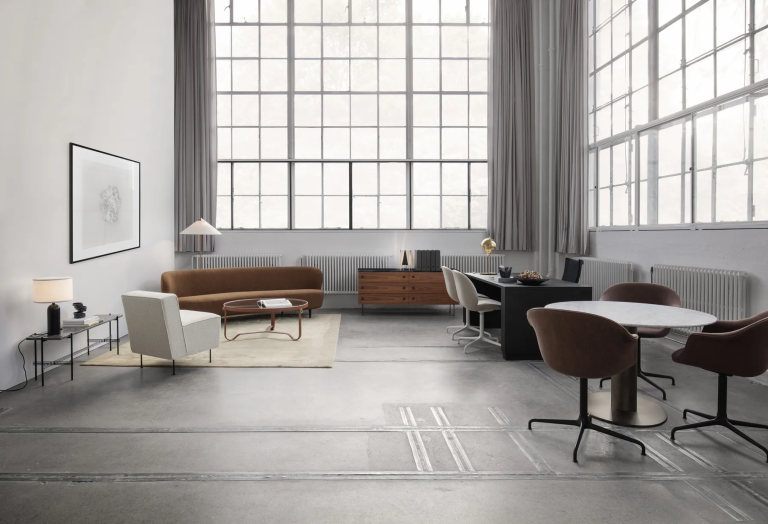
Mid-Century Modern Interior Design Guide:

How to Bring the Style Into Your Singapore Home

Few design movements have proved as enduringly relevant as mid-century modern. Originating between the 1940s and 1960s, it emerged from a post-war optimism about the relationship between design, everyday life, and newly made available materials due to technological advances. Its defining characteristics, clean lines, organic curves, warm timber tones, tapered legs, and a function-first approach to form, have never left the most considered interiors, and in 2026 they are as present in Singapore’s most thoughtful homes as they were in the American and European living rooms that first defined the style. This guide covers what mid-century modern design actually is, how it overlaps with and differs from Scandinavian design, and how to apply it to a Singapore home.

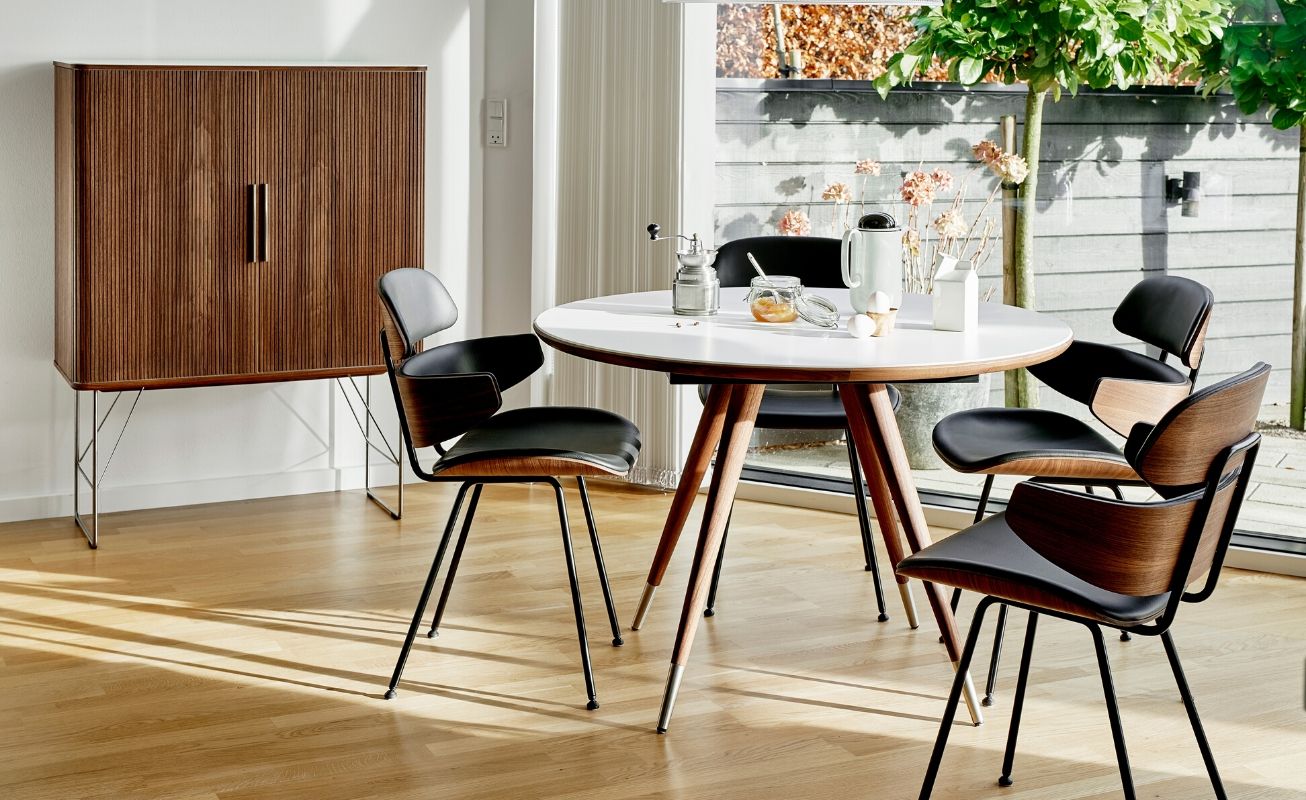
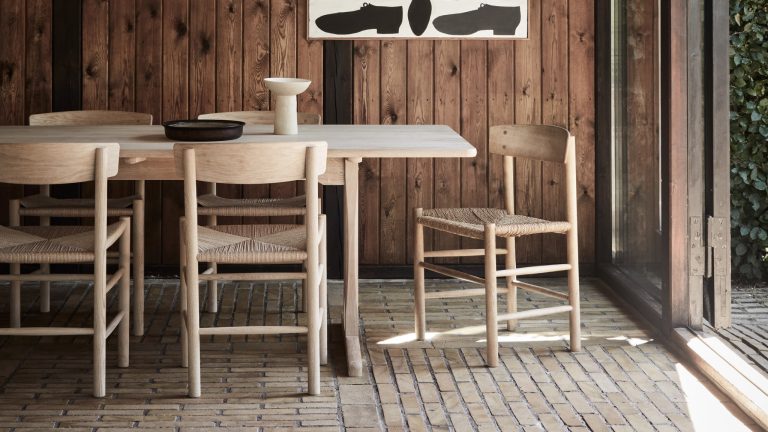
Naver Midas Dining Chair - Danish Design Co Singapore

What Is Mid-Century Modern Design?

Mid-century modern is a design movement rather than a style in the decorative sense. It emerged from a conviction that well-designed objects should be accessible, functional, and honest about their materials. The result was a body of furniture and interior design characterised by a set of recurring visual and material principles that remain as coherent today as they were seventy years ago.The defining characteristics of mid-century modern design are:

  • Clean, unornamented lines that prioritise the integrity of the form over decorative detail. 
  • Organic curves, particularly in seating, where the shell or body of a chair follows the natural contours of the human body rather than imposing a geometric rigidity on the sitter.
  •  Warm timber tones, primarily teak, walnut, and oak, used for both structural and surface elements and allowed to speak for themselves without staining or heavy lacquer. 
  • Tapered legs, perhaps the most immediately recognisable detail of the period, which give furniture a sense of lightness and lift that distinguishes mid-century pieces from heavier traditional forms.
  •  Mixed materials, combining timber with leather, metal, and moulded plastics in ways that were newly possible in the post-war period.
  •  A strong relationship between indoor and outdoor space, with furniture and interiors designed to acknowledge and connect to the natural environment beyond the walls.

How Mid-Century Modern Relates to Scandinavian Design

Mid-century modern and Scandinavian design are frequently confused, which is understandable. They share significant common ground. Both movements emerged in the same period. Both prioritised function, honest materials, and the rejection of unnecessary ornamentation. Both produced pieces that have remained in continuous production because the design was correct from the outset. Both are experiencing a sustained resurgence in Singapore’s most considered interiors in 2026.

The difference is one of geographic and cultural emphasis. Mid-century modern is a broad international movement that encompasses American designers, European architects, and Nordic craftspeople within a single design philosophy. Scandinavian design is a more specific cultural tradition, rooted in the particular craft heritage, material availability, and social philosophy of the Nordic countries. Scandinavian design tends toward greater restraint, a cooler palette, and a deeper commitment to the craft traditions of solid timber furniture making. Mid-century modern as a broader movement is more eclectic, more willing to embrace new materials, and more expressive in its use of organic form. In practical terms for a Singapore home, the two traditions are complementary rather than competing. 
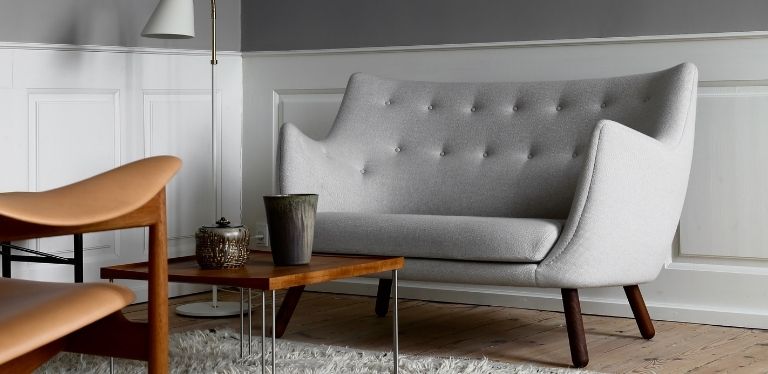
Poet sofa finn juhl

The Mid-Century Modern Palette for Singapore Interiors

The colour palette of a mid-century modern Singapore interior draws on the same sources as the original movement while adapting to Singapore’s specific light conditions and living context. Warm neutrals form the foundation. Off-white and warm cream walls provide the backdrop against which the warm timber tones of walnut, teak, and oak read most richly. Terracotta, burnt orange, olive green, and mustard yellow appear as accent colours in upholstery and soft furnishings, reflecting the period’s affinity with earthy, saturated tones that contrast with the warmth of the timber without competing with it.

In Singapore, where natural light is intense and blue-toned, the warm palette of mid-century modern design performs particularly well. The amber tones of solid walnut and teak are deepened by Singapore’s light rather than washed out by it. The terracotta and cognac leather upholstery tones that define the movement’s most iconic seating pieces develop a richness in Singapore’s indoor environments that cooler materials do not achieve. The palette is one of the most naturally suited to Singapore’s specific light and climate conditions of any major design movement.

Applying Mid-Century Modern Design to a Singapore Home

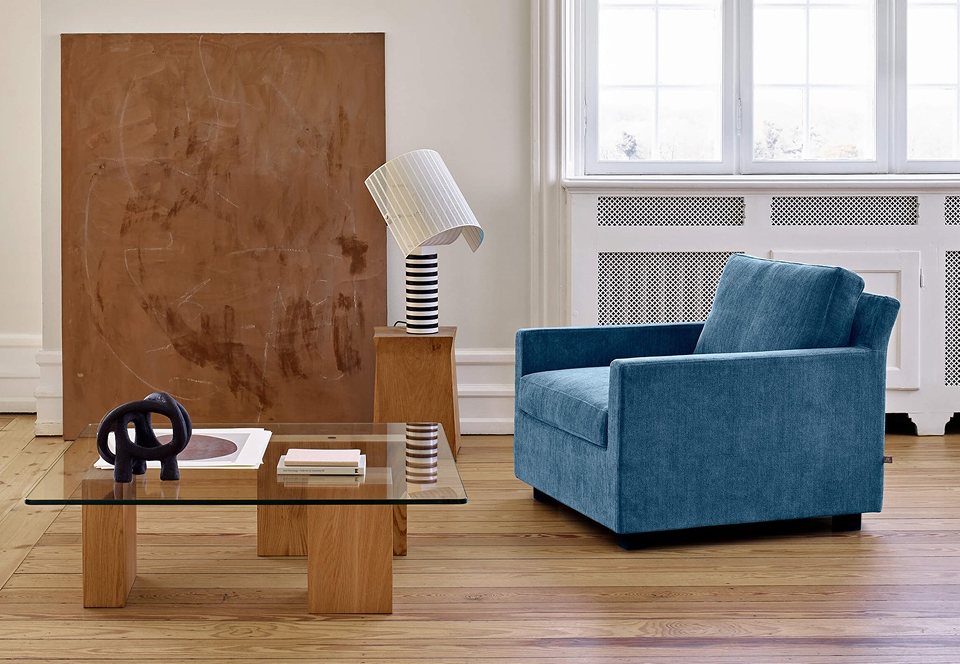
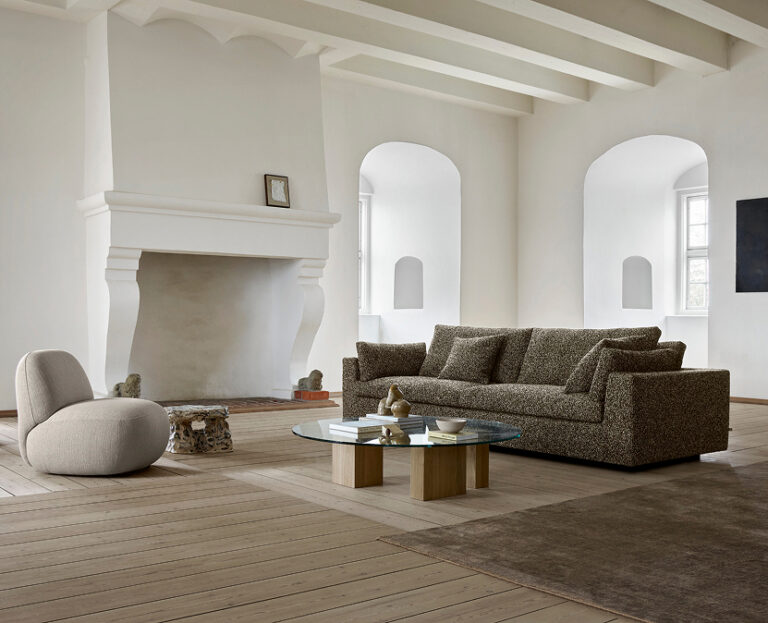
Applying mid-century modern design to a Singapore condominium or landed home requires understanding both the principles of the movement and the specific constraints of Singapore living. The most important principles to apply in a Singapore context are these. Let timber do most of the work. A Singapore living room with solid walnut furniture, warm timber flooring, and a restrained palette of off-white and terracotta does not need much else to read as considered and coherent. Keep the furniture low. Mid-century modern furniture characteristically sits closer to the floor than traditional furniture, which amplifies the sense of ceiling height in a compact Singapore apartment. Choose upholstery in warm, saturated tones. The cognac leather, olive bouclé, and terracotta performance fabric options available across the GUBI and Fredericia ranges at Danish Design Co are the tones that most authentically represent the mid-century palette. Avoid matching sets. Mid-century modern interiors are composed rather than matched. A Fredericia dining table with GUBI dining chairs, a Naver Collection sideboard, and a GUBI lounge chair creates a room that feels curated rather than purchased as a package.
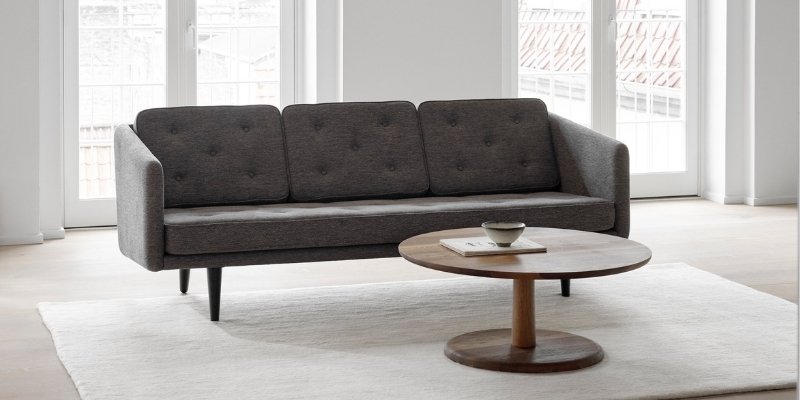
No 1 Sofa - 5 Most Iconic Mid-Century Sofas - Danish Design Co Singapore 2

The Mid-Century Modern Range at Danish Design Co

Danish Design Co carries one of Singapore’s most considered selections of mid-century modern and Scandinavian furniture, from GUBI, Fredericia, Carl Hansen and Son, and Naver Collection. The pieces in our range are not mid-century modern in the nostalgic or reproduction sense. They are original designs from the period, produced by the same manufacturers who made them then, using the same materials and the same production standards. Multiple pieces are on display in full scale at our 12,000 square foot showroom at 100E Pasir Panjang Road, where you can assess the timber quality, the upholstery tones, and the proportions in a real room setting before committing. Our team can advise on how to compose a mid-century modern interior for your specific Singapore home, which pieces to prioritise, and how to build the palette around the furniture rather than the other way around.

Few design movements have proved as enduringly relevant as mid-century modern. Originating between the 1940s and 1960s, it emerged from a post-war optimism about the relationship between design, everyday life, and newly made available materials due to technological advances. Its defining characteristics, clean lines, organic curves, warm timber tones, tapered legs, and a function-first approach to form, have never left the most considered interiors, and in 2026 they are as present in Singapore’s most thoughtful homes as they were in the American and European living rooms that first defined the style. This guide covers what mid-century modern design actually is, how it overlaps with and differs from Scandinavian design, and how to apply it to a Singapore home.

Danish Design Co Singapore

Top Recommendations

From $3,455
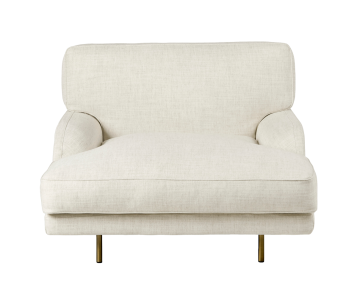
Designed by GamFratesi, the Flaneur Lounge Chair merges French elegance with Scandinavian minimalism to create a seat that feels like a floating cloud. Its low profile and generous proportions offer a refined, inviting aesthetic tailored for long, relaxed conversations.
From $8,198
The AK 2630 Point Sideboard is a beautifully crafted Scandinavian storage piece that blends functionality with timeless elegance. Its smooth white Corian top feels cool refined and remarkably durable allowing you to place food or drinks directly on the surface without worrying about stains or marks. Corian also accents the handles creating a crisp contemporary detail that contrasts gently with the warm natural wood.
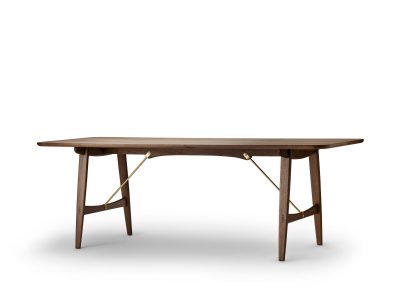
The BM1160 Hunting Table by Børge Mogensen is an icon of mid-century Danish design, perfect for homes that value enduring craft. The tabletop is slightly narrow making it perfect for gathering close, sharing conversation and smaller spaces. The solid dark-oiled wood surface has rounded edges that soften the design without losing its robust architectural presence.

On the other hand, the 301 Sofa offers unparalleled versatility.

Its highly modular design allows you to select from different sofa modules, transforming your seating arrangement to suit your needs. Available in both fabric and leather, this sofa embodies exquisite comfort with a minimalist Scandinavian design. Its a perfect blend of form and function, catering to those who appreciate understated elegance. stand out.

You may also like

FAQ

What is mid-century modern design?

Mid-century modern is a design movement originating in the period between the 1940s and 1960s, characterised by clean lines, organic curves, warm timber tones, tapered legs, mixed materials, and a function-first approach to form. It drew on the Bauhaus tradition, American post-war design innovation, and Nordic craft heritage to produce furniture and interiors that have remained in continuous production and continuous relevance for over seventy years.

How is mid-century modern different from Scandinavian design?

Mid-century modern is a broad international movement that encompasses multiple design traditions within a shared philosophy. Scandinavian design is a more specific cultural tradition rooted in the craft heritage and social philosophy of the Nordic countries. Both share a commitment to function, honest materials, and restraint of ornamentation. Scandinavian design tends toward greater material purity and a cooler palette. Mid-century modern as a broader movement is more eclectic and more expressive in its use of organic form. In practice, the two traditions are complementary and frequently appear together in the most considered Singapore interiors.

What colours work best in a mid-century modern Singapore interior?

The mid-century modern palette for a Singapore home centres on warm off-white and cream walls, warm timber tones in walnut, teak, and oak, and saturated accent colours in upholstery and soft furnishings. Terracotta, burnt orange, olive green, mustard yellow, and cognac leather are the tones most characteristic of the movement. Singapore's intense natural light deepens these warm tones rather than washing them out, making the mid-century palette particularly well suited to Singapore's specific light conditions.

What are the most important furniture pieces for a mid-century modern interior in Singapore?

The defining furniture pieces for a mid-century modern Singapore interior are a lounge chair with an organic shell form and tapered timber legs, a low sideboard or credenza in solid walnut with simple door and drawer fronts, a solid timber dining table, and a low-profile sofa in warm fabric or leather upholstery. The GUBI Pacha Chair, Fredericia Spanish Chair, Naver Collection AK sideboard, and Eilersen or Fredericia sofa ranges at Danish Design Co cover each of these categories within a coherent mid-century design language.

Discover the power of choice

What others had to say

You may also like