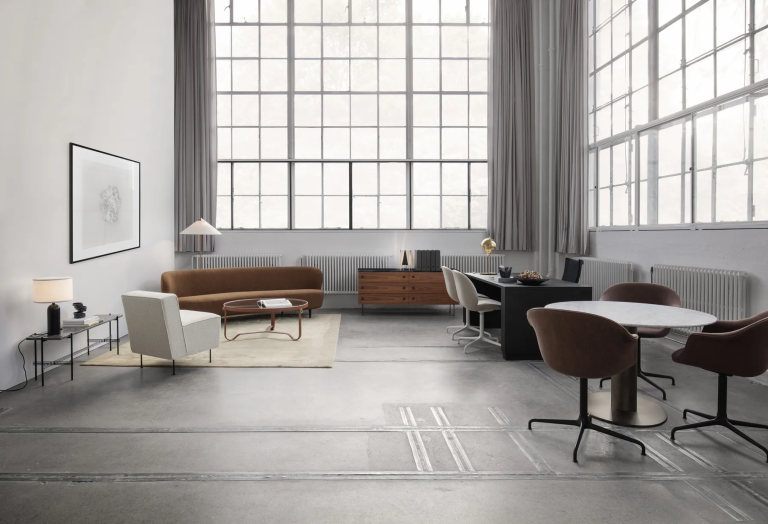
Gubi: Where Scandinavian Heritage Meets Contemporary Glamour
Scandinavian design is usually praised for what it leaves out. Gubi is known for what it puts back in. Where the tradition reaches for restraint,

Singapore’s climate creates conditions that accelerate the failure of poorly chosen upholstery and reward the qualities of better materials more visibly than temperate environments do. A few factors are worth understanding before getting into specific fabric types. The constant cycling between outdoor humidity and air-conditioned interiors stresses upholstery materials in ways that stable-climate environments do not. Materials that breathe poorly trap moisture and develop odour or mildew over time. Materials that respond poorly to temperature variation can crack, pill, or lose their structural integrity faster than expected. Full-time air-conditioning also dries the air inside Singapore homes, which affects natural materials like leather differently from synthetic alternatives. Singapore’s strong, direct natural light — particularly in west-facing rooms — accelerates colour fading in fabrics that lack UV stability. This is a factor that buyers rarely consider at point of purchase and consistently wish they had. Finally, Singapore households tend to use their living rooms intensively. The sofa is typically the most-used piece of furniture in the home, and in a market where domestic helpers maintain the home daily, the cleanability of upholstery has real practical significance. Understanding how each fabric type responds to cleaning, whether it can be spot-treated or requires professional care, and how it looks after years of regular maintenance is essential knowledge for any serious sofa buyer.
The Main Sofa Fabric Categories
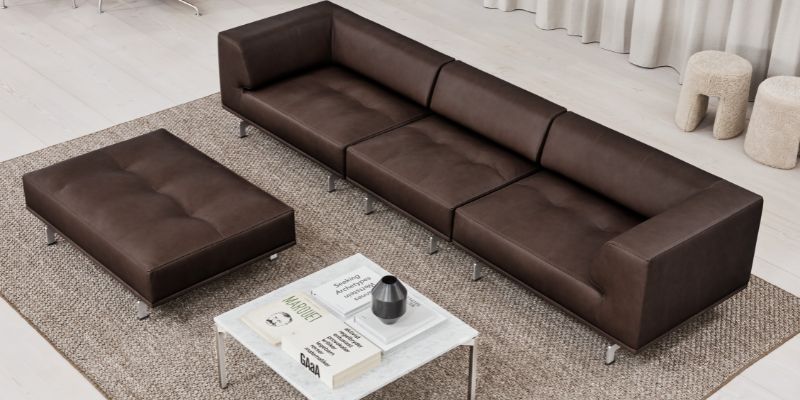
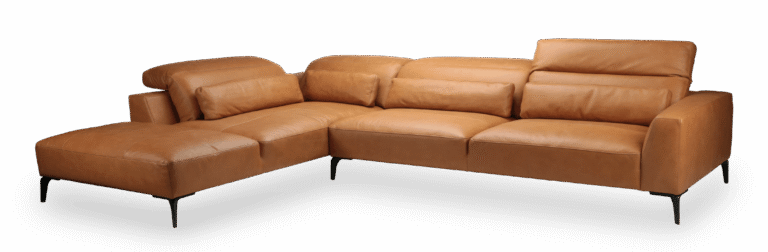
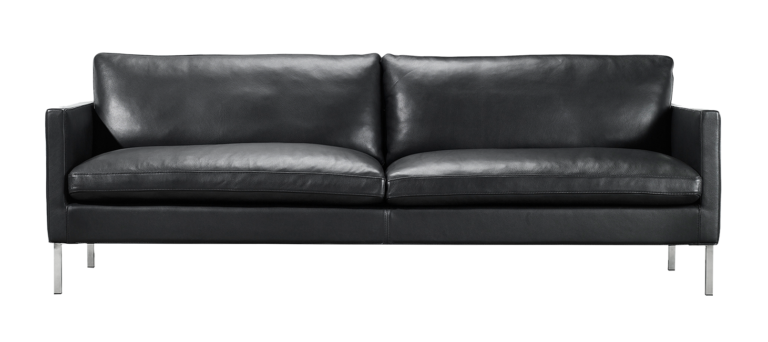
Full-grain leather is the highest grade of leather available for sofa upholstery. It retains the full surface of the hide — including the natural grain, texture variations, and any minor marks that characterise the specific animal — rather than being sanded or corrected to a uniform surface. This is not a flaw but a quality indicator: the natural surface structure is what gives full-grain leather its exceptional durability, its ability to develop a personalised patina, and its characteristic feel that improves with age and use. In Singapore’s climate-controlled interiors, full-grain leather performs exceptionally well. It is easy to maintain — a regular wipe with a dry or slightly damp cloth handles most daily cleaning — and it does not trap allergens or harbour dust mites in the way that some fabrics do. Over years of use, it develops a patina unique to the household that owns it: a deepening of tone and a softening of texture that makes a well-maintained leather sofa more beautiful at ten years than it was at one. Full-grain leather is the premium choice for buyers who prioritise longevity, ease of maintenance, and the kind of material character that improves with ownership. It is less forgiving of sharp objects and requires periodic conditioning to maintain its suppleness in air-conditioned environments, but these are minor demands relative to the decades of quality it delivers.
These categories deserve mention primarily as a caution. Corrected-grain leather has its surface sanded and embossed with a uniform grain pattern to disguise imperfections. Bonded leather — sometimes marketed as reconstituted or blended leather — is made from leather scraps and fibres bonded with polyurethane, containing as little as ten to twenty percent actual leather. Both are significantly cheaper than full-grain leather and significantly less durable. In Singapore’s humidity, bonded leather in particular degrades rapidly, cracking and peeling within a few years of regular use. Buyers who encounter leather-labelled upholstery at a price that seems too good for the real thing are almost certainly looking at one of these alternatives.
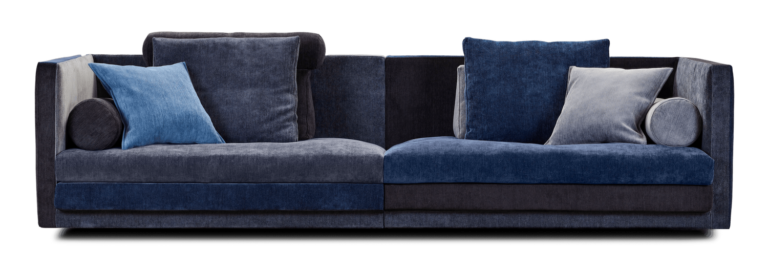
Performance fabrics have improved dramatically over the past decade and now represent a genuine alternative to leather for buyers who prefer a softer, more textural upholstery aesthetic. The best performance fabrics — tightly woven, high thread-count options from European textile suppliers used by brands like Eilersen — combine excellent durability with a refined appearance and a range of colour and texture options that leather cannot match.
Performance fabrics work particularly well in family homes, households with pets, and any context where the sofa sees intensive daily use and needs to maintain its appearance reliably.
Natural Woven Fabrics
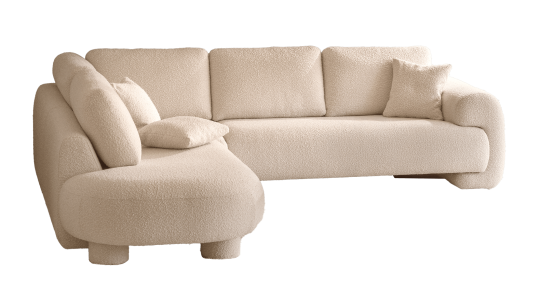
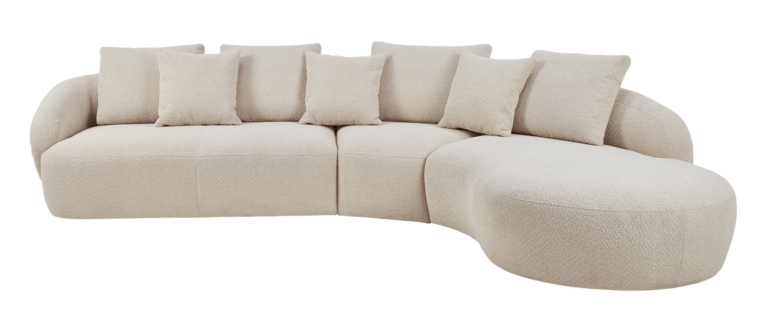
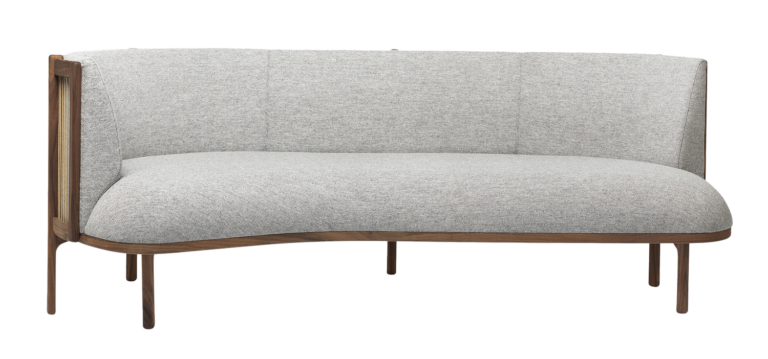
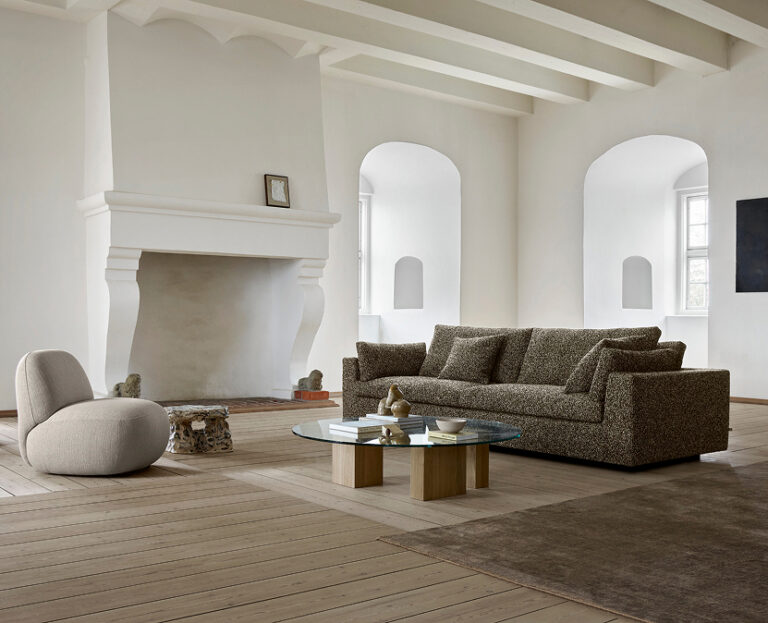
Linen, cotton, and wool-blend fabrics occupy a different position in the upholstery market — chosen for their tactile quality, their visual warmth, and their natural material character rather than primarily for durability. In the context of a Japandi or Scandinavian-influenced interior, a natural linen or textured wool-blend fabric on a well-designed sofa creates a quality of softness and material depth that synthetic alternatives cannot replicate. The practical trade-off is higher maintenance sensitivity. Natural woven fabrics are generally more susceptible to staining, more difficult to clean without professional intervention, and less resistant to heavy wear than premium performance fabrics or leather. In Singapore’s humidity, untreated natural fabrics can also retain moisture more than other options. These fabrics work best in lower-traffic rooms, households without young children or pets, and with owners who are prepared to engage with the maintenance requirements in exchange for the material and aesthetic qualities they offer. They reward attentive ownership and look exceptional in the right context.
Velvet
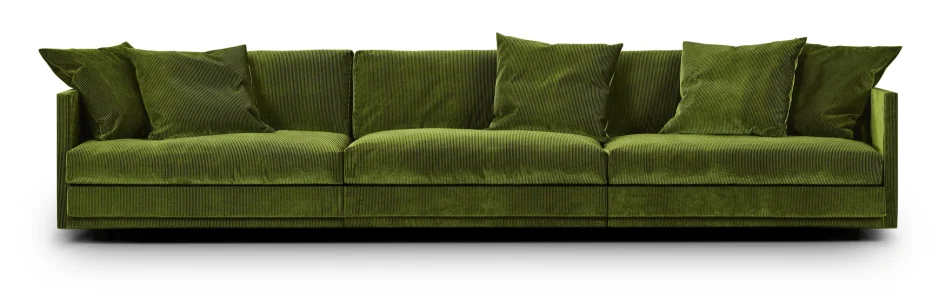
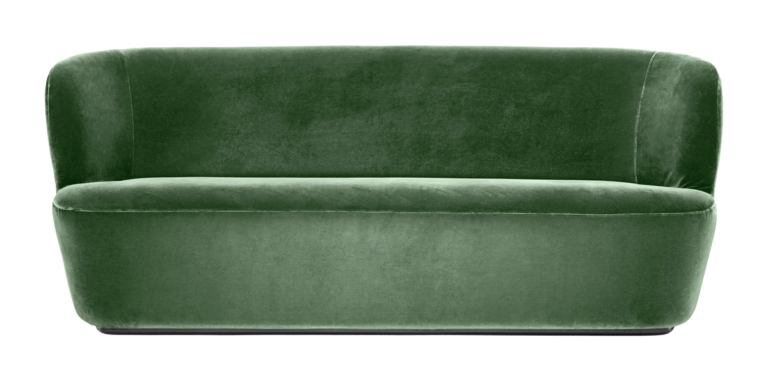
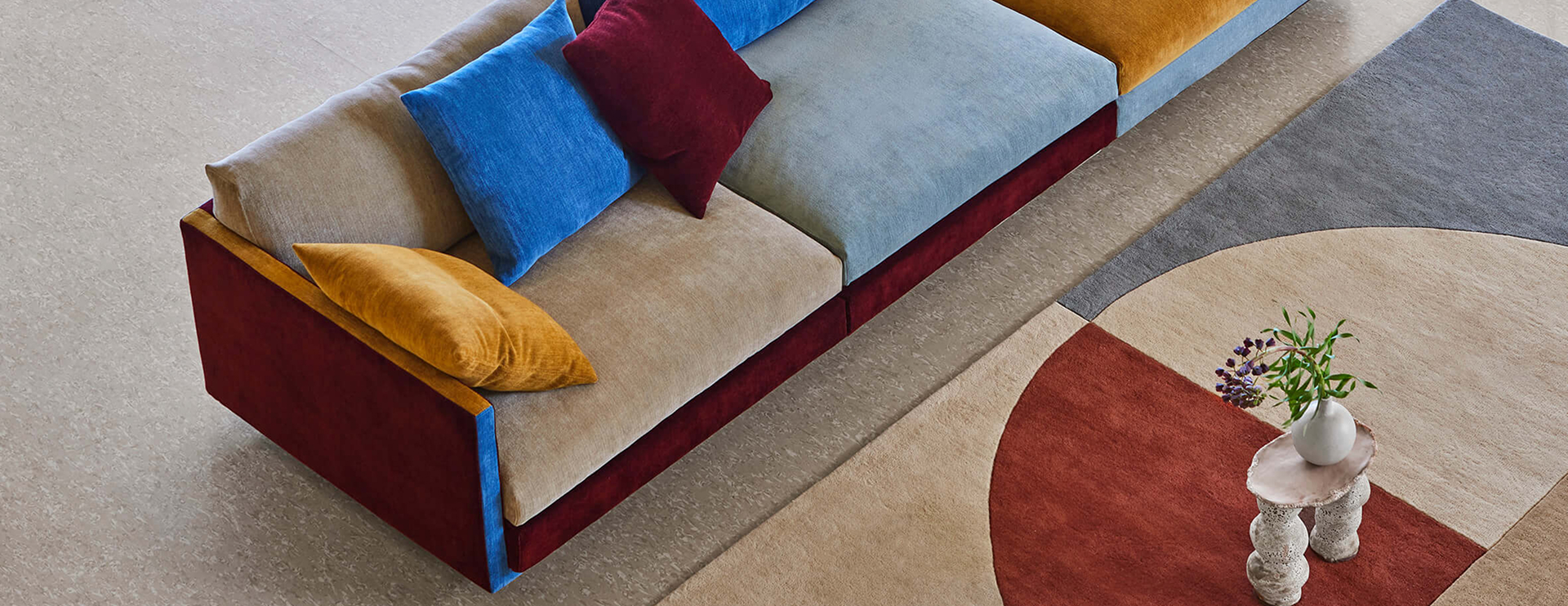
Velvet occupies a specialist position in the sofa fabric market — visually striking, exceptionally tactile, and demanding in its maintenance requirements. Modern performance velvets have addressed some of the traditional durability concerns, but velvet remains a fabric that suits specific contexts rather than general living room use. In Singapore’s climate, velvet requires consistent air-conditioning to perform well — it responds poorly to humidity and is more prone to marking and compression in warm, moist conditions. For a media room, a study, or a secondary living space with controlled conditions and lighter use, a velvet sofa can contribute an exceptional quality of visual richness and tactile luxury. For a primary family living room sofa, it is rarely the most practical choice.
Microfibre and Synthetic Alternatives
Microfibre and other synthetic upholstery fabrics deliver functional durability at accessible price points. They resist staining, clean easily, and hold their colour reasonably well under daily use. In a market context where the primary criteria are practicality and affordability, they serve their purpose. What synthetic fabrics do not deliver is the material character, ageing quality, or design credibility of premium alternatives. They tend to look and feel like what they are — functional rather than excellent — and they communicate that quality clearly in a well-considered interior. For buyers investing in premium Danish or Scandinavian furniture from Danish Design Co, a synthetic upholstery fabric is rarely the right finishing choice.
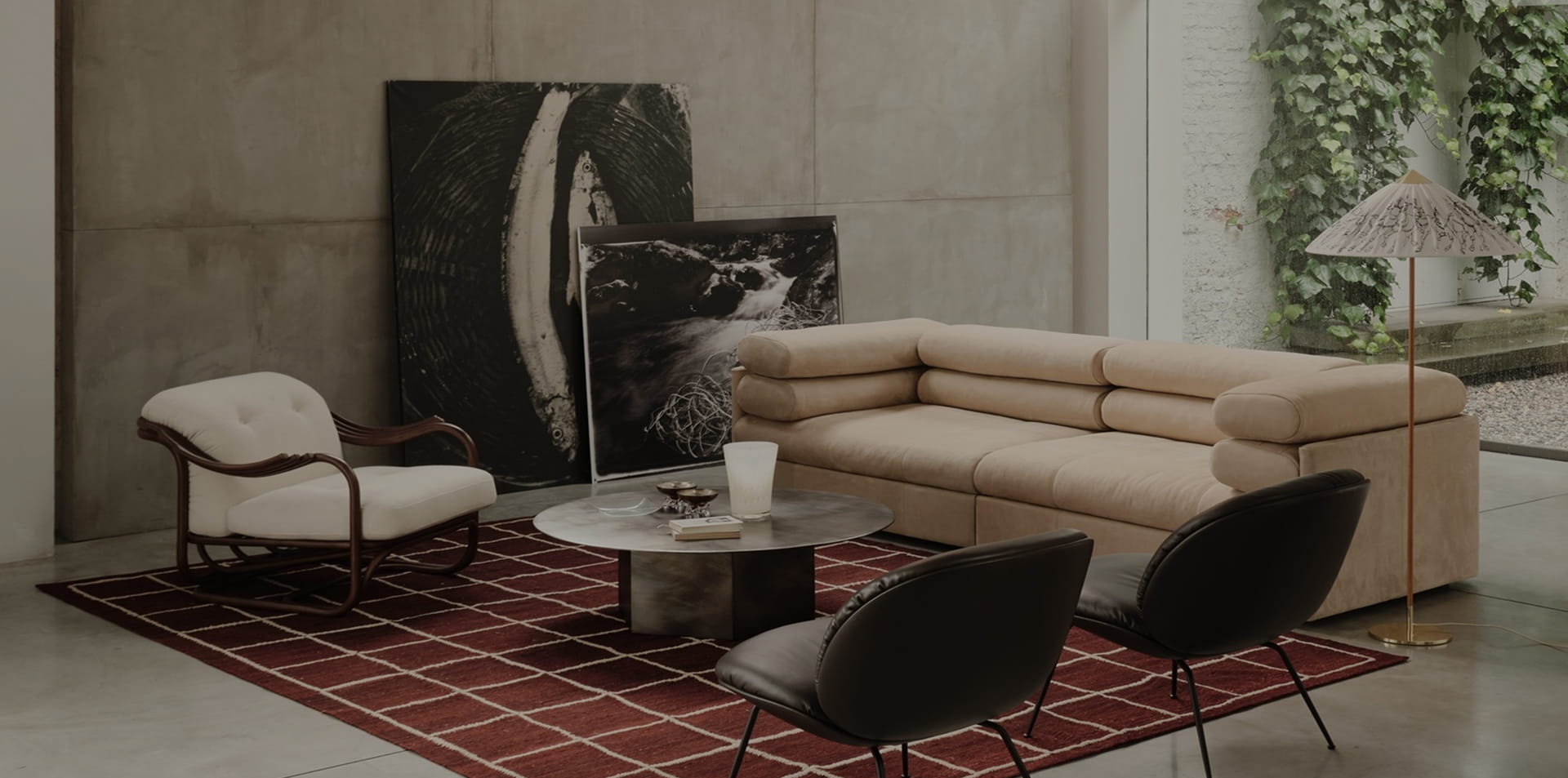
How to Choose the Right Fabric for Your Singapore Home
The decision framework for sofa fabric comes down to four practical questions. Who uses the sofa and how intensively? What aesthetic is the room working toward? What level of maintenance are you genuinely prepared to sustain? And what is the long-term ownership horizon for this piece? A household with young children and a dog, furnishing a primary living room sofa for daily use over the next fifteen years, should strongly consider a high-rated performance fabric or full-grain leather. A couple furnishing a secondary sitting room with no children and a commitment to careful maintenance might find a natural linen or wool blend delivers the material aesthetic they want without unacceptable practical compromise. A buyer prioritising the absolute premium in durability, ease of care, and material character, with no concern for maintenance complexity, should choose full-grain leather. Danish Design Co’s team works through exactly this framework with every sofa customer. The showroom carries Eilersen’s full upholstery range — an extensive selection of performance fabrics and full-grain leathers in the muted, warm neutral palette that works best in Singapore’s premium residential interiors — and the team brings the knowledge to help buyers navigate it with confidence.
Seeing Fabric in Person: Why It Matters
Fabric swatches communicate colour but not texture, weight, or the way a material interacts with light. A taupe performance fabric that reads as flat and uninspiring in a small swatch may have a woven texture that catches Singapore’s natural light beautifully when seen at sofa scale in a room setting. A leather that looks cold in a catalogue photograph develops warmth and depth in the presence of warm artificial light. The only reliable way to make a fabric decision you will be happy with over the long term is to see and touch the material in person, in a context that approximates how it will look in your home. Danish Design Co’s showroom displays Eilersen sofas in their upholstered configurations, allowing buyers to experience fabric and leather options at full scale and in composed room settings. The team can also provide larger sample swatches to take home and assess in the specific light conditions of your own space before committing to a final choice.

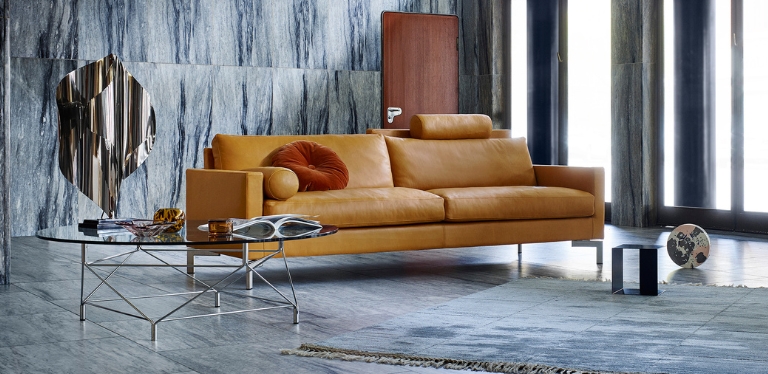

Scandinavian design is usually praised for what it leaves out. Gubi is known for what it puts back in. Where the tradition reaches for restraint,
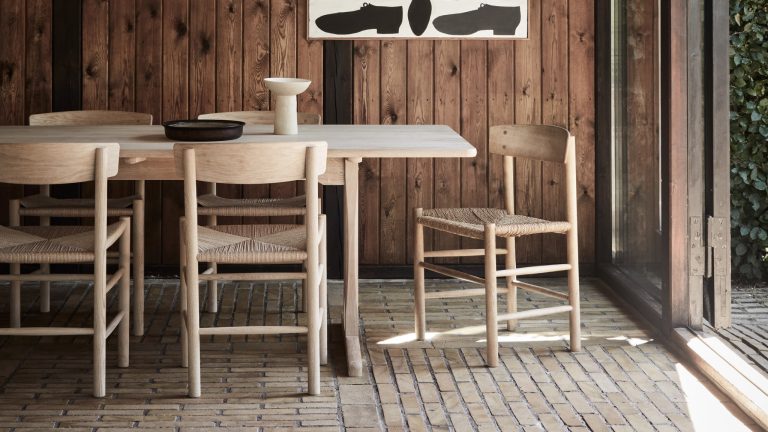
Some furniture houses chase the look of the moment. Fredericia has spent over a century doing the opposite. The Danish house is known for pieces