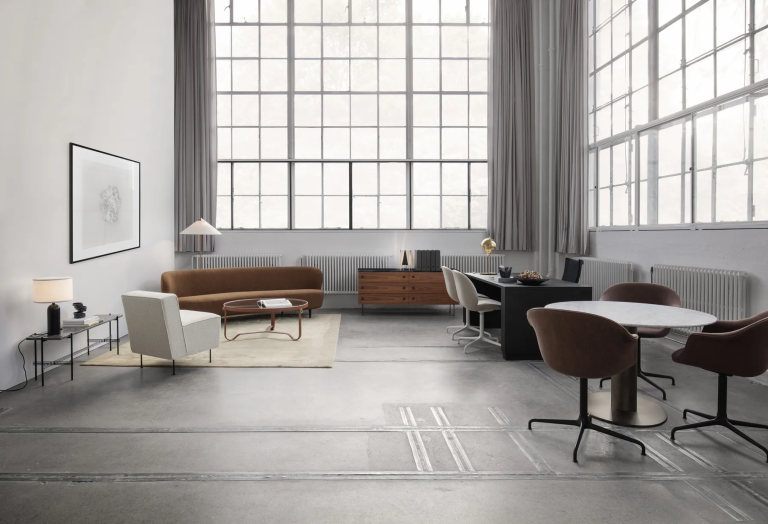
Gubi: Where Scandinavian Heritage Meets Contemporary Glamour
Scandinavian design is usually praised for what it leaves out. Gubi is known for what it puts back in. Where the tradition reaches for restraint,

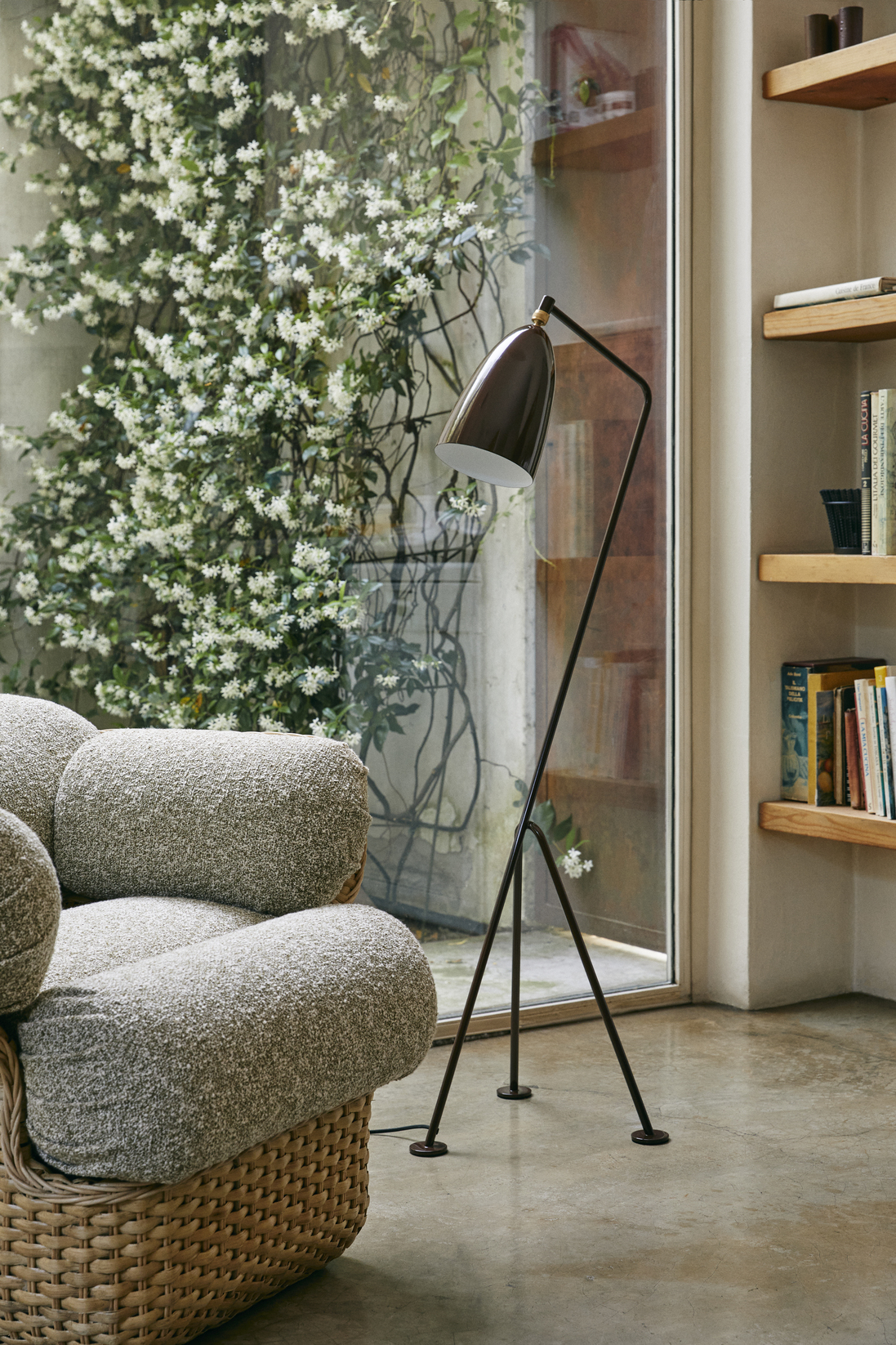
Lighting design divides every light source in a room into one of three categories, each performing a distinct function. No single light source can perform all three functions simultaneously, and attempting to make it do so is the origin of most residential lighting failures.
Ambient lighting is the base layer. It provides general illumination across the entire room without targeting any specific surface or activity. It is the light you turn on when you enter a room — functional, non-directional, and calibrated to the room’s overall size and ceiling height. In Singapore homes, ambient lighting is most commonly provided by recessed ceiling downlights, surface-mounted ceiling fixtures, or pendant lights positioned at the centre of the room. It is the layer most Singapore apartments already have, usually in excess, and almost never supplemented by what comes next.
Task lighting is the second layer. It provides focused, directed illumination for a specific activity — reading, cooking, applying makeup, working at a desk. Task lighting is positioned at the point of use and is not meant to illuminate the whole room. A desk lamp on a study table, a reading lamp beside a lounge chair, and under-cabinet lighting in a kitchen are all task lighting. They serve the person at work, not the room at large, and their absence is felt most acutely in the evening when the ambient layer alone makes every activity feel slightly effortful.
Accent lighting is the third layer. It creates visual interest, depth, and atmosphere by directing light at a specific object, surface, or architectural feature. A picture light over a painting, a spotlight directed at a sculpture, or a floor lamp that washes light up a wall are all accent lights. They do not illuminate for function. They illuminate for effect, and the effect they create is what separates a room that feels designed from one that merely feels furnished.
Singapore residential interiors are constrained by a specific set of factors that push homeowners toward under-layered lighting. Recessed downlights are the default specification in most HDB flats and condominium developments — installed by the developer before the homeowner makes a single decision. This creates a starting point that prioritises ambient light and nothing else, and task and accent layers require deliberate addition.
The renovation culture in Singapore compounds this. Interior designers working within tight budgets and timelines often specify additional downlights rather than a more considered three-layer scheme. Downlights are fast to install, easy to price, and require no further specification. The result is a room with excellent ambient coverage and no warmth, drama, or visual depth. The fix is not to remove the downlights — it is to add the layers they cannot provide.
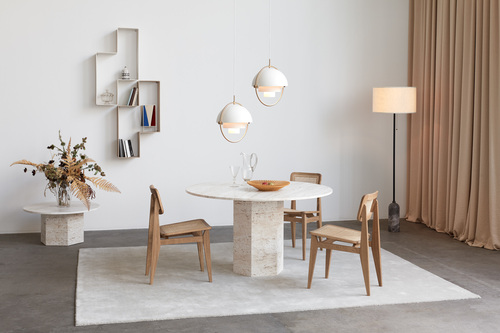
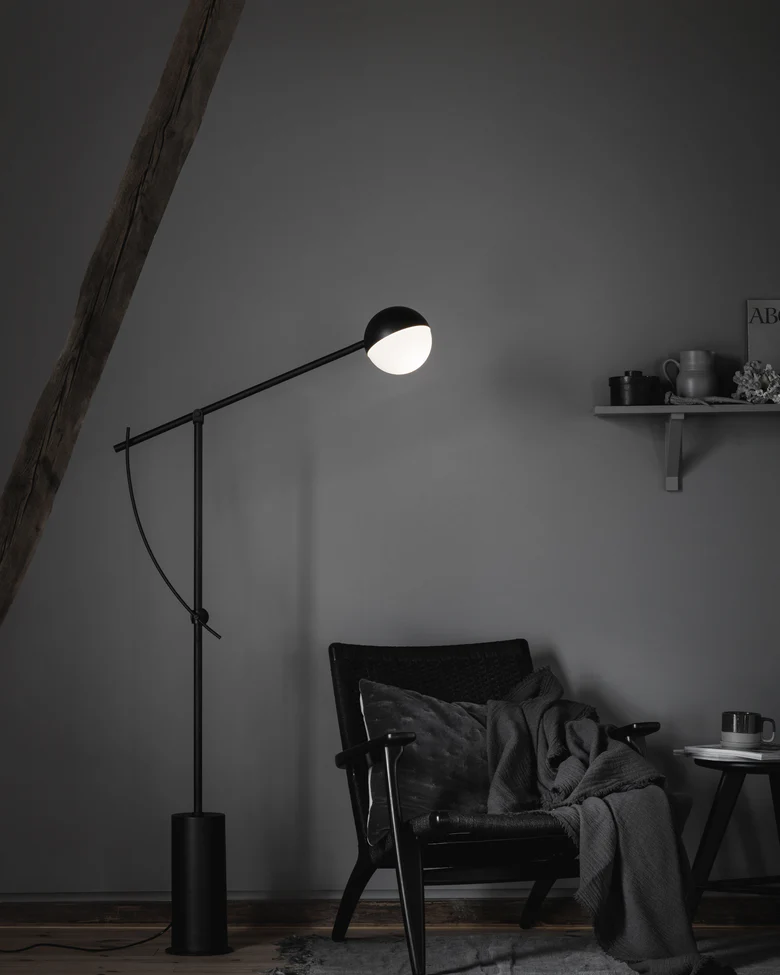
In the living room, the ambient layer is usually already in place. What is almost always missing is the floor lamp beside the primary seating position and the table lamp on the sideboard. These two additions — task layer and accent layer — transform the room’s atmosphere in the evening more dramatically than any other single change. The GUBI Multi-Lite floor lamp, the Northern Birdy floor lamp, and the GUBI Unbound floor lamp are all strong choices for the task layer in a Singapore living room. Each combines genuine directional light quality with a design presence that contributes to the room rather than simply illuminating it.
In the dining room, the pendant light does more work than any other fixture in the home. It defines the dining zone, creates intimacy at the table, and sets the register for every meal served beneath it. The height at which it hangs determines how well it performs both functions. As a general rule, the bottom of the pendant should sit 70 to 80 centimetres above the table surface. In Singapore dining rooms with standard 2.7-metre ceilings, this typically means a pendant with a drop of 160 to 170 centimetres from the ceiling fixing — lower than most homeowners initially expect, and almost always lower than a developer’s default fixing position.
A dimmer on the dining pendant is not optional. It is the difference between a room that can host a dinner party and one that cannot. No one has ever complained that a dining room was too atmospheric at dinner.
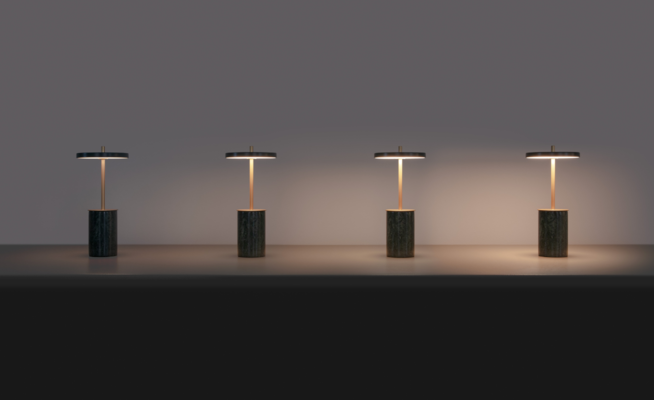
In the bedroom, the ambient layer should be significantly softer than in a living room. Singapore bedrooms with recessed downlights often feel clinical at night because the downlights are too bright and too cold for a space designed for rest. Warm-white bulbs at 2700K to 3000K and dimmer control address this immediately. The task layer in a Singapore bedroom is the bedside reading lamp — positioned at the correct height for seated reading in bed, providing focused light without illuminating the entire room. The accent layer is often a single table lamp on a dresser or a floor lamp in a corner, providing enough ambient warmth to navigate the room at night without engaging the ceiling light.
In the home office or study, task lighting takes priority over the other layers. The desk lamp is the most important light source in the room, and it should be positioned to illuminate the work surface from the side rather than from directly above or from behind the sitter. Side light eliminates the shadows and screen glare that make extended desk work physically tiring.
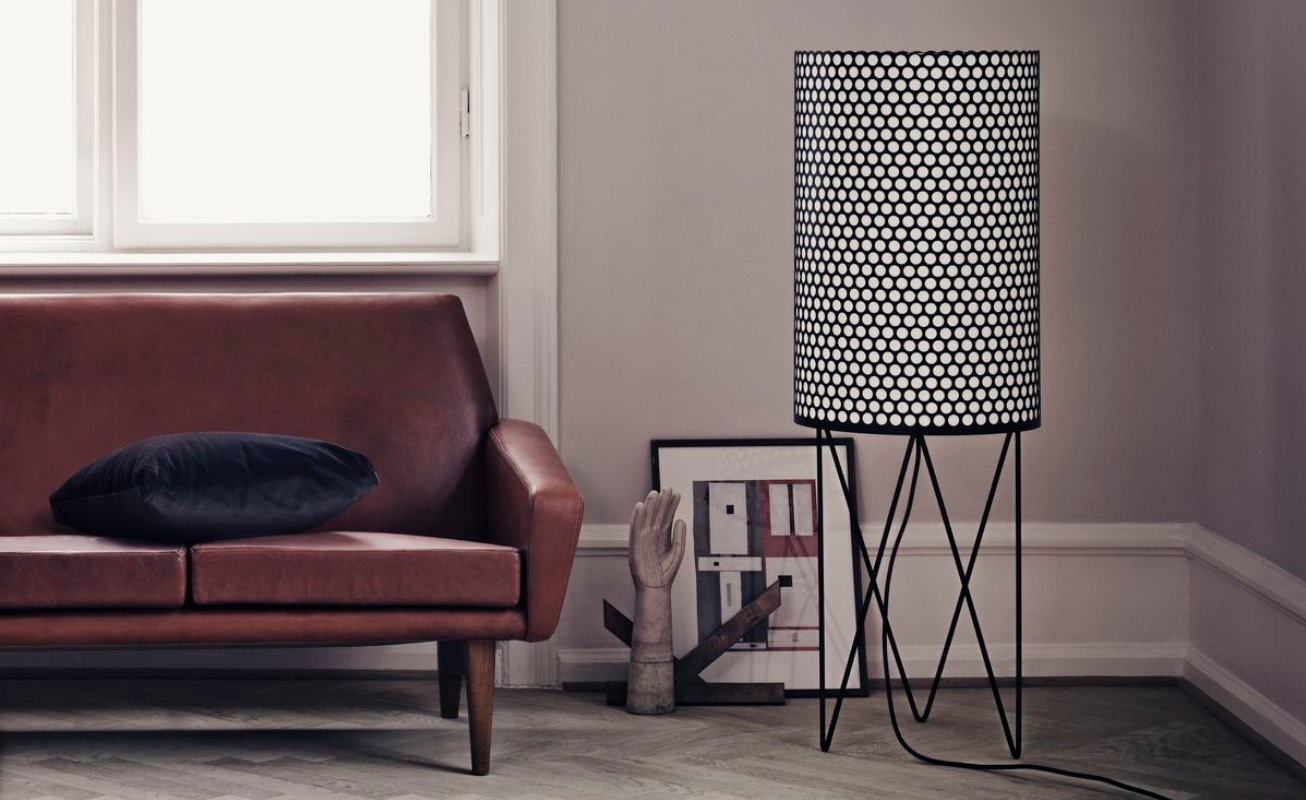
Colour temperature — measured in Kelvin — determines whether a light source reads as warm or cool. In Singapore, where natural daylight is bright and blue-toned, the instinct is often to specify cool-white artificial lighting to maintain consistency. This is a mistake in any room used for relaxation or social gathering. Warm white at 2700K to 3000K creates the sense of comfort and intimacy that Singapore’s natural light, entering through glass, does not provide independently. Cool white at 4000K and above is appropriate for task-specific environments — a utility kitchen, a home office — where clarity of illumination matters more than atmosphere. Avoid mixing colour temperatures within a single room; the contrast reads as unresolved and undermines the sense of cohesion that good lighting should create.
Danish Design Co carries a curated selection of Scandinavian and European lighting — floor lamps, pendant lights, table lamps, and task lights. Each piece has been selected for both design quality and functional performance. Multiple lamps and pendants are on display at our 12,000 sq ft showroom at 100E Pasir Panjang Road, where you can see them illuminated, assess their light quality and warmth in person, and discuss how a specific piece will work within your room’s existing lighting scheme. Lighting is one of the most rewarding showroom conversations we have with customers — the difference between a lamp seen in a photograph and a lamp seen lit in a real room is significant, and it is a difference that almost always resolves the decision.

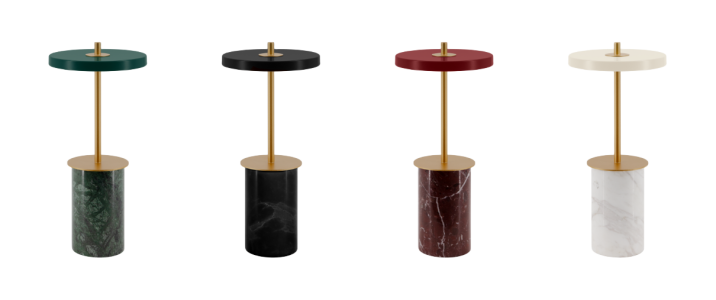
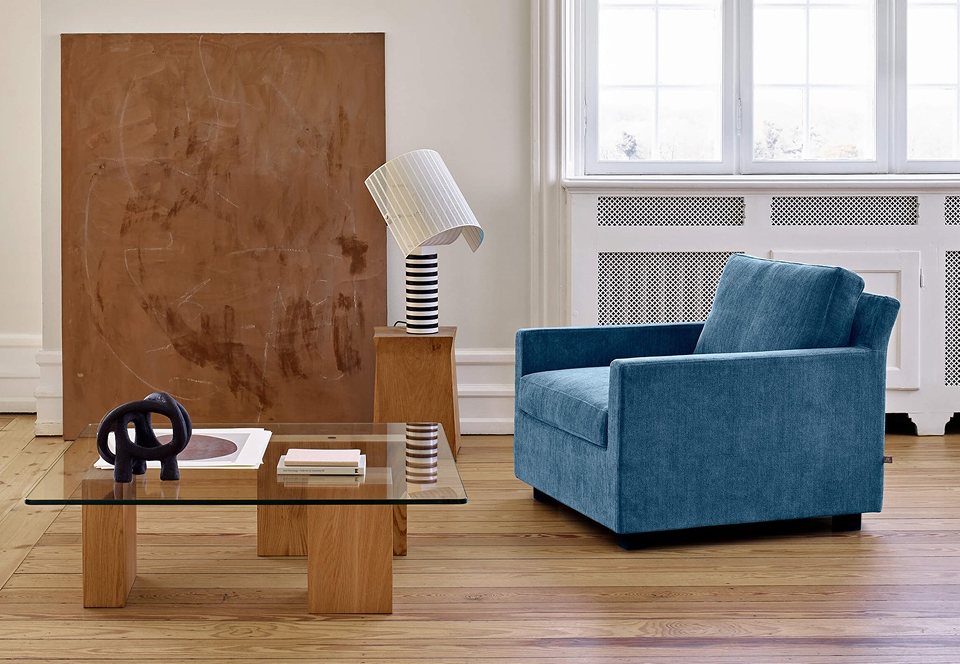
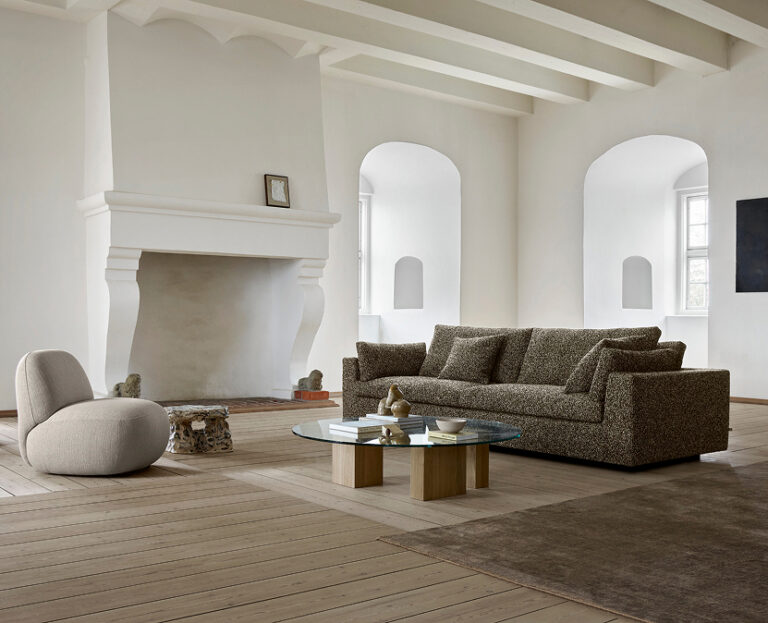

Scandinavian design is usually praised for what it leaves out. Gubi is known for what it puts back in. Where the tradition reaches for restraint,
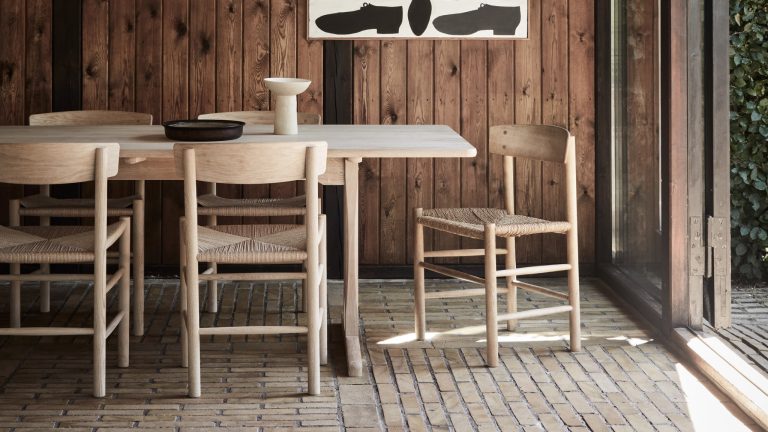
Some furniture houses chase the look of the moment. Fredericia has spent over a century doing the opposite. The Danish house is known for pieces