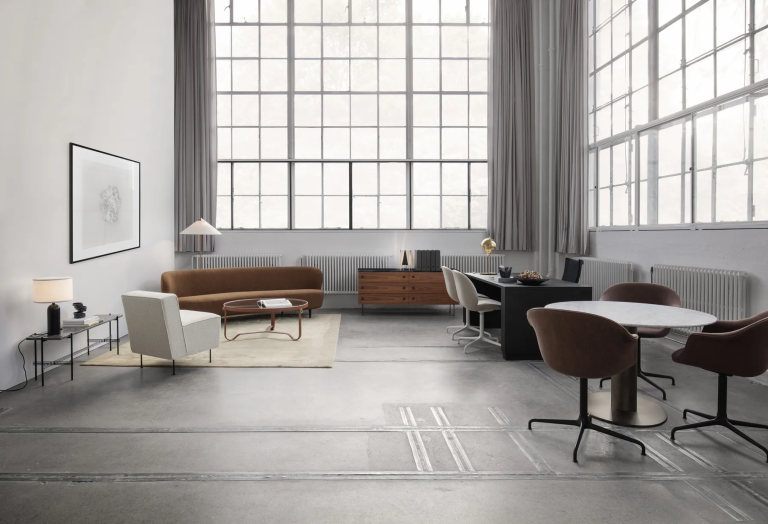
Gubi: Where Scandinavian Heritage Meets Contemporary Glamour
Scandinavian design is usually praised for what it leaves out. Gubi is known for what it puts back in. Where the tradition reaches for restraint,

Travertine is a form of natural limestone formed by the precipitation of calcium carbonate from hot spring or groundwater sources. The distinctive surface texture of travertine, its characteristic pits, voids, and flowing linear patterns, is formed by carbon dioxide bubbles and organic matter that escape during the stone’s formation, leaving behind the cavities that give travertine its unmistakable appearance. It is quarried primarily in Italy, Turkey, Iran, and Mexico, with Italian travertine from the Tivoli region near Rome considered the benchmark for quality and consistency.
The appearance of travertine varies significantly between quarries and even between individual slabs from the same source. The colour range spans from warm cream and ivory through to honey, walnut brown, and a cooler silver-grey. The surface can be left unfilled, preserving the natural voids and giving the stone its most characterful, textural appearance, or filled with a complementary grout to create a smoother, more uniform surface that is easier to maintain. The finish can be left rough for a natural, aged quality, honed to a matte smoothness, or polished to a low sheen. Each finish produces a materially different surface with different maintenance requirements and a different visual character.
Travertine, marble, and sintered stone are the three materials most commonly compared when Singapore homeowners are choosing a stone surface for furniture or flooring, and understanding the differences is essential for making the right choice.
Travertine and marble are both natural limestones, but they are formed by different geological processes and have different physical properties. Marble is generally denser and harder than travertine. Travertine is generally warmer in tone and more characterful in texture. Both are natural, porous, and reactive to acidic substances.
Sintered stone is an engineered material produced by subjecting natural minerals to extreme heat and pressure to create a dense, non-porous surface. It can be produced to replicate the appearance of travertine or marble precisely. It is significantly more resistant to staining, scratching, and heat than either natural stone. What it cannot replicate is the genuine material character of natural travertine, the way each slab is unique, the way the surface changes across different light conditions, and the way the material develops a patina over years of use that no engineered surface achieves. The choice between travertine and sintered stone is ultimately a choice between material character and material convenience.
Travertine is used in furniture primarily as a top surface material, applied to a structural frame in timber or metal that provides the load-bearing integrity the stone alone cannot reliably deliver in a furniture context. The most common applications in Singapore furniture are:
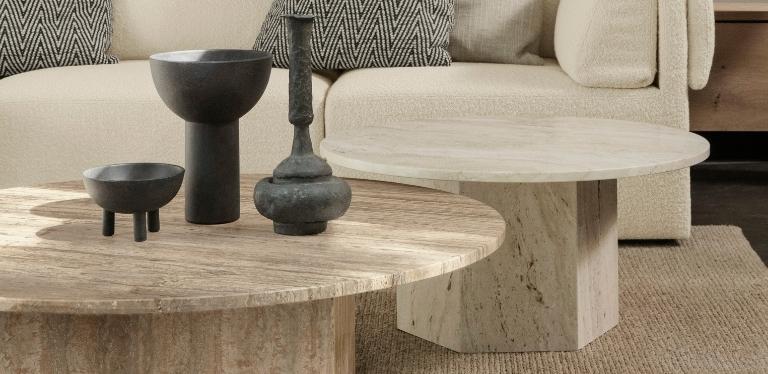
Dining table tops, where a travertine surface provides a warm, textural alternative to the timber or ceramic surfaces that are more common in the Singapore market. A travertine dining table top in a warm honey or ivory tone pairs naturally with solid walnut or solid oak legs and aprons, creating a surface of genuine material richness that reads as considered and specific rather than generic. Coffee table tops, where travertine’s textural quality and natural warmth make it one of the most visually compelling surface options for a Singapore living room. The Epic coffee table by GUBI, available at Danish Design Co, features a travertine top option that is one of the most considered coffee table designs available in Singapore. Side table tops and occasional table surfaces, where travertine appears as a material accent within a broader furniture scheme. Console table tops in an entryway or living room position, where the material’s visual richness creates an immediate impression at the point of entry into the home.
Cleaning travertine correctly is the single most important maintenance practice for preserving its appearance over time. Travertine is a porous, calcium-based material that reacts chemically with acidic substances. The cleaning approach must reflect both the porosity of the stone and its sensitivity to common household cleaning products.
The correct approach for everyday cleaning of travertine furniture in a Singapore home is straightforward. Wipe the surface immediately after any spill with a clean, dry cloth, blotting rather than wiping to avoid spreading the liquid further into the stone’s pores. For regular cleaning, use only warm water and a pH-neutral stone cleaner. Never use vinegar, lemon juice, wine, or any acidic substance on travertine. Never use bleach, ammonia-based cleaners, or abrasive cleaning products. Avoid leaving glasses, bottles, or containers directly on an unsealed travertine surface. Use coasters and placemats consistently on a travertine dining or coffee table surface. For unfilled travertine with exposed natural voids, take additional care to prevent liquids from pooling in the surface cavities.
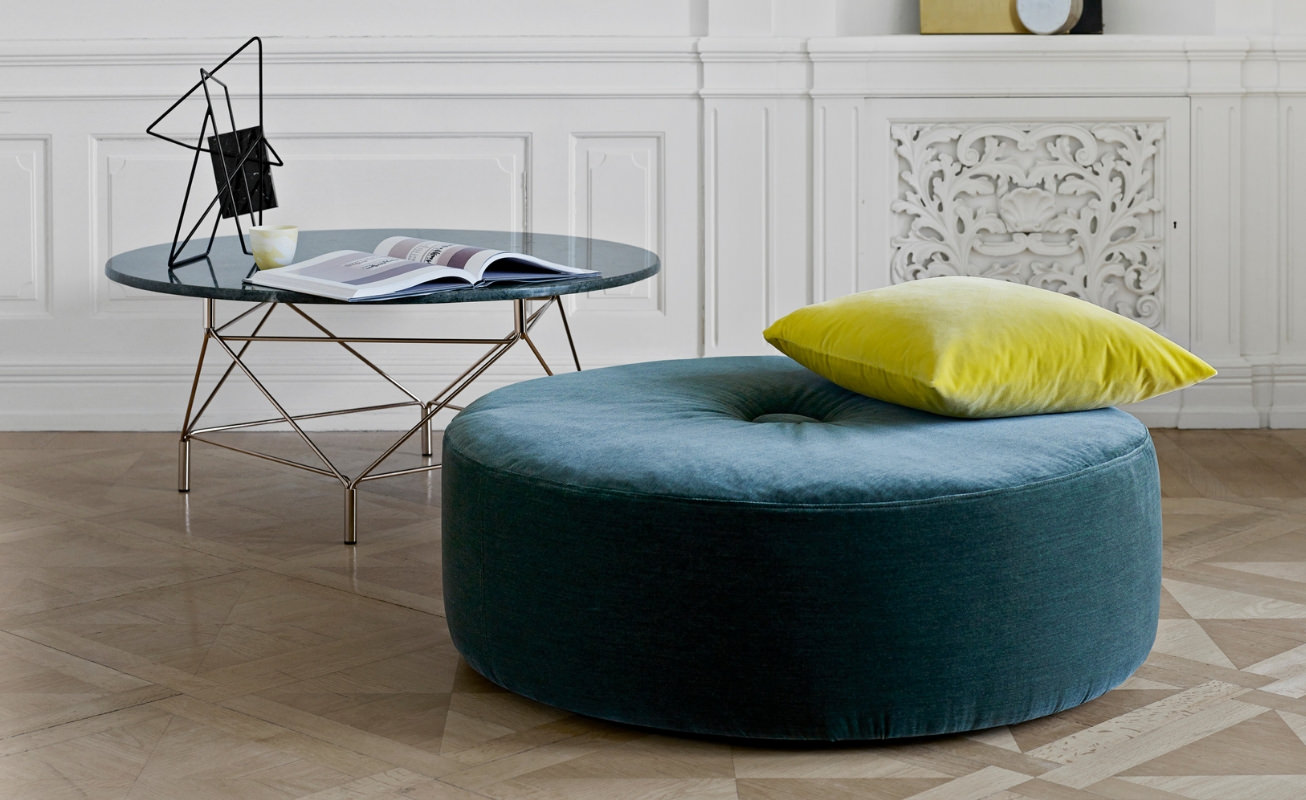
Danish Design Co carries furniture with travertine top surfaces from GUBI, including the Epic coffee table in travertine, one of the most considered and most characterful coffee table designs available in Singapore. The Epic coffee table’s travertine top is available in its natural, characterful finish and pairs naturally with the warm timber and leather tones of the broader Danish Design Co furniture range. The piece is on display at our 12,000 square foot showroom at 100E Pasir Panjang Road, where you can assess the surface quality, the natural variation of the stone, and the way the travertine reads in a real room setting alongside the furniture it will be paired with. Our team can advise on care and maintenance, sealing requirements, and how a travertine piece will perform in your specific Singapore home.

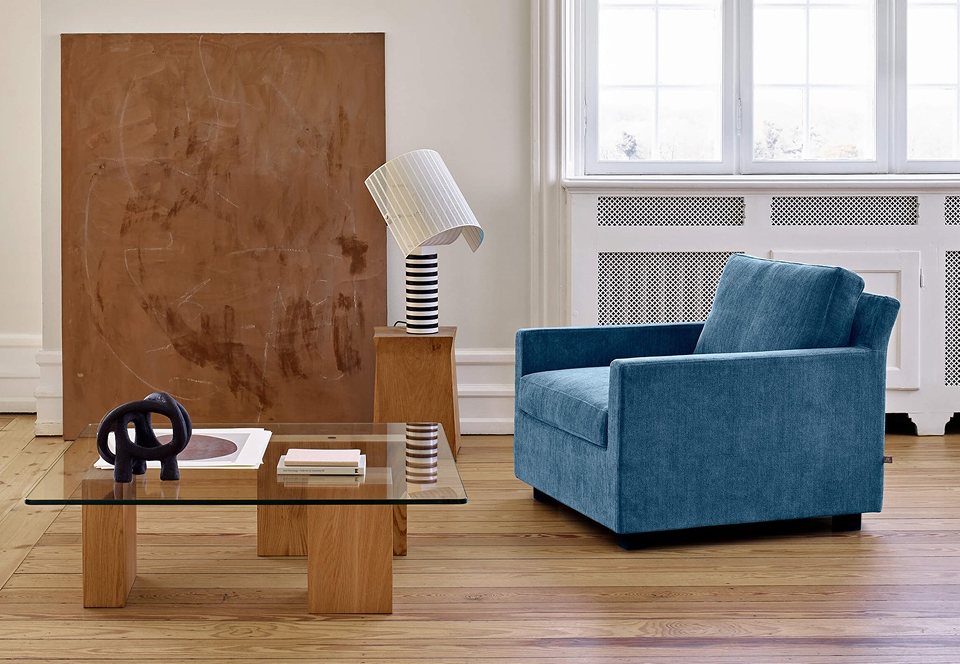
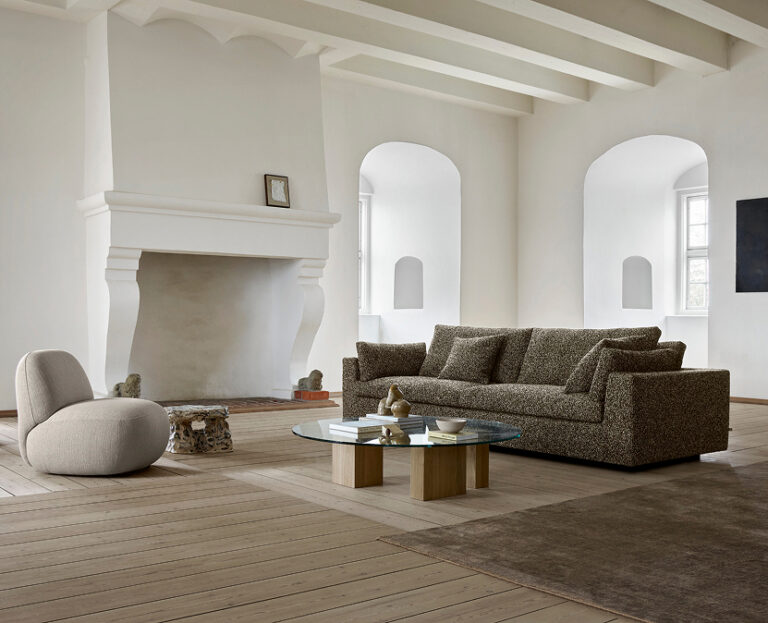

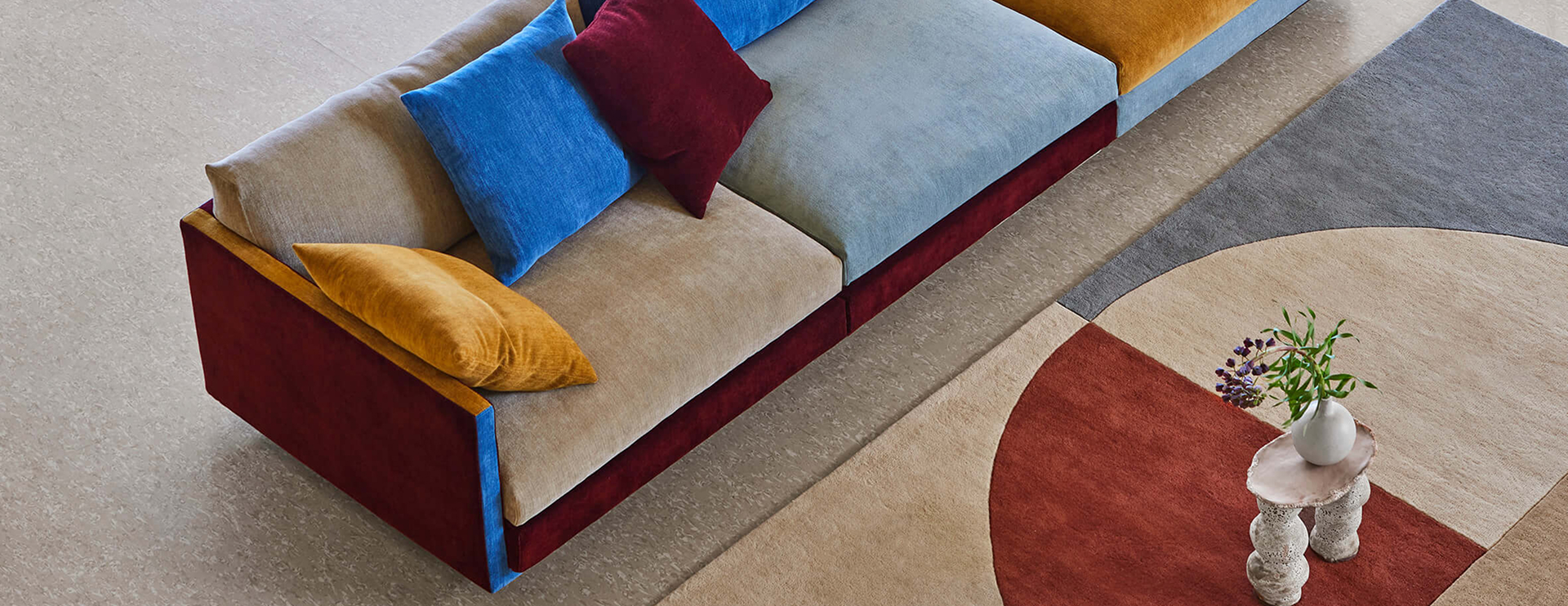
Scandinavian design is usually praised for what it leaves out. Gubi is known for what it puts back in. Where the tradition reaches for restraint,
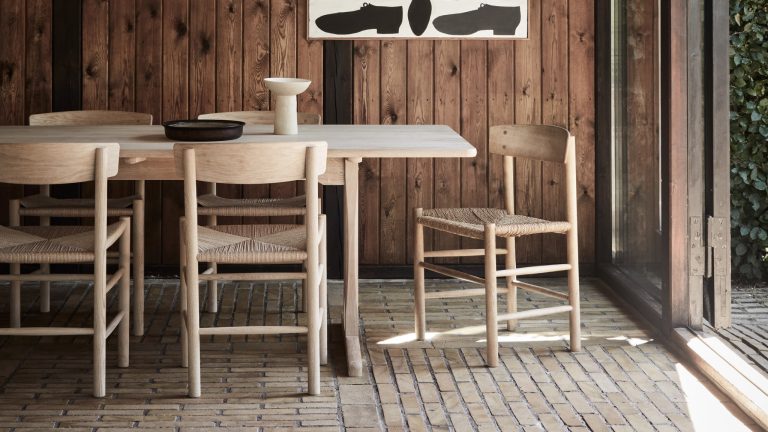
Some furniture houses chase the look of the moment. Fredericia has spent over a century doing the opposite. The Danish house is known for pieces