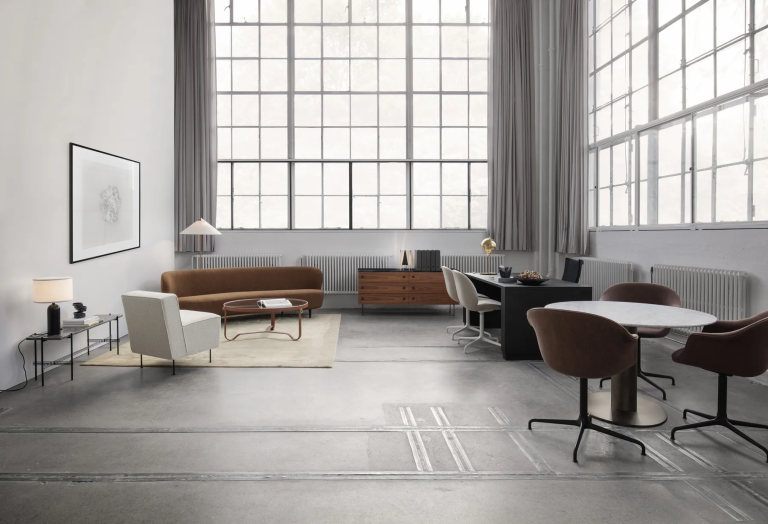
Gubi: Where Scandinavian Heritage Meets Contemporary Glamour
Scandinavian design is usually praised for what it leaves out. Gubi is known for what it puts back in. Where the tradition reaches for restraint,

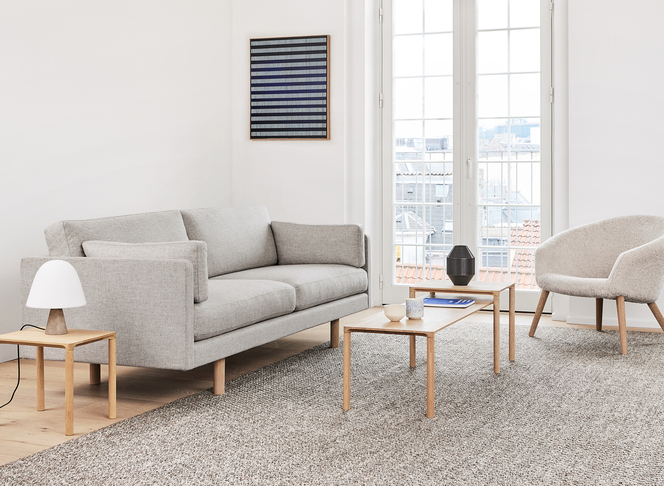
Danish furniture design emerged from a specific cultural and geographic context. In a country with long winters, limited resources, and a strong tradition of craft guilds, the philosophy of making things well enough to last a lifetime was not idealistic. It was practical. The result was a design movement that prioritised function over decoration, quality of material over quantity of detail, and the intelligence of a solution over the novelty of its appearance.
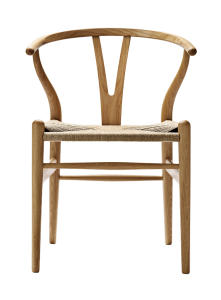
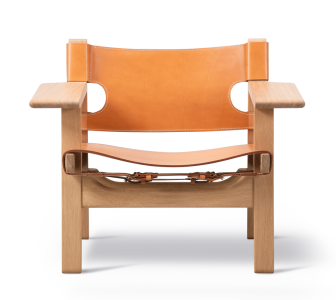
This philosophy produced pieces that have remained in continuous production for decades because they were correct from the outset. The Carl Hansen and Son Wishbone Chair has been made in the same way since 1950. The Fredericia Spanish Chair since 1958. The reason these pieces are still in production is not nostalgia. It is that no subsequent iteration has improved on the original. A design that achieves that level of completeness does not date. It simply continues to be right.
The most fundamental reason Danish furniture lasts longer is the materials it is made from. Quality Danish furniture uses solid, traceable natural materials at every structural point. These materials do not simply resist deterioration; they actively improve under use and over time.
Solid oak hardened across decades of use in a Singapore home becomes more resistant to surface damage with every year. Full-grain leather develops a patina at the points of most contact that no new piece can replicate. Solid walnut deepens in tone as it is exposed to light and air over years. Oiled timber surfaces can be refreshed and restored to their original condition with basic maintenance that takes minutes rather than hours.
None of these qualities are available in the materials that make up most of the furniture market in Singapore.
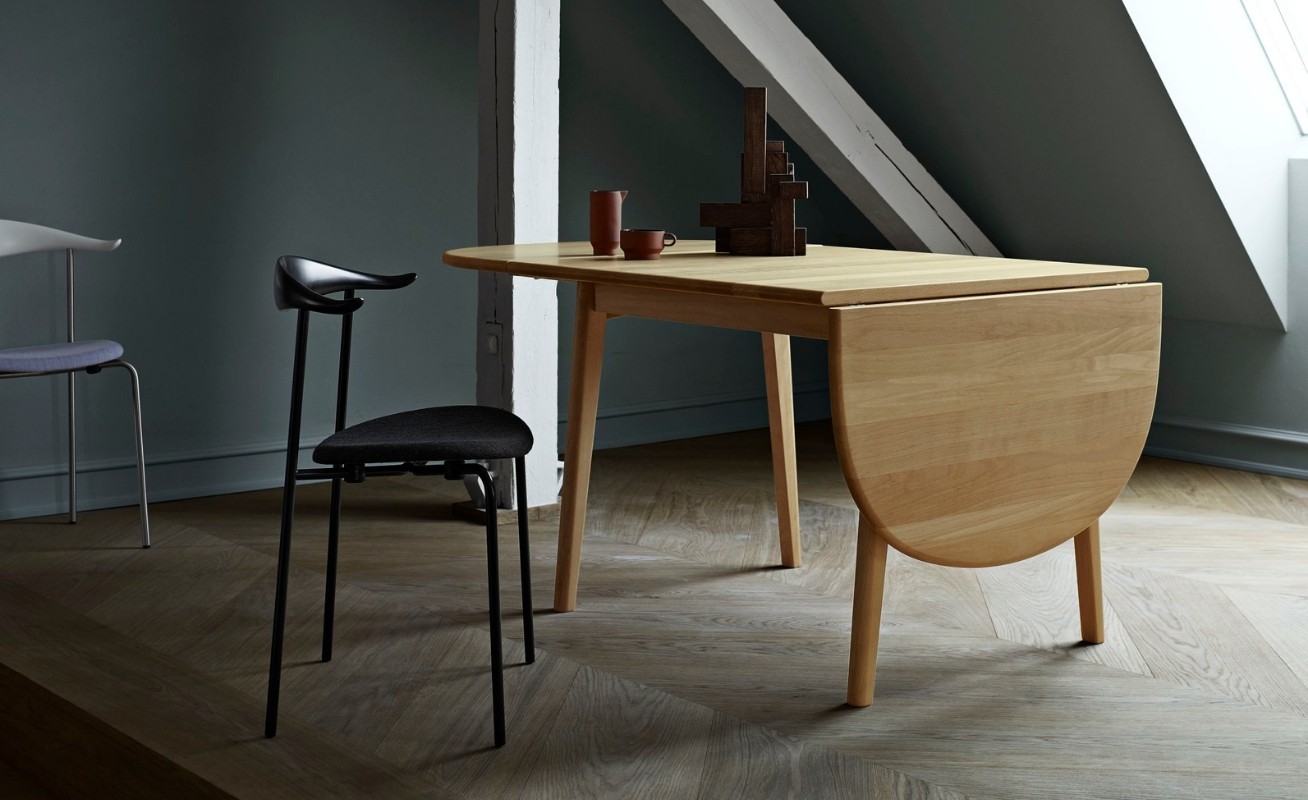
The longevity of Danish furniture is not just a function of its materials. It is a function of how those materials are joined together. The construction methods used by Danish manufacturers like Fredericia, Eilersen, and Carl Hansen and Son are the methods that have been proven to hold across decades of daily use:
Mortise-and-tenon joinery creates a mechanical connection between timber components that becomes stronger under load rather than weaker. It does not rely on adhesive alone and does not loosen as the wood moves seasonally. Dowel construction provides the same mechanical advantage in applications where mortise-and-tenon is not appropriate. Both methods require skilled hand fitting that cannot be replicated at speed on an automated production line. Hand upholstery applied by craftspeople who control tension, depth, and finish at every seam produces an upholstered surface that holds its shape under daily use in a way that machine-applied upholstery does not. Solid timber frame members at every structural point, with no substitution of MDF or composite board at joints or load-bearing sections, ensure the structural integrity of the piece is consistent across its entire construction.
The brands that produce the most enduringly excellent Danish furniture share a structural characteristic that is inseparable from their quality. They are family-owned, they produce in their own facilities, and the family name on the door is the quality control.
A family-owned manufacturer operating on a century-long time horizon makes different decisions than a publicly listed company optimising for quarterly margins. It invests in craftspeople rather than replacing them with cheaper automated alternatives
Fredericia was established in 1911. Carl Hansen and Son in 1908. Eilersen in 1895. These are not historical footnotes in a brand story. They are the operational context within which every piece those brands produce is made today. The craftspeople who produce a Fredericia sofa in Denmark in 2026 are working within a tradition of material knowledge and production discipline that has been refined across five or six generations. That tradition is part of what you are buying, and it is part of why the piece lasts.
Singapore’s climate places specific demands on furniture that accelerate the deterioration of inferior materials and reward the performance of superior ones. Humidity averaging 70 to 80 percent year-round creates conditions that expose every weakness in a piece of furniture within a shorter timeframe than a temperate climate would.
MDF and composite board absorb humidity and expand at joints. The expansion and contraction cycle across Singapore’s seasons loosens fixings, separates joints, and progressively reduces the structural integrity of the frame. Synthetic upholstery materials respond to Singapore’s heat and humidity with accelerated wear at the contact points. Untreated or poorly finished surfaces develop mildew, discolouration, and surface degradation at a rate that surprises most Singapore homeowners who purchase budget furniture for the first time.
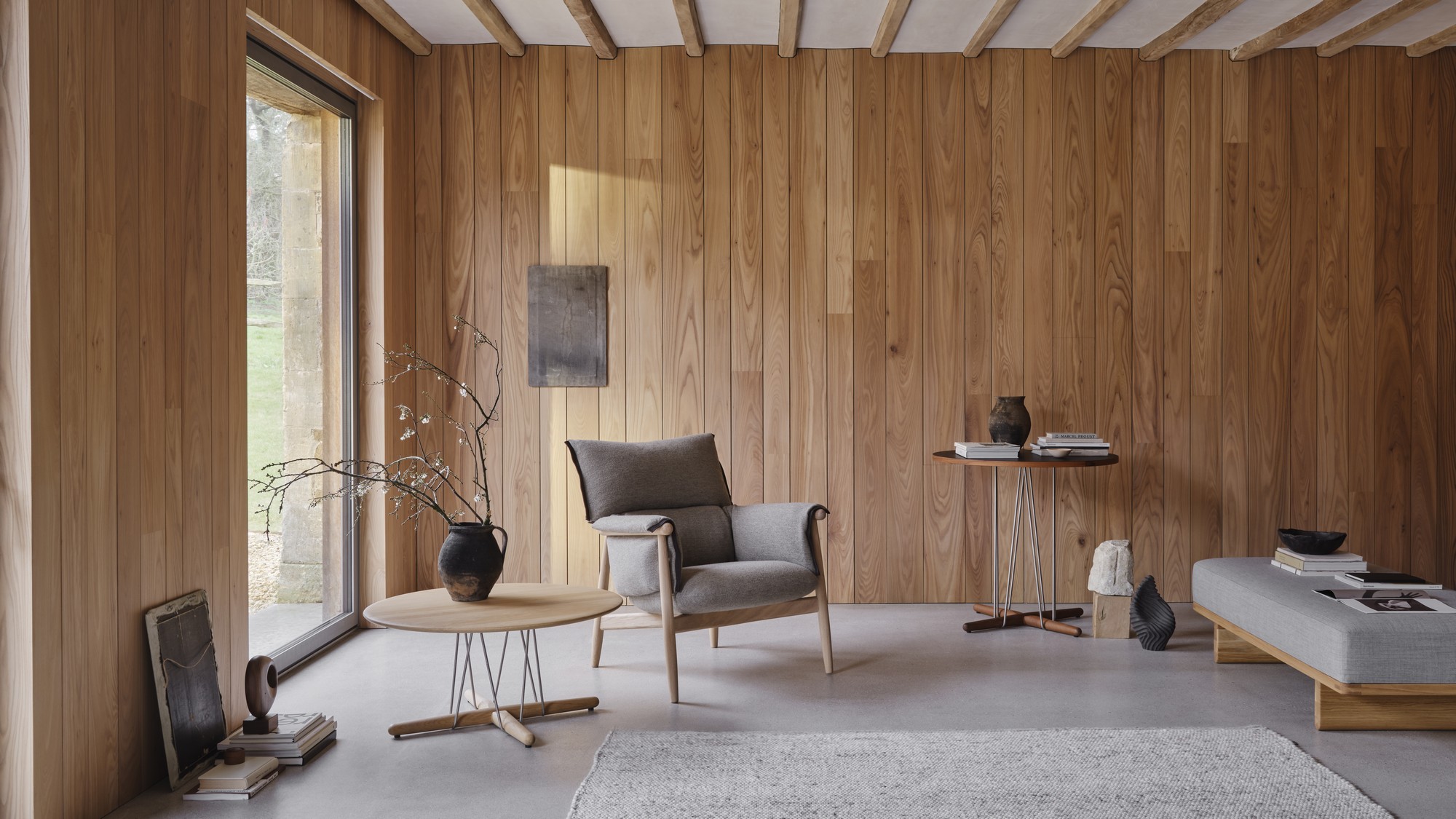
The financial case for Danish furniture is more straightforward than most Singapore homeowners initially expect. A mid-market sofa purchased for four thousand dollars and replaced every six years costs over twenty thousand dollars across thirty years. A quality Eilersen or Fredericia sofa purchased once for twelve thousand dollars and reupholstered once at year fifteen for two thousand dollars costs fourteen thousand dollars across the same period. It also looks better in year twenty-eight than the mid-market alternative looked in year three.
This calculation applies consistently across every furniture category. Dining tables. Lounge chairs. Sideboards. Beds. The pieces built to last cost more at point of purchase and cost significantly less across the lifetime of their use. The Singapore homeowner who understands this is the one who furnishes a home once rather than three times.
Danish Design Co carries furniture from Fredericia, Eilersen, Carl Hansen and Son, GUBI, and Naver Collection. Every brand produces in its own facilities, has been making furniture for decades, and uses natural materials at every structural point. Multiple pieces from every brand are on display at our showroom at 100E Pasir Panjang Road, where you can assess material quality and construction in person. Our team can advise on which pieces represent the most considered long-term investments for your specific home and how each piece will perform in Singapore’s specific climate conditions.

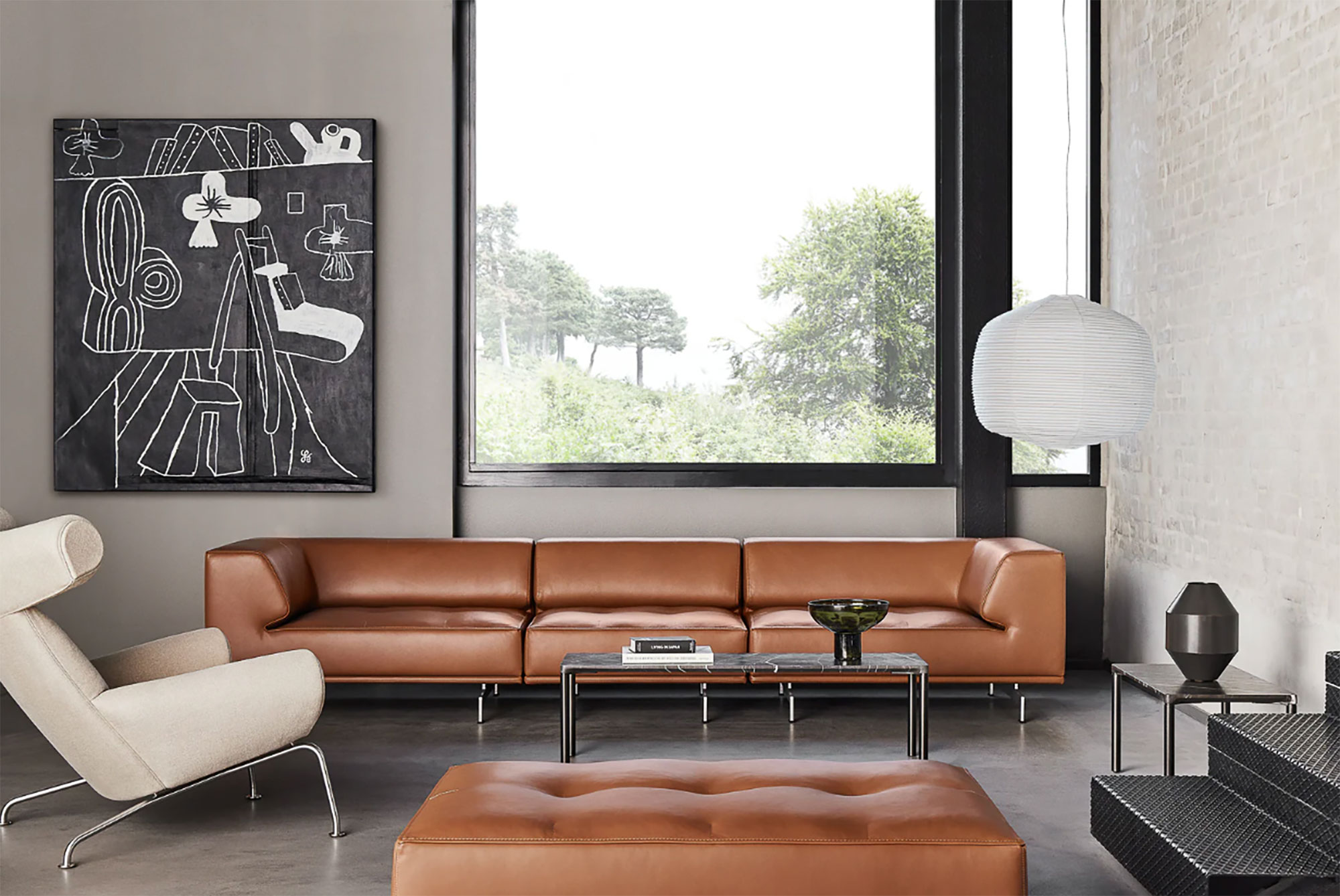
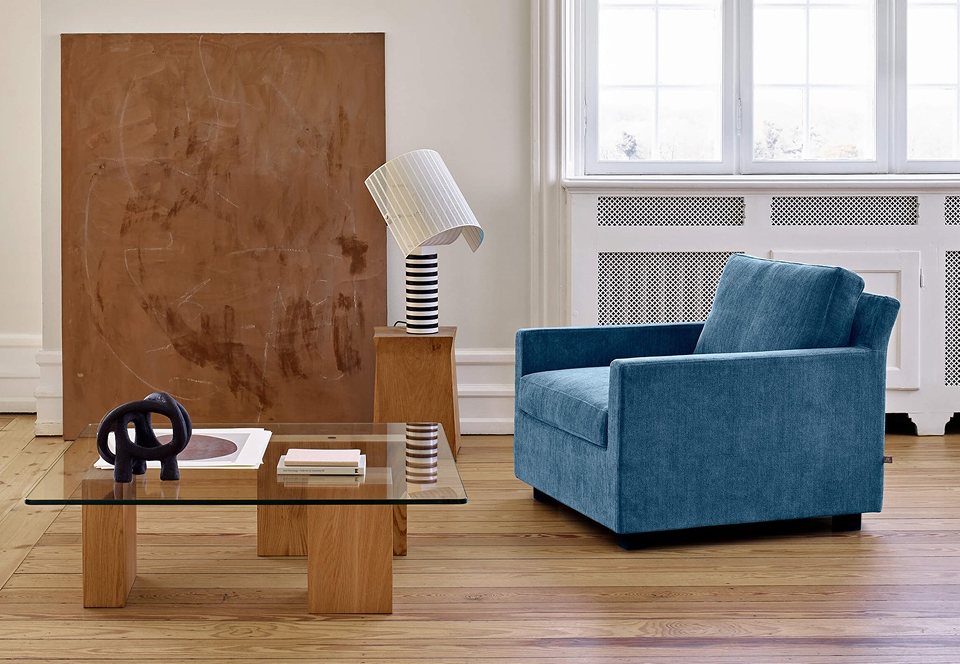
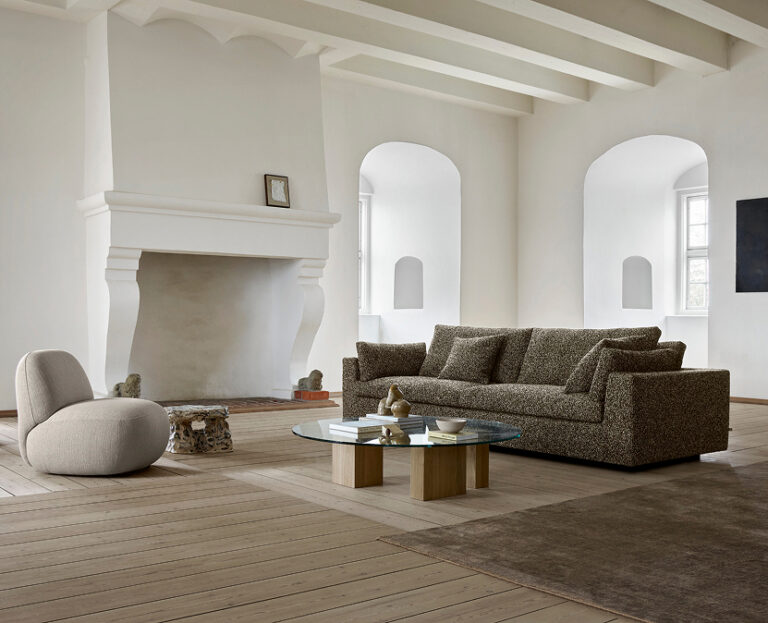

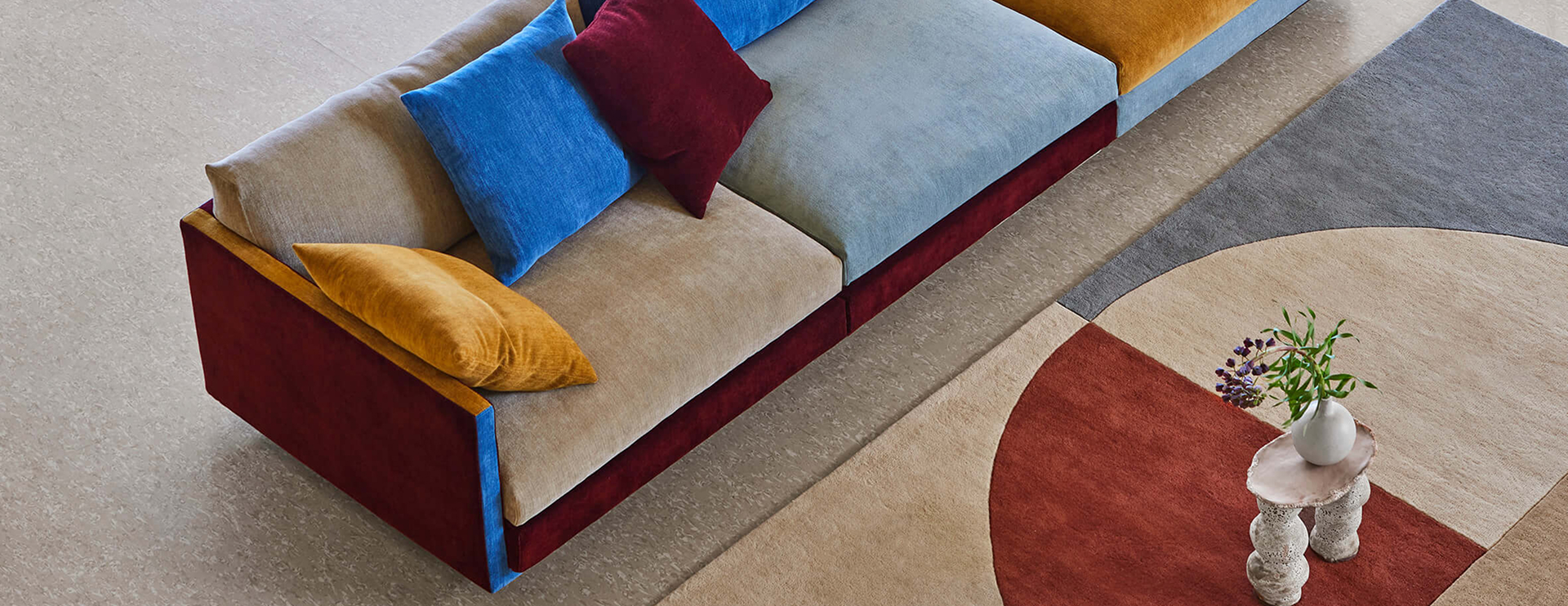
Scandinavian design is usually praised for what it leaves out. Gubi is known for what it puts back in. Where the tradition reaches for restraint,
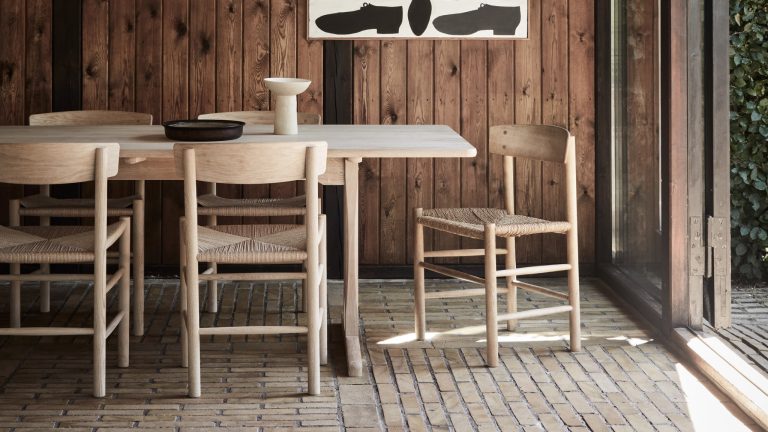
Some furniture houses chase the look of the moment. Fredericia has spent over a century doing the opposite. The Danish house is known for pieces