

Choosing a Scandinavian Furniture Showroom in Singapore
Visit a Scandinavian furniture showroom Singapore residents trust for authentic design, material integrity, and pieces selected for a life well lived.
A lounge chair has an unusually demanding role. It must look composed from across the room, invite use at close range, and remain comfortable long after the novelty of a new interior has passed. The best lounge chairs achieve this balance through proportion, material integrity, and a clear understanding of how people actually rest.
For a considered home, the decision is not simply between a high back and a low profile, or leather and upholstery. It is about selecting a piece with enough visual presence to anchor a room, while preserving the calm and clarity that make Scandinavian interiors so enduring.
A truly excellent lounge chair is designed from the body outward. The angle between seat and back, the support through the lumbar region, the position of the arms, and the height from the floor all determine whether a chair encourages a long, relaxed sit or merely photographs well. These details are often subtle, yet they separate a lasting design from an occasional chair that is rarely used.
Construction matters just as much. Solid wood frames, carefully shaped veneer, precision joinery, resilient upholstery, and naturally aged leather all offer a different expression of quality, but each should feel resolved. A chair does not need visual excess to communicate value. The most enduring pieces often reveal their craftsmanship through a well-shaped arm, a disciplined seam, or the quiet transition between a timber frame and a tailored cushion.
There is also the question of visual longevity. A lounge chair occupies more space than its footprint suggests. Its silhouette is seen against rugs, walls, windows, and sofas, so an overly elaborate form can dominate a room over time. Designs with clarity of form tend to live more gracefully through changing art, textiles, and layouts.
Before considering finishes, identify the chair’s purpose. A reading chair needs sustained back support, a place to rest the arms, and often an ottoman that lets the body fully release. A chair for conversation can be more upright, compact, and responsive. A sculptural accent chair may have a lighter physical presence, but it should still be inviting enough to earn its place in daily life.
In a Singapore apartment, lounge seating often needs to work harder than it would in a larger home. A chair positioned near a window can create a private retreat without requiring a separate room. In a living area, two chairs may provide balance opposite a sofa while keeping sightlines open. For a landed home, a generous high-back chair and footstool can establish a more contemplative corner in a bedroom, library, or upper landing.
The room’s rhythm should guide the choice. A low, reclining form can be beautiful beside a linear sofa, but it may feel visually lost beside a deep sectional. Conversely, a tall winged silhouette can bring needed vertical emphasis to a room with low furniture and wide horizontal lines.
The best lounge chairs are not necessarily the largest. They are the chairs whose proportions make sense within their setting. Start by considering the visible volume of the piece: its width, height, depth, and the air around it.
A compact chair with an exposed timber frame can feel remarkably light, even when its seating is generous. This is valuable in condominium living rooms where circulation around the coffee table and access to balconies must remain effortless. Open bases, slender legs, and raised frames also allow more of the floor and rug to remain visible, which can make a space feel more expansive.
A fully upholstered lounge chair offers a different kind of comfort and presence. Its softness can temper a room of stone, glass, dark wood, or architectural lighting. However, it requires sufficient breathing room. If the chair is pressed into a corner or squeezed against a sofa, its sculptural volume becomes less legible and the seating arrangement feels accidental.
For interiors with strong mid-century references, molded shells, refined timber arms, and gently reclined backs create an easy dialogue with teak or oak casegoods. In more contemporary homes, a chair with a simplified silhouette, textured upholstery, and discreet metal or wood detailing can provide understated elegance without making the room feel period-specific.
Seat height has a practical effect on comfort and a visual effect on proportion. Lower lounge chairs feel relaxed and grounded, particularly in rooms designed for informal entertaining. They are less suitable, however, for anyone who prefers support when standing or for seating that must serve guests across different age groups.
A moderately raised seat is generally more versatile. It works comfortably beside a sofa, supports conversation, and gives the chair a more architectural presence. The right choice depends on who uses the room, not only on the style of the chair.
Material selection should be approached as a sensory decision as much as an aesthetic one. Leather develops character with use and offers a warm, tactile contrast to clean-lined interiors. It can be especially effective on chairs with exposed timber or precise upholstery, where the material’s natural variation becomes part of the design. Its trade-off is that it has a more defined visual weight and may feel warm in direct sun.
Wool, linen blends, and textured woven fabrics offer softness and depth. They can bring a quieter, more residential quality to a living room and often allow a larger chair to recede gently into its surroundings. Consider not only the initial color but also how the weave will read in daylight, under warm evening lighting, and beside the other textiles in the room.
Wood deserves equal attention. Oak lends a pale, contemporary calm; walnut carries richer contrast and formality; teak introduces a warmer, more distinctly Scandinavian character. The best result is rarely a matter of matching every timber finish exactly. Instead, seek compatibility in undertone and grain, allowing each piece to retain its own identity.
For chairs intended for reading, listening, or extended relaxation, an ottoman can change the experience completely. Elevating the feet reduces the need to perch at the edge of the seat and allows the chair’s recline to do its work. It can also act as a flexible extra perch or a small surface when paired with a tray.
That said, an ottoman asks for space. In a compact room, measure the full relaxed position rather than the chair alone. There should still be a comfortable path around the arrangement, especially where the chair sits near a doorway, balcony, or main circulation route. If the room cannot accommodate one without compromise, a well-designed chair with a supportive seat angle may be the more elegant choice.
A licensed design from an established European maker carries more than a familiar name. It reflects the original designer’s intended dimensions, materials, construction methods, and comfort principles. Those elements are inseparable from the chair’s character. A celebrated silhouette can lose much of its grace when its scale, joinery, or upholstery is altered.
This is particularly relevant for pieces that will remain in a home for decades. Authentic furniture is made to be lived with, maintained, and appreciated as materials mature. A timber frame gains patina. Leather softens. Quality upholstery retains its composure. The chair becomes less of a decorative purchase and more of a personal constant.
For architects and interior designers, this continuity also matters at project level. Specifying established design allows seating, tables, lighting, and storage to share a coherent design language without turning an interior into a showroom display. The result feels collected, disciplined, and personal.
Photographs are useful for identifying a chair’s design language, but they cannot reveal the essential things: how the seat receives you, where the back supports you, the texture of a fabric, or the weight of a timber arm beneath the hand. A showroom visit allows you to compare these qualities at a human scale and judge how different silhouettes might sit within your own interior.
At Danish Design Co, a considered selection of authentic Scandinavian and European lounge seating makes that comparison more meaningful. Bring room dimensions, a few images of the existing space, and an honest sense of how the chair will be used. The most satisfying choice is usually the one that feels quietly right from every angle: comfortable enough to become habitual, beautiful enough to remain relevant, and made well enough to reward the years ahead.
Visit a Scandinavian furniture showroom Singapore residents trust for authentic design, material integrity, and pieces selected for a life well lived.
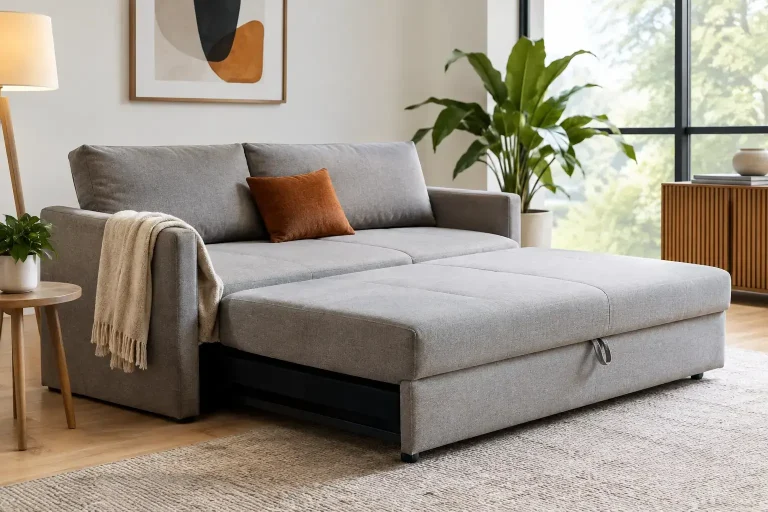
An Innovation Living review for discerning homes: Danish sofa bed comfort, mechanisms, materials, and models for considered guest spaces in Singapore.
Explore 20+ sofas, 30+ tables, and 50+ chairs in our 12,000 sq ft showroom, along with a wide selection of designer furniture. Experience quality firsthand and discover the stories behind each piece—it’s a visit truly worth your time.