
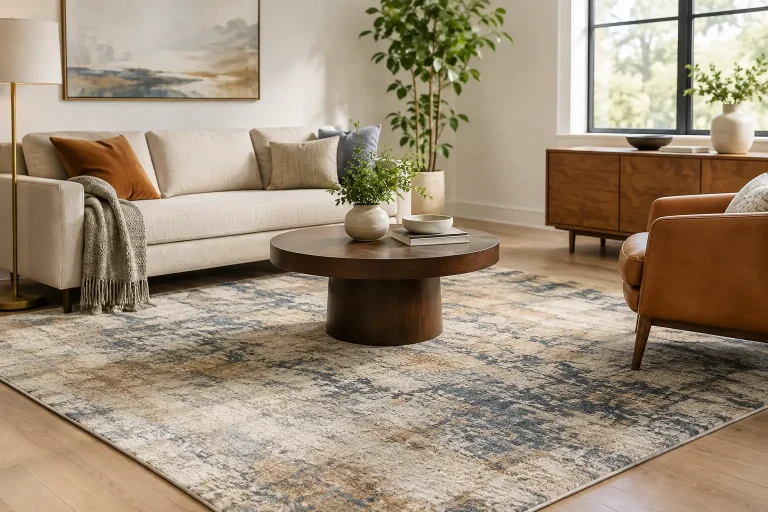
Designer Rugs for Modern Homes That Last
Designer rugs for modern homes bring warmth, acoustic ease, and visual order. Learn how to choose material, scale, and color with lasting clarity at home.
A sofa bed is often asked to solve a very particular Singaporean problem: it must preserve the composure of a well-considered living room, yet offer a genuinely restorative night’s sleep when family or friends stay over. That is why the search for comfortable sofa beds Singapore homeowners can rely on should begin with more than dimensions or upholstery color. The decisive qualities are hidden in the structure, sleeping surface, opening mechanism, and proportions.
A well-made sofa bed should never feel like a compromise that announces itself when guests arrive. At its best, it is a refined piece of seating by day and an intuitively engineered bed by night – suited to apartments where every square foot needs to work with greater intention.
The word “comfortable” can mean different things to different households. A guest room used a few weekends each year has different requirements from a study that doubles as a bedroom for visiting parents, or a living room that accommodates frequent overnight guests. Start by being honest about how often the bed will be used.
For occasional use, a supportive foam mattress or integrated cushioned surface may be entirely appropriate, provided it has enough density to prevent the frame beneath from being felt. For regular sleeping, pay closer attention to the suspension below the mattress and to how the back cushions are accommodated when the bed is opened. A mattress cannot perform well if it rests on a weak or uneven base.
The most reassuring sofa beds distribute weight evenly through a well-considered support system. Look for a sleeping surface that feels level from shoulder to hip, with no pronounced ridge through the center and no hard transition at the edge. In a showroom, do not simply sit. Open the bed fully and lie on it for several minutes. This reveals far more than a quick test of the seat cushions.
A thicker mattress may appear more luxurious, but thickness alone does not determine comfort. Material composition, resilience, ventilation, and the support beneath it all matter. A thinner, high-quality mattress on a stable platform can offer a more composed sleep than a bulkier option that sags or shifts.
Consider the sleeper, too. Those who prefer a firmer, more supportive bed may favor a tauter surface, while side sleepers often appreciate more pressure relief around the shoulders and hips. There is no universal ideal. The goal is a surface that holds its shape, supports natural alignment, and remains comfortable throughout the night.
The mechanism determines whether a sofa bed feels like a useful part of the home or an object that is avoided until necessary. It should open in a controlled, logical motion and close without excessive lifting, force, or rearranging. This is particularly relevant in compact interiors, where the bed may be opened near rugs, coffee tables, or low storage.
A pull-out mechanism with a dedicated mattress often offers the most familiar sleeping experience, but it requires clear floor space in front of the sofa. A fold-down or click-clack design can be efficient where depth is limited, though the sleeping surface may be shaped by the sofa’s seat and back construction. Some designs use movable cushions or a trundle-style extension to create a bed. These can be visually light and practical, but comfort depends greatly on whether the joined sections sit flush.
Rather than asking which mechanism is best, ask which is most appropriate for the room. Measure the sofa in its closed position, then measure its full sleeping footprint, including the clearance needed to walk around it. Account for side tables, lamps, window treatments, and the path from the doorway. A bed that technically fits but leaves no graceful way to move through the room will soon feel inconvenient.
In a thoughtfully furnished home, a sofa bed should retain the poise of a proper sofa. Its arms, seat height, back profile, and visual weight should belong naturally within the room. This is where Scandinavian and European design is particularly persuasive: clarity of form allows multifunctional furniture to feel calm rather than conspicuously practical.
Low, deep sofas can be inviting, but they are not always the best choice for guests who need an easy sit-to-stand height. A more upright seat and a gently supportive back may better serve a household that entertains across generations. Similarly, slim arms can preserve valuable seating width without increasing the overall footprint, while raised legs can create a lighter visual expression in a smaller condominium living room.
The bed size deserves equal attention. A larger sleeping area is more accommodating, but it may demand a substantially deeper sofa or a wider opening zone. For one adult guest, a compact format can be entirely adequate. For couples or extended stays, prioritize a sleep surface that offers enough width and length for unrestrained movement. If the sofa bed will be a regular bed, do not rely on optimistic measurements. Test it as two people would use it.
Upholstery is not merely a decorative decision. It affects temperature, texture, maintenance, and the sofa bed’s ability to age with dignity. Natural fibers and carefully selected blends can bring warmth and tactility, while more tightly woven textiles may better withstand the friction created by repeated opening, closing, and bedding changes.
For a sofa bed in a bright room, consider how the fabric will look under daylight as well as evening lighting. Pale upholstery can lend a sense of quiet spaciousness, but it may require a more considered approach to care. Deeper neutrals and nuanced melanges are often forgiving while still retaining the understated elegance expected of a principal living space.
Leather can be handsome and enduring for a sofa, but it deserves extra scrutiny in a sofa bed. Its feel against the body, its response to room temperature, and the way upholstered sections fold or flex should all be experienced firsthand. The right material is one that feels considered in both modes, not simply impressive from across the room.
A sofa bed contains moving parts, but its fixed elements are just as important. The frame should feel stable when seated upon and when the bed is extended. Listen for creaks, notice any lateral movement, and inspect whether the upholstery remains neatly tensioned at corners and joins. These details speak to the care invested in construction.
Cushion composition also affects how the sofa performs after years of use. Down-rich cushions can offer an inviting softness but may require regular plumping to preserve their tailored appearance. Foam or fiber constructions can provide a more structured sit and simpler upkeep. Neither approach is inherently superior; the better choice depends on whether you value a relaxed lounge feel or a more precise, architectural silhouette.
For a design-led home, consider the sofa bed as part of a longer material conversation. Timber accents, metal legs, woven upholstery, and the proportions of surrounding furniture should feel intentional together. A piece from an established European design house is often compelling because the mechanics and the visual language have been resolved as one object, rather than treated as separate concerns.
Photographs can establish a sofa bed’s character, but they cannot tell you how its seat suspension responds, whether the opening action feels effortless, or whether the bed surface is truly level. These are physical decisions. A showroom visit gives you the chance to test them without rushing.
Open and close the mechanism yourself. Sit in your usual posture. Lie down in the sleeping position and notice where your shoulders, lower back, and knees meet the surface. Ask how the cushions are stored or arranged at night, and whether the upholstery and mattress components can be cared for appropriately over time. If immediate delivery matters, confirm which configurations are available rather than assuming a displayed finish is ready to go.
At Danish Design Co, the most worthwhile sofa bed decisions are approached as part of a complete interior: a balance of comfort, proportion, material integrity, and lasting visual relevance. A considered choice will serve overnight guests generously while allowing the room to remain exactly what it should be every other day – composed, welcoming, and quietly resolved.
The right sofa bed does not need to call attention to its second function. It simply makes guests feel expected, and makes the room feel whole once morning arrives.
Danish Design Co carries sofa beds from Innovation Living, the European-made specialist in convertible furniture, backed by a 5-year warranty. Our curated edit includes the Malloy, the CozyPad Sofa Bed with Arms, the Mikunjo and the Killian – each designed to sit as a proper sofa by day and sleep well by night.
View the sofa bed collection and download the catalogue, or visit our showroom at 100E Pasir Panjang Road, #06-03, to open, close and lie on each model before you decide.
Prefer to start on WhatsApp? Request the sofa bed catalogue on WhatsApp and our team will send it over.
Designer rugs for modern homes bring warmth, acoustic ease, and visual order. Learn how to choose material, scale, and color with lasting clarity at home.
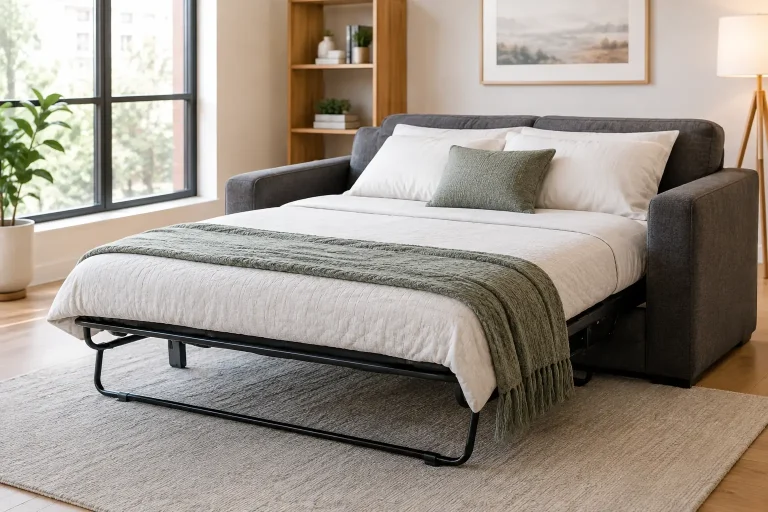
A sofa bed for daily sleeping must feel considered by day and genuinely restorative at night. Learn what construction, mattress, and scale to prioritize.
Explore 20+ sofas, 30+ tables, and 50+ chairs in our 12,000 sq ft showroom, along with a wide selection of designer furniture. Experience quality firsthand and discover the stories behind each piece—it’s a visit truly worth your time.