
Sofa Beds for Small Apartments, Chosen Well
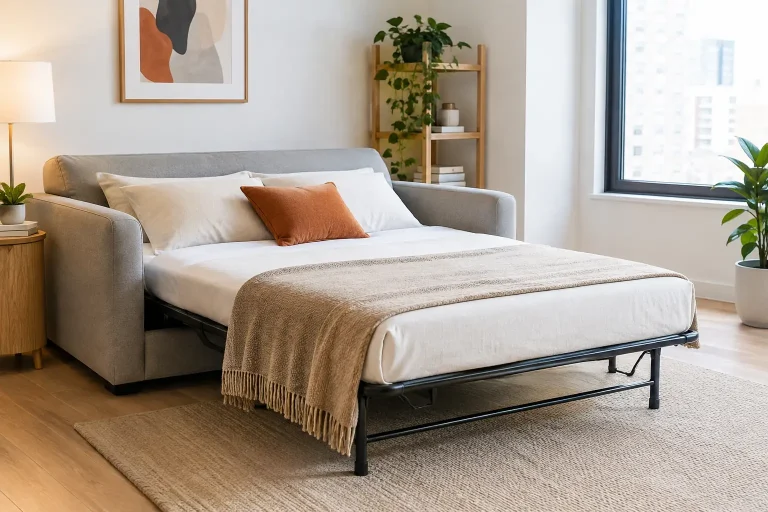
Sofa beds for small apartments bring considered comfort to compact homes. Learn how proportion, mechanism, and mattress quality shape daily living well.
A lobby chair is rarely judged only when a guest first sits down. It is judged after hundreds of arrivals, long conversations, luggage placed beside it, and the small marks of daily use. Contract furniture for hospitality projects must therefore do more than establish an atmosphere. It needs to carry the visual language of a property while retaining comfort, composure, and structural integrity over time.
For hotels, restaurants, serviced residences, and private clubs, furniture is one of the most immediate expressions of hospitality. Its proportions shape how a room feels. Its materials determine how it ages. Its comfort influences whether guests linger, return, and remember the space with affection. The strongest specifications treat these considerations as one discipline rather than a series of isolated purchasing decisions.
Residential furniture can be selected around an individual’s habits and aesthetic preferences. Hospitality settings ask more of every piece. A lounge chair may need to welcome a guest waiting for a table, support a business meeting, and remain visually composed in photographs throughout the day. A dining chair must suit the architecture of the room, but it must also be easy for staff to move, clean, and reset.
This does not mean every project requires furniture that appears overtly commercial. In fact, many of the most memorable interiors feel personal, warm, and quietly domestic. The distinction lies beneath the surface: considered construction, material suitability, repairability, and a specification process that anticipates use rather than merely opening day.
Timeless European design is particularly valuable here because it often begins with discipline. Well-resolved proportions, honest materials, and clarity of form tend to remain relevant as a property evolves. A chair designed with care for joinery, upholstery, and ergonomics does not need visual excess to make an impression.
Before selecting individual pieces, consider how guests move through the property. The best hospitality interiors create a sequence of experiences, from arrival and waiting to dining, working, resting, and gathering. Furniture should support each transition without making the design feel overly programmed.
At reception, seating needs to make waiting feel considered rather than incidental. Lower lounge seating can create ease, but it should be balanced with occasional chairs of a more upright profile for guests who prefer a quicker, easier rise. In restaurants, the relationship between chair height, table proportions, aisle clearance, and acoustic comfort deserves early attention. A beautiful chair can become frustrating if its scale compromises service flow.
Guest rooms require another level of restraint. The furniture should offer comfort and utility without crowding the room or competing with its architecture. A well-proportioned lounge chair, a bedside table with sufficient presence, or a compact desk can make a room feel complete. The aim is not to fill every corner, but to give each piece a clear reason to be there.
Material selection is where many hospitality decisions are either protected or compromised. Natural materials bring depth that manufactured finishes struggle to replicate, but they must be selected with a realistic understanding of maintenance, light exposure, cleaning routines, and the pace of use.
Solid wood offers warmth and tactility, particularly in lobbies, lounges, and dining rooms where a sense of permanence matters. Its character develops over time, yet species, finish, and edge detailing should be chosen according to the environment. A heavily used restaurant may benefit from a finish that can be maintained consistently, while a quieter suite lounge may allow more expressive timber surfaces.
Upholstery calls for the same judgment. Texture can make a space feel layered and inviting, but the fabric must be appropriate to its setting. In high-contact areas, performance and cleanability are practical priorities. In more private spaces, wool, leather, or richly woven textiles may be worth the additional care because they create a more residential sense of comfort.
The right answer depends on the operational model. A boutique hotel with a highly attentive housekeeping program can accommodate a different material palette from a busy all-day venue. Good specification is not about choosing the most resistant material everywhere. It is about placing materials where their qualities can be appreciated and maintained.
Hospitality projects often prioritize visual impact during the early design stages, only to discover later that comfort has been treated as an assumption. It should be tested directly. Seat depth, back angle, arm height, cushion resilience, and the relationship between seating and tables all affect the guest experience.
A dining chair that looks elegant but discourages guests from settling in can work against a restaurant’s ambition. Conversely, deeply relaxed lounge seating may be perfect for a cocktail bar but unsuitable for a breakfast area where guests need a more active posture. There is no universal definition of comfort. There is only comfort that is right for the intended setting and duration of use.
This is why a showroom visit remains useful even for experienced specifiers. Seeing a piece in person clarifies scale, material character, and the quality of its construction. Sitting in it clarifies what drawings and images cannot.
A hospitality project does not need every chair, table, and light fixture to come from the same collection. It does need a coherent point of view. Cohesion is often achieved through repeated material cues, related silhouettes, or a consistent level of visual restraint.
For example, a space might pair sculptural upholstered lounge seating with timber dining chairs and more architectural occasional tables. The pieces can differ in era and expression while sharing a common respect for craftsmanship. This approach creates rooms with depth rather than a catalog-like uniformity.
Design heritage can be especially helpful when assembling such a palette. Established Scandinavian and European makers have often developed collections over decades, with seating, tables, storage, and lighting that speak to one another without becoming overly matched. Their work also carries a legibility that guests recognize intuitively: balanced proportions, considered details, and materials chosen for a reason.
Danish Design Co supports hospitality and professional interiors with a curated selection of authentic European furniture and lighting, alongside project-oriented guidance for specifications that must work beyond the showroom floor.
Contract furnishing is not complete when installation is finished. The project team should consider how pieces will be cleaned, moved, repaired, and, where necessary, replaced. This is not an administrative detail. It is central to preserving the original design intent.
Specify quantities with the full environment in mind. A small number of additional dining chairs or loose cushions can make future maintenance less disruptive. Keep clear records of finishes, upholstery references, and product details so that the property can make consistent decisions later. Where furniture will be rearranged frequently, weight and maneuverability deserve attention alongside appearance.
Lead times and availability also shape good decisions. A project may justify a more extensive made-to-order program when its schedule allows and the resulting material expression is essential. Other projects benefit from in-stock selections that preserve quality while meeting a more immediate installation date. Neither route is inherently better. The appropriate choice depends on the project’s priorities, timeline, and desired level of customization.
The initial purchase price is only one part of a hospitality furnishing decision. Premature replacement, difficult upkeep, visual fatigue, and guest discomfort all carry a cost that may not appear on the first specification sheet.
Pieces with enduring design value can justify their place over a longer cycle, particularly when their construction and materials support maintenance. This does not require every item to be an icon. It requires the discipline to choose furniture that earns its place through proportion, comfort, and lasting relevance.
A hospitality interior should feel settled from its first day, yet capable of gaining character through use. When furniture is selected with that future in mind, the room does more than photograph well. It gives guests a reason to stay a little longer – and a reason to return.
Sofa beds for small apartments bring considered comfort to compact homes. Learn how proportion, mechanism, and mattress quality shape daily living well.

Designer rugs for modern homes bring warmth, acoustic ease, and visual order. Learn how to choose material, scale, and color with lasting clarity at home.
Explore 20+ sofas, 30+ tables, and 50+ chairs in our 12,000 sq ft showroom, along with a wide selection of designer furniture. Experience quality firsthand and discover the stories behind each piece—it’s a visit truly worth your time.