
How to Choose Scandinavian Dining Chairs for Life
Choose Scandinavian dining chairs with confidence. Learn how proportion, wood, upholstery, comfort, and craftsmanship shape a dining room built to last.

A well-made dining chair reveals itself over time: in the way its joinery remains quiet under daily use, how its proportions settle naturally around a table, and how the material gains character rather than simply showing wear. This is the enduring appeal of European furniture brands. Their strongest work is not designed for a single season or a quickly photographed room. It is made to become part of the architecture of everyday life.
For homeowners furnishing a considered residence, the question is not simply which pieces look right now. It is which designs will still feel relevant after a move, a renovation, a growing family, or a change in taste. European design offers a rich answer, but it is not one aesthetic. The most rewarding choices begin with understanding the traditions, materials, and priorities behind each brand.
At their best, European furniture brands place equal weight on visual clarity and physical performance. A sofa must be inviting as well as composed. A dining table must hold a room without overwhelming it. A cabinet should solve a practical need while retaining a sense of lightness and order.
This balance comes from long-standing design cultures. Across Denmark, Italy, Germany, Sweden, Spain, and beyond, furniture makers have developed distinct approaches to proportion, construction, upholstery, and material. Some prioritize the warmth of finely finished timber; others explore sculptural silhouettes, technical precision, or expressive color. What connects them is a refusal to treat furniture as disposable decoration.
Authentic design also carries a lineage. Many European houses work with archives that extend across decades, preserving landmark designs while inviting contemporary designers to develop new expressions. This continuity gives a collection depth. A newly designed lounge chair may sit naturally beside a mid-century table because both are guided by discipline rather than novelty.
Scandinavian furniture is often the natural starting point for homes seeking calm, enduring interiors. Its defining qualities are restraint, tactility, and an unusually close relationship with daily life. Pale oak, walnut, leather, wool, and woven paper cord are used not as decorative effects but as materials with their own visual presence. The best Danish pieces feel resolved from every angle, with an economy of line that makes comfort appear effortless.
Brands such as Carl Hansen & Son represent this tradition through enduring collaborations with leading Danish designers and a continued commitment to skilled woodworking. Their furniture is particularly compelling when a room needs warmth without visual heaviness. A carefully proportioned wood dining chair or lounge chair can give a modern apartment a more settled, human quality.
Fredericia brings a similarly rigorous Danish sensibility, often with a more architectural presence. Its collections show how restrained forms can still be deeply comfortable, especially in seating designed for long conversations and daily use. These are pieces chosen as much for how they live as for how they photograph.
Italian furniture often approaches the room from another direction. It can be more sculptural, more expressive, and more willing to make upholstery or lighting the focal point. Yet the finest Italian design is never merely dramatic. Its shapes are supported by close attention to scale, tailoring, and finish. An Italian lounge chair or pendant can introduce movement and personality into an otherwise quiet interior, provided it is given enough space to be appreciated.
Other European traditions add further range. German and Swiss-influenced design frequently emphasizes engineering, organization, and exacting detail. French design may bring softer curves, decorative sophistication, or a more relaxed sense of glamour. The point is not to assign a fixed national character to every piece, but to recognize that a well-curated home benefits from these different perspectives.
A beautiful image is only the beginning. When selecting European furniture brands, look beyond the outline of a piece and consider what sustains it.
First, assess material integrity. Solid wood, natural veneer, leather, wool, stone, and high-quality metal all age differently. They reward care and, in many cases, develop a richer surface over time. This does not mean every home requires the same materials. A family dining table may need a finish suited to frequent use, while a formal sitting room may accommodate more delicate timber or stone. The right choice depends on how the room is genuinely lived in.
Then consider construction. Fine joinery, properly balanced frames, durable upholstery work, and carefully resolved hardware tend to be felt before they are noticed. Drawers should operate with confidence. Chairs should feel stable without seeming overbuilt. Upholstered seating should retain its composure rather than losing definition after a short period of use.
Comfort deserves the same scrutiny. There is no universal ideal: some people prefer an upright dining chair that encourages conversation, while others want a lounge seat with a deeper, more relaxed sit. Test the seat height, arm position, back support, and cushion feel where possible. A design can be iconic and still be wrong for the way you read, work, dine, or host.
Finally, ask whether the proportions are right for the room. Premium furniture needs room to breathe. A substantial dining table may be extraordinary in a landed home yet feel crowded in a compact condominium. Conversely, selecting only slight, visually delicate pieces for a generous space can leave it feeling unfinished. Scale is not a technical afterthought. It is what allows quality to register.
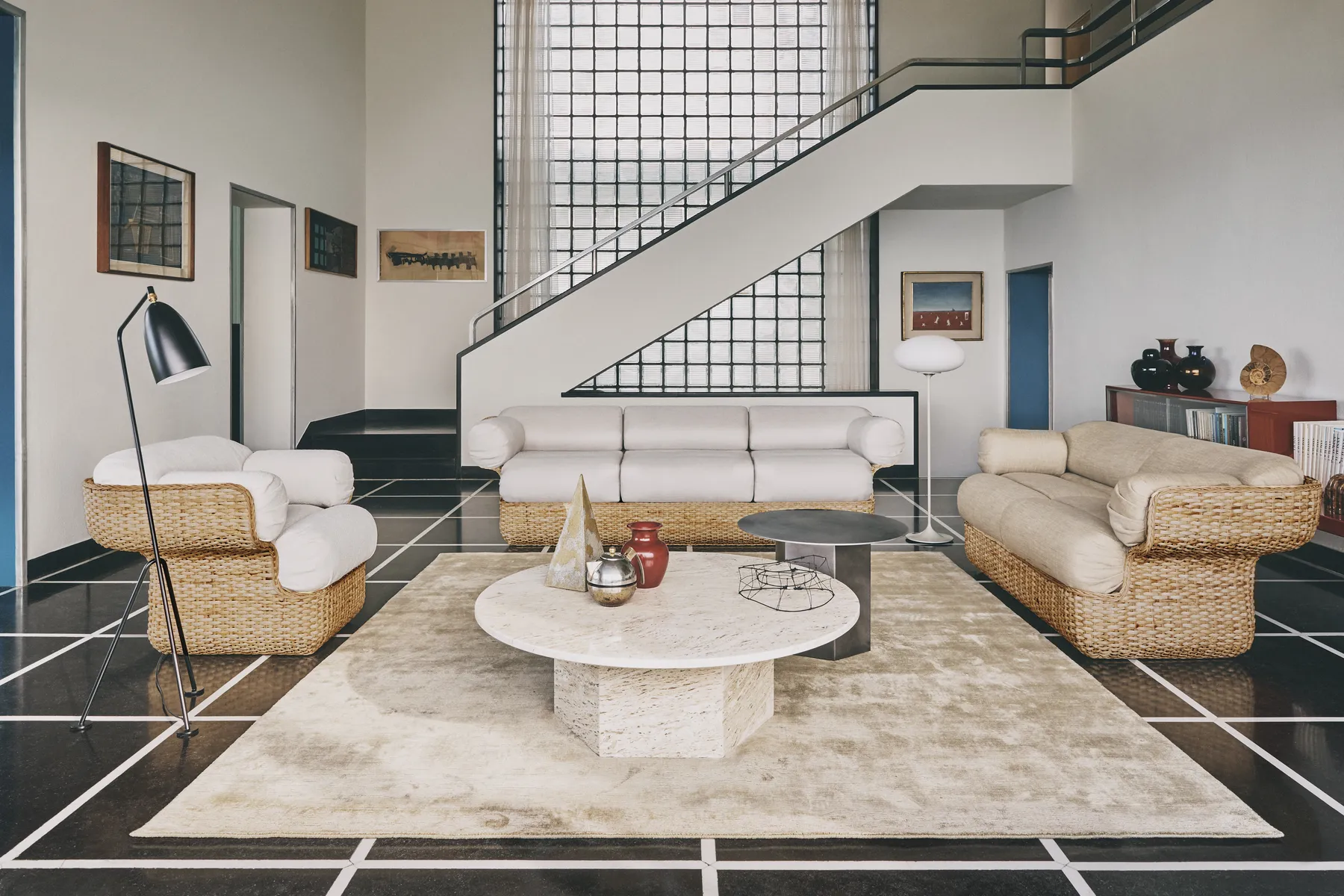
The most convincing interiors rarely come from choosing every piece from one collection or one era. They are built through relationships: the warmth of oak against a textured rug, a tailored upholstered sofa beside a low, sculptural table, or a precise modern light above an older design language.
Start with the pieces that carry the most visual and practical weight. In many homes, that means the sofa, dining table, dining chairs, and key lighting. These anchors establish the room’s rhythm. Secondary pieces can then introduce contrast through material or silhouette without disrupting the whole.
For example, a Danish timber dining table may sit beautifully with upholstered Italian dining chairs if their proportions share a similar sense of restraint. A contemporary GUBI light can bring a more expressive note to a room grounded by quieter Nordic furniture. Naver Collection storage can offer a refined, functional presence where a wall needs order without becoming visually dense.
Cohesion comes from repetition at a subtle level. It may be a recurring timber tone, a family of warm metals, a preference for rounded edges, or an overall balance between light and dark surfaces. Matching everything exactly can make an interior feel static. A measured mix gives it depth.
European furniture can be chosen thoughtfully for Singapore’s climate and urban conditions. Natural materials remain desirable, but they benefit from appropriate placement and care. Timber should not be exposed to prolonged direct sun or extreme swings in temperature, while leather and textiles deserve attention in humid environments. For outdoor areas, choose collections made specifically for exterior use rather than adapting indoor furniture to a terrace or balcony.
Delivery timing also matters when furnishing a home around a renovation schedule. Some pieces are made to order, offering greater choice in upholstery or finish. Others may be available from in-stock selections for more immediate delivery. Neither route is inherently better. The decision depends on whether a particular material or configuration is central to the project, and whether the timeline allows for it.
For larger residences, hospitality spaces, and professional projects, a showroom consultation can be especially valuable. Seeing wood tones, textiles, seat depths, and lighting finishes in person often prevents costly assumptions. Danish Design Co’s showroom offers that opportunity, along with the perspective that comes from nearly two decades of Scandinavian design specialization.
The most lasting European interiors are not assembled through status alone. They are shaped by discernment: selecting fewer pieces with stronger material character, better comfort, and a clear reason for being in the room. A chair should invite use. A table should gather people. A light should change the atmosphere after sunset.
When each choice is guided by proportion, craftsmanship, and the realities of daily life, the home becomes more than a collection of recognizable names. It becomes a place with quiet assurance, where timeless design has the chance to grow more meaningful with every year.
Choose Scandinavian dining chairs with confidence. Learn how proportion, wood, upholstery, comfort, and craftsmanship shape a dining room built to last.

Understand a designer furniture price match guarantee: what to compare, how authenticity affects real value, and how to buy with confidence in Singapore.