Modular Sofa Buying Guide
How to Choose the Right Modular Sofa Size
Measure your living area precisely, including wall lengths, walkway clearance, and spacing around neighbouring furniture. For HDBs and condominiums, consider configurations that optimise flow, while larger residences can comfortably accommodate U-shape or L-shape sofas. Allow 80–100 cm of circulation space for ease and comfort.
Leather vs Fabric Modular Sofas
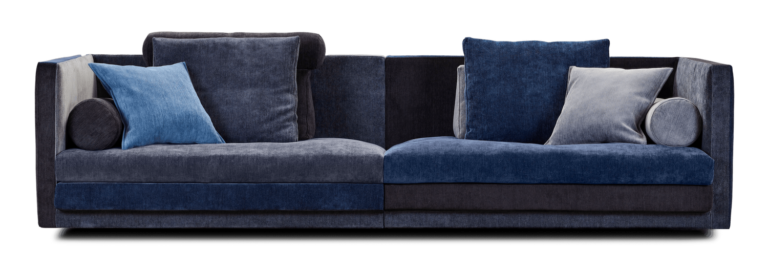
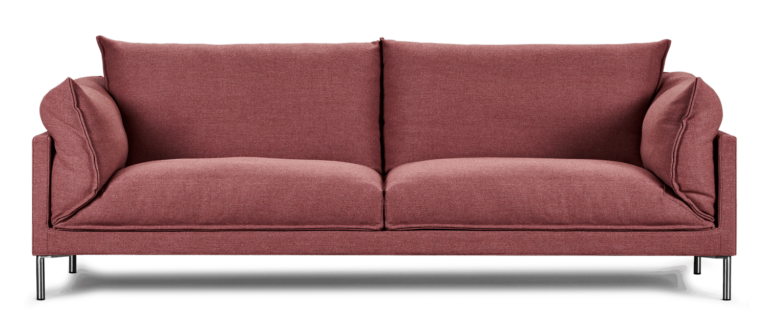
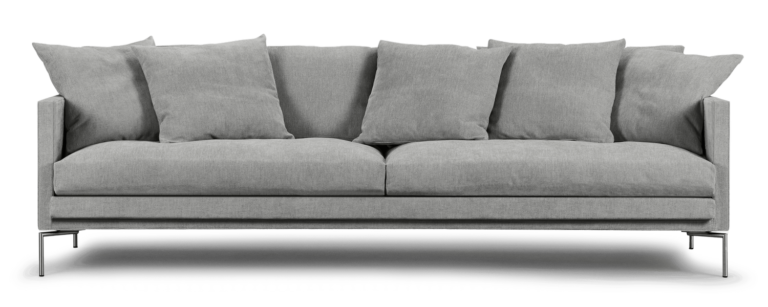
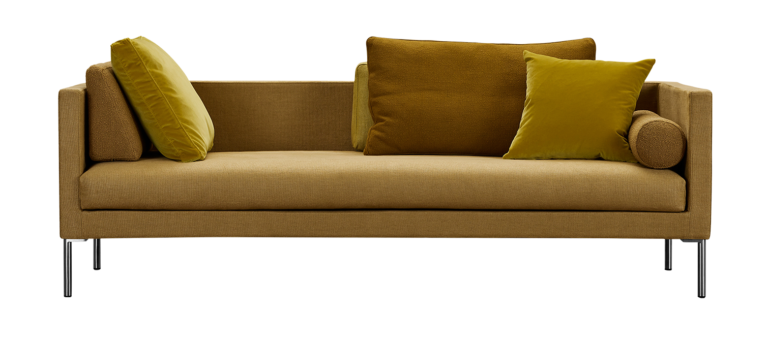
Premium European leather offers longevity, a rich tactile feel, and a beautifully ageing patina. Nordic fabrics provide breathability, softness, and a relaxed aesthetic suited to Singapore’s warm climate. Both options are crafted to endure, and the right choice depends on your lifestyle and design preferences.
Understanding Modular vs Sectional vs L-Shape
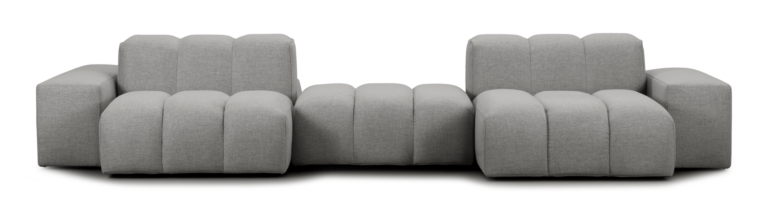
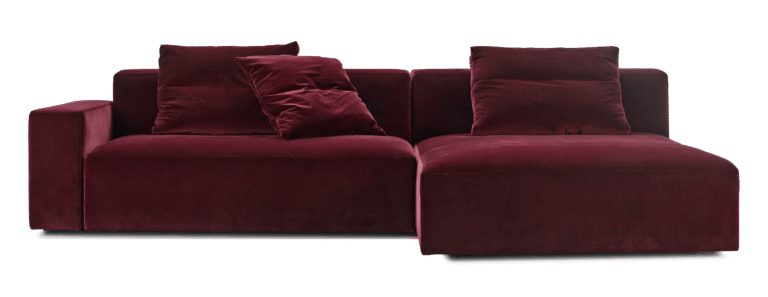
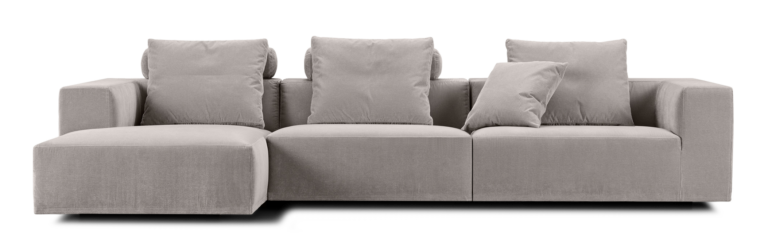
While often used interchangeably, sectional sofas typically come in fixed shapes, such as an L-shape with a predetermined chaise. Modular sofas consist of individual units that can be rearranged and expanded, offering significantly more flexibility over the long term. For households that anticipate evolving needs, modular designs provide the most adaptable investment.
Choosing the Right Configuration
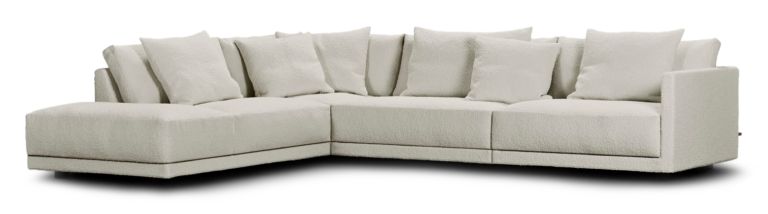
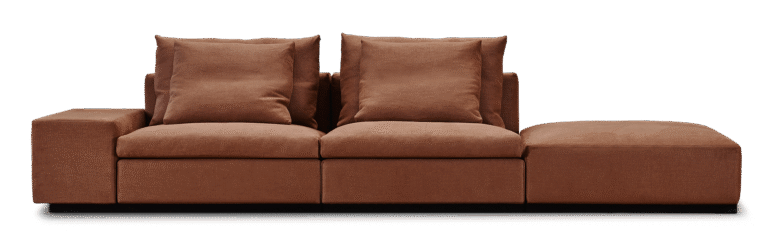
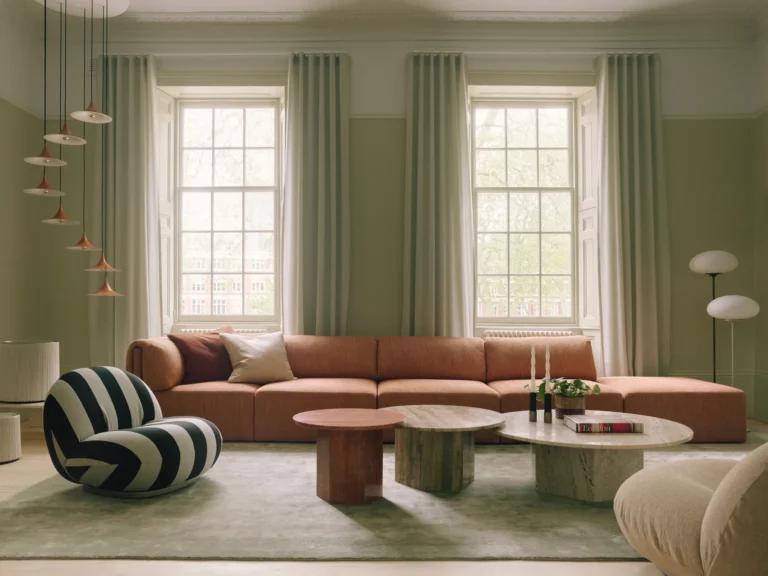
Select between left- or right-facing chaises, corner modules, or larger U-shaped setups depending on your floor plan. Additional components, such as armless seats or ottomans, allow the sofa to grow with your space. This ensures long-term relevance and comfort.
Why Designer Modular Sofas Cost More
Designer modular sofas use premium hardwood frames, high-resilience foams, hand-finished upholstery, and engineered support systems. These materials, combined with European labour standards and artisanal craftsmanship, create furniture built for decades of comfort, durability, and timeless style.