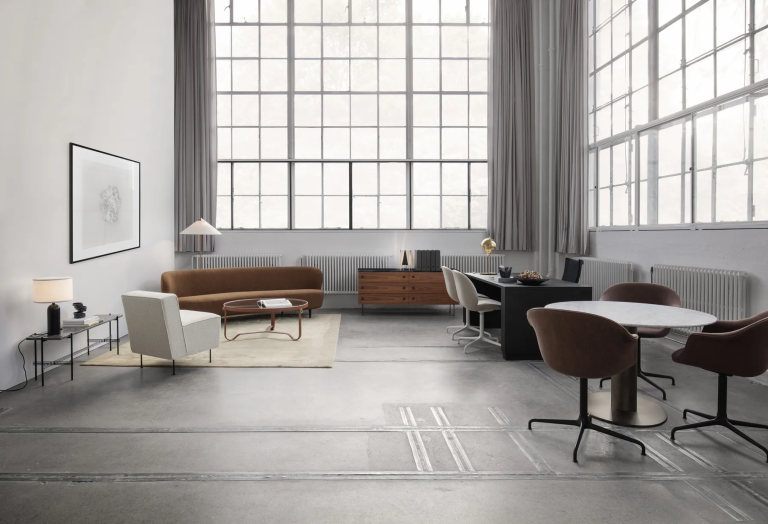
Gubi: Where Scandinavian Heritage Meets Contemporary Glamour
Scandinavian design is usually praised for what it leaves out. Gubi is known for what it puts back in. Where the tradition reaches for restraint,

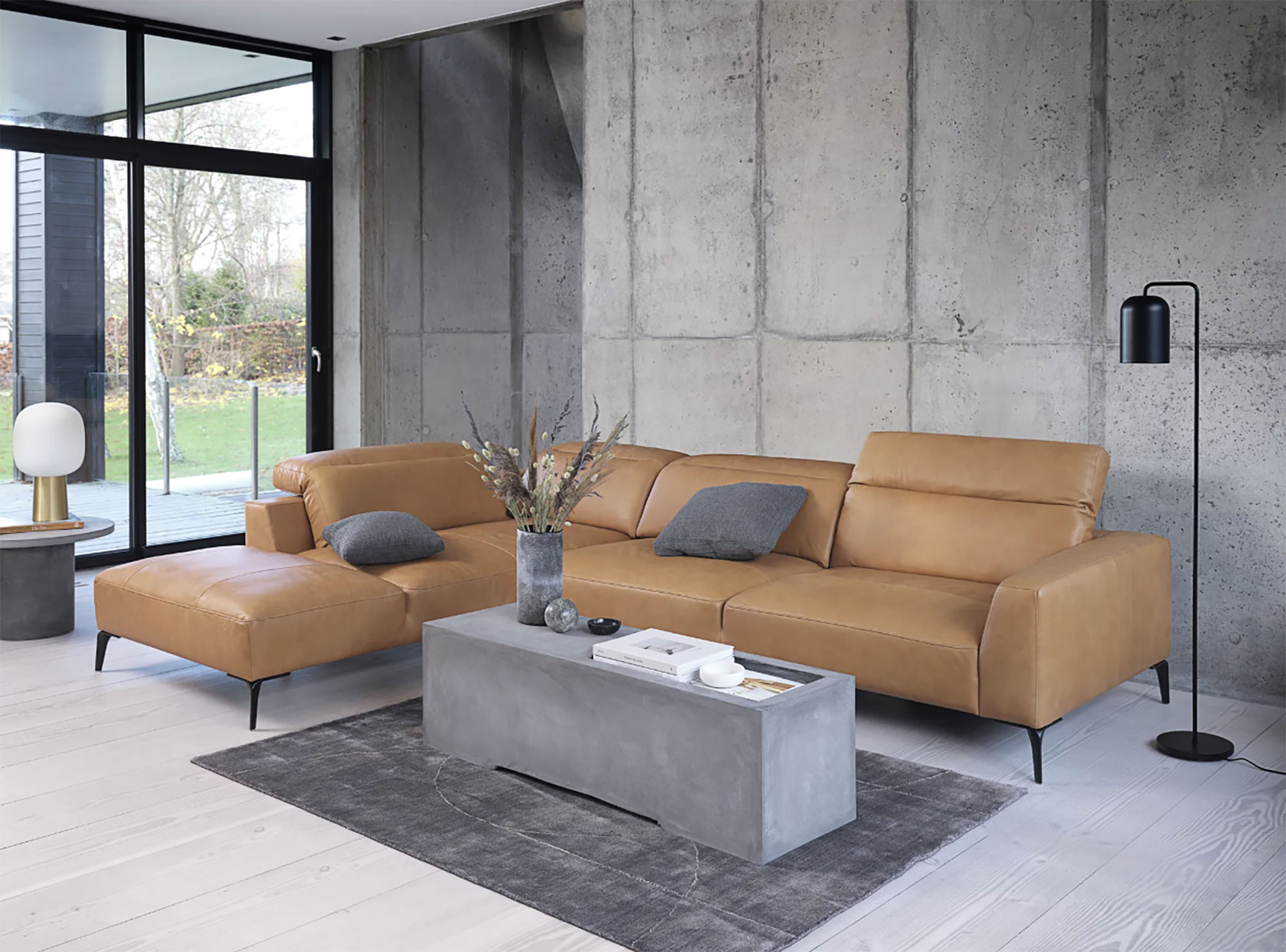
Most people can identify a room that feels right without being able to explain why. The sofa is well placed, the scale of things holds together, and nothing competes for attention. Proportion is usually the reason, and it operates quietly enough that its absence is noticed before its presence is.
This matters particularly in luxury furniture decisions, where a piece may be beautifully made and still read incorrectly in a room. The relationship between a piece and its surroundings, and between a piece and the body using it, determines whether the room feels considered or merely furnished.
Proportion refers to the relationship between a piece’s height, width, depth, silhouette and the space it occupies. These relationships can make a home feel settled or unsettled without the occupant being able to name the cause. A designer coffee table 5cm too low reads as an afterthought. A luxury sofa bed calibrated for a person significantly taller creates a subtle but persistent discomfort that is easy to mistake for the wrong upholstery choice.
Luxury furniture designs with these relationships as a primary discipline. The visual result, when the proportions are exact, is a piece that looks balanced from every angle without announcing itself as the reason the room works.
No single piece establishes the scale and atmosphere of a living room more decisively than the sofa. Its length sets the horizontal logic of the space. Back height determines how much of the room reads above it and how the piece relates to adjacent shelving, artwork or windows. Seat depth and arm profile contribute to visual weight and dictate comfort in equal measure.
The Mogensen 2213 Sofa is instructive here. Designed by Børge Mogensen in 1962 for his own home in north Copenhagen, it carries its considerable presence through restraint rather than bulk. Exposed solid-wood legs lift the frame off the floor and allow the eye to travel under the piece, keeping the room readable. The upholstery is 100% handcrafted at the Fredericia factory, and the proportions are calibrated to the human scale rather than to the dimensions of the surrounding space.
Larger living rooms may suit a more generous configuration or a deeper seat. Open-plan condo layouts, where the living and dining areas share a continuous floor plate, often benefit from a cleaner silhouette that does not interrupt sightlines or movement.
Singapore living spaces range from compact open-plan apartments to landed homes with defined rooms and higher ceilings. The same piece can read correctly in one and overwhelm the other.
In a compact condo, an oversized piece interrupts movement and closes sightlines. The room becomes the furniture rather than a room containing furniture. In a larger home, a piece too modest in scale can feel unanchored, as though the space has not been fully resolved.
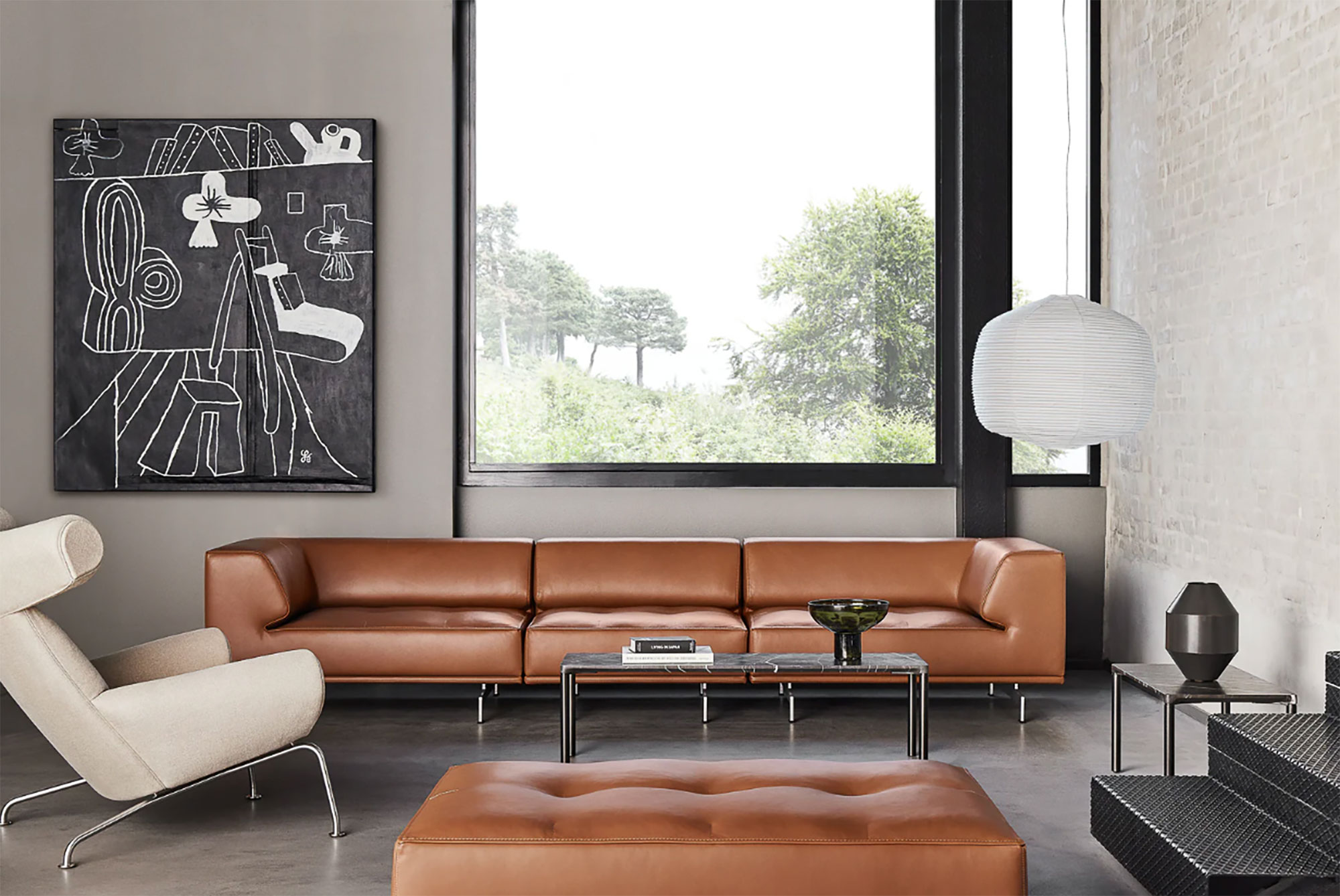
Proportion is not only visual. It determines directly how the body is supported. Seat height, cushion depth, back angle and armrest position each affect how a chair or sofa feels during extended daily use, and the cumulative effect of getting these wrong is a piece that is quietly uncomfortable in a way that takes months to diagnose.
The Wegner Ox Chair makes the point well. Designed by Hans J. Wegner in 1960, its broad headrest and full-bodied proportions are calibrated to cradle the upper body rather than merely provide a surface to rest against. The confidence of the piece and its willingness to occupy space are what give the sitting experience its quality.
Proportion also governs how pieces work together. A sofa and coffee table set that read as a composed pair are almost always matched through height relationship and visual weight rather than material alone. A rug that extends to the right boundary of a seating arrangement makes the grouping feel resolved. A dining table at the right height relative to the ceiling gives space rather than the appearance of assembly.
Luxury furniture achieves this harmony through restraint. Negative space is treated as part of the composition rather than something to fill. A room with fewer pieces, each at the right proportion for the space and for each other, settles in a way that fully furnished rooms without that discipline rarely do.
Proportion is best assessed in person. Visit the Danish Design Co showroom at Pasir Panjang to experience how specific pieces carry themselves in space, as the scale, comfort and visual weight of luxury furniture are decisions best made from the full experience rather than from a specification sheet.
Scandinavian design is usually praised for what it leaves out. Gubi is known for what it puts back in. Where the tradition reaches for restraint,
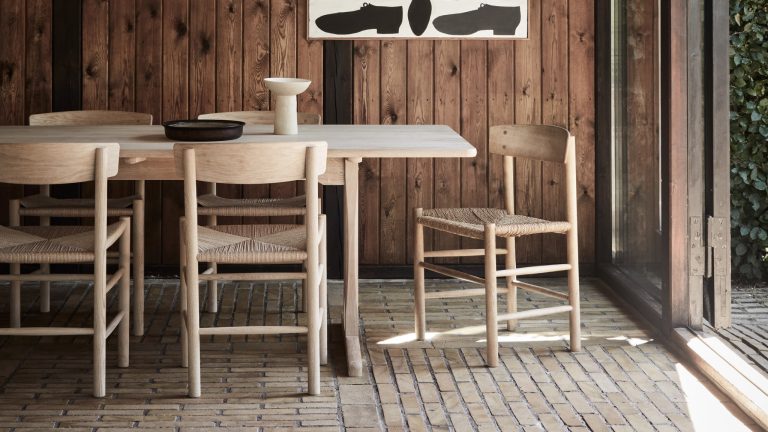
Some furniture houses chase the look of the moment. Fredericia has spent over a century doing the opposite. The Danish house is known for pieces