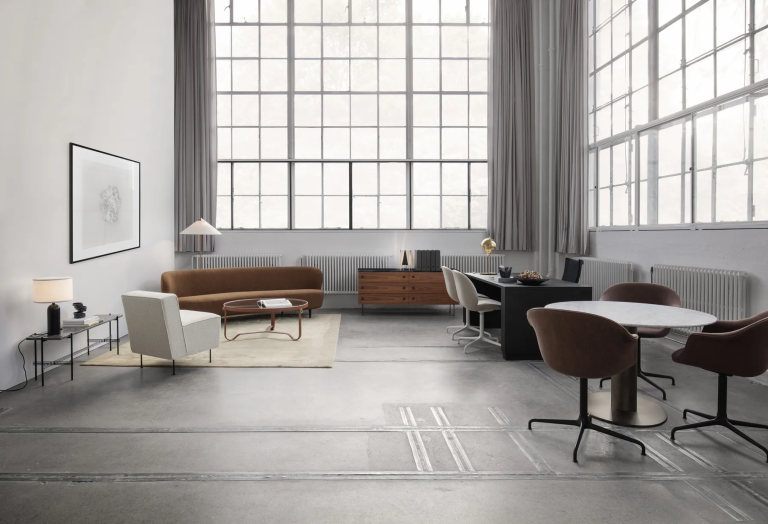
Gubi: Where Scandinavian Heritage Meets Contemporary Glamour
Scandinavian design is usually praised for what it leaves out. Gubi is known for what it puts back in. Where the tradition reaches for restraint,

Luxury has historically been defined by exclusivity, price, and the conspicuous quality of surface. A luxury sofa was one that looked expensive, used premium materials, and carried a name that signalled taste and means. These qualities have not become irrelevant, but they are no longer sufficient. A growing number of Singapore’s most design-literate consumers now add a further criterion: how was this made, what will it do to the world, and how long will it last?
This expanded definition of luxury turns out to be deeply compatible with the Danish design tradition. Danish furniture manufacturers have always operated from values that align with sustainability — not because sustainability was a marketing concept they adopted, but because the craft tradition they work within has always prioritised durability, material honesty, and the kind of long-term thinking that produces objects worth keeping. A Fredericia chair built in Denmark from kiln-dried solid oak, finished by hand, and upholstered with full-grain leather is a luxury object by any measure. It is also, over its operational life, one of the most environmentally responsible furniture choices available.
The alignment is not accidental. It reflects a coherent set of values — that things should be made well, from honest materials, by people paid fairly for skilled work, and designed to outlast the fashion cycles that drive the volume furniture industry.
The Hidden Cost of Cheap Furniture
To understand why sustainable luxury makes both ethical and economic sense, it helps to understand the true cost of its opposite. The volume furniture market operates on a model of planned impermanence. Pieces are designed to a price point, produced at scale in factories optimised for throughput over quality, and sold to consumers who replace them every five to eight years as they wear out, go out of fashion, or simply fail.
The environmental consequences of this model are significant. Every piece of furniture that enters a landfill represents the embodied energy of its production — the raw materials extracted, the manufacturing processes run, the transport undertaken — all written off at the point of disposal. Singapore sends a substantial volume of furniture to landfill each year, and the majority of it arrives there not because it has genuinely reached the end of its useful life but because it was never built to have a long one.
The economic argument mirrors the environmental one. A consumer who buys a SGD 800 sofa and replaces it every seven years spends more on seating over a thirty-year period than a consumer who buys a premium Danish sofa once and maintains it. The premium piece costs more at point of purchase. It costs less to own, produces less waste, and delivers a substantially better living experience throughout its considerably longer life.
What Genuine Sustainability Looks Like in Furniture
Genuine sustainability in furniture is not a label or a certification, though certifications have their place. It is a set of verifiable qualities that run through the entire life cycle of a piece — from material sourcing through production, distribution, ownership, and eventual end of life. The following characteristics define furniture that earns the sustainable luxury description honestly:
Danish Design and Sustainable Values: A Natural Alignment
The Danish design tradition developed in a cultural context that valued making things well and making them last. Mid-century Danish designers like Børge Mogensen and Hans Wegner worked from a conviction that good design should be accessible, durable, and honest in its use of materials — values that translate directly into sustainable practice without requiring any adjustment.
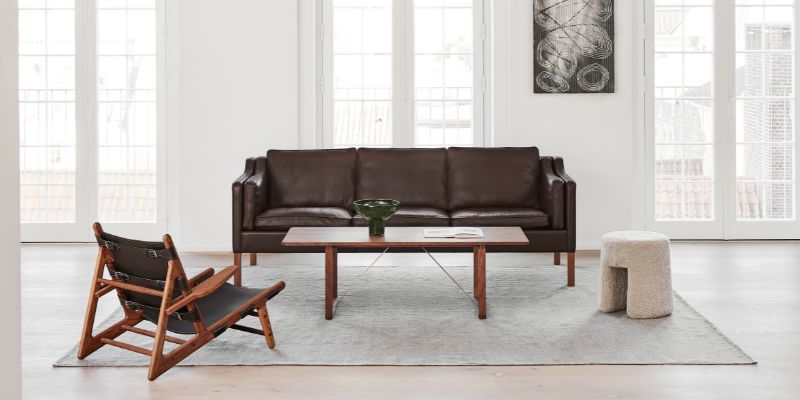
Fredericia, whose Mogensen pieces remain in production decades after their original design, embodies this continuity explicitly. A Spanish Chair bought today uses the same solid oak frame construction and full-grain leather upholstery that the original specification demanded. It will last as long as the originals have. That is not a sustainability programme — it is the natural consequence of taking craft seriously.
Eilersen applies the same philosophy to sofa production. The brand’s made-to-order model means that each piece is produced in response to a specific purchase rather than speculatively manufactured and held in warehouse stock. This reduces overproduction waste significantly. The materials used — solid wood frames, cold-cure foam, premium fabric and leather — are chosen for their performance over decades, not their cost over quarters.
GUBI’s stewardship of mid-century design classics reflects a further dimension of sustainable luxury: the idea that great design is a cultural resource worth preserving. By faithfully reproducing pieces that had fallen out of production, GUBI extends the life of design intelligence that would otherwise be lost — and does so using production standards that honour the original work rather than cheapening it.
Sustainable Luxury in Singapore’s Context
Singapore has made sustainability a national priority, and its homeowners are increasingly thoughtful about the environmental implications of their consumption choices. The government’s Green Plan 2030 has accelerated awareness of sustainable living across the city-state, and the conversation about consumption — including furniture consumption — has become more sophisticated as a result.
Singapore’s climate also makes the sustainability argument for quality furniture unusually concrete. Cheap furniture degrades faster in tropical humidity than it does in temperate climates. The replacement cycle accelerates. The waste accumulates more quickly. Investing in furniture built to last is, in Singapore’s conditions, an even more practical sustainability choice than it would be elsewhere — because the performance gap between quality construction and cheap alternatives is so consistently and visibly demonstrated by the local environment.
Danish Design Co’s showroom serves Singapore homeowners who have arrived at this understanding and are ready to act on it. The pieces it carries are not positioned as sustainable alternatives to luxury — they are luxury, with sustainability as an inherent rather than an added quality.
How to Build a Sustainably Luxurious Home in Singapore
Building a home around sustainable luxury principles does not require replacing everything at once or spending without limit. It requires a different orientation toward the purchasing decision — one that asks long-horizon questions rather than short-term ones.
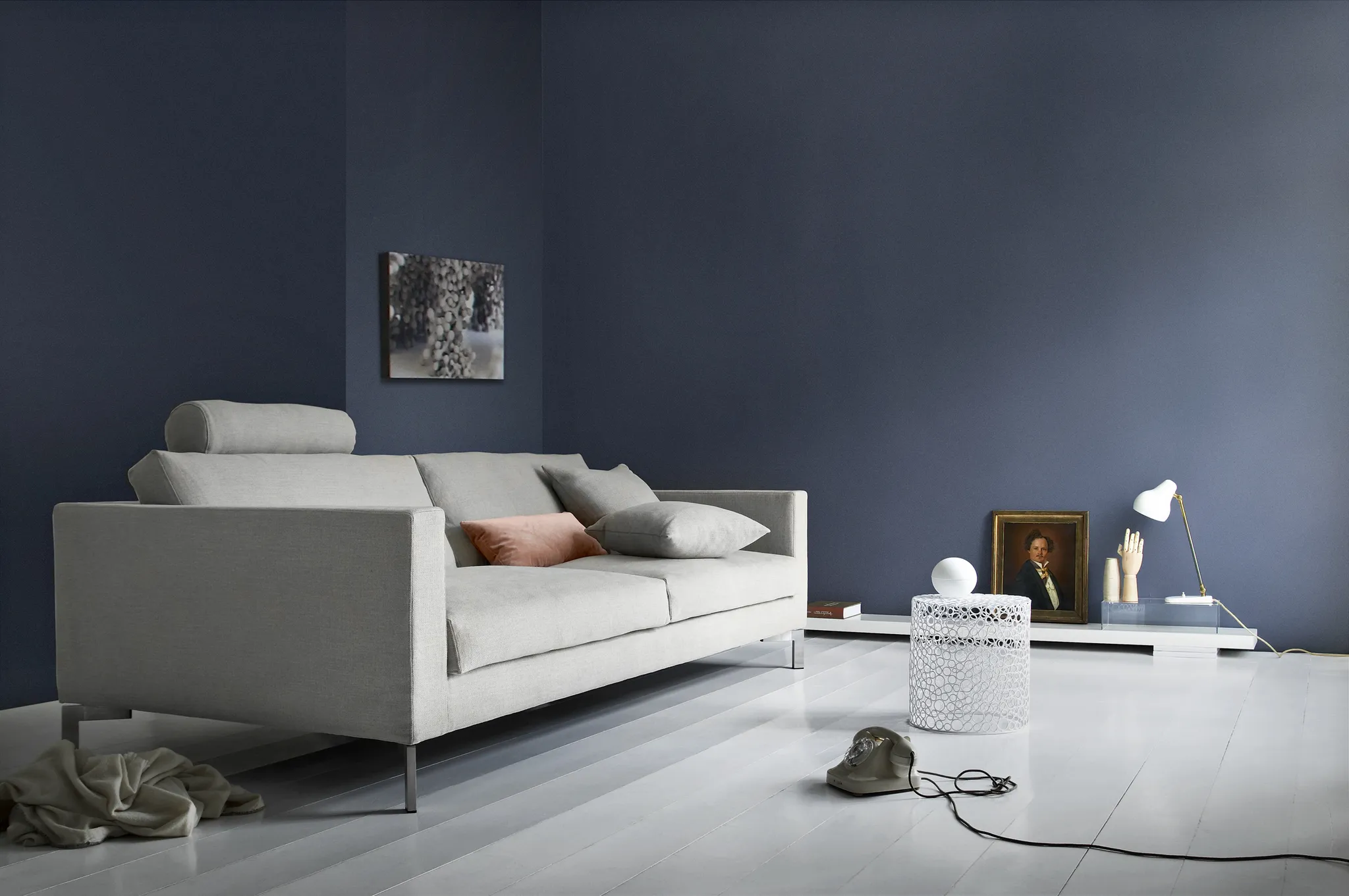
Start with the anchor pieces. The primary sofa, the dining table, the main lounge chairs — these are the pieces that set the material and aesthetic language of the home and that absorb the most daily use. Investing in quality here delivers the most significant return, both experientially and environmentally. A quality Eilersen sofa or a Fredericia dining chair bought once and owned for thirty years is a categorically different proposition from a volume-market equivalent bought four times over the same period.
Build outward from those anchors with the same criteria applied consistently: solid materials, named designers, honest construction, and a design language that will remain relevant as taste evolves. Danish Design Co’s range provides exactly this kind of coherent foundation — pieces from multiple categories that share a material sensibility and a design philosophy, making it straightforward to compose a home that feels unified rather than assembled.
Allow the collection to evolve slowly. Sustainable luxury is not achieved in a single shopping session. It is the product of patient, considered acquisition over years — building a home whose contents improve with age rather than degrading toward their next replacement cycle.

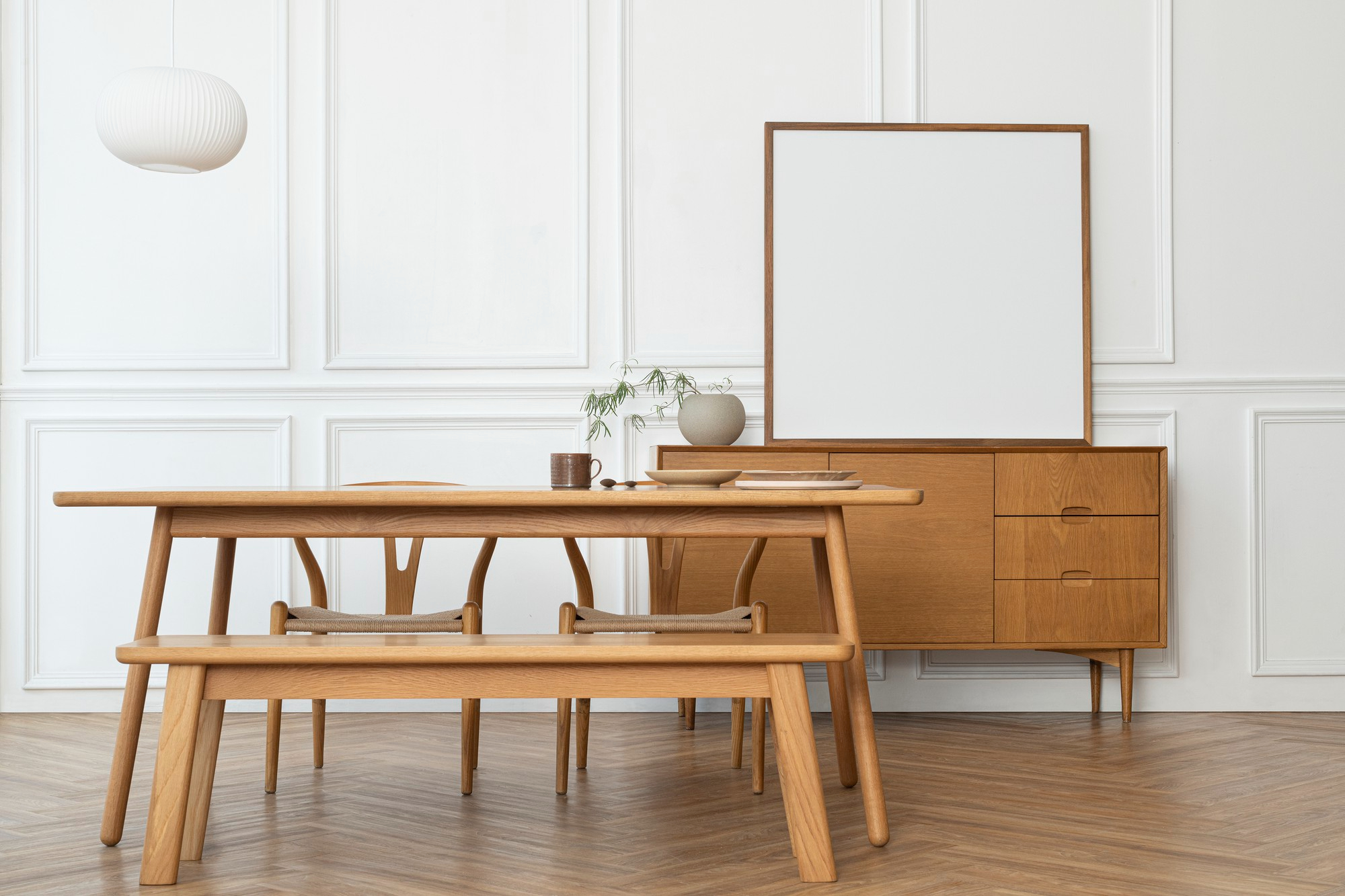
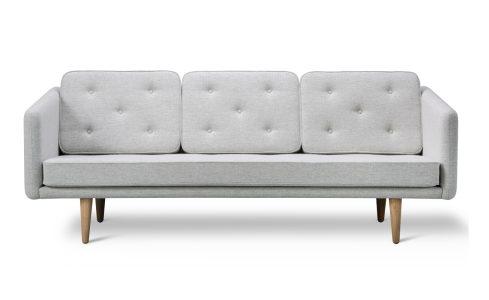
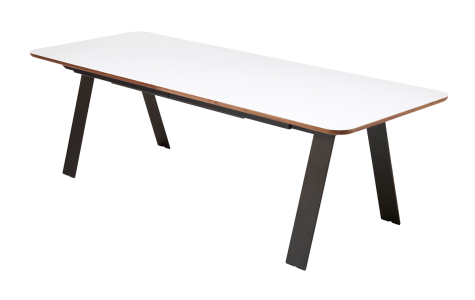
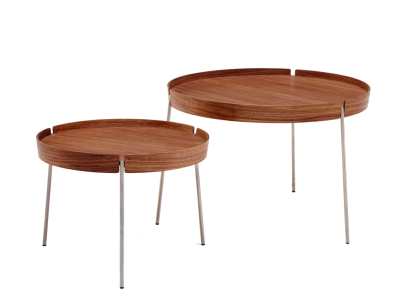
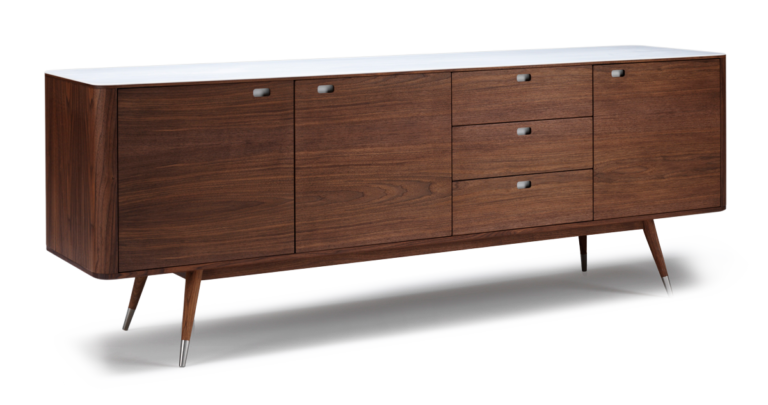
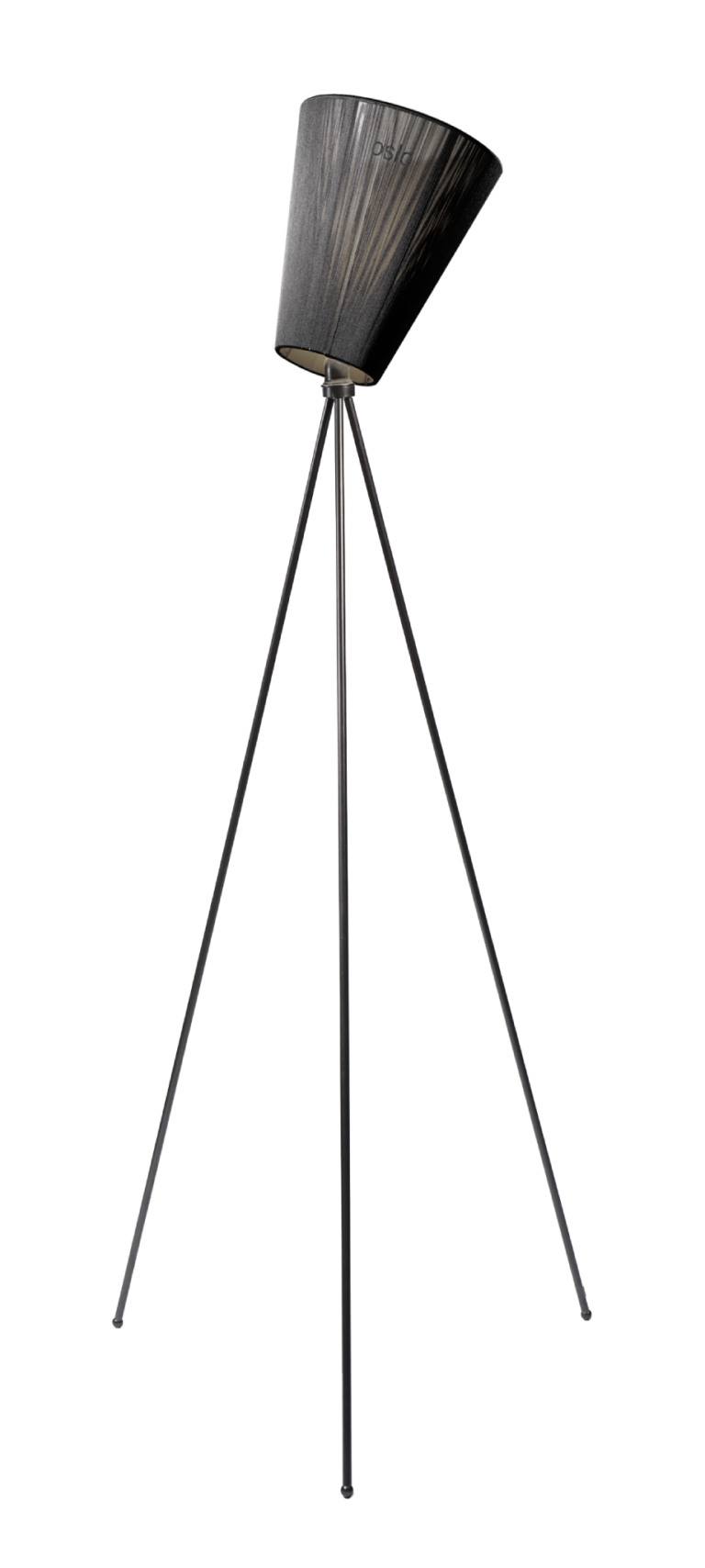
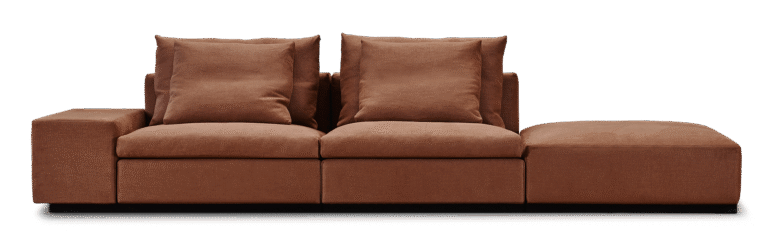
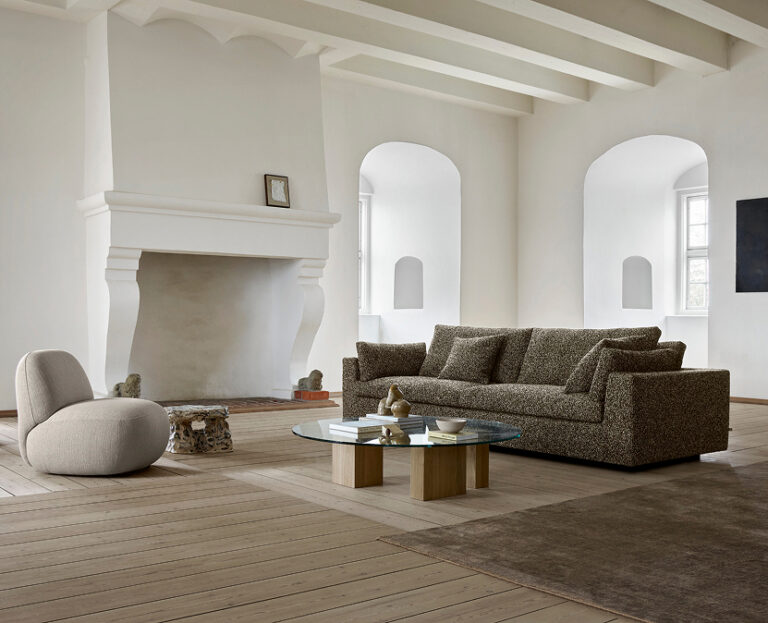

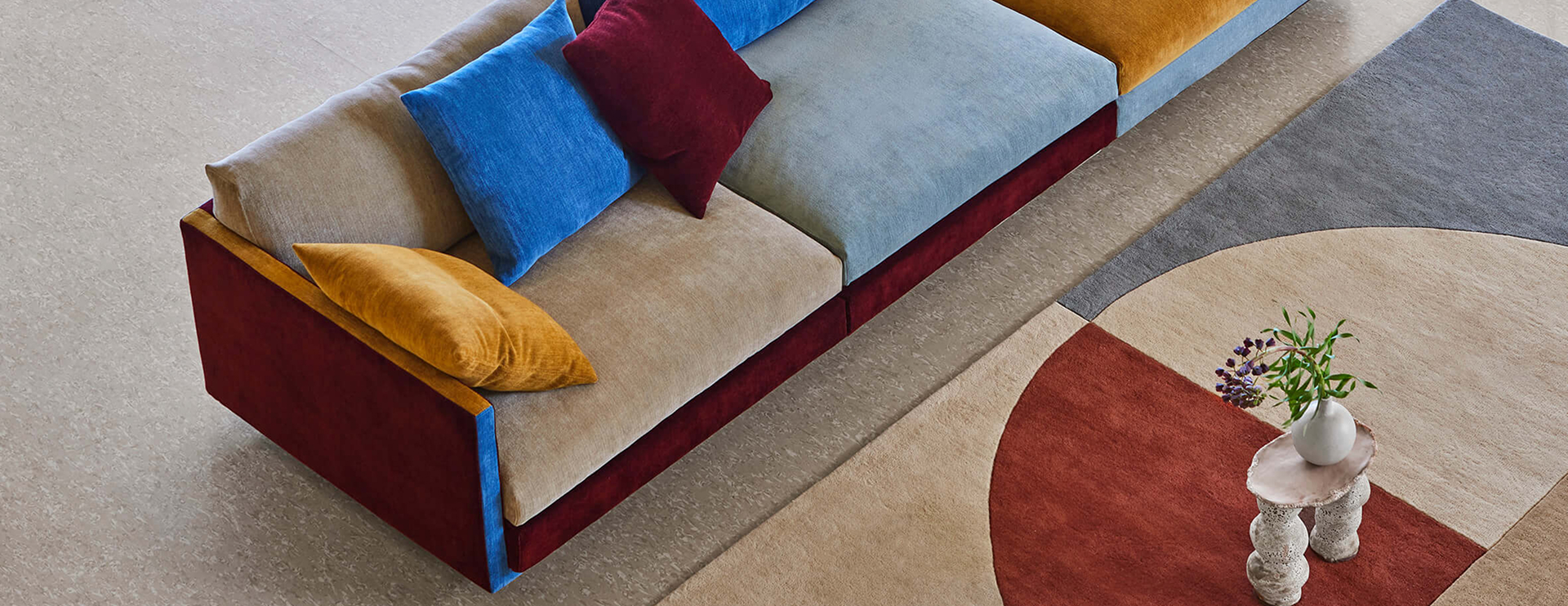
Scandinavian design is usually praised for what it leaves out. Gubi is known for what it puts back in. Where the tradition reaches for restraint,
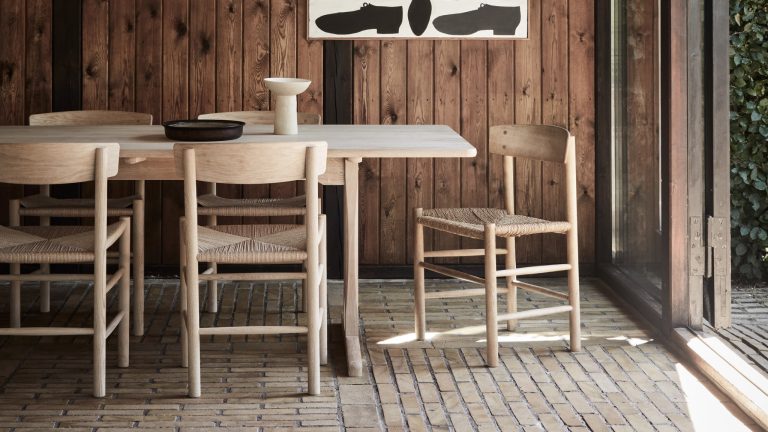
Some furniture houses chase the look of the moment. Fredericia has spent over a century doing the opposite. The Danish house is known for pieces