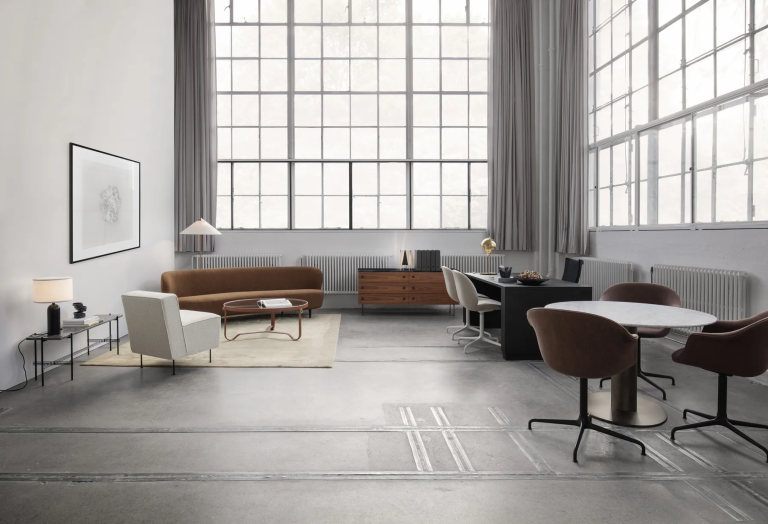
Gubi: Where Scandinavian Heritage Meets Contemporary Glamour
Scandinavian design is usually praised for what it leaves out. Gubi is known for what it puts back in. Where the tradition reaches for restraint,

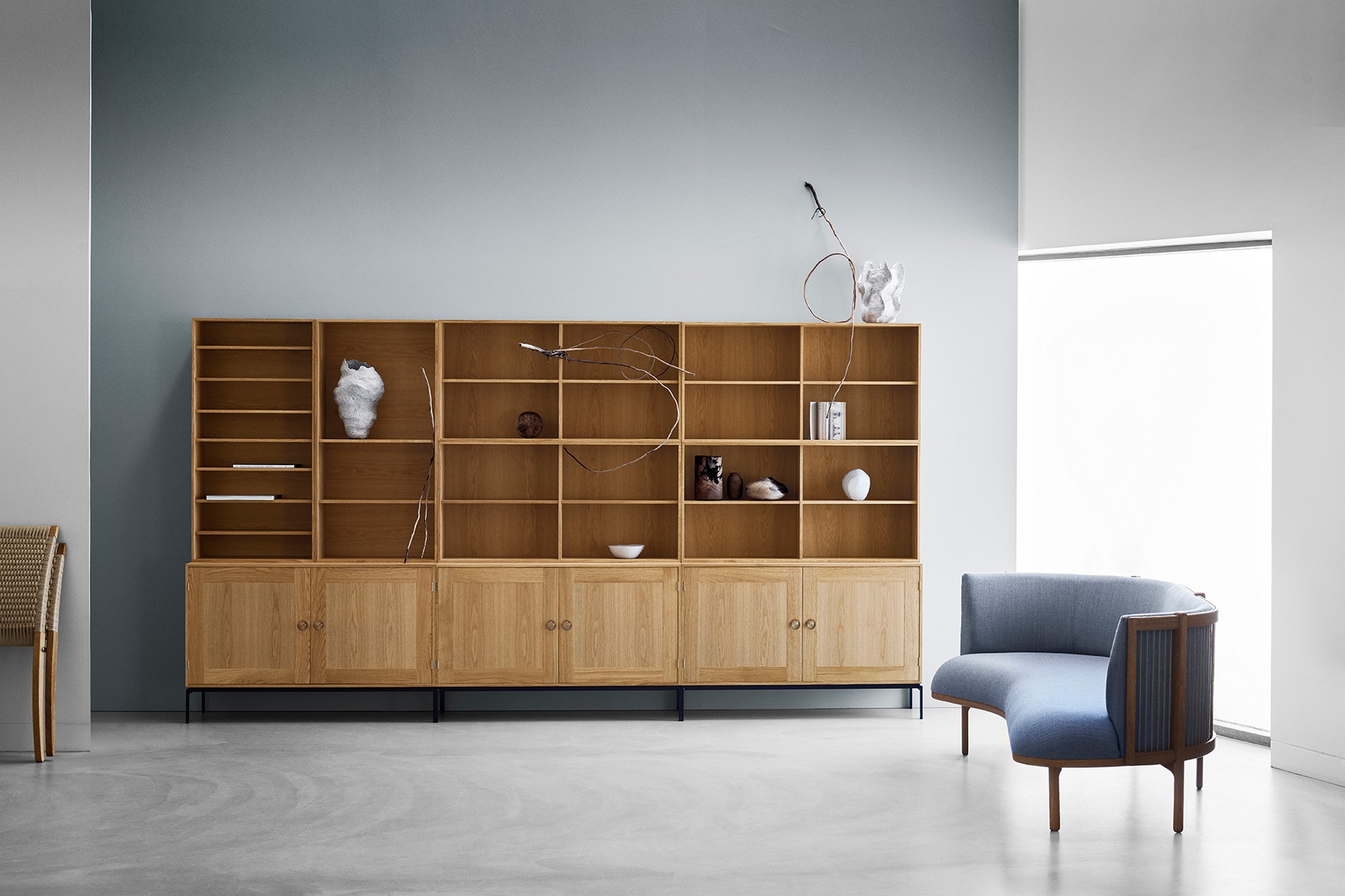
Japandi is not simply a visual style that can be achieved by combining light wood tones with a few ceramic vessels. It is the meeting point of two distinct but deeply compatible design philosophies — each with centuries of cultural development behind it — that share a fundamental set of values.
Scandinavian design, as developed through the twentieth century by Danish, Swedish, and Norwegian designers, prioritises function, craft, material honesty, and the idea that well-designed everyday objects improve the quality of life. It emerged from a cultural context that valued democratic access to beautiful things and the belief that form and function are not in tension but in service of each other.
Japanese design philosophy — rooted in concepts including wabi-sabi, the beauty of imperfection and impermanence, and ma, the meaningful use of empty space — approaches design from a different but parallel direction. It finds beauty in the incomplete, values negative space as actively as positive form, and sees the marks of time and use as enhancements rather than defects.
Where these traditions meet, the result is an aesthetic that combines the warmth and functional clarity of Scandinavian design with the meditative stillness and philosophical depth of Japanese visual culture. Japandi interiors are quiet without being cold, spare without being austere, and deeply considered without being self-conscious. They create spaces that feel genuinely restful — a quality that Singapore homeowners, navigating one of the world’s most intense urban environments, have recognised and responded to strongly.
Why Japandi Works in Singapore Homes
Singapore’s residential architecture provides an unusually receptive context for the Japandi aesthetic. Several features of local living conditions align naturally with what Japandi design does best.
The quality and intensity of Singapore’s natural light rewards the material palette that defines Japandi interiors — solid oak in its soaped or natural finish, warm stone, unbleached linen, matte ceramics, and the kind of carefully chosen natural materials that come alive under strong, direct illumination. In the muted light of northern European or Japanese interiors, these materials read differently. In Singapore’s equatorial light, they glow.
Open-plan layouts, which dominate both condominium and contemporary landed property design in Singapore, suit the Japandi approach to spatial composition. Japandi design treats the whole room as a single composed object — furniture, materials, negative space, and light working together rather than competing. In an open-plan Singapore living area, that compositional intelligence produces environments of remarkable coherence and calm.
The cultural context also matters. Singapore’s population brings a sophisticated awareness of both Japanese and Scandinavian design traditions. Exposure to Japanese aesthetics through travel, food culture, architecture, and media is widespread. Danish and Scandinavian design has a growing presence in Singapore’s premium furniture market. Japandi speaks to both sets of cultural literacy simultaneously, which gives it a resonance in Singapore that it might not carry in other markets.
The Core Principles of a Japandi Interior
Understanding Japandi as a design philosophy rather than a visual recipe helps buyers make better furniture decisions. The following principles define what a genuine Japandi interior does:
Why Danish Design Is the Ideal Foundation for a Japandi Interior
Of all the design traditions that contribute to the Japandi aesthetic, Danish design is the most naturally aligned. The reasons are structural rather than superficial.
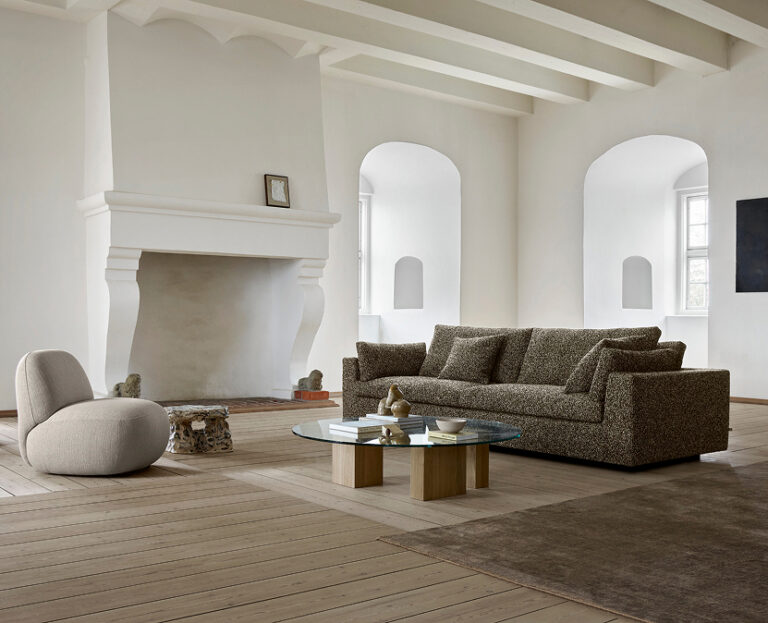
Danish modernism developed through exactly the same values that define Japandi: the primacy of function, the honesty of material, the belief that everyday objects should be designed with genuine care, and the conviction that visual restraint is not an absence of ambition but an expression of it. The clean lines, solid wood construction, and measured proportions of Danish furniture sit naturally within the Japandi visual language — they do not need to be forced into it or compromised to fit.
The material palette of Danish furniture — soaped and oiled oak, natural leather, quality woven fabrics in neutral tones — maps directly onto the Japandi material vocabulary. The constructional values — kiln-dried hardwood frames, hand-finished surfaces, cushion fills that hold their form over decades — align with Japandi’s insistence on materials that age beautifully rather than degrade. The design philosophy — form in service of function, decoration only when it earns its place — mirrors the Japanese design principles that complete the Japandi equation.
This alignment means that a Danish Design Co piece does not need to be styled into a Japandi interior. It belongs there by design.
How to Build a Japandi Interior with Danish Design Co
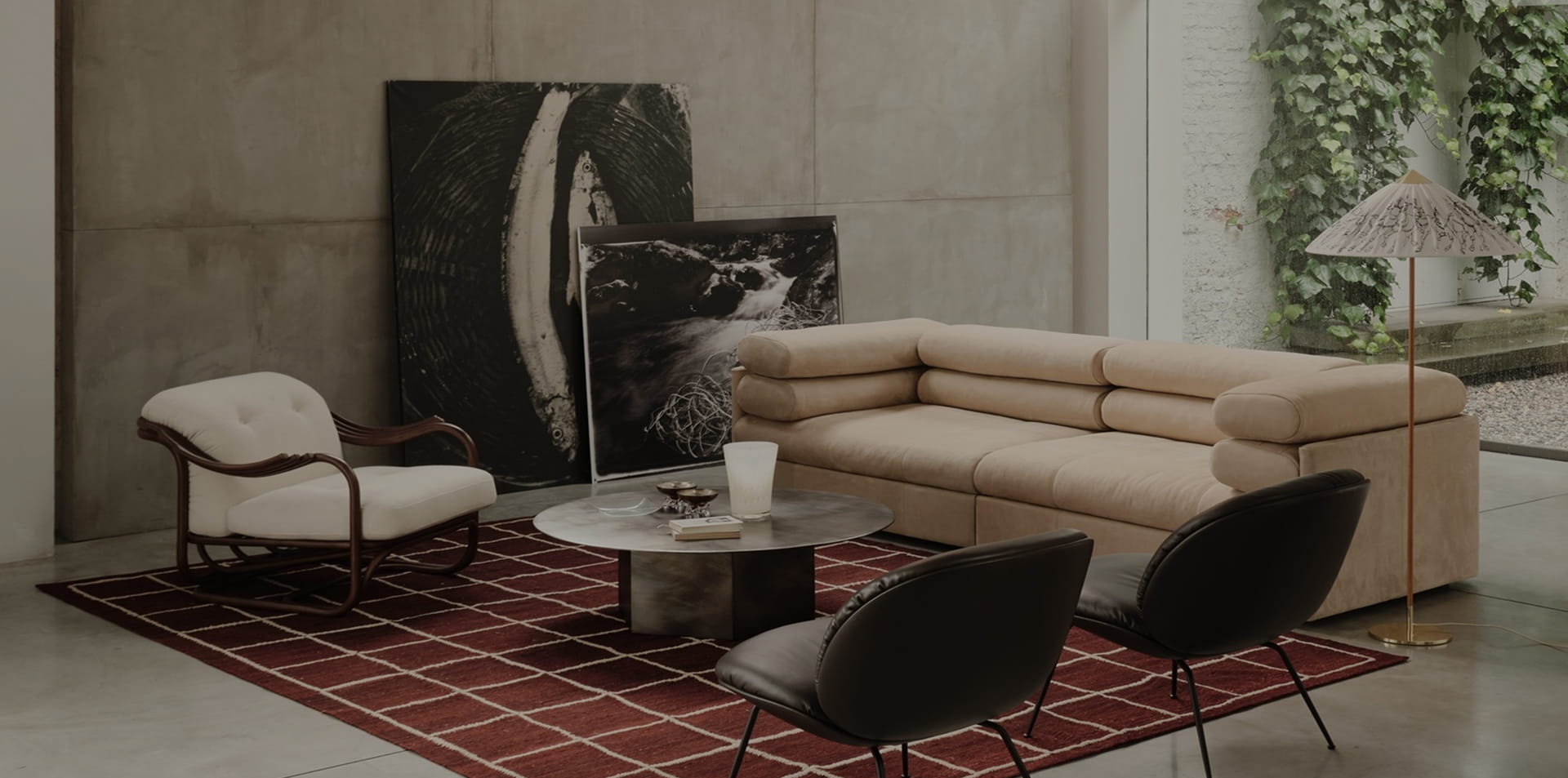
Building a Japandi interior around Danish Design Co’s range is a practical and rewarding project. The showroom’s selection covers the key furniture categories relevant to a Japandi approach, and the team brings the knowledge to help buyers compose a coherent whole rather than assemble an attractive collection of individual pieces.
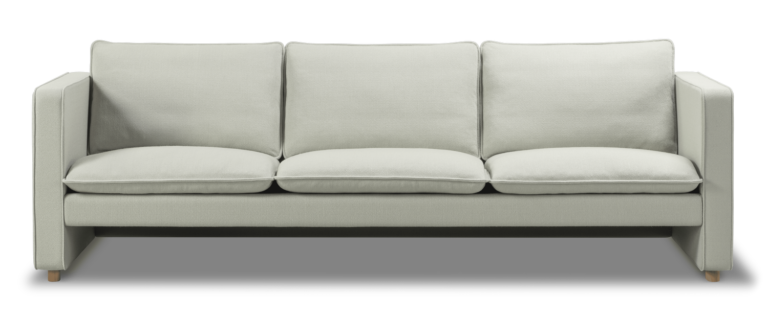
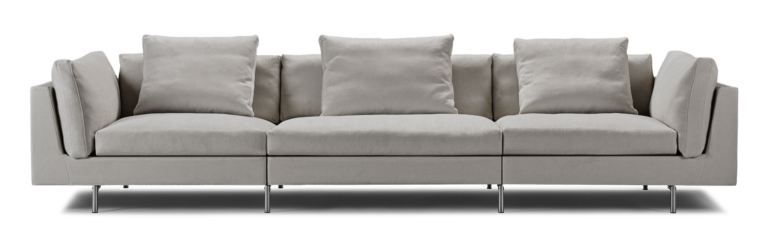
For the living room, the starting point is a sofa with clean lines, a low profile, and natural upholstery in a warm neutral tone. Eilersen’s range offers exactly this — made-to-order sofas with precise proportions, excellent fabric and leather options in the muted palette that Japandi demands, and a visual modesty that allows the room’s other elements to contribute equally. A Fredericia lounge chair alongside — a Mogensen piece in natural leather or an oiled oak finish — adds a note of design history and craft depth that deepens the room’s character.
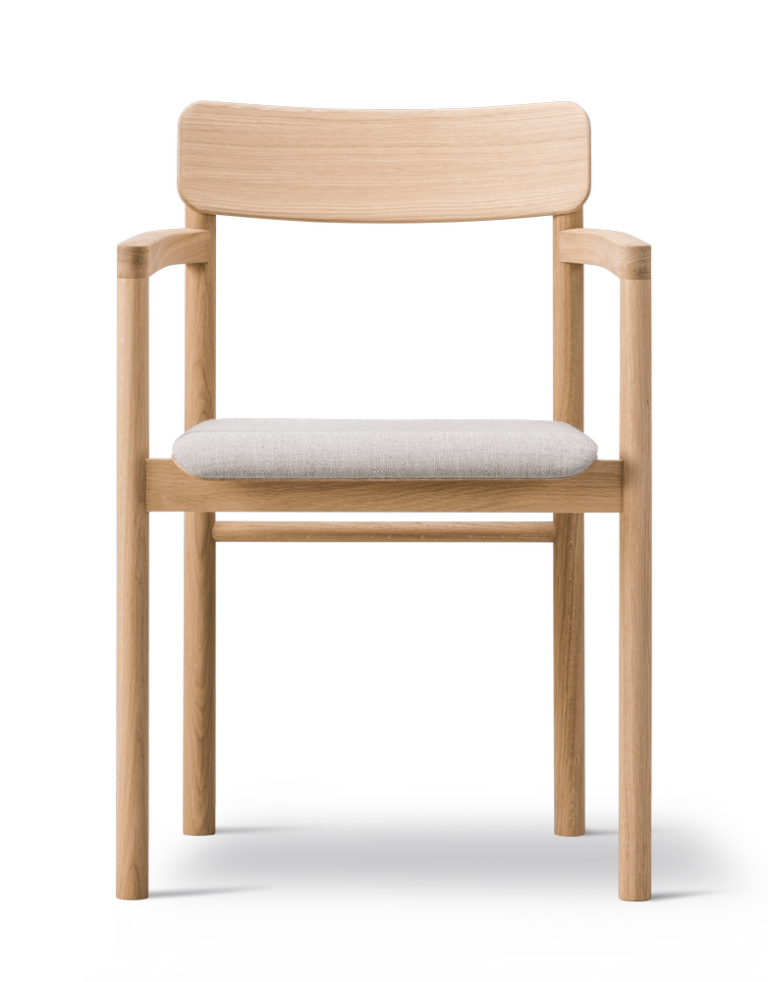
For the dining space, a solid oak table in a natural or soaped finish, paired with dining chairs whose structure is visible and honest, creates the kind of composed, material-rich dining environment that Japandi celebrates. The deliberate absence of decorative excess — no ornate carving, no contrived detailing — lets the quality of the wood and the intelligence of the form do all the work.
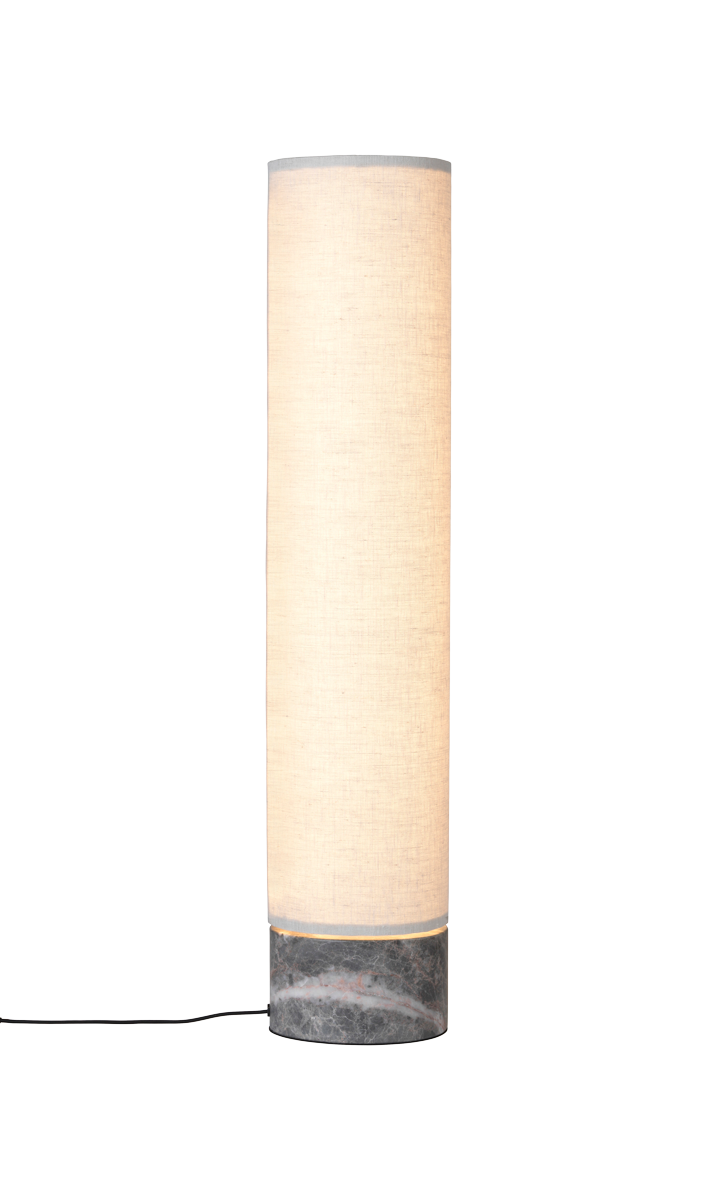
Lighting completes the composition. GUBI’s range includes pendants and table lamps whose design language — restrained forms, quality materials, carefully considered proportions — adds illuminated depth to a Japandi interior without disrupting its quiet. The Bestlite’s functional elegance, the Cobra’s understated organic form, and the Semi’s studied simplicity all contribute to a Japandi room in ways that less considered lighting cannot match.
Common Mistakes to Avoid in a Japandi Interior
The Japandi aesthetic attracts a lot of surface-level interpretation — interiors that replicate the look without understanding the philosophy behind it. The most common mistakes are worth knowing in advance.
Choosing furniture that mimics Japandi materials without genuine craft behind them is the most significant. Light-wood veneer over engineered board looks approximately right in a photograph and fails quickly in real life. The grain lifts, the finish deteriorates, and the piece communicates its cheapness through daily use in ways that undermine the entire aesthetic. Japandi’s insistence on material honesty is not an affectation — it is central to the philosophy, and it shows.
Over-decorating a Japandi interior is the second most common error. The temptation to fill negative space with objects — ceramic collections, plants, decorative accessories — can quickly tip a composed Japandi room into a cluttered one. Restraint in curation is as important as restraint in furniture choice.
Treating Japandi as a fixed recipe rather than a living philosophy produces interiors that look designed rather than lived in. The best Japandi spaces feel like they have evolved naturally — that the pieces in them were chosen over time by someone with a clear and consistent sensibility, not assembled in one pass from a style guide.
Danish Design Co and the Japandi Interior in Singapore
Danish Design Co does not sell a Japandi collection. It does something more useful: it carries the genuine Danish and Scandinavian pieces that belong naturally in a Japandi interior, presented in a showroom environment where their material quality, their proportions, and their relationship to one another can be assessed directly. The team understands the Japandi aesthetic and can guide buyers through the selection process with the specific context of Singapore living in mind — the floor plans, the light quality, the climate, and the spatial constraints that determine how these pieces will actually perform.
For Singapore homeowners who want to build a Japandi interior that reflects genuine design intelligence rather than a surface-level trend interpretation, Danish Design Co is the place to start.

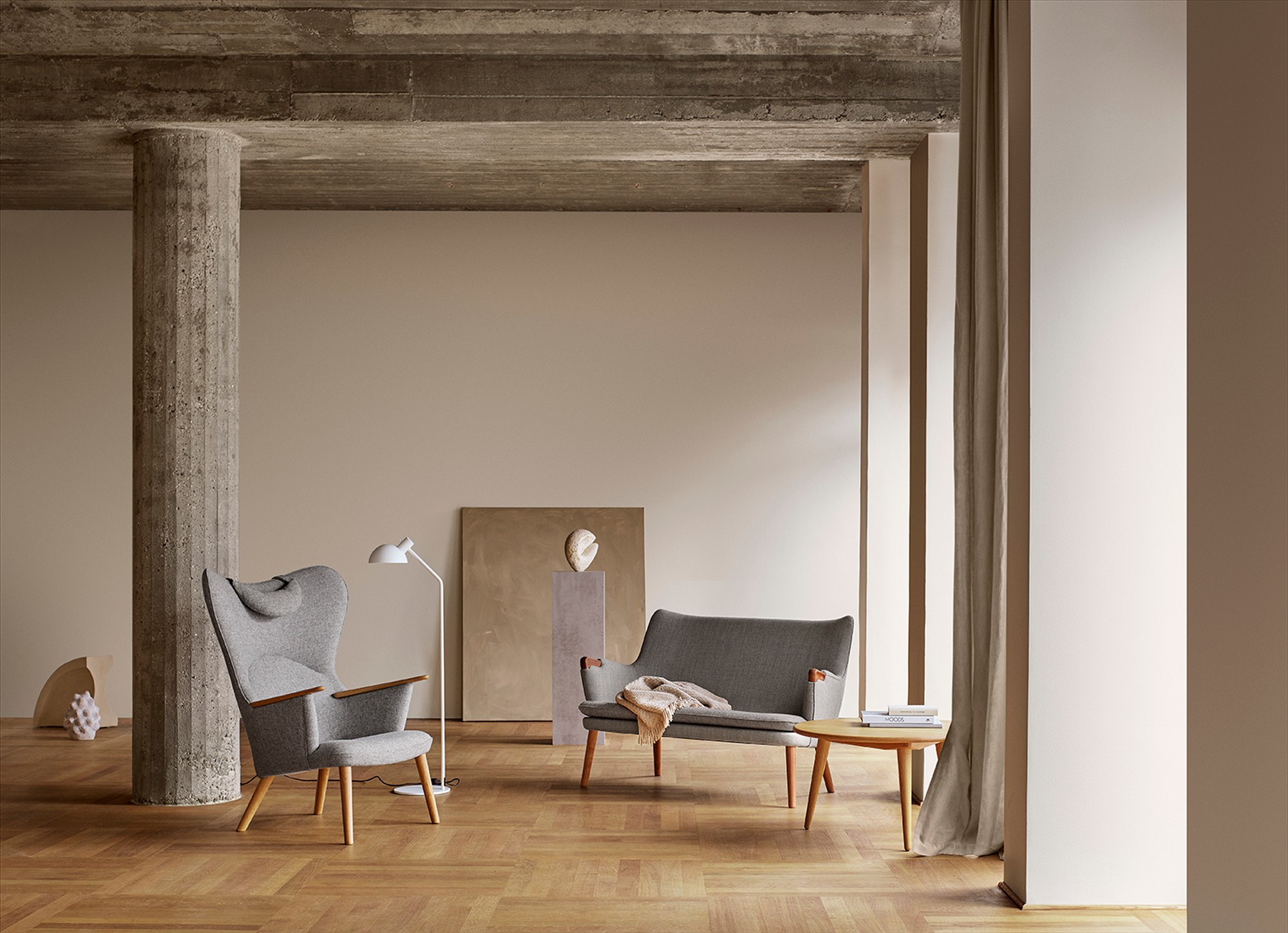
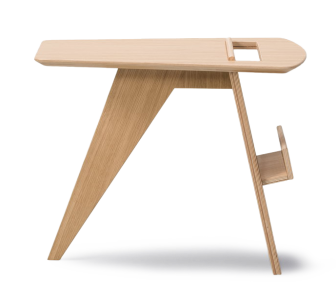

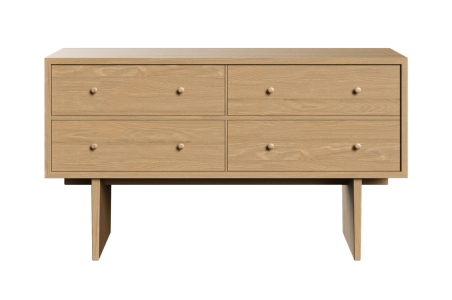
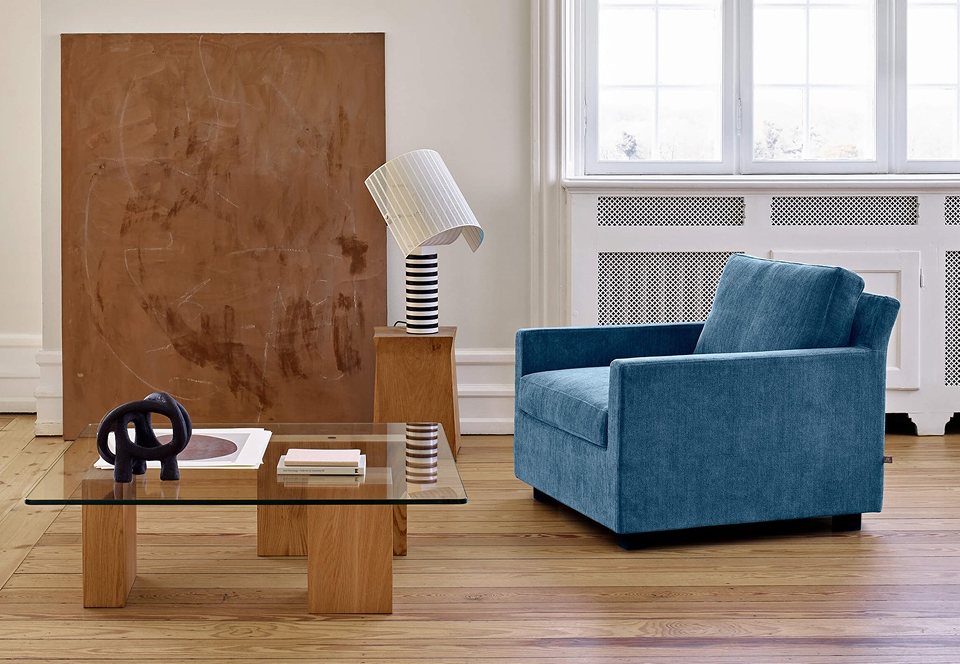
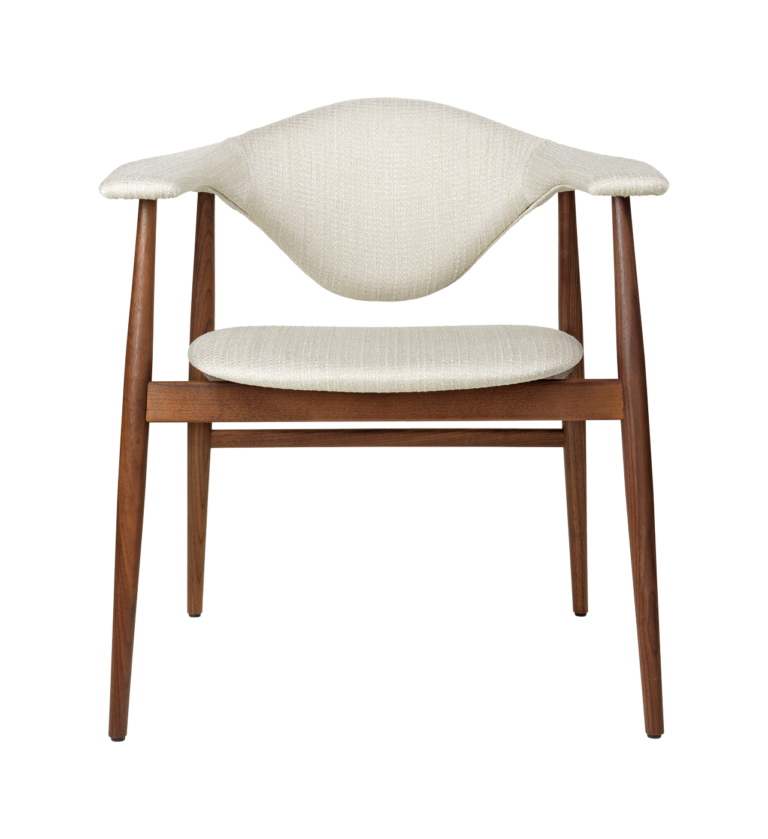


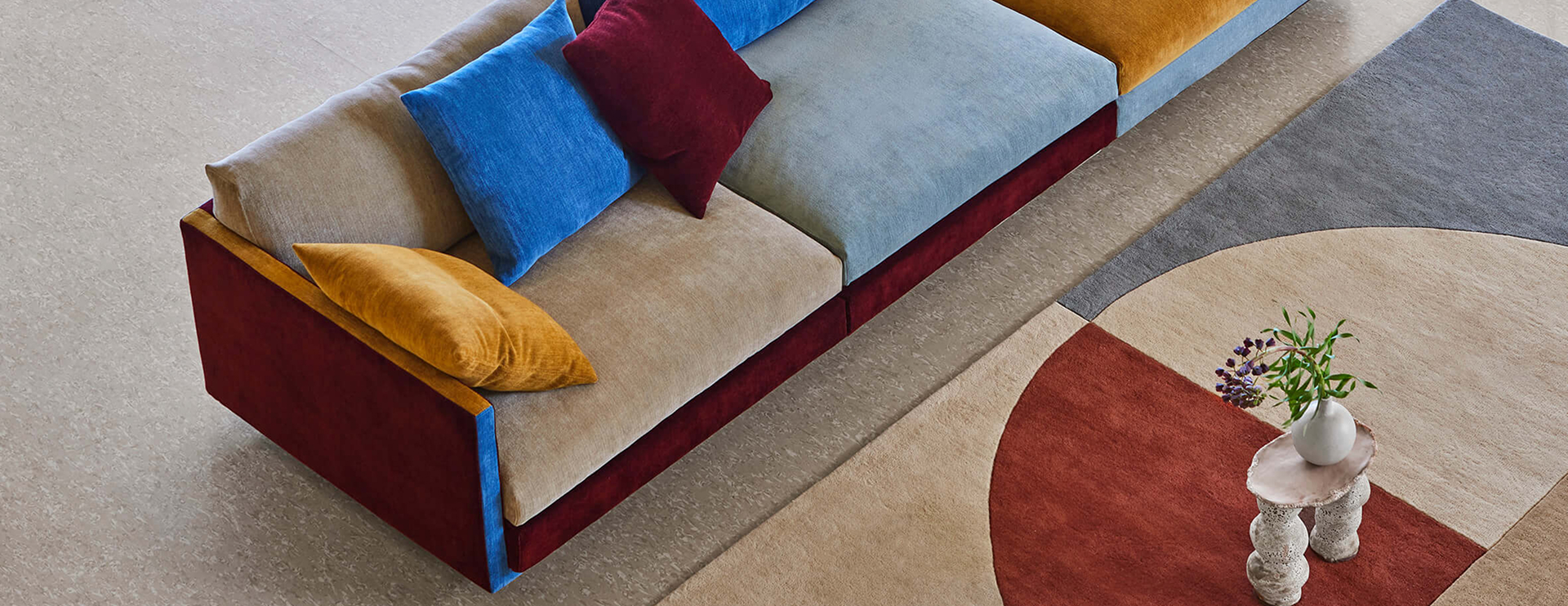
Scandinavian design is usually praised for what it leaves out. Gubi is known for what it puts back in. Where the tradition reaches for restraint,
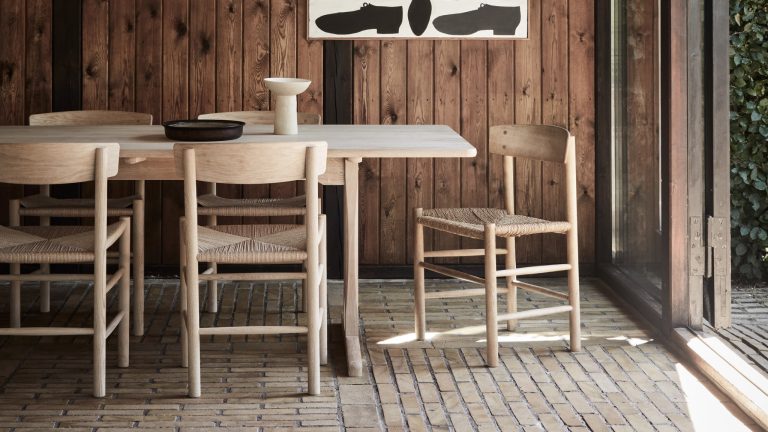
Some furniture houses chase the look of the moment. Fredericia has spent over a century doing the opposite. The Danish house is known for pieces