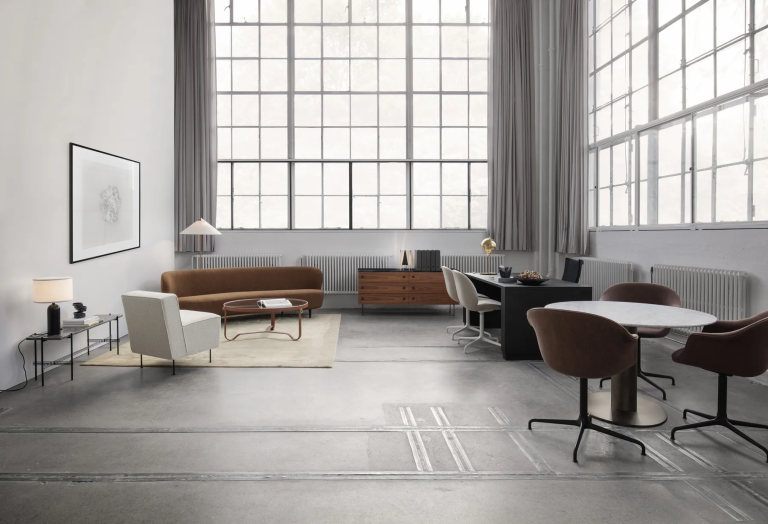
Gubi: Where Scandinavian Heritage Meets Contemporary Glamour
Scandinavian design is usually praised for what it leaves out. Gubi is known for what it puts back in. Where the tradition reaches for restraint,

The most fundamental driver of price in Danish furniture is geography and process. Pieces made in Denmark — by brands like Fredericia, Eilersen, and GUBI — are produced in a country with high labour standards, significant manufacturing expertise, and a cost base that reflects both. Danish cabinet makers, upholsterers, and furniture craftspeople earn wages commensurate with the skill they bring to the work. That cost is built into the product honestly, and it produces a corresponding quality in the output.
Compare this with volume furniture production, which typically takes place in factories optimised for throughput rather than craft, in markets where labour costs are minimised and quality control operates to a different standard. The price difference between a Danish-made sofa and a mass-produced alternative is substantially a reflection of that difference in how and where the work is done.
For buyers in Singapore, this matters beyond the abstract. Furniture made to genuine craft standards holds its structure, its surface, and its appearance over decades. Furniture produced to a price holds together for a period and then begins to fail — visually, structurally, and experientially. The lower upfront cost almost always comes with a higher total cost of ownership once replacement cycles are factored in.
You Are Paying for the Materials
Danish furniture manufacturers choose materials for their performance over time rather than their cost at point of production. The difference this makes is significant and directly observable.
Consider the core materials used in premium Danish furniture:
Each of these material choices adds cost. Together they produce furniture whose physical experience — the weight of it, the feel of it, the way it responds to use — is categorically different from cheaper alternatives.
You Are Paying for Design Authorship
Every piece of furniture in the Danish Design Co showroom is the work of a named designer. Børge Mogensen’s Spanish Chair. The Beetle Chair by GamFratesi. The Bestlite by Robert Dudley Best. The Multi-Lite by Louis Weisdorf. These are not products assembled by anonymous design teams to fill a catalogue gap. They are the resolved expressions of specific design intelligences, developed over years of iteration and refinement.
Design authorship costs money. Serious designers charge serious fees, and the brands that work with them invest in the development process — prototyping, material testing, production engineering — that turns a design concept into a manufacturable, market-ready product of genuine quality. That investment is recouped across the product’s commercial life, which for Danish furniture typically spans decades.
What buyers receive in return is not just a well-made object. They receive an object with design integrity — one whose proportions, details, and material choices are internally consistent and purposefully resolved. This quality is visible and felt, even if it is not always consciously identified. It is what makes a room furnished with Danish Design Co pieces feel considered rather than assembled.
You Are Paying for Longevity
This is the argument that most directly addresses the price objection, and it is worth working through carefully. Premium Danish furniture is expensive upfront. But it is engineered to last twenty, thirty, or more years. Volume furniture, whatever its initial price point, rarely survives ten years of regular use in good condition — and often begins to fail significantly within five.
Run the numbers on a specific example. A quality Eilersen sofa purchased from Danish Design Co might cost six to eight times more than a comparable volume-market alternative. But if the Eilersen lasts thirty years and the volume sofa needs replacing every seven to eight years, the buyer of the cheaper sofa makes that purchase four times over the same period — at a combined cost that may well exceed the Eilersen’s price, and with four times the disruption, four replacement decisions, and four periods of living with furniture that is degrading rather than ageing.
This is before factoring in the aesthetic dimension. A quality Danish sofa does not just last longer structurally. It continues to look right — to earn its place in a well-considered room — throughout its life. A cheap sofa looks dated and worn within a few years. The cost of living with that visual failure is real, even if it does not appear on a balance sheet.
You Are Paying for Production Ethics
Premium Danish furniture brands operate to production standards that reflect a genuine commitment to ethical manufacturing. They pay their workers fairly, maintain safe and dignified working environments, source materials responsibly, and in many cases operate sustainability programmes that address the environmental impact of furniture production.
This is not a marketing position. It is a structural feature of operating as a craft manufacturer in Denmark, where labour law, environmental regulation, and industry standards all reinforce responsible production practices. Buyers who care about the conditions under which their possessions are made — and increasingly, Singapore’s design-conscious consumers do — pay a premium that reflects those conditions honestly.
You Are Paying for Scarcity of Expertise
The craft skills that Danish furniture production depends on — precision joinery, hand-finishing, leather working, upholstery at the quality level required by brands like Eilersen and Fredericia — are not abundant. They are the product of years of training and practice, sustained by an industry culture that has valued them for generations. That scarcity commands a price, as all genuine expertise does.
As manufacturing has globalised and the furniture industry has consolidated around low-cost production models, the pool of craftspeople capable of producing furniture to the standard that Danish brands require has narrowed. The brands that maintain those standards — and the retailers like Danish Design Co that carry their products — are custodians of a production tradition that is genuinely difficult to replicate and genuinely worth preserving.
Why Danish Design Co Represents the Right Entry Point in Singapore
Danish Design Co carries precisely the brands and pieces that make the arguments above concrete and verifiable. Every piece in the showroom demonstrates, in physical terms, what premium materials, genuine craft, and serious design authorship actually feel and look like. The showroom is the best possible environment in which to understand the difference between Danish design and its cheaper alternatives — not because it tells you about that difference, but because it lets you experience it directly.
The team at Danish Design Co brings the same level of seriousness to the buying conversation. They can articulate why a specific piece costs what it costs, what you are receiving for that investment, and how it will perform in your specific Singapore home over the decades ahead. For buyers who want to make informed decisions rather than expensive mistakes, that knowledge has real value.
Singapore’s premium residential market — the condo owners in Districts 9 and 10, the landed property households in Bukit Timah and Holland Village, the design professionals and discerning homeowners across the city — increasingly understands what Danish design offers and why the price reflects genuine value rather than brand inflation. Danish Design Co serves that understanding directly, and the showroom exists to make the case in the most persuasive way possible: by letting the furniture speak for itself.

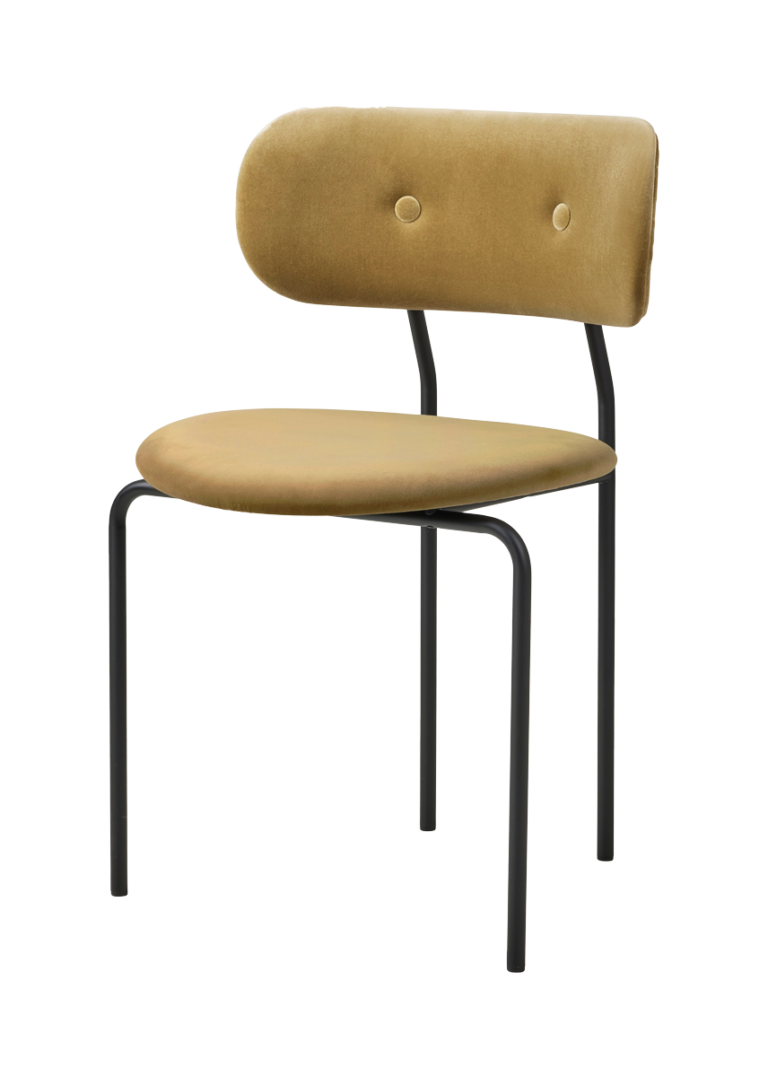


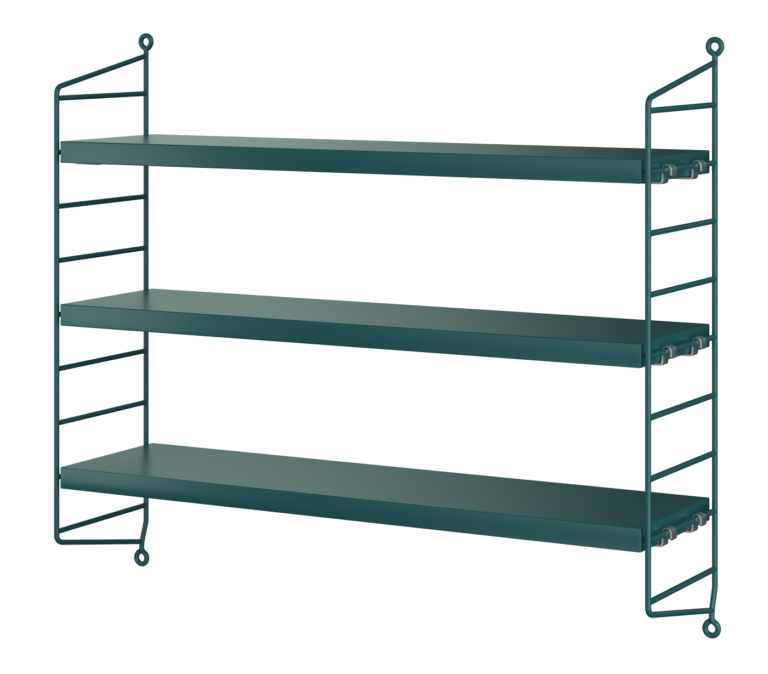
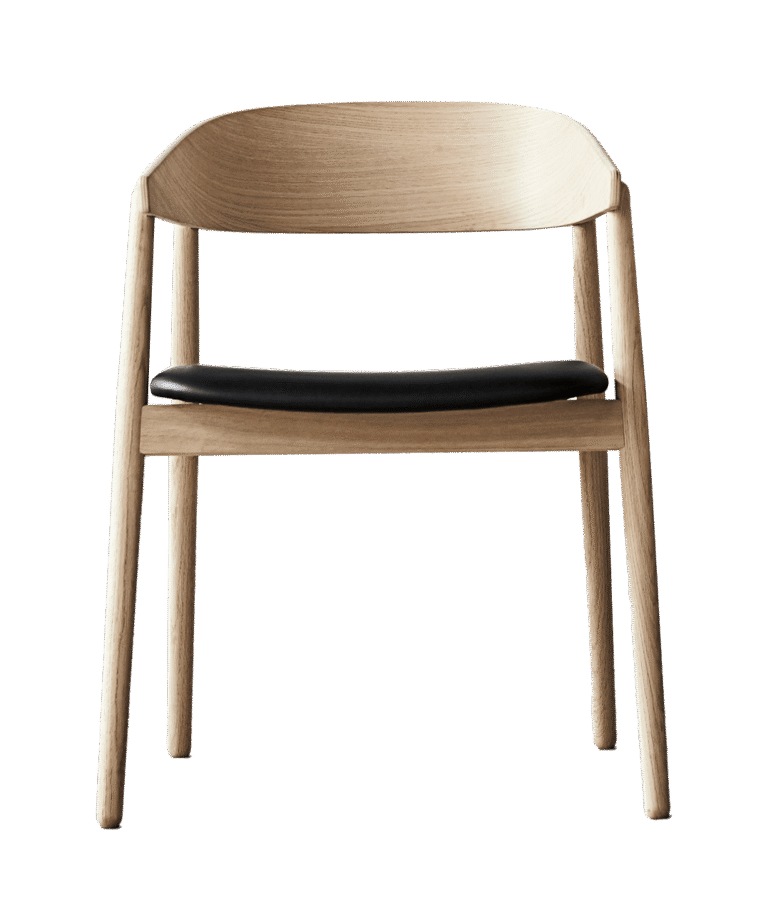
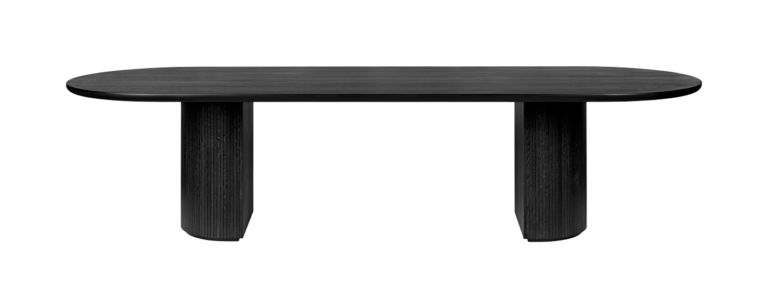
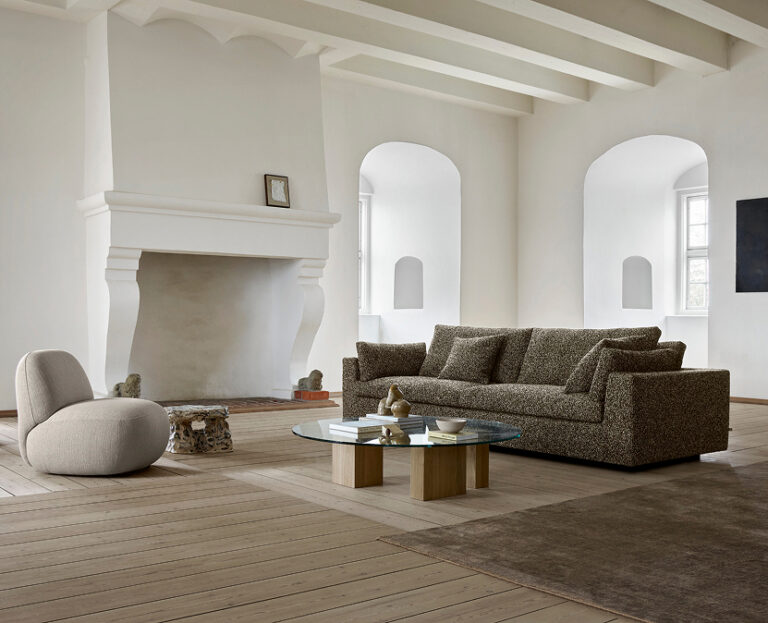

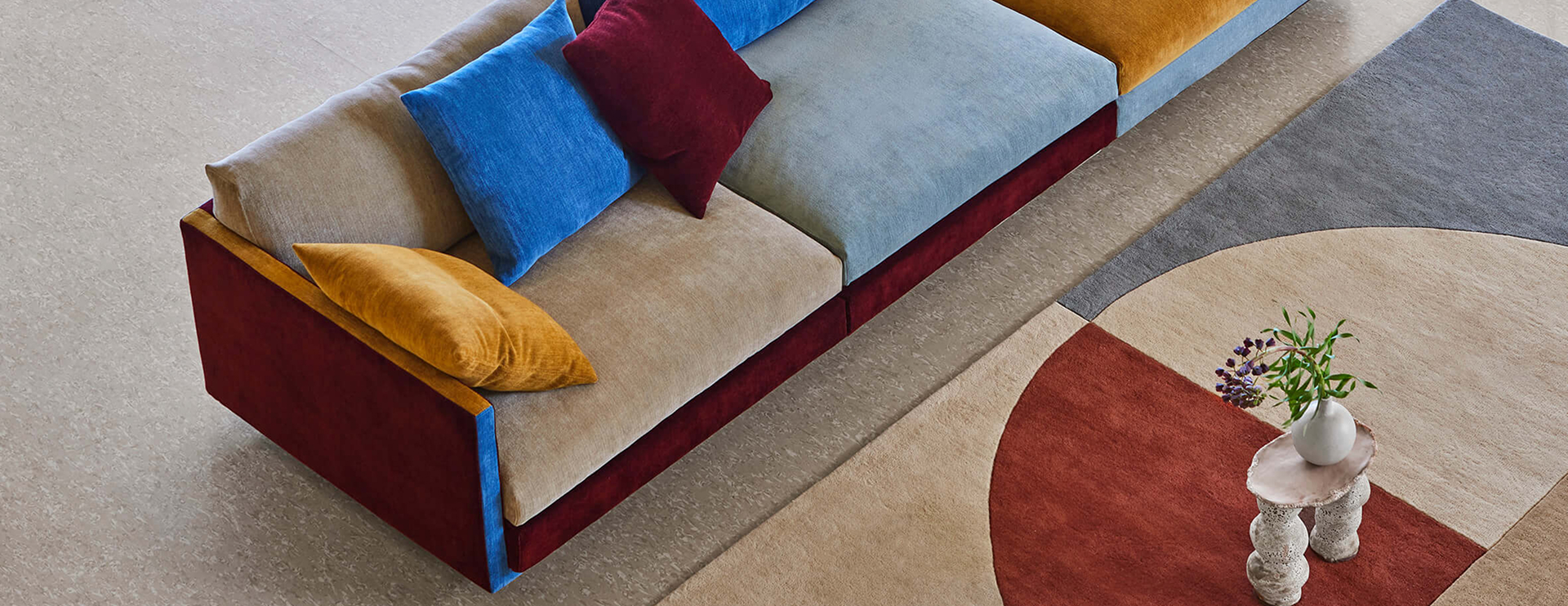
Scandinavian design is usually praised for what it leaves out. Gubi is known for what it puts back in. Where the tradition reaches for restraint,
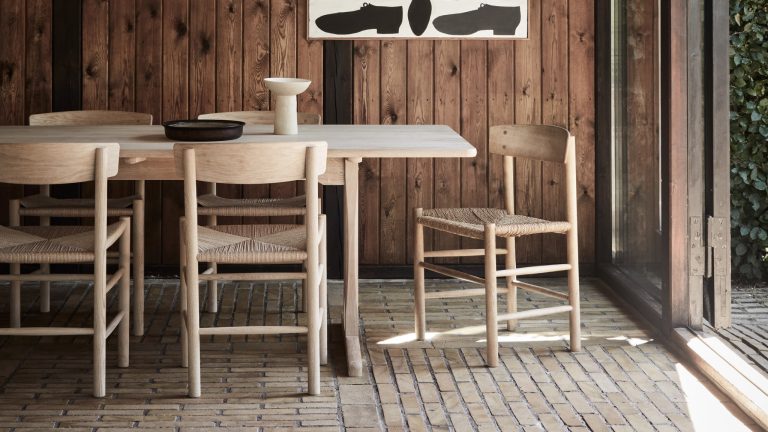
Some furniture houses chase the look of the moment. Fredericia has spent over a century doing the opposite. The Danish house is known for pieces