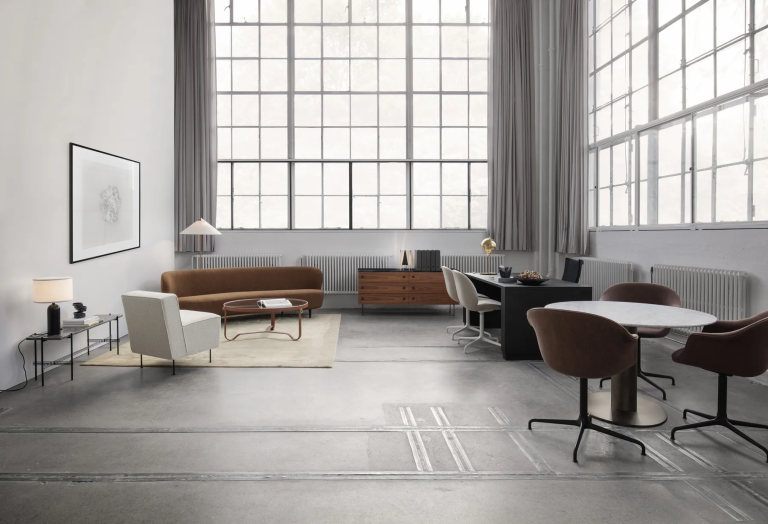
Gubi: Where Scandinavian Heritage Meets Contemporary Glamour
Scandinavian design is usually praised for what it leaves out. Gubi is known for what it puts back in. Where the tradition reaches for restraint,

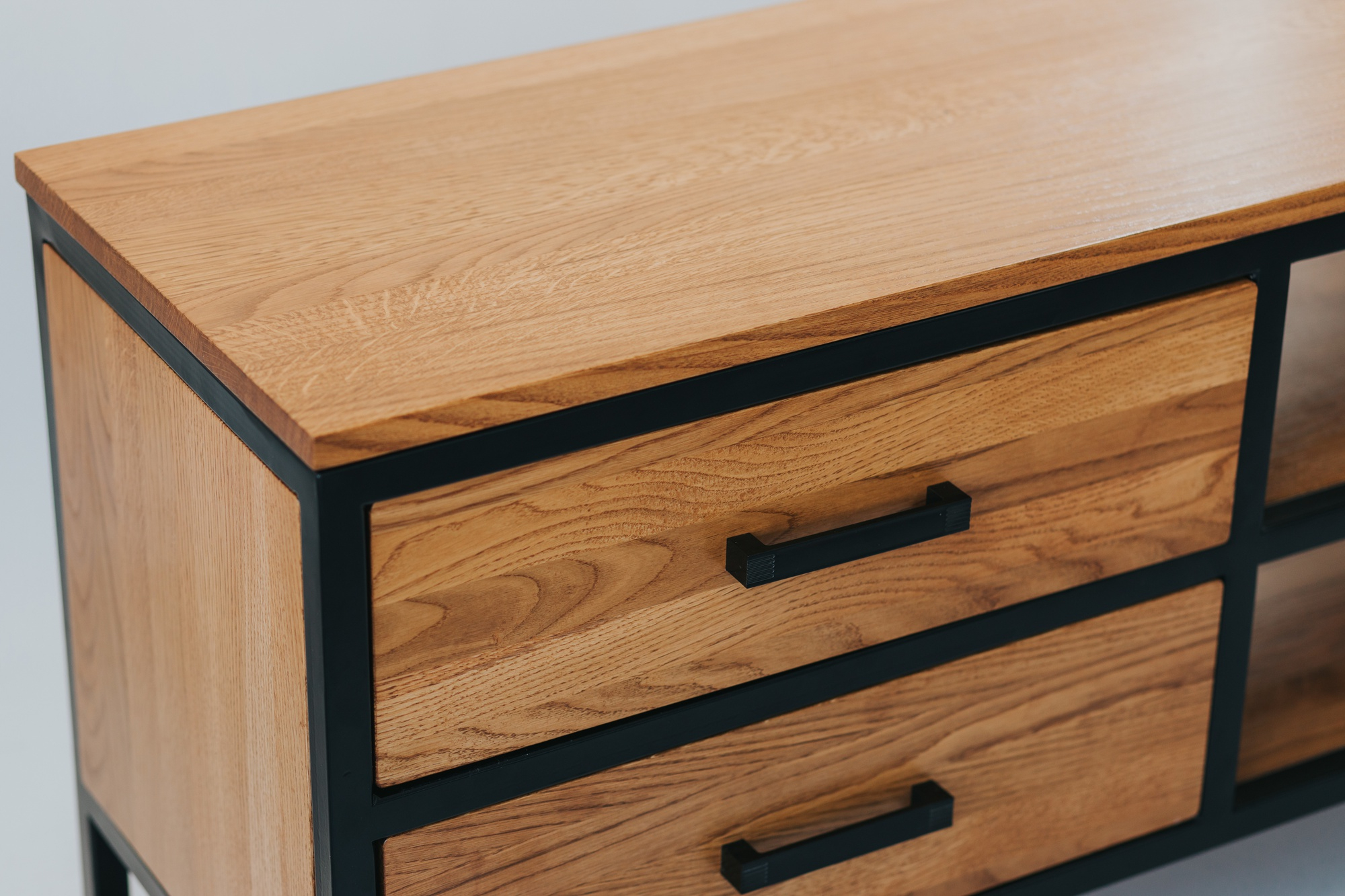
Most homeowners encounter wood finishes as options on a product page. Oak in oil, oak in soap, oak in white oil, oak in lacquer. Four words, very little sense of what any of them will mean once the table arrives in the room.
The finish is one of the most consequential choices in furniture selection. The same table in oiled oak and soaped oak reads as a genuinely different object: different tonal register, different surface behaviour, a different relationship to the light moving through the room over the course of a day.
A wood finish shapes how light falls on the surface, how tactile the grain feels, and how the piece deepens over years of use. Two pieces of identical oak in different finishes can look like two different materials.
The most useful distinction is between penetrating and film-forming finishes. Penetrating finishes absorb into the wood fibres and leave the surface feeling like wood. Film-forming finishes create a protective layer on top, producing a smoother and more sealed result. Oil and soap sit firmly in the first category. Lacquer sits in the second. White oil occupies a position in between.
This matters practically. Penetrating finishes develop and change with the piece over time and accept periodic re-treatment as part of normal ownership. Film finishes tend to remain stable until they require professional attention.
An oil finish penetrates the surface, enriching the wood’s natural colour from within. Oak becomes warmer and more golden. Walnut develops a silky depth. Ash gains definition along its pale grain lines.
Oiled surfaces reflect very little light, presenting the wood in its most natural matte state. Running a hand across an oiled table feels like touching the wood itself rather than a finish applied over it. An oiled piece develops a patina gradually over years of use, and minor marks absorb into the surface rather than chipping or flaking. In Singapore’s air-conditioned interiors, oiled pieces benefit from periodic re-oiling, but any homeowner can manage this maintenance.
Oil suits Scandinavian, Japandi, and mid-century interiors most naturally. The Groove Coffee Table in oiled oak or oiled walnut is a clear illustration. Its 5 cm solid-wood top, with the signature decorative grooves that give the piece its name, shows how oil interacts with both flat surfaces and carved details. The grain runs uninterrupted across the whole piece.
A soap finish is applied to the wood using a natural soap solution, tightening the grain and noticeably lightening the surface tone compared to oil. On oak, where soap is most traditionally used, the result is a pale, almost bleached quality that is distinctly Nordic.
Soaped wood feels slightly cool and powdery to the touch rather than smooth. It ages by lightening slightly at first, then settling into a soft, even tone as the surface is used, maintaining its quietness throughout the life of the piece rather than deepening dramatically.
Soap suits pale Japandi settings, Nordic minimalism, and any interior built on a light, airy material palette. The same Groove Coffee Table in soaped oak reads as an entirely different object. Set the two side by side, and the contrast is immediate: depth and warmth on one, clarity and restraint on the other.
White oil sits between soap and standard oil in character. It penetrates the wood the way standard oil does, but adds a white pigment that stabilises and lightens the surface tone.
The grain remains fully visible, and the wood does not appear painted. What standard oil draws out as warm yellow and amber tones, white oil cools and subdues. The result reads close to soaped wood but with greater consistency and more reliable maintenance properties.
White oiled oak suits contemporary Scandinavian, Japandi, and modern minimalist settings, particularly in rooms with cool-toned walls or concrete finishes. The Skovby #716 TV Cabinet in oak with white oil is a useful example. As a media unit, the visual stability of a white-oiled surface produces a piece that anchors a wall without competing for attention.
Lacquer sits on top of the wood as a transparent film, the closest equivalent in furniture to what is sometimes called a varnish. It produces a smooth, slightly sealed quality with a soft sheen. Not glossy in the way of high-gloss lacquers, but noticeably different from the flat quality of oil or soap.
Lacquer deepens the colour of wood slightly and produces a more uniform surface. Grain is visible, but the natural variation that oil emphasises is smoothed over. Walnut in lacquer reads as deep and controlled rather than rich and tactile.
Lacquered surfaces are easier to clean day to day and more resistant to immediate staining. They do not require periodic re-treatment. The trade-off is that serious damage is harder to address and typically requires professional attention. Lacquer suits contemporary, formal, or high-use settings where surface consistency and ease of maintenance are priorities, particularly for media furniture and display units.
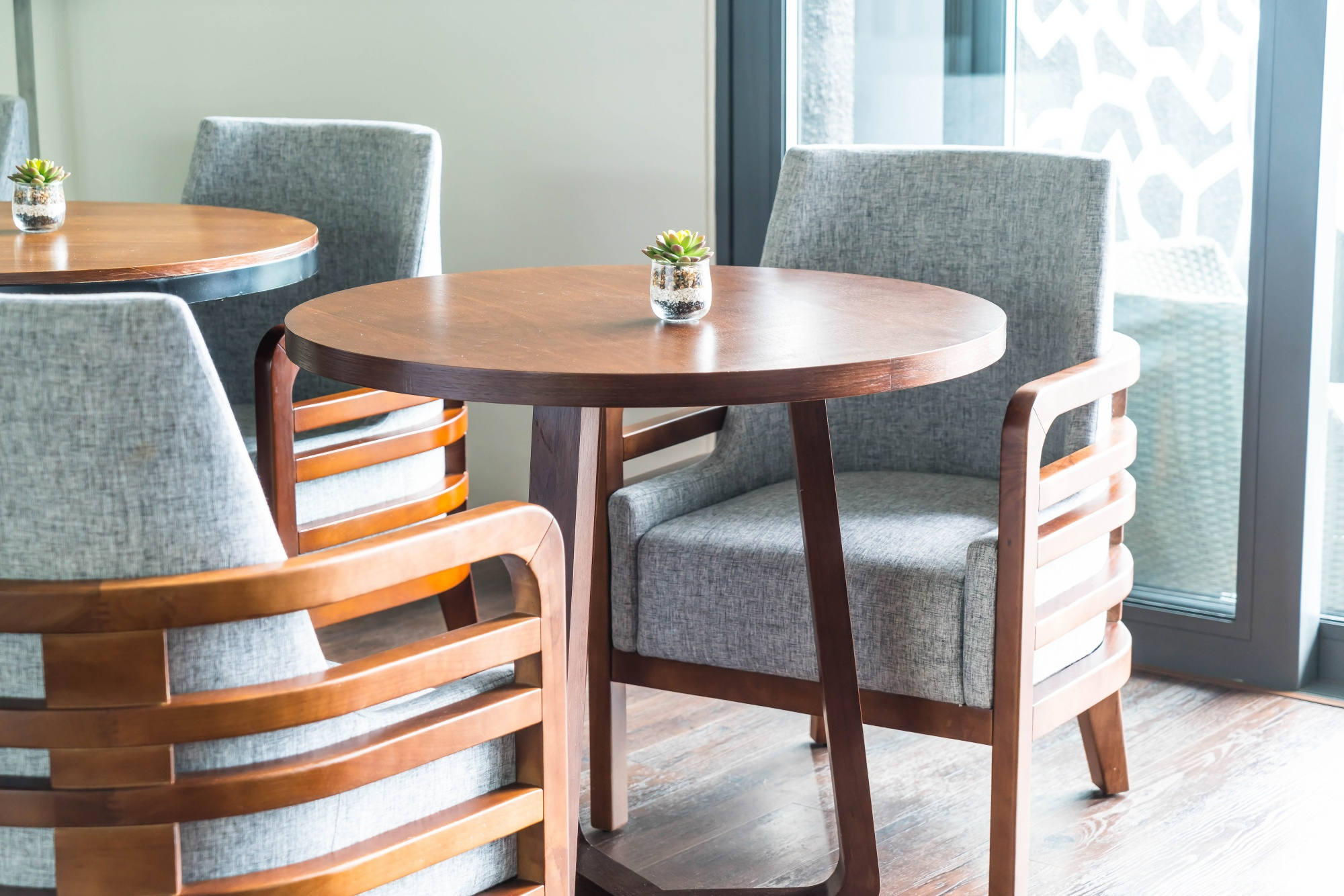
Smoked oak earns its colour from the inside. Before any finish is applied, the wood is exposed to ammonia vapour, which reacts with the tannins in the oak, shifting the colour from amber to deep chocolate and slate. The grain structure remains fully intact. Smoked oak can then be finished with oil or lacquer, each producing a noticeably different result. It pairs naturally with darker upholstery, aged leather, and metal accents.
Black-stained finishes are the most assertive option, a deep ebonised surface that stains the wood while allowing the grain to remain faintly visible underneath. Black-stained pieces anchor a room and create a strong contrast with pale walls, natural textiles, and brass or steel accents.
The Tiger Dining Chair, across its full range of wood finishes, is the clearest illustration of how dramatically the same design reads in different finishes. In soaped ash, the chair reads pale and quiet. Oak gives it warmth without weight. Walnut shifts it into something more composed. Black-stained takes it into a different register entirely, less furniture and more graphic statement.
Wood finishes are ultimately a tactile and visual experience that screens cannot replicate. The difference between an oiled surface and a soaped one, or between lacquered walnut and smoked oak, only becomes fully clear when the pieces are seen in person under natural and interior light.
Visit the Danish Design Co showroom in Pasir Panjang to compare finishes side by side across designer dining chairs and designer coffee tables in Singapore, or browse our luxury furniture selection online.
Scandinavian design is usually praised for what it leaves out. Gubi is known for what it puts back in. Where the tradition reaches for restraint,
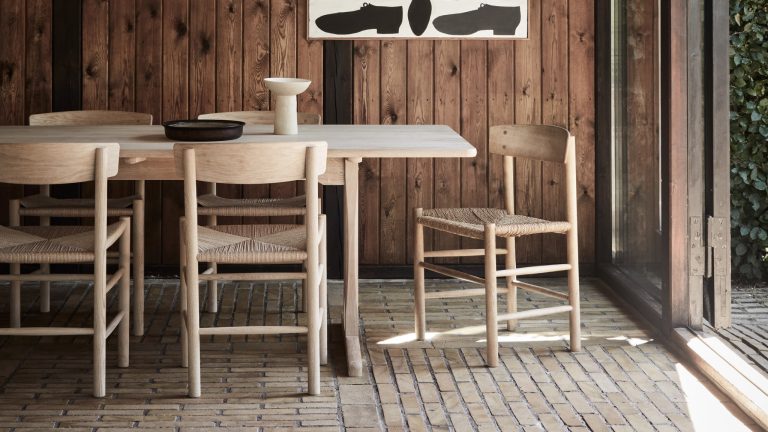
Some furniture houses chase the look of the moment. Fredericia has spent over a century doing the opposite. The Danish house is known for pieces