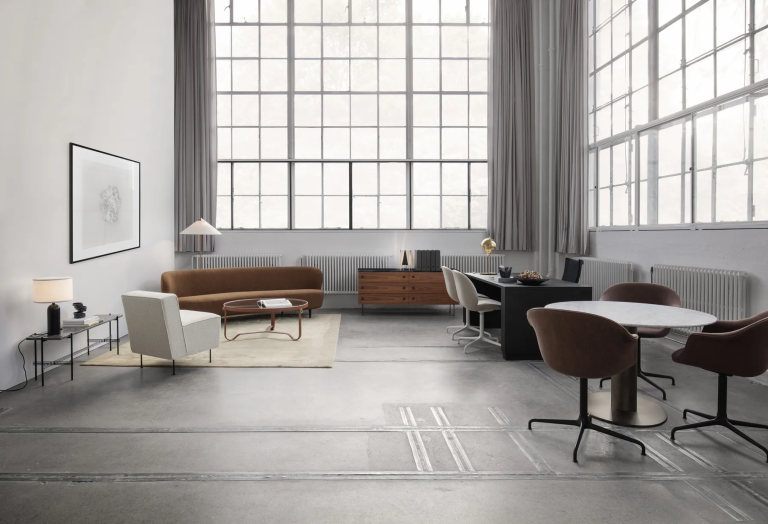
Gubi: Where Scandinavian Heritage Meets Contemporary Glamour
Scandinavian design is usually praised for what it leaves out. Gubi is known for what it puts back in. Where the tradition reaches for restraint,

Singapore’s humidity profile is relatively consistent throughout the year, with outdoor relative humidity typically ranging between 70 and 90 percent during the day and approaching 100 percent on rainy nights. The monsoon seasons — November to January for the northeast monsoon and June to September for the southwest — bring additional rainfall and sustained periods of elevated humidity that create particular pressure on building envelopes and interior environments.
Most Singapore homes and apartments maintain indoor relative humidity between 55 and 70 percent through air-conditioning and ventilation. This range is broadly acceptable for furniture, though the upper end of it — particularly in rooms that are not air-conditioned consistently — can accelerate the moisture-related issues that affect wood, leather, and fabric over time.
The dynamic most damaging to furniture is not sustained high humidity but fluctuation — the cycling between humid conditions when the air-conditioning is off and drier conditions when it runs. This expansion and contraction cycle stresses wood joints, causes veneer to lift, and accelerates the degradation of finishes and adhesives. Understanding this helps explain why furniture construction quality matters so much in Singapore: pieces built to withstand movement and stress survive the climate; those built to a minimum standard do not.
How Humidity Affects Different Furniture Materials
Solid wood is a hygroscopic material meaning it absorbs and releases moisture in response to its environment, expanding across the grain as humidity rises and contracting as it falls. This movement is natural and, in well-made furniture, is accommodated by the construction. Danish furniture manufacturers build their pieces with this movement in mind, using joinery techniques and frame designs that allow wood to move without stressing the structure.
The risk in Singapore’s climate comes primarily from poorly seasoned timber, from engineered wood products that respond more dramatically to moisture than solid wood, and from finishes that seal the surface incompletely and allow uneven moisture absorption. Quality Danish furniture uses kiln-dried solid hardwood — primarily oak — whose moisture content has been stabilised before production. This foundation significantly reduces the risk of warping, splitting, and joint failure in Singapore’s conditions.
The practical implication for Singapore buyers: solid hardwood from a quality manufacturer is more resilient in tropical conditions than it might appear, and significantly more resilient than cheaper wood-based alternatives. The investment in quality construction is, in Singapore’s climate, even more justified than it would be in a more temperate environment.
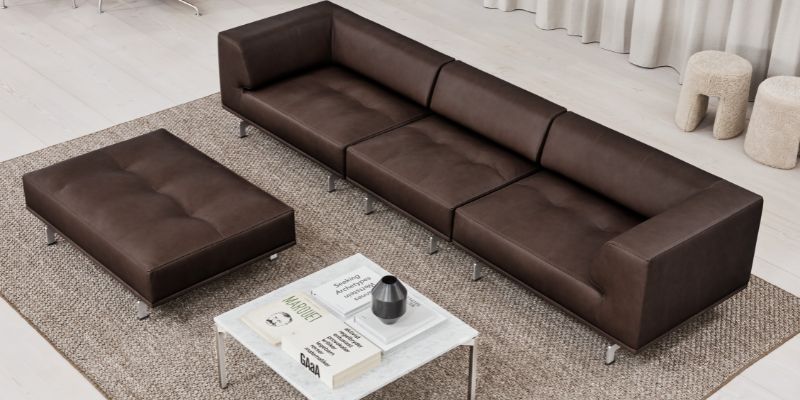
Full-grain leather performs well in Singapore’s air-conditioned interiors when it receives appropriate care. The key variables are conditioning and protection against moisture ingress — both manageable with a straightforward maintenance routine.
The risk specific to Singapore is mould growth on leather surfaces in rooms that are poorly ventilated or infrequently air-conditioned. Mould spores are present at higher concentrations in Singapore’s humid outdoor air than in temperate climates, and they will colonise leather surfaces given the opportunity. Regular use and air-conditioning are the primary defences — leather that is sat on, handled, and kept in a climate-controlled environment resists mould effectively. Leather in guest rooms or storage spaces that see limited use needs more active attention.
Conditioning leather every three to six months with a quality leather conditioner maintains suppleness and creates a surface that resists moisture absorption. Avoid silicone-based products, which can cause long-term surface damage, and use products recommended for the specific leather type.
Premium woven upholstery fabrics — the kind used by Danish furniture manufacturers like Eilersen — perform well in climate-controlled Singapore interiors. The relevant considerations are ventilation, cleaning frequency, and protection against the specific humidity spikes that occur when air-conditioning is turned off for extended periods.
Tightly woven fabrics with high thread counts resist moisture penetration more effectively than loosely structured alternatives and are easier to maintain in good condition. In Singapore’s climate, fabric upholstery in rooms that are air-conditioned consistently performs comparably to fabric upholstery in more temperate environments. The risk increases in less-controlled conditions — a covered terrace sofa, a piece in a room without regular air-conditioning, or upholstery in a basement or ground-floor room with limited airflow.
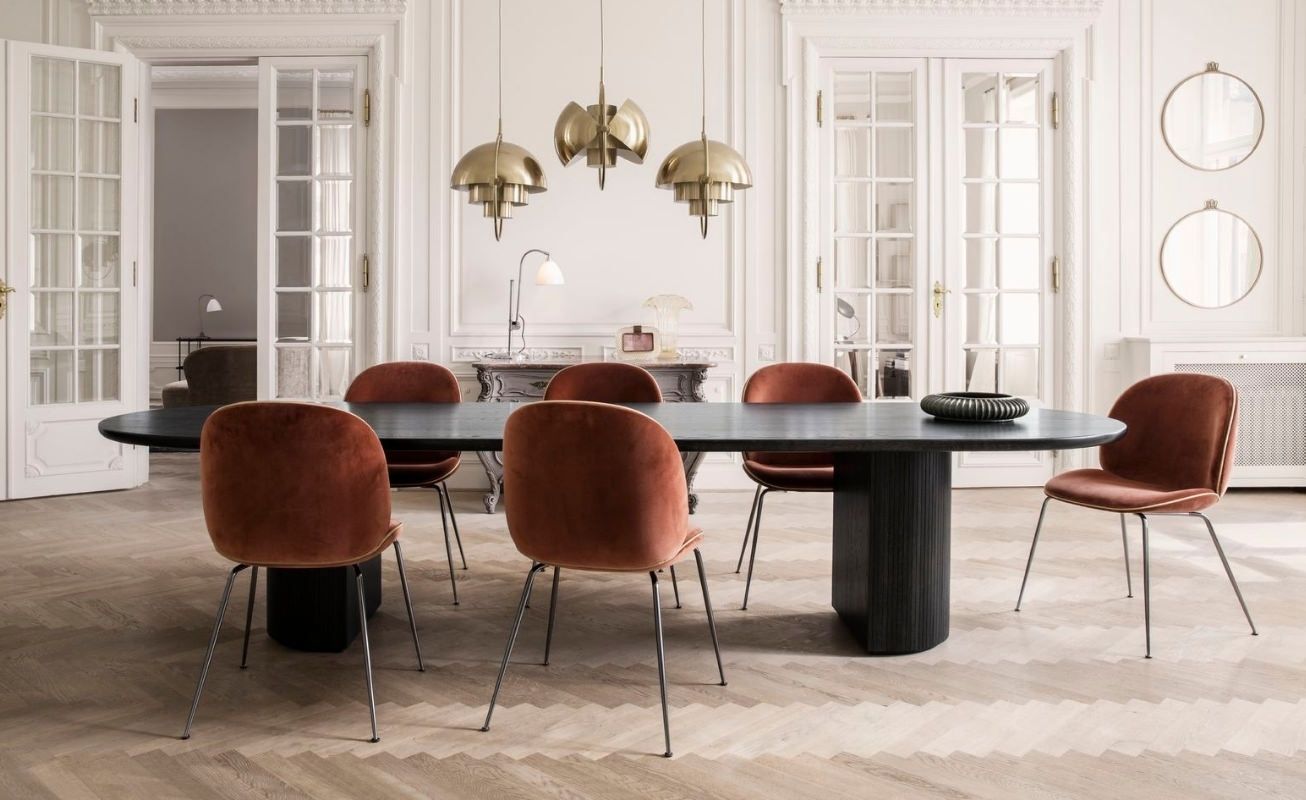
Metal furniture and hardware — including the brass, steel, and powder-coated components used in GUBI lighting and furniture — require consideration in Singapore’s humidity. Brass develops a natural patina in humid conditions that many owners find adds to the character of the piece. Steel and iron components in poorly ventilated spaces can develop surface oxidation. Powder-coated and lacquered metal finishes provide good protection when intact but require attention if chipped or scratched.
Regular cleaning and, for unlacquered brass, periodic polishing or intentional patina management keeps metal components in excellent condition. GUBI’s brass finishes, for example, can be maintained in their original state with appropriate care or allowed to develop the warm, aged quality that many owners prefer.
Practical Steps for Protecting Furniture in Singapore’s Climate
The following measures significantly extend the life and appearance of premium furniture in Singapore’s conditions:
Why Quality Matters More in Singapore Than Almost Anywhere
Singapore’s humidity makes the argument for quality furniture construction with unusual clarity. The performance gap between well-made solid wood pieces and cheap engineered alternatives is meaningful in any climate. In Singapore’s conditions, it is categorical.
Furniture built from kiln-dried solid hardwood, finished with quality oils or lacquers, and upholstered with premium fabrics or full-grain leather will handle Singapore’s climate gracefully for decades. Furniture built from particleboard, covered with thin veneer, and upholstered with budget fabric will show the climate’s effects within years — and often within months. The visual deterioration of cheap furniture in Singapore’s humidity is one of the most consistent and predictable phenomena in the city’s interiors market.
Danish Design Co’s range is built entirely around furniture that performs at the high end of this spectrum. Eilersen’s solid frames and premium upholstery, Fredericia’s kiln-dried hardwood construction and quality leather, GUBI’s durable metal finishes and material integrity — these are products whose construction standards were established in northern Europe but whose performance characteristics serve Singapore homeowners well precisely because they were built without compromise.
How to Choose Furniture for Singapore’s Climate
When selecting furniture for a Singapore home, apply the following criteria with the climate explicitly in mind. Ask: is the frame solid hardwood or engineered wood? Is the leather full-grain or a lower-grade alternative? Is the upholstery fabric tightly woven and tested for durability? Is the finish a quality oil or lacquer that protects the surface without sealing it completely against movement? Does the manufacturer build to standards that anticipate the kind of stress that a humid, cycling environment will impose?
Danish Design Co’s showroom team answers these questions routinely and brings specific knowledge of how the pieces they carry perform in Singapore homes. They can advise on care routines, point out the construction details that matter in the local climate, and help buyers make decisions they will not regret when the next monsoon season arrives.

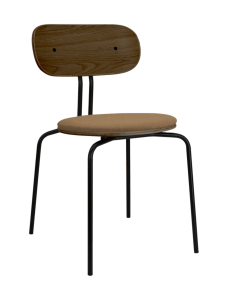
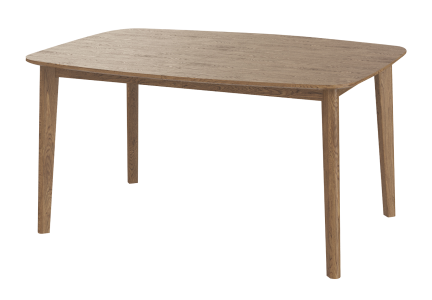
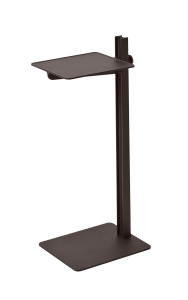
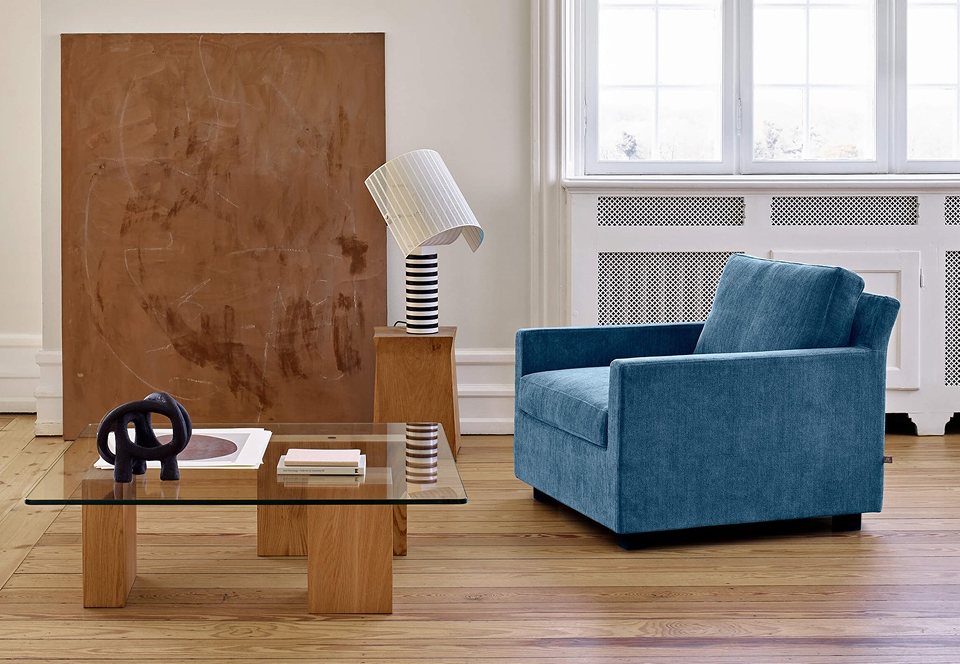
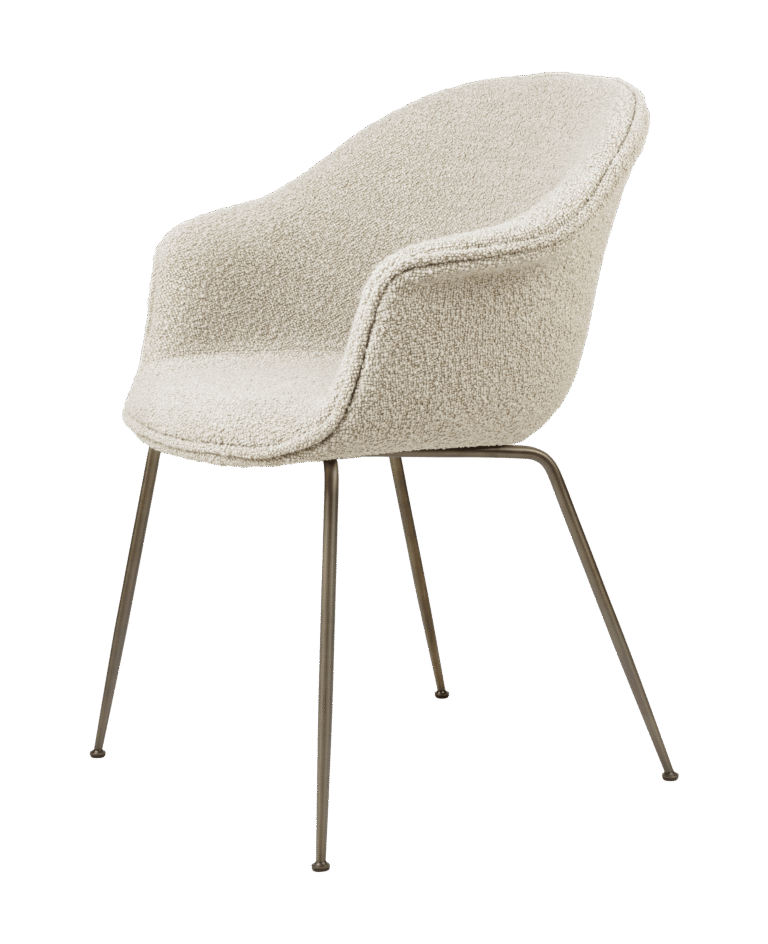
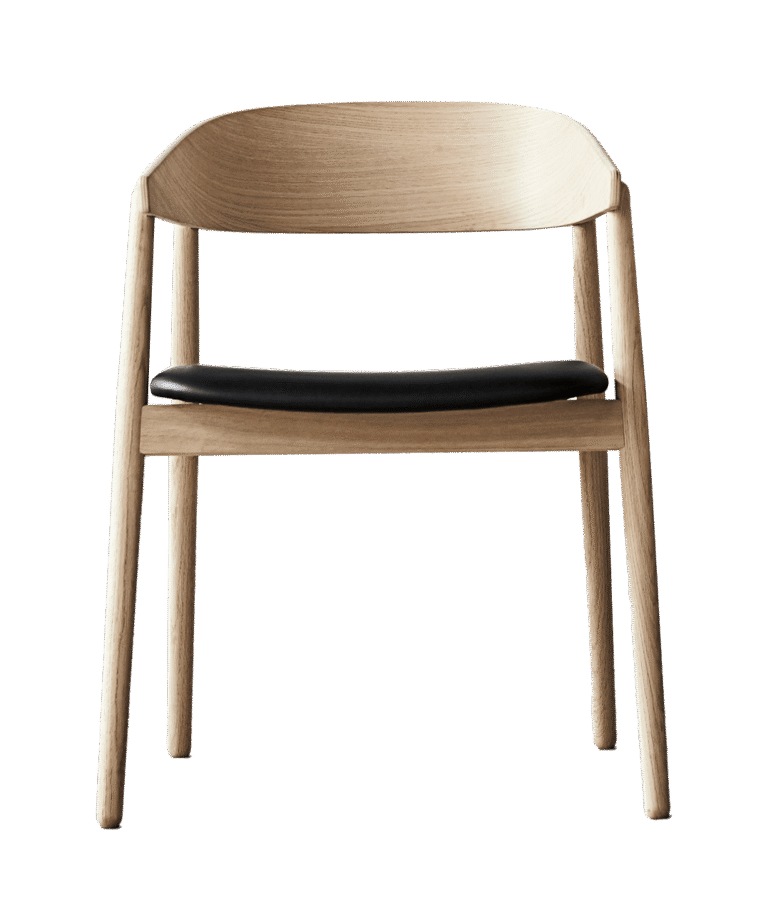
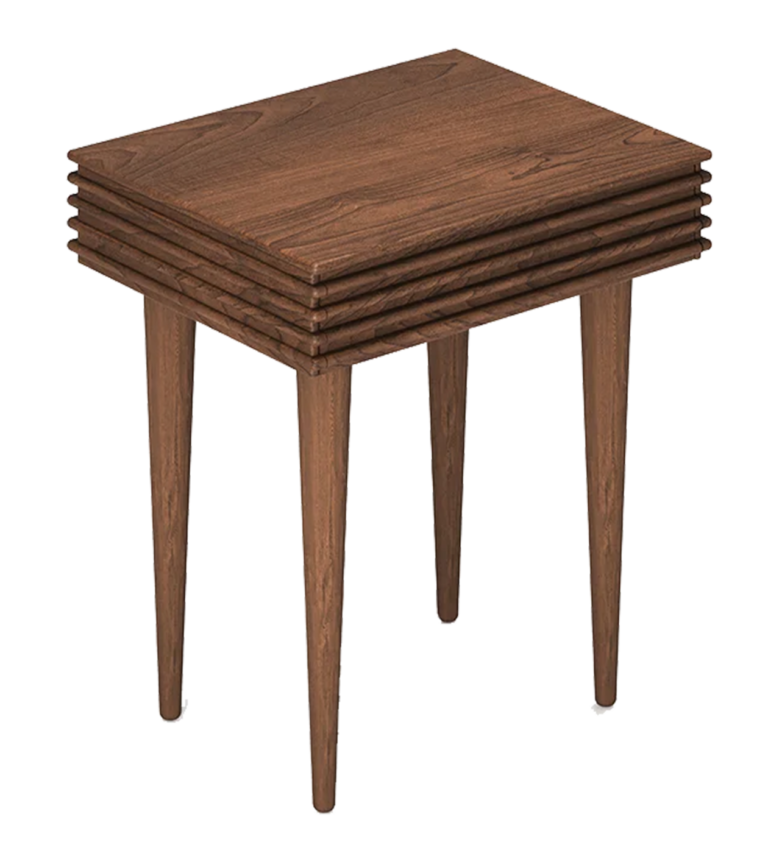
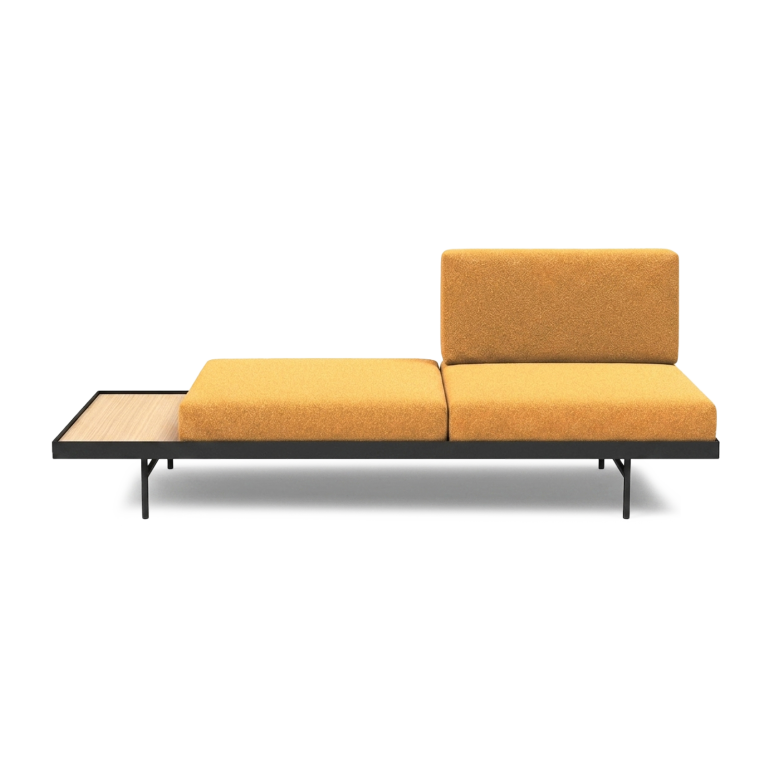
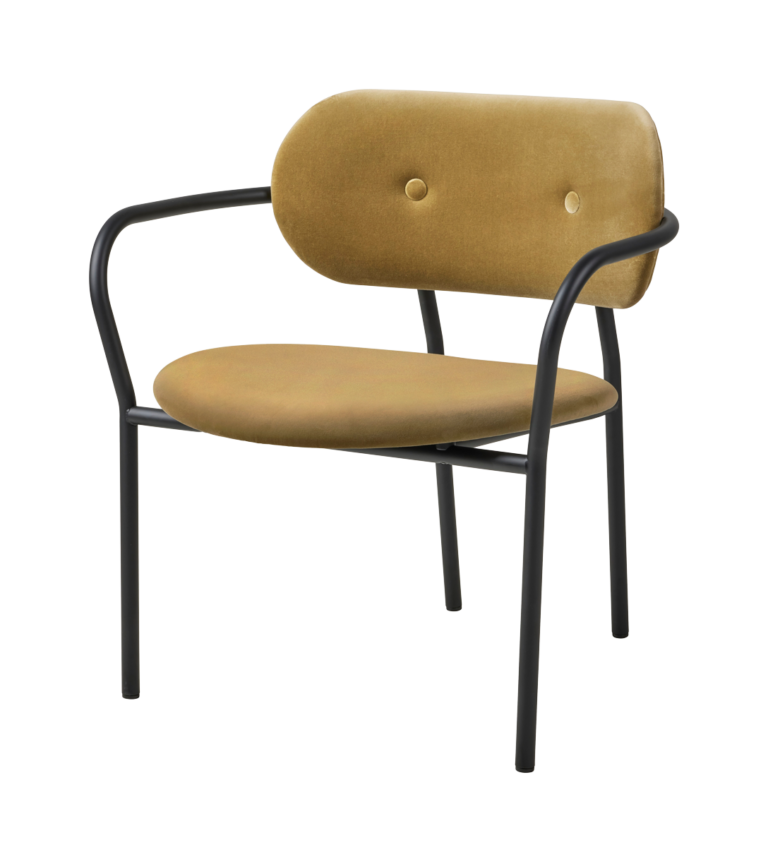
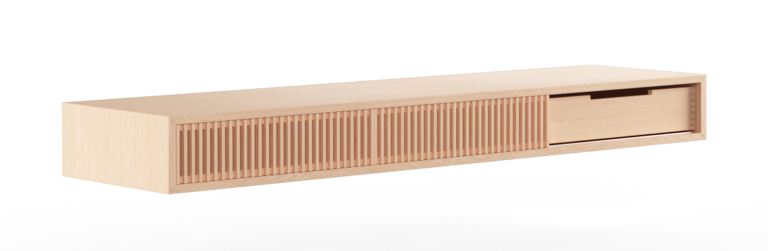
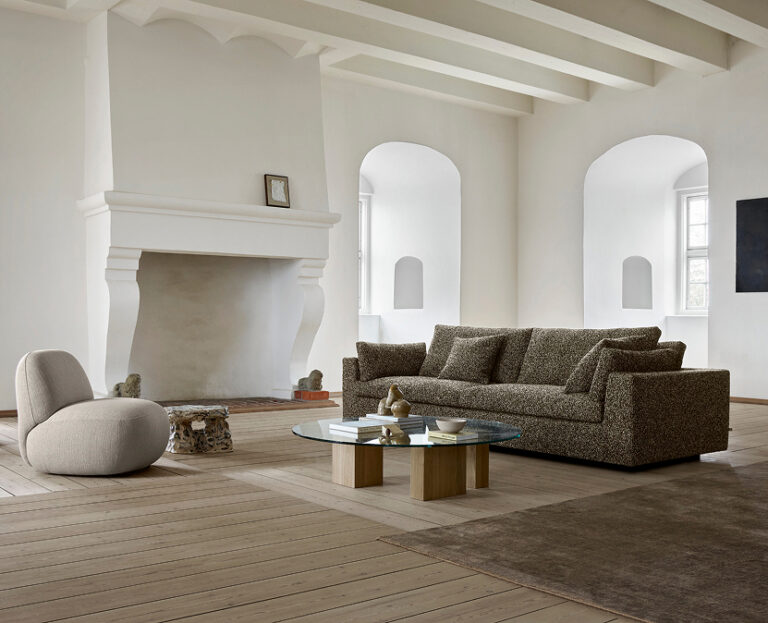

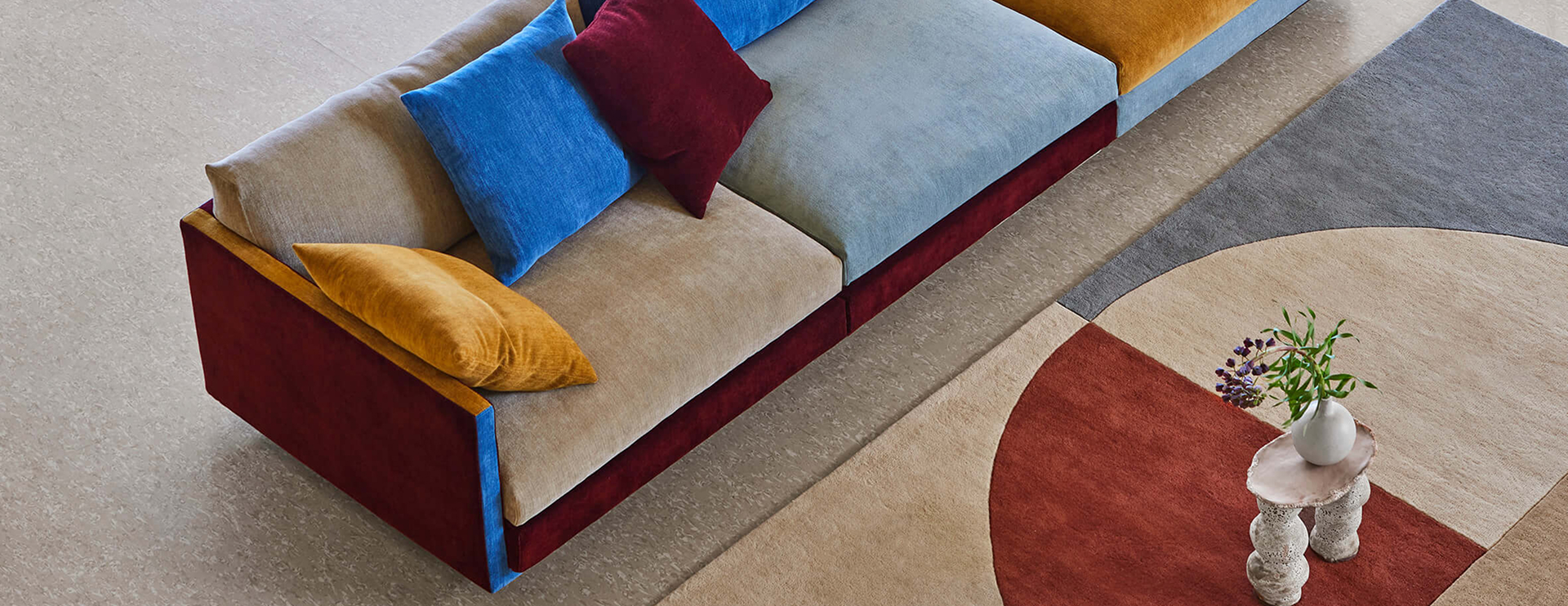
Scandinavian design is usually praised for what it leaves out. Gubi is known for what it puts back in. Where the tradition reaches for restraint,
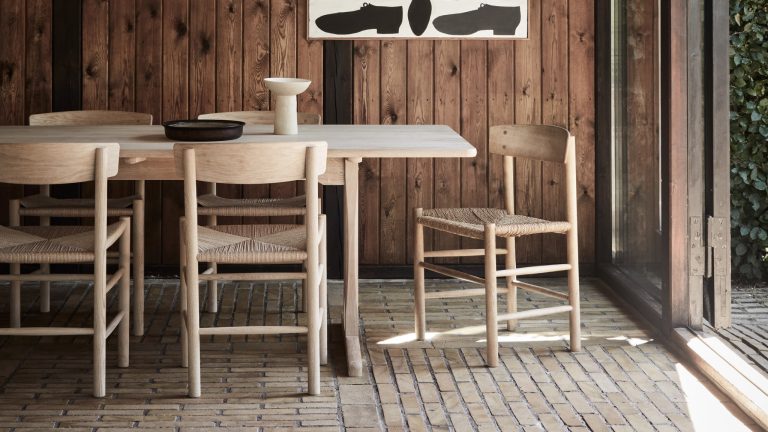
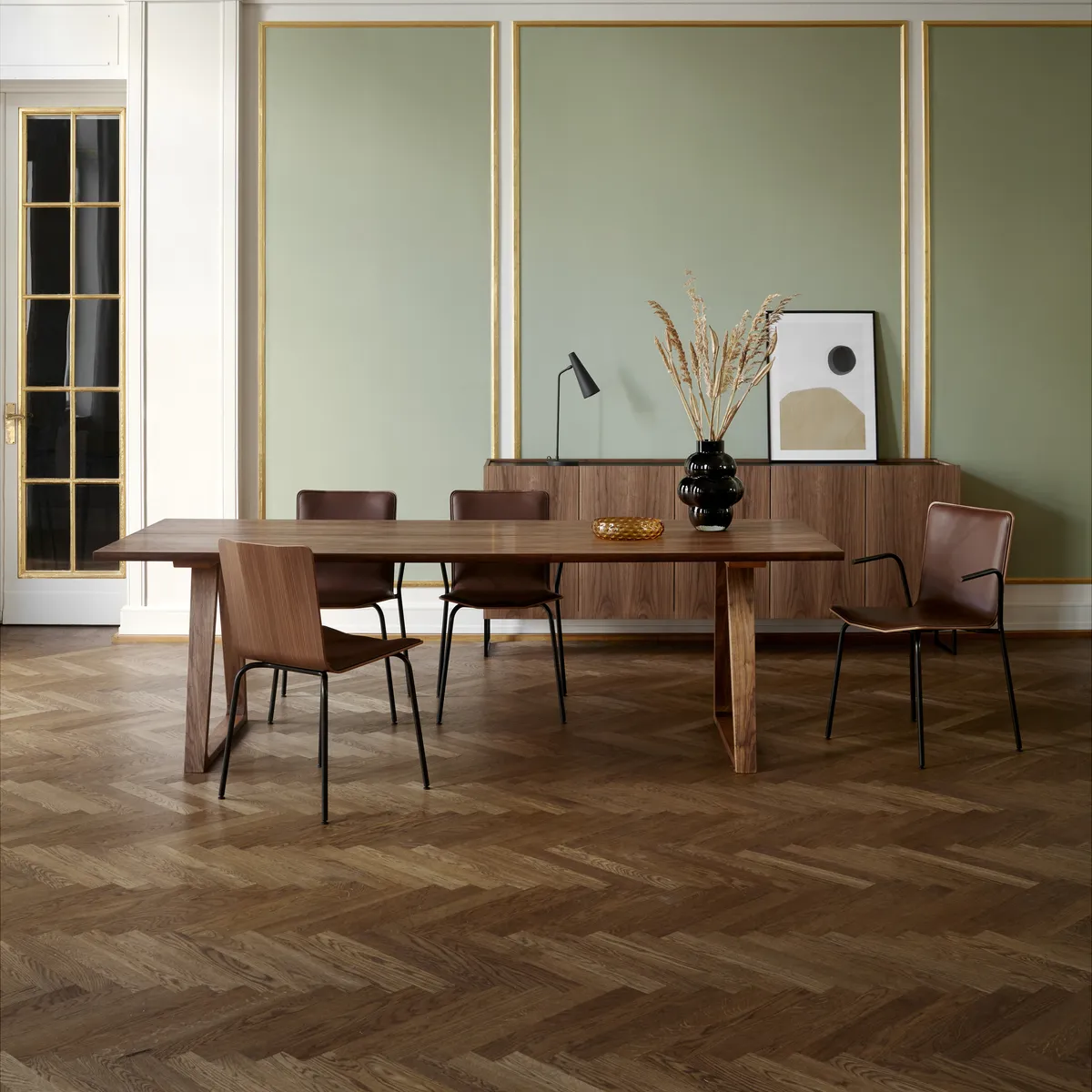
Some furniture houses chase the look of the moment. Fredericia has spent over a century doing the opposite. The Danish house is known for pieces