

How Designer Office Furniture Shapes Better Work
Designer office furniture brings clarity, comfort, and enduring character to focused workspaces, from private studies to considered shared offices alike.
A sofa bed earns its place when it feels resolved in both forms: a composed sofa by day and a genuinely restorative bed by night. Sofa bed mechanisms and comfort are inseparable in that equation. The mechanism determines how easily the piece changes function, how much sleeping surface it provides, and where the body is supported. The upholstery, mattress construction, and frame then determine whether guests wake refreshed or merely accommodated.
For a primary residence in Singapore, this distinction matters. A sofa bed may serve an occasional visitor in a study, create flexibility in a condominium living room, or make a refined hospitality suite work harder. It should not look like a concession to utility. The best examples retain clarity of form while treating sleep as a serious design requirement.
It is tempting to assess a sofa bed first as a visual object, then ask how it opens. That order can lead to disappointment. A graceful silhouette is essential, but the internal engineering determines the lived experience: the effort required to convert it, the steadiness of the bed, the depth of the sleeping surface, and the interruption, if any, created by joints between sections.
Comfort is equally layered. It includes the seat height and depth when the piece is used as a sofa, but also the resilience beneath a sleeper’s shoulders and hips. A firmer surface may feel more supportive over several nights; a plusher one can be inviting for occasional use yet less stable for different body types. There is no universal winner. The right choice depends on how frequently the bed will be used and whether the room is primarily arranged for sitting, sleeping, or both.
A well-conceived mechanism allows this balance without visual clutter. It should feel deliberate rather than improvised, with moving parts that align cleanly and a frame substantial enough to remain quiet and stable over time.
In a fold-out arrangement, the sleeping components are stored within or beneath the seat and unfold into a larger bed. This approach can provide a generous, continuous sleeping area, particularly where the sofa is intended to host overnight guests regularly. It does, however, require sufficient clearance in front of the sofa. Before choosing one, measure not only the available floor area but also the path around coffee tables, rugs, and side chairs once the bed is open.
Pull-out systems tend to extend from beneath the seat. Their appeal lies in an intuitive transformation: the sofa remains visually composed, then expands when required. The important detail is support. Look at how the extended section is held in place and whether it creates an even plane with the original seat. A well-engineered pull-out should not leave a guest feeling as though they are sleeping on two unrelated surfaces.
A fold-down or click-style backrest changes the sofa’s profile by reclining or lowering into a bed position. These designs are often particularly successful in compact rooms because there is no separate mattress deck to store. The mechanism can be elegantly direct, and the bed may open with little effort.
The trade-off is spatial. The sofa needs clear space behind it if the backrest moves rearward, and its sleeping comfort depends greatly on the upholstery construction. When considering this type, sit on the sofa first, then lie on it fully extended. The sensation should be supportive in both positions, not optimized for one at the expense of the other.
Some sofa beds use reconfigured cushions or movable sections to form a sleeping surface. This can offer exceptional flexibility, especially in rooms that shift between entertaining, working, and hosting. It also allows a lower, more lounge-oriented expression that suits contemporary interiors.
The question here is discipline of use. A modular conversion asks the owner to arrange components accurately each time, and separate cushions may move more than a dedicated bed platform. For occasional guests and adaptable living spaces, that can be an appealing compromise. For frequent overnight use, a more integrated sleeping system is often the calmer choice.
A sofa bed’s comfort cannot be judged by softness alone. Support begins with the structure beneath the upholstery. Slats, webbing, springs, or a platform each create a different response, and their quality affects how evenly the body is held across the surface. The most convincing designs avoid excessive sag while allowing enough give to relieve pressure at the shoulders and hips.
The mattress or cushioning construction matters just as much. Foam offers a clean, tailored profile and can provide steady support, while spring-based constructions often bring greater resilience and breathability. Layered systems can combine both qualities. Rather than searching for a single superior material, consider the intended guest: a sofa bed used for a single weekend visitor asks different things of its construction than one used every week.
Pay close attention to transitions. A bar, gap, or abrupt change in firmness may be tolerable for a short nap but becomes far more noticeable after a full night. Run a hand across the open bed and lie lengthwise on it. The surface should feel coherent, with no pronounced ridge through the center and no unstable edge where a sleeper might sit to dress.
Upholstery also influences comfort in Singapore’s climate. Natural-feeling textiles with texture and breathability can make a sofa inviting, while the weave, color, and composition should also suit the room’s level of use. Removable or serviceable covers can be practical in a guest setting, but the visual integrity of the upholstery remains important. A sofa bed is still a central piece of furniture for most of its life.
A common mistake is treating the daytime experience as an afterthought. If the sofa bed sits in a living room, its seat depth, back support, arm proportion, and cushion recovery will shape daily life far more often than its open-bed position.
Test the seating posture you actually use. A deeper seat can be wonderfully relaxed for reading or watching a film, but may be less comfortable for upright conversation without supportive back cushions. Arms give a sofa visual presence and a place to rest, yet an armless silhouette can make a small room feel more open and create a broader sleeping area. Neither choice is inherently better. Proportion should follow the role of the room.
Look, too, at how the cushions recover after sitting. A premium sofa bed should maintain its tailored character rather than appear rumpled after ordinary use. This is where European craftsmanship and material integrity are felt quietly, not merely described.
Begin with the open dimensions, not the closed ones. Mark the bed’s footprint on the floor with tape and live with it for a day. Can doors still open? Is there enough space to walk around it? Does the bed block a passage to a balcony, wardrobe, or bathroom?
Then consider who will operate it. An elegant mechanism loses value if it requires awkward lifting or repeated adjustment. Open and close it yourself several times. Notice whether bedding must be removed, whether the movement is balanced, and whether the sofa returns to its original form without arranging every cushion anew.
Finally, think about frequency with honesty. For occasional guests, visual refinement and simple conversion may rightly lead the decision. For regular use, prioritize the sleeping surface, frame stability, and ease of operation even if that means choosing a slightly larger footprint. Lasting comfort is usually the more refined choice.
At Danish Design Co, the European-made Innovation Living collection offers considered options for rooms that require this dual purpose, including Malloy, CozyPad Sofa Bed with Arms, Mikunjo, and Killian. Each should be experienced in person, because the right mechanism is as personal as the right lounge chair: it is felt through movement, posture, and proportion.
A sofa bed should make a room more capable without making it feel less considered. Download the sofa bed catalogue through Danish Design Co’s dedicated sofa bed page, or request it on WhatsApp, then test the models at the showroom at 100E Pasir Panjang Road, #06-03.
Designer office furniture brings clarity, comfort, and enduring character to focused workspaces, from private studies to considered shared offices alike.
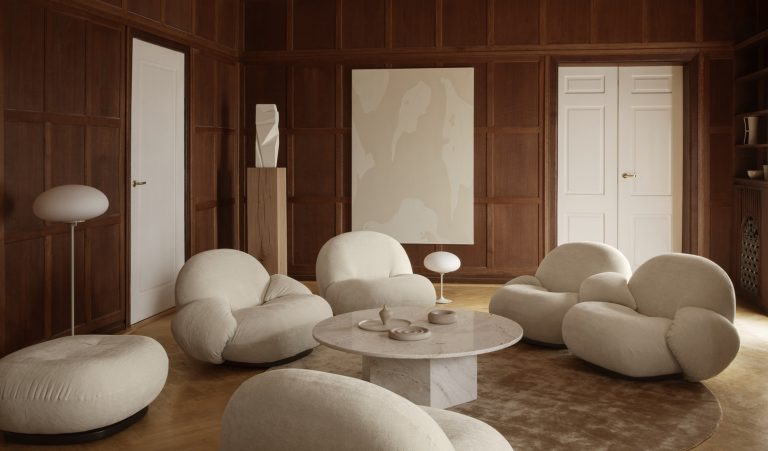
European furniture brands bring clarity of form, material integrity, and lasting comfort to homes designed for years of considered living and thoughtful daily use.
Explore 20+ sofas, 30+ tables, and 50+ chairs in our 12,000 sq ft showroom, along with a wide selection of designer furniture. Experience quality firsthand and discover the stories behind each piece—it’s a visit truly worth your time.